Does Vacuum Sealing Prevent Freezer Burn?
Freezer burn is a common problem for anyone who freezes food. You may have opened a bag of chicken breasts or a box of frozen berries, only to find dry spots, a strange texture, or a faded color. Many people now use vacuum sealing to store food, hoping to keep their ingredients fresh for months.
But does vacuum sealing really prevent freezer burn? Let’s explore how freezer burn happens, how vacuum sealing works, and what you can do to protect your food.
What Is Freezer Burn?
Freezer burn happens when food loses moisture while frozen. This is not a disease or a type of mold—it’s simply dehydration and oxidation. When water inside the food turns into ice, it can slowly move to the surface and escape as vapor, especially if the packaging is not airtight.
This leaves behind dry, tough, and sometimes discolored areas.
You’ll notice freezer burn as:
- White or grayish spots on meats and vegetables
- Shriveling or tough texture
- Dull or faded color
- Odd, stale taste
Freezer burn doesn’t make food unsafe, but it does ruin quality and taste. It’s a common reason why people throw away frozen food.
How Does Freezer Burn Occur?
To understand if vacuum sealing can help, it’s important to know why freezer burn happens. The main causes are:
- Air exposure: Oxygen in the air reacts with food, causing oxidation and drying.
- Temperature changes: Opening and closing the freezer lets warm air in, which can cause moisture to move.
- Loose packaging: If packaging is not tight, air and moisture can move in and out.
The longer food stays in the freezer, the more likely it is to develop freezer burn, especially if it’s not sealed well.
What Is Vacuum Sealing?
Vacuum sealing removes air from around the food and seals it in a plastic bag or container. Home vacuum sealers use a small pump to suck out air, then heat-seal the bag shut. Commercial machines can do this even more efficiently.
The main benefits of vacuum sealing are:
- Reducing air exposure
- Preventing moisture loss
- Keeping flavors and nutrients locked in
- Slowing down spoilage and mold growth
Vacuum sealing is popular for meats, fish, vegetables, and even leftovers. It’s also used for sous vide cooking.
Does Vacuum Sealing Prevent Freezer Burn?
How Vacuum Sealing Fights Freezer Burn
Vacuum sealing is one of the most effective ways to prevent freezer burn. By removing air, the process:
- Reduces oxidation that causes color and flavor changes
- Limits moisture escape so food stays juicy
- Keeps out ice crystals that damage texture
When air is removed, the chances of dehydration drop sharply. This is why vacuum-sealed food often stays fresher longer.
Scientific Evidence
Research supports these claims. According to the U.S. Department of Agriculture, vacuum-sealed foods can last 3–5 times longer in the freezer than foods in regular packaging. For example:
- Ground beef in store packaging: 3–4 months
- Ground beef in vacuum seal: 1 year or more
Vacuum sealing does not make food last forever, but it does slow down freezer burn and quality loss.
Real-world Example
Imagine two chicken breasts: one in a standard zipper bag, and one vacuum-sealed. After three months, the chicken in the zipper bag may have white, dry patches and a chewy texture. The vacuum-sealed chicken will likely look and taste much closer to fresh.

Credit: www.reddit.com
Comparing Vacuum Sealing To Other Methods
To see how vacuum sealing stands up, let’s compare common packaging methods for frozen food.
| Packaging Method | Air Exposure | Freezer Burn Risk | Storage Time |
|---|---|---|---|
| Vacuum Sealing | Very Low | Minimal | 1–3 years |
| Plastic Wrap & Aluminum Foil | Moderate | High | 6–12 months |
| Zipper Bags | Moderate to High | High | 2–6 months |
| Rigid Containers | Depends on Seal | Medium | 6–12 months |
Vacuum sealing clearly offers the longest protection with the lowest risk of freezer burn.
Which Foods Benefit Most From Vacuum Sealing?
Not all foods freeze in the same way. Some ingredients benefit more from vacuum sealing than others.
Best Candidates
- Meats (beef, poultry, pork)
- Fish and seafood
- Fruits and vegetables
- Cheese
- Bread and baked goods
- Prepared meals and leftovers
These foods contain a lot of water or fat, both of which are damaged easily by freezer burn.
Foods To Avoid Vacuum Sealing
Some foods don’t do well with vacuum sealing:
- Soft cheeses (can get squished)
- Mushrooms and garlic (can spoil in low oxygen)
- Freshly cooked hot foods (trap moisture and steam)
- Leafy greens (can get crushed)
It’s important to freeze foods properly before vacuum sealing, especially delicate items.

Credit: www.foodsaver.com
How To Vacuum Seal For The Best Results
Vacuum sealing works best when done correctly. Here’s how to get the most out of your vacuum sealer:
- Chill food first: Freeze or chill before sealing to prevent moisture from being sucked out.
- Use proper bags: Buy bags made for vacuum sealing; regular plastic bags often leak.
- Leave space: Don’t overfill bags—leave room for sealing.
- Wipe edges clean: Make sure bag edges are dry for a tight seal.
- Double seal liquids: For soups or stews, freeze first, then vacuum seal.
Here’s a quick comparison of sealing tips for different food types:
| Food Type | Sealing Tip |
|---|---|
| Raw Meat | Pat dry before sealing |
| Vegetables | Blanch and cool first |
| Soups & Stews | Freeze, then seal to avoid spills |
| Bread | Pre-freeze to keep shape |
A common beginner mistake is sealing food while it’s still hot or damp. This can trap moisture, making freezer burn more likely. Always let food cool completely.
Other Tips To Prevent Freezer Burn
Vacuum sealing is powerful, but a few extra steps can protect your food even more.
- Freeze quickly: The faster food freezes, the smaller the ice crystals. Big crystals cause more damage.
- Keep freezer cold: Set your freezer at 0°F (-18°C) or lower.
- Don’t overload: Too much food blocks air flow and slows freezing.
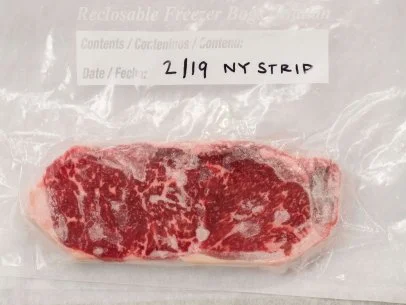
- Label and date: Use food before it gets too old, even if vacuum sealed.
- Check seals: Sometimes, a bag may leak. If you see air inside, reseal it.
Vacuum sealing works best as part of a full freezing routine.
Credit: www.foodnetwork.com
Common Misunderstandings About Vacuum Sealing
Some people believe vacuum sealing makes food last forever, or that it works for everything. Here are two things many miss:
- Vacuum sealing slows, but doesn’t stop, freezer burn: Over time, small leaks or bag damage can let air in. Always check food before use.
- Not all bags are equal: Cheap or thin bags can get pinholes, letting air in. Invest in quality bags for best results.
Also, freezer burn can still happen if your freezer temperature is not stable. Power outages or frequent door opening can cause problems, even with vacuum sealing.
Is Vacuum Sealing Worth It?
Vacuum sealing does require an upfront cost for the machine and bags. However, it can pay off by reducing wasted food and keeping expensive items fresh. For people who freeze large batches, buy in bulk, or hunt and fish, the savings are noticeable.
Here’s a rough cost breakdown:
| Item | Average Cost |
|---|---|
| Vacuum Sealer Machine | $60–$200 |
| Vacuum Sealer Bags (per 100) | $15–$40 |
| Food Loss from Freezer Burn (per year) | $100–$300* |
*Estimate based on average household food waste.
For most families, a vacuum sealer pays for itself in less than a year if you use your freezer often.
Final Thoughts
Vacuum sealing is a highly effective way to prevent freezer burn and keep your frozen food tasting fresh. By removing air and sealing out moisture, it dramatically extends the life and quality of meats, vegetables, and more. While no method can stop freezer burn forever, vacuum sealing comes very close—especially if you use good bags, freeze food quickly, and keep your freezer cold.
If you freeze food often, a vacuum sealer is a smart investment. It’s not magic, but it’s the closest thing you’ll find to “fresh from the freezer. ”
For more on food storage and freezing safety, you can visit the USDA’s Food Safety and Inspection Service.
Frequently Asked Questions
How Long Does Vacuum-sealed Food Last In The Freezer?
Vacuum-sealed food can last 1–3 years, depending on the type. For example, vacuum-sealed beef lasts up to 2–3 years, while vegetables usually last 1–2 years. Always check for signs of spoilage before eating.
Can Vacuum Sealing Remove All Risk Of Freezer Burn?
Vacuum sealing greatly reduces the risk, but does not remove it completely. Tiny leaks or poor sealing can let air in over time. Using quality bags and keeping your freezer at a steady temperature helps a lot.
Do I Need A Special Vacuum Sealer Machine?
Yes, you need a vacuum sealer made for food storage. Manual methods (like sucking air out with a straw) remove some air, but not enough to fully prevent freezer burn. Machines make a much tighter seal.
Is Vacuum Sealing Safe For All Types Of Food?
Most foods are safe to vacuum seal and freeze, but some (like soft cheeses, mushrooms, and garlic) may spoil in low-oxygen environments. Always research first if you’re not sure.
Can I Vacuum Seal Cooked Meals Or Leftovers?
Yes, vacuum sealing works well for cooked meals. Cool food fully before sealing to prevent moisture problems. Then freeze quickly for best texture and taste.