Skip to content
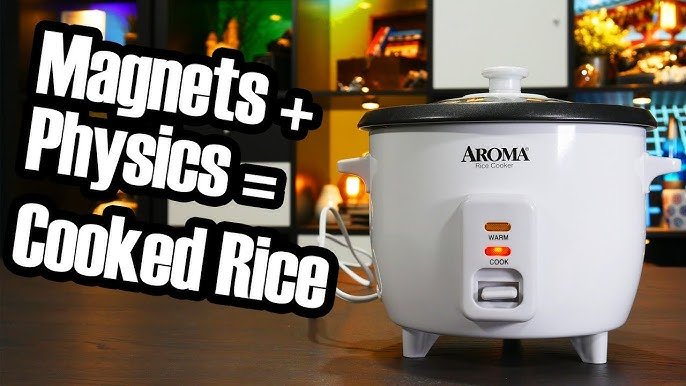
Every kitchen with a rice cooker holds a small mystery: how does this clever machine know when to stop cooking? You add rice and water, press a button, and walk away. Minutes or hours later, you return to perfectly cooked rice—never burnt, never too raw. For many, the process feels magical. But behind the scenes, the rice cooker follows a logical and reliable process based on science and smart engineering.
Understanding how a rice cooker knows when to stop is more than just satisfying curiosity. It helps you use the appliance better, avoid mistakes, and even decide which model is right for your needs. Whether you use a simple one-button cooker or a high-tech fuzzy logic model, the core principle remains similar.
Let’s dive into the fascinating world of rice cookers and discover the secrets inside.
The Basic Working Principle
At the heart of every rice cooker lies a simple idea: cook rice until all the water is gone, then stop before burning. The cooker must sense the moment when the rice is done. This depends on the relationship between temperature, water evaporation, and the cooker’s built-in sensor.
How Heat And Water Work Together
When you start the rice cooker, it heats both the rice and water together. Water absorbs heat and keeps the temperature around 212°F (100°C)—the boiling point. As long as there is water in the pot, the temperature stays close to this point because the water is turning into steam and leaving the cooker.
The Role Of The Sensor
Most rice cookers have a thermostat—a temperature sensor under the inner pot. This sensor is often a small metal disk, sometimes called a bimetallic strip or a spring-loaded switch. It constantly measures the temperature at the bottom of the pot.
When all the water is absorbed or has evaporated, the temperature inside the pot quickly rises above 212°F (100°C). The sensor detects this change and triggers the cooker to switch from “Cook” mode to “Warm” mode, or to turn off entirely.
This simple but clever mechanism keeps the rice from overcooking or burning.
Step-by-step: What Happens Inside The Cooker
Understanding the step-by-step process helps you see why rice cookers are so reliable.
- Preparation: You add rice and water in the recommended ratio. The type of rice and amount of water can affect cooking time but not the cooker’s ability to sense doneness.
- Heating: The heating plate under the inner pot gets hot. The pot, filled with rice and water, sits directly above the sensor.
- Simmering: As the water heats up, it starts to boil. The temperature stays at 212°F (100°C) because the boiling water absorbs heat.
- Water Evaporates: The rice absorbs some water, and the rest turns into steam and escapes through the vent.
- Temperature Spike: When all water is gone, the temperature in the pot jumps above 212°F. The sensor detects this and immediately stops the “Cook” cycle.
- Switch to Warm: The cooker then switches to “Keep Warm” mode, keeping the rice at a safe serving temperature without burning it.
This process works for white rice, brown rice, and even other grains, though cooking times and water amounts may differ.
Key Components That Make It Possible
A closer look at the main rice cooker parts reveals why the process is so dependable.
| Component | Function | Importance |
|---|---|---|
| Heating Plate | Provides heat to the pot | Evenly cooks rice |
| Inner Pot | Holds rice and water | Ensures good heat transfer |
| Temperature Sensor | Detects pot temperature | Controls cooking cycle |
| Control Switch | Switches modes automatically | Prevents overcooking |
The temperature sensor is the most crucial part. If it fails or gets dirty, the cooker may stop too soon or too late. Cleaning the sensor regularly keeps the cooker accurate.
Basic Vs. Advanced Rice Cookers
Not all rice cookers are created equal. Some use only the basic sensor system, while others have advanced technology for better results.
One-button Rice Cookers
The simplest models have a single switch: “Cook” and “Warm.” They rely solely on the temperature spike to detect when the rice is done. These cookers are affordable, reliable, and easy to use.
Fuzzy Logic And Microcomputer Models
Modern, high-end cookers use fuzzy logic or microcomputers. These models have sensors for temperature and time, plus a small computer chip. They can adjust the heat automatically, sense the type of rice, and even change the cooking curve if you add more water or open the lid.
For example, a fuzzy logic cooker may:
- Adjust the heating cycle if you use brown rice (which needs longer cooking)
- Offer settings for porridge, sushi rice, or mixed grains
- Delay the finish time, so rice is ready when you want it
These smart cookers still rely on the basic idea of detecting when water is gone, but they use extra data to make the process even more precise.

Credit: www.youtube.com
Data Table: Basic Vs. Fuzzy Logic Rice Cookers
Below is a simple comparison between standard and advanced rice cookers.
| Feature | Basic Cooker | Fuzzy Logic Cooker |
|---|---|---|
| Temperature Sensor | Yes | Yes (more advanced) |
| Preset Programs | No | Multiple (white, brown, porridge, etc.) |
| Delay Timer | No | Yes |
| Self-adjusts for Rice Type | No | Yes |
| Price Range | Low | Medium to High |
Non-obvious Insights For Better Cooking
Most people think rice cookers are “set it and forget it,” but there are details that can improve your results.
- Sensor Placement Matters: If the rice or water is not spread evenly in the pot, the sensor may not work properly. Always spread rice in a flat layer before starting.
- Altitude Affects Boiling Point: At high altitudes, water boils below 212°F (100°C). This can cause the cooker to switch off too soon, leaving rice undercooked. Adding a little extra water helps.
- Don’t Overfill: Overfilling the pot can cover the sensor and cause false readings, leading to undercooked or soggy rice.
- Dirty Sensor = Wrong Timing: A dirty or scratched sensor may not sense temperature changes well. Clean the sensor disk regularly for best results.
Why Rice Cookers Rarely Burn Rice
A common question is why rice rarely burns in a rice cooker, unlike on the stovetop. The secret is the automatic switch triggered by the temperature spike. Once the water is gone, the heat rises fast. The cooker’s sensor reacts instantly, switching to warm mode before the rice can burn.
However, if you leave rice in “Keep Warm” mode for many hours, it can dry out or even brown at the bottom. For best taste, serve rice within one hour after cooking.
How Different Types Of Rice Affect The Process
All rice types—white, brown, jasmine, basmati, sushi—work in a rice cooker, but they each absorb water differently.
- White rice: Cooks quickly, needs less water.
- Brown rice: Needs more water and time because of the outer bran.
- Sushi rice: Sticky, may need rinsing to avoid too much starch.
- Wild rice and mixed grains: Often need special settings or more water.
Advanced rice cookers can sense these differences and adjust automatically. With basic models, you need to adjust the water yourself.
Rice Cooker Myths And Misunderstandings
Many people think rice cookers use timers to stop cooking. While some advanced models use timers for convenience, the main trigger is always the temperature change. Without this, the cooker would not know whether the rice is really done or if the water has all boiled away.
Another common myth: adding more rice or water during the cycle confuses the cooker. In reality, the cooker will still detect the temperature change, but the cooking time will increase. For best results, avoid opening the lid during cooking.
Safety Features Built Into Rice Cookers
Modern rice cookers are designed to be safe for everyday use.
- Automatic shutoff: Prevents overheating and burning
- Thermal fuse: Stops power if the unit gets too hot
- Cool-touch handles: Reduce risk of burns
Some advanced models also have sensors to prevent operation if the pot is empty—helpful for busy kitchens.

Credit: www.torhoermanlaw.com
Data Table: Common Problems And Solutions
Here is a quick reference for common rice cooker issues and how to fix them.
| Problem | Likely Cause | Solution |
|---|---|---|
| Rice too hard | Not enough water | Add more water next time |
| Rice too soft or mushy | Too much water | Use less water |
| Rice undercooked | Dirty sensor or high altitude | Clean sensor, add water |
| Rice sticks to pot | Pot not non-stick or not rinsed | Rinse rice, use proper pot |
How To Choose The Right Rice Cooker
When buying a rice cooker, consider:
- Size: Choose a size based on your family and how much rice you usually cook.
- Type of rice you use: If you like brown or specialty rice, an advanced model may help.
- Features: Delay timers, steam trays, and multiple settings can make cooking easier.
- Ease of cleaning: Removable pots and lids are easier to wash.
- Price: Basic models cost less but offer fewer features. High-end models can be an investment but may last longer and cook more types of rice.
For more details about rice cooker technology, you can visit the Wikipedia Rice Cooker page.
Credit: www.youtube.com
Frequently Asked Questions
How Does A Rice Cooker Sense When The Rice Is Done?
The rice cooker uses a temperature sensor under the pot. When all water is absorbed or evaporated, the temperature inside the pot rises quickly above the boiling point. The sensor detects this change and stops the cooking process.
Can I Cook Other Grains In A Rice Cooker?
Yes, you can cook grains like quinoa, barley, and oats in most rice cookers. Adjust the water amount and use the correct settings if your cooker has options for other grains.
Why Does My Rice Sometimes Come Out Too Hard Or Soft?
This is usually due to the water-to-rice ratio. Too little water makes rice hard, while too much makes it soft or mushy. Also, a dirty sensor or cooking at high altitude can affect results.
Is It Safe To Leave Rice In The Rice Cooker For Hours?
Most rice cookers have a keep warm function that holds rice at a safe temperature for a few hours. However, leaving rice for many hours can make it dry or change its taste. Serve within an hour for best quality.
Do Advanced Rice Cookers Make A Big Difference?
Advanced rice cookers with fuzzy logic or induction heating can adjust temperature and timing for better results, especially with brown or specialty rice. They cost more but give more control and options.
Rice cookers are a perfect example of simple yet smart kitchen technology. By using basic science and clever design, they deliver perfectly cooked rice with little effort. Understanding how your rice cooker works helps you get better results and avoid common mistakes.
Next time you lift the lid on a pot of steaming rice, you’ll know exactly how your appliance got it right.