It sounds like a kitchen impossibility: golden fries, crunchy chicken, and crisp vegetables with no pool of bubbling oil. But an air fryer is not really “frying” at all. It is a compact convection oven with a powerful fan that moves hot, dry air around food much faster than a regular oven. That single difference lets food brown, crisp, and cook through with almost no added fat.
The science is simpler than the marketing makes it sound. Once you understand how heat, air, and moisture interact, you can use an air fryer with better results and fewer disappointments. You can also read our guide on best oil to use in air fryer.
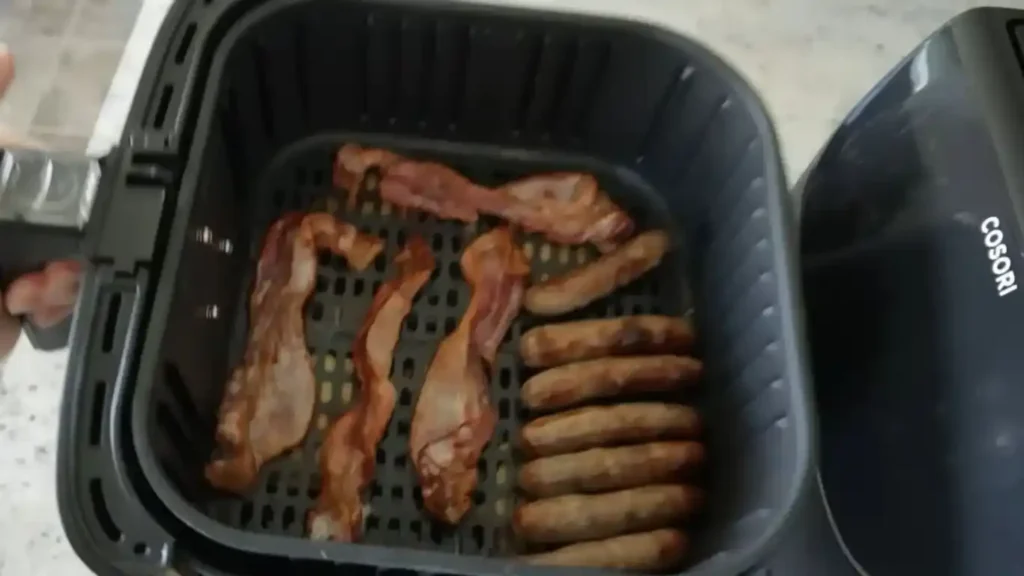
High-speed hot air, not oil, is what creates the golden crust on air-fried food.
What an Air Fryer Actually Is
An air fryer is a small forced-convection oven with a heating element, a fan, and a perforated basket. It cooks by circulating air heated to around 150–230°C (300–450°F) continuously around the food.
The "air frying" label describes the result, not the method. Food comes out with a browned, crisp surface that resembles deep frying, but the cooking medium is air rather than oil. That is why the machine can work with a teaspoon of oil or no oil at all. You can also read our guide on what to look for when buying an air fryer.
In technical terms, an air fryer uses forced convection: moving air transfers heat to food faster than still air. The faster the air moves, the quicker moisture evaporates from the surface and the sooner browning begins.
The Three Parts That Make Air Frying Work
The Heating Element
The heating element sits at the top or rear of the unit. It usually looks like the coiled metal tube in a toaster oven or electric oven. It converts electricity into heat, warms the air around it, and also radiates heat directly onto the food. You can also read our guide on is air fryer healthy for diabetics.
Modern air fryers reach cooking temperature in a couple of minutes because the chamber is tiny. That concentrated heat source is the reason air fryers preheat much faster than full-size ovens.
The High-Speed Fan
The fan is the part that makes an air fryer different from a baking sheet in a regular oven. It sits behind or above the heating element and moves air through the small chamber continuously. You can also read our guide on how to prevent air fryer smoke when cooking high fat meats.
Instead of relying on gentle natural convection, the fan creates turbulent airflow that strips away the thin layer of cooler, moister air around the food. That constant contact with fresh hot air is what drives crisping.
The Small Cooking Chamber
Most air fryer baskets hold between 3 and 8 liters. The small volume is a feature, not a limitation. It keeps the hot air concentrated and prevents heat loss, so food cooks quickly and evenly. You can also read our guide on why does my air fryer keep tripping the circuit breaker.
This is why an air fryer behaves more like a turbo oven than a traditional oven. One batch of food gets intense, focused airflow from every direction.
What Happens Inside the Basket, Step by Step
The cooking process follows a predictable pattern each time you use an air fryer:
- The food surface heats up. Hot air contacts the food from all sides because the perforated basket lets air move freely around each piece.
- Moisture evaporates from the surface. Water on the outside of the food turns to steam and escapes. This drying step is essential for crispness.
- The surface temperature climbs past 100°C. Once the surface is dry, it can get hot enough for browning rather than just steaming.
- Browning reactions begin. At around 140°C and above, proteins and sugars on the surface react and form the dark, complex-flavored crust associated with frying.
- Heat carries into the center. While the outside browns, the inside cooks gently from conducted heat. Because the air is hot and moving, the food cooks through faster than it would in a still-air oven.
Throughout this process, food does not absorb oil the way it does in a deep fryer. That is the main reason air-fried food is usually lighter and less greasy.
Why Does Air Frying Make Food Crisp Without Oil?
Crispness comes from removing moisture from the outer layer, not from frying in oil. The same foods that go crispy in a hot oven — roast potatoes, pizza crust, bread — go crispy in an air fryer, but faster.
Think of the hot fan as a high-speed hairdryer pointed at the food. It dries the outside quickly, leaving a brittle, browned layer. Meanwhile, the inside of the food still contains moisture, so you get a crunchy shell with a tender interior.
Two chemical processes make this happen.
The Maillard Reaction
The brown crust on air-fried food is the same Maillard reaction that creates the crust on grilled steak or baked bread. Amino acids and reducing sugars on the surface react under heat and produce hundreds of flavor compounds.
In a deep fryer, hot oil surrounds the food and drives browning. In an air fryer, hot air does the same job, just more gently and with less oil.
Steam and Interior Moisture
The interior of the food stays moist because the air temperature is controlled and cooking times are relatively short. A chicken thigh air-fried to the correct internal temperature still has juices inside. The outer surface becomes crisp and dry, but the inside remains succulent.
If you let the food cook too long, the moisture in the center begins to escape too, and the interior dries out. That is why timing matters more with an air fryer than with a slow oven.
Air Fryer vs Deep Fryer vs Convection Oven
| Aspect | Air Fryer | Deep Fryer | Convection Oven |
|---|---|---|---|
| Cooking medium | Hot air | Hot oil | Hot air |
| Oil needed | 0–2 teaspoons | Several cups | 0–2 teaspoons |
| Heat transfer | Fast | Very fast | Slower, less concentrated |
| Texture | Crisp, drier | Crisp, juicy with oil | Even, less crispy |
| Added fat | Low | High | Low |
| Cleanup | Easy | Messy | Moderate |
| Best for | Small batches, frozen foods, protein with skin | Batter-heavy foods, doughnuts, truly fried texture | Large batches, baking, roasting |
An air fryer will not exactly match the texture of deep-fried food. Oil carries flavor and moisture differently than air. But for many everyday foods — fries, wings, vegetables, breaded chicken — the combination of fast browning and low oil is a fair trade.
Does "Without Oil" Mean Absolutely Zero Oil?
Not always. Some foods genuinely need no added oil because they contain enough fat to brown on their own. Skin-on chicken thighs, sausages, bacon, and oily fish are good examples. As they cook, they render fat that coats the surface and helps crisp it.
Other foods cook better with a small amount of oil. Starchy foods like potatoes and breaded items benefit from a light spray or toss because oil improves heat transfer and helps seasonings stick. A typical amount is one teaspoon to one tablespoon, depending on batch size.
The type of oil matters. Use a neutral oil with a reasonably high smoke point, such as avocado, canola, grapeseed, or light olive oil. Extra-virgin olive oil is fine at moderate temperatures, but it can smoke and taste bitter if you run the air fryer at maximum heat.
Oil is not the enemy. Excess oil is. A light coating is enough.
How to Get the Crispiest Air-Fried Food
In practice, a few simple habits separate great air-fried food from soggy, disappointing batches.
- Preheat the basket. An empty air fryer heats up faster than a full one. Starting with a hot basket gives food immediate contact with heat rather than a slow warm-up.
- Pat food dry. Wet surfaces have to lose moisture before browning can begin. Dry chicken, potatoes, or fish with paper towels before seasoning.
- Do not overcrowd. The fan needs room to circulate. If the basket is packed, the food steams instead of crisps. Cook in two batches when the amount does not fit.
- Use a light oil coating. Toss vegetables or potatoes in a small amount of oil before cooking. This also helps dry seasonings coat the food evenly.
- Shake or flip halfway through. Since the fan blows from one direction, the pieces closest to the airflow brown faster. Shaking the basket every few minutes keeps browning even.
- Skip wet batters. A wet batter from a jar will drip before it sets. Dry breadcrumbs, panko, or a cornstarch-based coating work better.
- Add a starch or baking powder for extra crunch. Toss frozen french fries or homemade potato wedges with a little cornstarch before air frying. The starch dries the surface and creates a more pronounced crust.
A common mistake is assuming more oil produces a better result. Too much oil causes the food to spit, smoke, and turn greasy, especially when cooked on a perforated basket.
Managing Smoke and Kitchen Ventilation
Air fryers can produce smoke, especially when cooking fatty foods like bacon, chicken skin, or marinated meat. The fat drips onto the heating element, which is directly beneath the airflow in many models. A little smoke is normal; thick, constant smoke means the machine needs cleaning or the temperatures are too high.
If you cook fatty foods regularly, place the air fryer under a range hood or beside an open window. A hood that vents outside is ideal, but many kitchens use recirculating models that filter the air and push it back into the room. If your kitchen has one, knowing how recirculating vent hoods work will help you set realistic expectations.
When smoke lingers even with the hood running, the problem is often airflow. Check for poor vent performance before assuming the air fryer is faulty. A hood covered in greasy buildup moves far less air than a clean one, so a thorough cleaning is often the fastest fix.
What Air Fryers Do Best
Air fryers excel at foods with a naturally dry or lightly coated surface.
Great Choices in the Air Fryer
- Frozen french fries, hash browns, and chicken nuggets
- Chicken wings, drumsticks, and thighs
- Roasted vegetables like broccoli, Brussels sprouts, and carrots
- Tofu and firm vegetables, tossed in a little oil and seasoning
- Leftover pizza and fried rice, reheated in minutes
- Whole Camembert or other small cheeses that melt well — see baking a whole Camembert for timing that actually works
Foods That Need Extra Care
- Wet-battered fish or onion rings tend to drip before the batter sets. Use a dry coating or freeze the battered food briefly before air frying.
- Delicate leafy greens can blow around and dry out unevenly.
- Cheeses with a low melting point need a dish or liner to prevent a mess.
- Saucy foods can scorch onto the basket because the sugar in the sauce browns very quickly.
Are Air-Fried Foods Actually Healthier?
Air frying removes a meaningful source of extra calories: absorbed oil. When you deep-fry foods, the hot oil penetrates the surface and is retained in the crust. When you air fry the same foods, there is no oil immersion, so the fat content is likely to be lower unless you add a generous amount of oil yourself.
That does not mean air frying transforms processed food into a health food. A frozen breaded chicken product is still a processed food, whatever machine cooks it. Air frying makes it less greasy, but not more nutritious.
Still, the shift from deep-fried to air-fried cooking is a practical way to reduce added dietary fat. The American Heart Association has long recommended limiting saturated fat and choosing unsaturated fats when possible, and an air fryer makes that easier without sacrificing everyday convenience. You can read their guidance directly at heart.org.
The bigger health winner is the cooking pattern: people who cook at home, use less oil, and eat more whole foods tend to have an easier time controlling calories and sodium. An air fryer can support that pattern, but it does not guarantee it.
Food Safety and Internal Temperatures
Crisp outside does not mean safe inside. The same rules that apply to a regular oven apply to an air fryer.
Use a digital probe thermometer to check the center of meat, poultry, and fish. The USDA’s Food Safety and Inspection Service publishes safe minimum internal temperatures, and they are the same regardless of the cooking appliance. Poultry should reach 74°C (165°F), ground meats 71°C (160°F), and whole cuts of beef, pork, and lamb 63°C (145°F) followed by a short rest. The official guidance is available at fsis.usda.gov.
Air fryers cook quickly because the airflow is intense. The quick cooking time is not a reason to skip the thermometer.
Cleaning and Maintenance
Grease does not disappear when you cook with less oil. It collects on the basket, the tray, and the heating element, especially if you cook meat with rendered fat.
Clean the basket and tray after every few uses. Most are non-stick and dishwasher-safe, but hand washing with warm water and mild soap tends to preserve the coating longer. Never submerge the main unit. Wipe the interior cavity with a damp cloth or sponge once the machine has cooled completely.
The heating element and fan cover are the most neglected parts. If they are coated in sticky grease, expect smoke and longer cooking times. Let the machine cool, then wipe these parts gently with a soft cloth. Do not use abrasive scrubbers near the element.
A clean air fryer is a more predictable air fryer. It heats faster, smokes less, and produces more consistent browning.
Frequently Asked Questions
Can you air fry with absolutely no oil?
Yes. Foods with natural fat, like chicken thighs, sausages, and salmon, crisp up with no added oil. Lean foods like potatoes and breaded items brown better with a light coating of oil, but it is still optional.
Is an air fryer the same as a deep fryer?
No. An air fryer is a compact convection oven that uses hot air. A deep fryer cooks by submerging food in hot oil. The texture is similar for some foods, but the method and the fat content are very different.
How much oil should I add to an air fryer?
For most batches, one teaspoon to one tablespoon is enough. Toss the food in a bowl until every piece is lightly coated, then transfer it to the basket. If you can see oil pooling in the basket, you have used too much.
Can I use wet batter in an air fryer?
Wet batters generally do not work as well as they do in a deep fryer. The moving air pushes the batter around before it has time to set. Use a dry breadcrumb coating, a panko coating, or a thick batter that has been briefly frozen.
Do I need to preheat an air fryer?
Most recipes improve with preheating. A hot basket starts the browning process immediately, which gives a better crust and a shorter cooking time. If your model has a preheat button, use it.
Why does my air fryer keep smoking?
Smoke is usually caused by fat dripping onto the heating element. Trim excess fat, cook at a slightly lower temperature, and keep the machine clean. Persistent thick smoke after cleaning may indicate an electrical problem.
Should You Buy an Air Fryer in 2026?
An air fryer earns its place if you cook small batches, want crisp food quickly, and are tired of heating a full-size oven. It uses less energy, produces less kitchen heat, and requires far less oil than traditional frying. The cleanup is also easier because there is no pot of cooling oil to handle.
On the other hand, if you regularly cook for a large family, a full-size convection oven plus a sheet pan may be a better fit. Air fryer baskets are compact by design, and overfilling ruins the crisp texture that makes the machine worth owning.
If you are ready to try one, start with a simple high-value recipe: frozen french fries or a batch of skin-on chicken thighs. Preheat the basket, dry the food, season well, and shake once halfway through. The science will do the rest.
For more real-world kitchen guidance and buying help, browse our other kitchen guides at kitchenwink.com/blog.