Installing an undermount kitchen sink can make your countertop look sleek and modern. Many homeowners prefer undermount sinks because they are easy to clean, create more workspace, and add value to the kitchen. However, undermount installation is more complex than drop-in sinks. If you plan to do it yourself, understanding the key steps, tools, and tips is essential to avoid mistakes and create a professional finish.
What Is An Undermount Kitchen Sink?
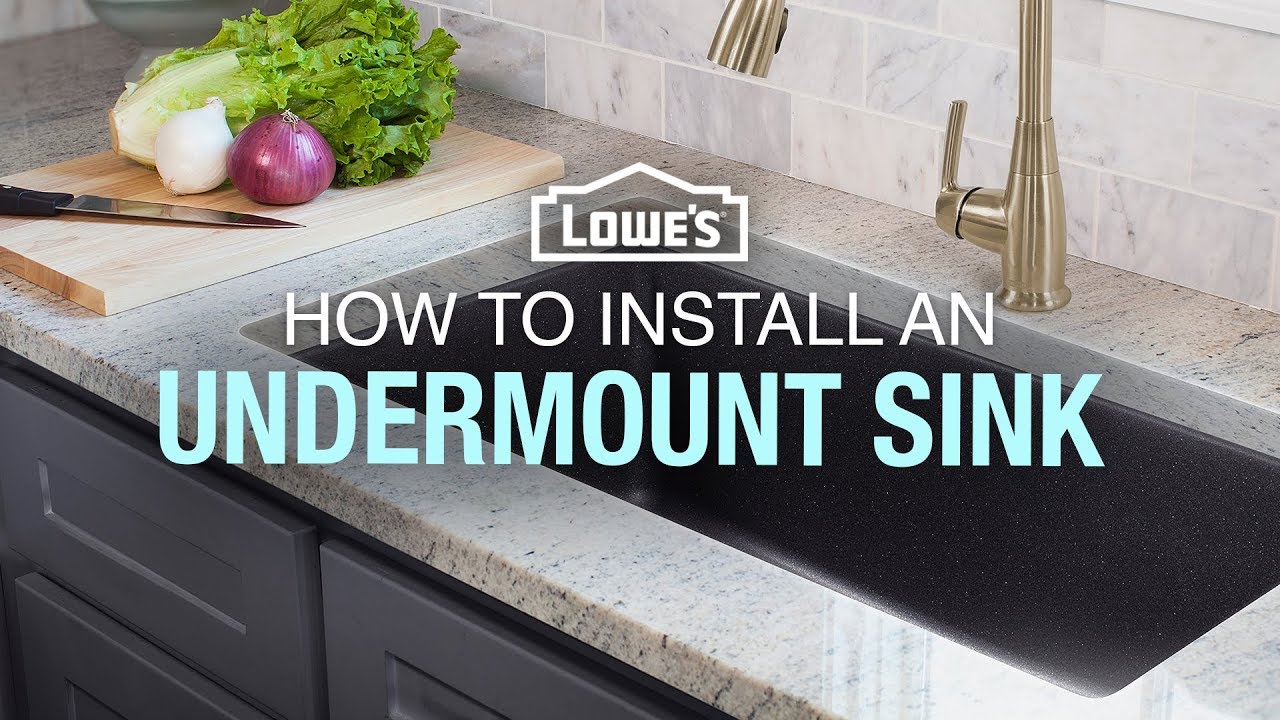
An undermount kitchen sink is installed beneath the countertop, not on top of it. The rim of the sink is hidden, so the countertop extends right to the sink’s edge. This design makes wiping crumbs or spills directly into the sink easy, with no raised lip in the way. Undermount sinks are most common with stone countertops like granite, quartz, or marble, because these materials are strong enough to support the sink’s weight.
Choosing The Right Undermount Sink
Before starting, it’s important to select a sink that fits your needs and countertop.
Size And Material
Undermount sinks come in many sizes. Measure your cabinet width and check the countertop cutout size. Most kitchen sinks range from 24–36 inches wide. Stainless steel is the most popular material, but you’ll also find sinks made of granite composite, porcelain, and copper. Stainless steel is light and durable, while granite composite offers a unique look but is heavier.
| Material | Pros | Cons |
|---|---|---|
| Stainless Steel | Lightweight, affordable, easy to clean | Can scratch, noisy |
| Granite Composite | Stylish, durable, scratch-resistant | Heavy, more expensive |
| Porcelain | Classic look, easy to clean | Can chip, heavy |
| Copper | Unique appearance, antimicrobial | Requires maintenance, expensive |
Sink Depth And Configuration
Depth affects comfort and usability. Standard sinks are 8–10 inches deep. Deeper sinks hold more dishes but may strain your back. Single-bowl sinks are easier to install, while double-bowl sinks offer more flexibility for washing and rinsing.
Credit: www.youtube.com
Tools And Materials Needed
You’ll need the right tools and materials for a secure installation:
- Undermount sink
- Silicone sealant
- Mounting brackets/clips
- Drill
- Screwdriver
- Measuring tape
- Level
- Painter’s tape
- Alcohol or acetone for cleaning
- Wrench for plumbing connections
Some sink kits include mounting hardware. If not, purchase brackets that match your countertop material.
Preparing Your Countertop
Undermount sinks require a precise cutout in the countertop. Most new countertops are cut at the factory, but you may need to make adjustments if replacing a sink.
Checking The Cutout
Place the sink upside down on the countertop. Mark the outline with painter’s tape. The cutout should be slightly smaller than the sink rim, usually by ⅛–¼ inch. If your countertop needs cutting, use a professional installer or specialized tools, especially for stone surfaces.
Cleaning And Dry Fitting
Clean the cutout area with alcohol or acetone to remove dust and grease. Dry fit the sink to check alignment. Make sure it sits flat and matches the plumbing location.

Credit: www.ruvati.com
How To Install An Undermount Kitchen Sink
Follow these steps for a secure and neat installation:
Step 1: Position The Sink
Place the sink under the countertop, centered in the cutout. Use a level to ensure it’s straight. Adjust the position until you’re satisfied. Double-check that the sink aligns with the faucet holes and plumbing.
Step 2: Apply Silicone Sealant
Apply a generous bead of silicone sealant around the sink rim. This creates a watertight seal and helps hold the sink in place. Do not use plumber’s putty—silicone is more flexible and durable for undermount sinks.
Step 3: Secure With Mounting Brackets
Attach mounting brackets or clips to the countertop, following the sink manufacturer’s instructions. Tighten screws gently. Do not overtighten, as this can crack stone countertops or deform the sink rim. Most sinks need 4–8 brackets for support.
| Bracket Type | Best For | Installation Difficulty |
|---|---|---|
| Metal Clips | Granite, Quartz | Medium |
| Epoxy + Brackets | Marble, Composite | High |
| Undermount Rails | Stainless Steel, Laminate | Easy |
Step 4: Wait For Sealant To Cure
Most silicone sealants need 24 hours to cure fully. Avoid using the sink during this time. If possible, support the sink from below with wood or a bucket until the sealant dries.
Step 5: Connect Plumbing
Reconnect the faucet, drain, and water lines. Use a wrench to tighten connections. Check for leaks by running water and inspecting all joints.
Common Mistakes And How To Avoid Them
Many beginners make errors when installing undermount sinks. Here are key mistakes to watch out for:
- Using the wrong sealant: Only use silicone, not plumber’s putty or caulk.
- Incorrect bracket placement: Brackets must be evenly spaced for support.
- Rushing the curing time: Wait at least 24 hours before using the sink.
- Not leveling the sink: Check with a level before securing brackets.
- Cutting the countertop incorrectly: If you’re unsure, hire a pro for stone surfaces.
Many DIYers skip cleaning the rim or cutout area, which can cause poor adhesion. Always clean surfaces thoroughly before applying sealant.
Undermount Sink Vs Drop-in Sink
Understanding the difference between undermount and drop-in sinks can help you make the right choice. Here’s a comparison:
| Feature | Undermount Sink | Drop-In Sink |
|---|---|---|
| Installation Difficulty | Hard | Easy |
| Cleaning | Easy | Hard (crumbs get stuck) |
| Countertop Compatibility | Stone, Solid Surface | All types |
| Look | Sleek, Modern | Classic, Visible Rim |
| Price | Higher | Lower |
Undermount sinks offer a clean look and easier cleaning, but require careful installation and strong countertops. Drop-in sinks are simpler and fit almost any material.
Practical Tips For A Professional Finish
Achieving a perfect undermount sink install takes patience. Here are some practical tips:
- Use painters tape to mark the cutout and protect the countertop.
- Ask a helper to hold the sink during installation, especially for heavy sinks.
- Check the edge reveal—the amount of countertop exposed around the sink. Most pros recommend an ⅛ inch reveal.
- If your countertop is uneven, use shims to level the sink before tightening brackets.
- For granite or marble, avoid drilling new holes. Use existing bracket holes to prevent cracks.
A non-obvious insight: Many installers create a custom template from cardboard to check fit and edge reveal before installing. This saves time and avoids mistakes.
When To Call A Professional
If your countertop is stone or composite, or if you feel unsure about cutting or supporting the sink, hire a professional. Improper installation can lead to leaks, cracks, or even sink collapse. Most pros charge $200–$500 for undermount sink installation, depending on complexity.
Maintenance After Installation
Once your sink is installed, regular maintenance will keep it looking good and prevent issues.
- Clean the sealant edge weekly with a soft cloth.
- Avoid harsh chemicals around the rim.
- Check brackets every few months for loosening.
- If you notice leaks or movement, re-tighten brackets or reapply sealant.
A second non-obvious insight: Mineral deposits can build up at the rim over time, especially with hard water. Use a vinegar solution to clean deposits gently.

Credit: www.youtube.com
Frequently Asked Questions
How Long Does It Take To Install An Undermount Kitchen Sink?
Most installations take 3–6 hours, depending on countertop material and plumbing complexity. Stone countertops may require more time for careful handling.
Can I Install An Undermount Sink On Laminate Countertops?
It is possible, but not recommended. Laminate is softer and may not support the weight. Stone or solid surface countertops are best for undermount sinks.
What Is The Best Sealant For Undermount Sinks?
Use 100% silicone sealant. It stays flexible, resists water, and lasts longer than caulk or putty.
How Do I Remove An Undermount Sink?
Disconnect plumbing, unscrew brackets, and cut the sealant with a utility knife. Carefully lower the sink. Do not pry, as this can damage the countertop.
What Is The Typical Cost Of Undermount Sink Installation?
Professional installation costs $200–$500. DIY installation is cheaper, but you must buy brackets, sealant, and tools.
Installing an undermount kitchen sink can transform your kitchen’s look and functionality. With careful planning, the right tools, and attention to detail, you can achieve a professional result. If you have doubts about countertop cutting or mounting, don’t hesitate to consult a pro. For more technical guidance, check resources like Home Depot. Whether you install it yourself or hire help, a well-fitted undermount sink will make kitchen cleaning easier and add lasting value.