Skip to content
Why Rice Cookers Take So Long
A rice cooker can be a small kitchen hero, turning hard grains into fluffy rice with almost no effort. But if you’ve ever stood hungry, staring at your cooker’s little red light, you’ve probably asked yourself: why does this simple machine take so long? Shouldn’t cooking rice be fast and easy? The answer is more complex than you might think.
Understanding why rice cookers need time helps you cook better, plan meals smarter, and avoid frustration. This guide explains exactly what’s happening inside your rice cooker, why it isn’t an instant process, and what you can (and can’t) do to make it faster.
You’ll see it’s not just about the machine—it’s about water, rice type, heat, and even science you can’t see. Let’s dive in.
How A Rice Cooker Works
A rice cooker might look simple, but inside it’s carefully designed to cook rice the right way every time. Here’s what happens when you press “start”:
- Heating Plate Activates: The cooker’s bottom plate heats up. This warms the bowl with the rice and water inside.
- Water Absorbs Heat: The water heats slowly to boiling (212°F / 100°C).
- Rice Absorbs Water: As water boils, rice grains soak up water and soften.
- Temperature Sensor: The cooker uses a sensor to check when all the water is gone.
- Switch to ‘Warm’ Mode: When water is absorbed or evaporated, the temperature rises above boiling, and the cooker switches off cooking.
This system works for all types of rice, but it takes time for the heat to move evenly, the water to boil, and the rice to absorb moisture.
Main Reasons Rice Cookers Take So Long
Let’s break down the main factors that influence cooking time in your rice cooker.
1. Heat Transfer Is Gentle And Even
Rice cookers are designed for gentle heat. Unlike a pot on high heat, a rice cooker spreads heat slowly and evenly to avoid burning the bottom of the rice or leaving the top undercooked. This gentle approach means that rice takes longer to cook but comes out soft and fluffy.
Non-obvious insight: Fast cooking often leads to burnt or uneven rice. The cooker’s slower process prevents this by allowing all grains to cook at the same rate.
2. Water Needs Time To Absorb
Cooking rice isn’t just about boiling water. The grains must absorb water, swell, and soften. This process can’t be rushed—too fast, and you get hard or mushy rice. Most rice cookers use a standard water-to-rice ratio (usually 1.5 to 2 cups water per cup of rice), which takes time for the rice to drink up.
Data point: A typical rice cooker takes 25–40 minutes for white rice, and 45–60 minutes for brown rice.
3. Temperature Is Controlled For Safety
Rice cookers use a thermostat to keep the temperature steady. They rarely go above 212°F (100°C), the boiling point of water. This prevents overcooking and keeps the appliance safe for home use. Faster heating would be riskier and could ruin the rice.
4. Type And Amount Of Rice Matter
Different types of rice cook at different speeds. For example, white jasmine rice cooks faster than brown or wild rice. Cooking more rice at once also increases the time since it takes longer for all grains to heat evenly.
Here’s a quick comparison:
| Rice Type | Average Cooking Time | Water Needed (per cup of rice) |
|---|---|---|
| White Rice | 25–40 minutes | 1.5–2 cups |
| Brown Rice | 45–60 minutes | 2–2.5 cups |
| Basmati Rice | 30–35 minutes | 1.5 cups |
| Wild Rice | 60–70 minutes | 2.5–3 cups |
5. Soaking And Pre-washing Steps
Some rice cookers recommend soaking rice before cooking, especially for brown or sticky rice. Soaking adds extra time but improves texture. Pre-washing rice removes surface starch, which can prevent sticking but also slightly cools the rice before cooking starts.
6. Power And Wattage Of Rice Cooker
Not all rice cookers are the same. Higher wattage cookers (700–1000W) can heat faster, but most home cookers are lower wattage (300–700W) for safety and energy savings. Lower power means slower cooking.
Compare wattage and time:
| Cooker Wattage | Approx. Cooking Time (White Rice, 2 Cups) |
|---|---|
| 350W | 35–40 minutes |
| 700W | 25–30 minutes |
| 1000W | 20–25 minutes |
Non-obvious insight: Many people think “bigger is faster,” but high-powered cookers can dry rice if not carefully designed. That’s why even expensive cookers sometimes take their time.
Credit: zojirushiamerica5787.zendesk.com
Other Factors That Add To Cooking Time
Altitude And Air Pressure
At higher altitudes, water boils at lower temperatures. This means rice takes longer to cook because the water isn’t as hot. If you live in a mountain area, add a few extra minutes to your cooking time.
Lid Design And Steam Release
Some rice cookers have tight lids to keep steam in, while others release steam. Less steam escaping means more consistent cooking but also takes a bit longer.
Keeping Warm And Resting Periods
After cooking, many rice cookers automatically keep rice warm for up to 12 hours. Some also add a short “rest” period—a few minutes where the rice sits in the cooker before the “done” signal. This step improves texture but adds 5–10 minutes.
Common Myths And Mistakes
Many people believe they can “hack” their rice cooker to speed it up, but these shortcuts often lead to problems.
- Adding less water: This seems faster but results in undercooked, crunchy rice.
- Opening the lid: Lifting the lid to check progress lets heat escape and extends cooking time.
- Using “quick cook” settings: Some advanced cookers offer this, but the rice often comes out less fluffy.
If you want reliable results, let the cooker do its job.
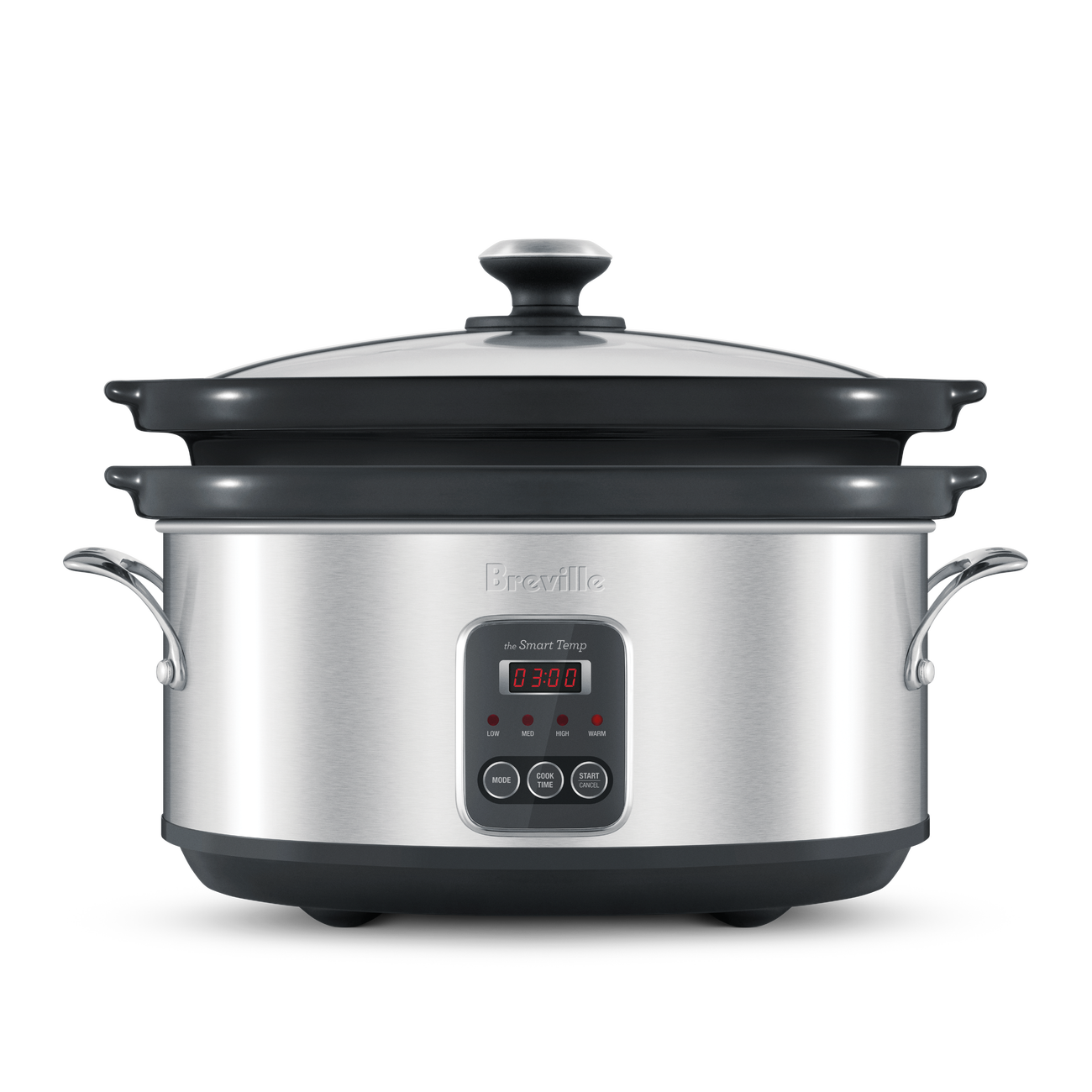
Credit: www.breville.com
Why Rice Cooker Cooking Is Worth The Wait
You might wonder if the wait is really necessary. Here’s why rice cookers have the edge over faster methods:
- Consistent results: Even cooking, no burnt grains at the bottom.
- Hands-free operation: Set it and forget it, freeing you to do other tasks.
- Energy efficient: Uses less power than boiling a big pot on the stove.
- Keeps rice warm: After cooking, the rice stays ready for hours without drying out.
Experience-based tip: If you want to speed up meal prep, start your rice cooker first, then prepare other dishes while the rice cooks. This way, the wait doesn’t feel long.
Can You Make A Rice Cooker Faster?
While you can’t break the laws of cooking, you can sometimes shave off a few minutes.
- Use hot water: Starting with hot tap water (instead of cold) can cut several minutes from the heating phase.
- Soak rice ahead: For brown rice, soaking for 30 minutes before cooking helps reduce cooking time.
- Choose smaller batches: Cooking less rice at once is always faster.
- Invest in a high-wattage cooker: If speed is critical, look for cookers with more power, but check reviews to make sure rice quality is still high.
However, don’t expect miracles. Most of the time is needed for the rice itself to absorb water and soften, which simply takes time.
How Rice Cookers Compare To Other Methods
Wondering if another tool is faster? Here’s a comparison of rice cooker time vs. other methods for 2 cups of white rice:
| Method | Cooking Time | Hands-On Time | Result |
|---|---|---|---|
| Rice Cooker | 25–35 min | 2 min | Even, fluffy |
| Stovetop (Pot) | 18–25 min | 10 min | Can burn/stick |
| Instant Pot (Pressure) | 15–20 min* | 5 min | Good, but texture varies |
| Microwave | 15–20 min | 5 min | Often uneven |
\*Note: Instant Pots have additional time for pressurizing and depressurizing, so “total” time can be longer.
Choosing The Right Rice Cooker For Your Needs
If you’re thinking of getting a new rice cooker or want to speed up your routine, here’s what matters:
- Capacity: Small cookers (3–5 cups) heat faster than large ones (10–20 cups).
- Wattage: Higher wattage means more power but can be less energy efficient.
- Fuzzy logic/microcomputer: Some advanced cookers monitor rice and adjust cooking, which can take longer but improves quality.
- Quick cook settings: Useful for when you need rice fast, but may affect texture.
- Multi-functionality: Some cookers can steam vegetables or cook porridge, which may add to the overall cooking time.
Buyer mistake: Many people buy a large cooker, thinking it will be faster or more versatile. Instead, it often takes more time for small batches.
:max_bytes(150000):strip_icc()/sea-tier-3-hamilton-beach-digital-programmable-rice-cooker-ahuang-127-4920faa05169437796e2877ad1da0613.jpeg)
Credit: www.seriouseats.com
When Is Slow Cooking Actually Better?
Patience pays off with rice cookers. Slow, even heat does more than just cook rice—it improves texture, flavor, and digestibility. For certain types like sushi rice or brown rice, a slow approach brings out the best taste and nutrition.
Practical tip: If you want perfect rice for sushi or fried rice, let the rice “rest” in the cooker for 10 minutes after the cooking cycle ends. This lets excess moisture evaporate and the grains firm up.
Frequently Asked Questions
Why Does Brown Rice Take Longer In A Rice Cooker?
Brown rice has a tough outer bran layer that takes longer to soften. It needs more water and time to absorb moisture, which is why rice cookers require 45–60 minutes for brown rice compared to 25–40 minutes for white rice.
Does The Amount Of Rice Affect Cooking Time?
Yes, cooking a larger amount of rice takes longer. The heat has to travel through more grains and water, slowing the process. For fastest results, cook smaller batches.
Can I Use Less Water To Speed Up Cooking?
Using less water will shorten cooking time, but your rice will be undercooked, hard, or burnt. Proper texture comes from the right water-to-rice ratio, so don’t reduce it to save time.
Will A More Expensive Rice Cooker Be Faster?
Not always. Expensive rice cookers often use advanced technology to monitor and adjust heat for the best texture, which can take extra time. Speed isn’t always the top feature in high-end models. Always check reviews and specs before buying.
Is There A Way To Cook Rice Faster Without A Rice Cooker?
Yes, you can use a microwave or pressure cooker for faster rice, but the texture may not be as even or fluffy. For the best balance of speed and quality, try a pressure cooker, as explained by the Serious Eats guide.
Rice cookers may test your patience, but their slow, steady process delivers rice that’s consistently delicious. Once you understand the reasons behind the wait, you may find that the extra time is a small price for perfect rice every meal.