Electric skillets are a favorite in many kitchens. They cook food evenly, save time, and are easy to use. But one common problem is food sticking to the surface. Sticky food can ruin your meal, make cleaning harder, and even damage your skillet over time.
If you’re tired of scraping eggs or pancakes off the pan, you’re not alone. Many people struggle with this issue, especially beginners or those with older appliances. The good news? With the right methods and a bit of knowledge, you can keep your electric skillet non-stick and enjoy hassle-free cooking.
This guide will help you understand why food sticks, what you can do to prevent it, and how to keep your skillet in top condition. We’ll cover practical tips, common mistakes, and expert advice, so you can cook confidently and clean up easily.
Whether you’re making breakfast, stir-fry, or grilled cheese, these techniques will help you get perfect results every time.
Why Does Food Stick In Electric Skillets?
Understanding the cause of sticking is key to prevention. Most electric skillets use a non-stick coating (like Teflon), but food still sticks if you use it incorrectly or if the coating wears out.
Main Causes Of Sticking
- High Heat: Cooking at too high a temperature can cause proteins and sugars in food to bind to the skillet.
- Damaged Non-Stick Surface: Scratches or worn coating loses its non-stick ability.
- Insufficient Oil or Butter: A dry surface lets food attach directly to the metal.
- Cold Skillet: Adding food before the skillet is hot can cause sticking.
- Residue Build-Up: Old food or oil residue creates a sticky layer.
Even quality skillets can develop sticking issues if not used or cleaned properly. Knowing these causes helps you avoid them.
Choosing The Right Electric Skillet
The type and quality of your skillet affect how easily food sticks. Investing in the right model makes a big difference.
Key Features To Look For
| Feature | Why It Matters | Example |
|---|---|---|
| Non-Stick Coating | Prevents sticking, makes cleaning easy | PTFE (Teflon), ceramic |
| Temperature Control | Lets you cook at precise heat | Dial or digital panel |
| Even Heating | Reduces hot spots that cause sticking | Heavy base, quality heating element |
| Easy Cleaning | Removable parts or dishwasher safe | Detachable pan, smooth surface |
Non-obvious insight: Ceramic-coated skillets usually resist sticking better than older Teflon models, especially as they age. Also, larger skillets distribute heat more evenly, reducing sticky spots.
Comparing Popular Skillet Types
| Type | Stick Resistance | Durability | Price Range |
|---|---|---|---|
| Teflon | High (when new) | Medium | $30-$80 |
| Ceramic | Very High | High | $50-$120 |
| Stainless Steel | Low (needs seasoning) | Very High | $40-$100 |
If you want less sticking, choose ceramic or a new Teflon skillet. Stainless steel needs seasoning and skill to avoid sticking.
Preparing Your Electric Skillet For Cooking
Proper preparation is the first line of defense against sticky food. Even the best skillet needs care before use.
Cleaning Before Cooking
Always start with a clean skillet. If you see old oil or food bits, wipe them away. Use mild soap and a soft sponge. Avoid abrasive pads—they scratch the coating.
Tip: Some people skip cleaning between uses, but even tiny bits can make food stick. Make it a habit to clean the skillet after every meal.
Preheating Matters
Most beginners add food before the skillet is hot. This is a common mistake. Preheat your skillet for 2-5 minutes. When water droplets sizzle and evaporate quickly, it’s ready.
Expert advice: Preheating helps oil spread evenly and fills tiny pores in the coating, creating a true non-stick barrier.
Applying Oil Or Butter
Oil is your friend against sticking. Use a neutral oil (like canola, vegetable, or grapeseed) or butter. Spread a thin, even layer across the surface.
How much oil?
- For eggs or pancakes: 1 teaspoon
- For meat or stir-fry: 1-2 tablespoons
Too much oil can make food greasy, but too little lets food attach directly to the pan.
Cooking Techniques That Prevent Sticking
How you cook matters as much as the skillet itself. Follow these proven methods for the best results.
Control Your Temperature
Electric skillets heat quickly. Don’t rush—start at medium or low, then raise heat if needed.
Common mistake: Cooking at max heat to “save time.” This leads to burning and sticking, especially with delicate foods.
Example:
- For eggs: 300–325°F
- For pancakes: 325–350°F
- For chicken: 350–375°F
Check your skillet’s manual for recommended temperatures. If you don’t have a manual, use these ranges.
Add Food At The Right Time
Only add food when the skillet is hot and oil is shimmering. If you add it too soon, food may stick because the oil hasn’t formed a barrier.
Practical tip: After preheating, tilt the skillet gently. If the oil moves freely, it’s ready.
Don’t Overcrowd The Pan
Crowded skillets lower the temperature and cause steam, making food stick.
Expert advice: Leave space between pieces. For stir-fry, cook in batches. For pancakes, leave at least 1 inch between each.
You might find this helpful: Electric Skillets for Pancakes
Flip Or Stir Carefully
Use a silicone or wooden spatula. Metal tools scratch the coating and create sticky spots.
Let food cook until it releases easily. If it’s sticking, wait a bit longer—most foods release once they’re cooked on one side.
Example:
- For eggs, wait until the edges firm up before flipping.
- For meat, wait until a brown crust forms.
Cooking Sticky Foods
Some foods are naturally sticky, like eggs, fish, or pancakes. Use extra oil and lower heat for these. For fish, dust lightly with flour before cooking. For pancakes, use a non-stick spray or butter.
Non-obvious insight: For cheese-heavy foods (like grilled cheese), wipe the skillet between batches. Cheese residue causes sticking.
Maintaining Your Electric Skillet
Maintenance keeps your skillet non-stick and extends its life. Most sticking problems start with poor care.
Cleaning After Each Use
Let the skillet cool, then wipe with a soft sponge and mild soap. Don’t soak the pan unless the manual allows it. Dry thoroughly.
Avoid:
- Steel wool
- Abrasive pads
- Harsh chemicals
These damage the non-stick coating and make food stick.
Removing Stubborn Residue
If food sticks, fill the cooled skillet with warm water and a few drops of dish soap. Let it soak for 15–30 minutes, then wipe gently.
For tough spots, use a nylon scrubber or baking soda paste. Avoid forceful scrubbing.
Seasoning Stainless Steel
If you have a stainless steel skillet, season it before use. Rub a thin layer of oil, heat to 350°F, then wipe away excess. This fills pores and prevents sticking.
Non-obvious insight: Seasoning works for stainless steel but not for coated non-stick pans. Doing this on Teflon or ceramic can damage them.
Storing Properly
Store your skillet in a dry place. Avoid stacking heavy pots on it. If you must stack, place a soft cloth or paper towel between pans to protect the coating.
Checking For Wear And Tear
Every few months, check your skillet for scratches, chips, or worn coating. If the surface is damaged, food will stick no matter what you do.
Expert advice: Replace the pan if coating is flaking or deeply scratched. Cooking on damaged non-stick surfaces is unsafe.
Using The Right Utensils
Choosing the proper utensils reduces sticking and protects your skillet.
Utensil Materials
| Material | Safe for Non-Stick? | Durability | Cost |
|---|---|---|---|
| Silicone | Yes | High | $5–$15 |
| Wood | Yes | Medium | $3–$10 |
| Plastic | Yes (if heat-resistant) | Medium | $2–$8 |
| Metal | No | High | $4–$12 |
Silicone is best for electric skillets. It’s heat-resistant, gentle, and lasts a long time.
Utensil Care
Wash utensils after each use. Don’t leave them in the skillet while cooking—they can melt or warp if not heat-resistant.
Common Mistakes That Cause Food Sticking
Even experienced cooks make mistakes. Avoid these for a better cooking experience.
- Using Metal Tools: Scratches the coating and creates sticky spots.
- Skipping Preheating: Oil doesn’t spread, food sticks.
- Low-Quality Oil: Some oils burn easily and leave sticky residue.
- Cooking Wet Food: Excess moisture lowers temperature and encourages sticking.
- Forgetting to Clean: Residue builds up and ruins the non-stick surface.
Non-obvious insight: Using old or expired oil can make food stick, even in a brand-new skillet.
Tips For Cooking Specific Foods
Different foods have different sticking risks. Here’s how to handle common items:
Eggs
- Use medium heat (300–325°F)
- Apply a thin layer of oil or butter
- Don’t flip too soon—wait for edges to firm
Pancakes
- Preheat fully
- Use non-stick spray or butter
- Wait for bubbles before flipping
Meat
- Dry meat before cooking
- Use enough oil (1–2 tablespoons)
- Let meat sear and release naturally
Fish
- Coat lightly with flour or cornmeal
- Cook at lower heat
- Use extra oil
Cheese-based Foods
- Clean skillet between batches
- Use butter or oil
- Remove stuck cheese with a soft spatula
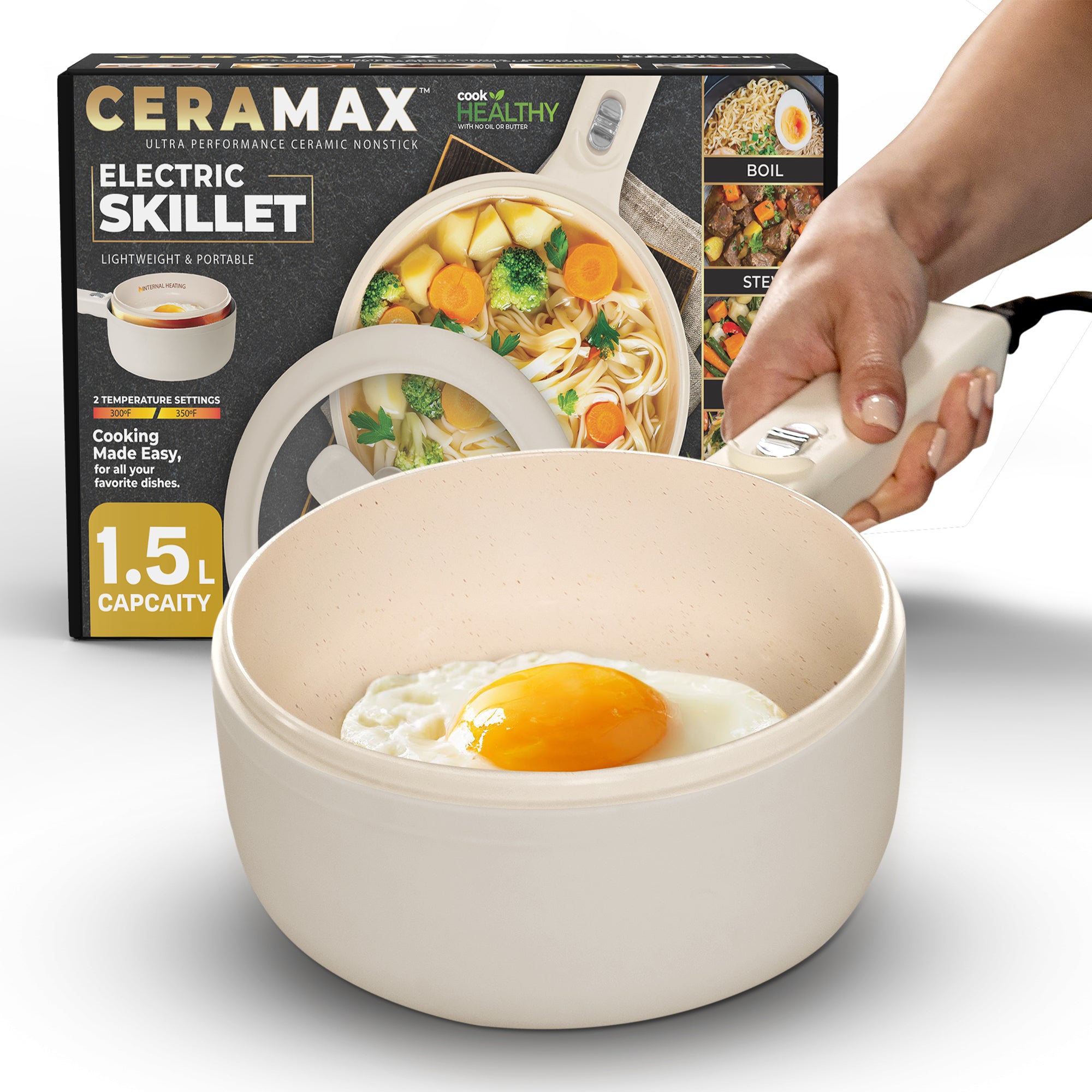
Credit: granitestone.com
Troubleshooting Sticky Situations
If food sticks, don’t panic. Here’s what you can do:
During Cooking
- Lower the heat
- Add a bit more oil around the edges
- Gently loosen food with a silicone spatula
After Cooking
- Soak the pan in warm, soapy water
- Use a nylon scrubber for gentle cleaning
- Avoid scraping—this damages the coating
Non-obvious insight: If you see smoke from the skillet, stop cooking and let it cool. Smoking oil means the pan is too hot and food will stick.
Keeping Your Skillet Non-stick Long-term
Preventing sticking isn’t just about one meal. Consistent care keeps your skillet performing well.
Regular Maintenance
- Clean after every use
- Check for scratches monthly
- Use proper utensils
- Store carefully
Upgrading When Needed
Even the best skillet wears out. If your food sticks despite good care, consider buying a new one. Look for improved coatings or features.
Expert tip: Buying a quality skillet saves money and frustration in the long run.
Credit: www.amazon.com
Extra Tricks And Advanced Tips
Want to go further? These tricks help even with tricky foods.
Oil Temperature Matters
Heat oil until it shimmers but doesn’t smoke. If oil starts smoking, it’s too hot—food will burn and stick.
Use Parchment Paper
For extra protection, line the skillet with parchment paper. This works for pancakes, eggs, and delicate items.
Cooking Spray
Non-stick cooking sprays are quick and easy. They coat the surface evenly. Don’t overuse—too much spray leaves residue.
Double Oil Method
For extra sticky foods, use both oil and butter. Oil prevents sticking, butter adds flavor.
Non-stick Renewal Products
Some brands sell sprays or wipes to “renew” your skillet’s coating. Use only as directed, and avoid unknown brands.
Frequently Asked Questions
Can I Use Metal Utensils In My Electric Skillet?
No. Metal utensils scratch the non-stick coating and cause food to stick. Always use silicone, wooden, or heat-resistant plastic tools.
How Often Should I Replace My Electric Skillet?
Replace your skillet if the non-stick coating is scratched, chipped, or peeling. Most skillets last 2–5 years with proper care.
Is It Safe To Use Cooking Spray On A Non-stick Skillet?
Yes, but use sparingly. Too much cooking spray leaves a sticky residue. Wipe the skillet after every use to prevent build-up.
What Should I Do If Food Keeps Sticking Even After Following These Tips?
Check your skillet for damage or wear. If the surface is scratched or worn, food will stick no matter what. Consider upgrading to a new model.
Are Ceramic Skillets Better For Preventing Sticking?
Ceramic skillets resist sticking well, especially when new. They are more durable than older Teflon pans and easier to clean. For long-term non-stick performance, ceramic is a good choice. For more details on skillet materials, see Wikipedia.
Cooking with an electric skillet should be easy and enjoyable. By choosing the right skillet, preparing it properly, and using correct cooking techniques, you can prevent food from sticking and keep your appliance working smoothly. Take care of your skillet, avoid common mistakes, and you’ll enjoy perfect meals every time.
With these tips, sticky food will be a thing of the past.
Credit: www.ebay.com