Cutting vegetables quickly with a chef knife is a skill that every home cook can master. Imagine prepping a salad, stir-fry, or soup in half the time it used to take. You’ll not only save precious minutes but also enjoy more consistent, attractive results. Many people believe that speed in the kitchen means sacrificing safety or neatness, but the truth is that technique and the right habits make all the difference.
If you’ve ever watched a professional chef glide through a pile of carrots or onions, you know there’s a method behind the magic. The good news: you don’t need years of experience to get much faster. With the right tips, a little practice, and a quality chef knife, you can transform your vegetable prep routine.
Why Speed Matters In Vegetable Prep
Fast vegetable cutting is not just about saving time. Efficiency helps keep your vegetables fresher, especially if you’re prepping in advance. Quick, confident cuts also reduce fatigue and make cooking more enjoyable. If you’re working with a dull knife or poor technique, you risk injury and produce uneven pieces that cook at different rates. Learning to cut faster with a chef knife brings:
- Consistent results: Even slices for even cooking
- Less waste: Cleaner cuts mean less thrown-out food
- Better presentation: Dishes look more professional
Mastering this skill can help you prepare meals more often at home, leading to healthier eating habits.
Choosing The Right Chef Knife
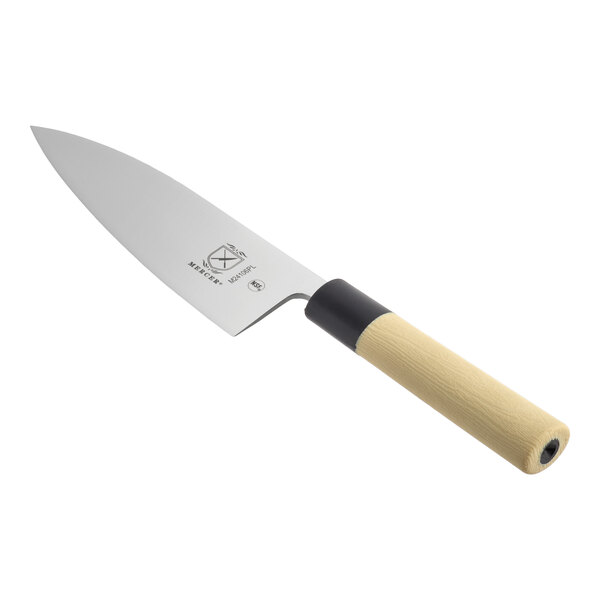
The chef knife is the workhorse of the kitchen. Not all knives are equal, and the wrong knife can slow you down or make cutting dangerous.
| Feature | What to Look For | Why It Matters |
|---|---|---|
| Blade Length | 8-10 inches | Gives enough space for long cuts |
| Blade Material | High-carbon stainless steel | Stays sharp, resists rust |
| Handle Comfort | Ergonomic, non-slip grip | Reduces fatigue and accidents |
| Balance | Even weight between handle and blade | Improves control and speed |
A sharp chef knife is always faster. Dull knives force you to push harder, which slows you down and increases the risk of slipping. Spend a few minutes each week sharpening your knife with a whetstone or honing rod.

Credit: www.amazon.com
Setting Up For Speed
Before you start cutting, set up your workspace for maximum efficiency. Small changes here can make a big difference.
- Clear your cutting board. Remove any scraps or peels to prevent slipping.
- Use a large board. More space means faster movement and less crowding.
- Group vegetables by type. Chop all your onions, then all your carrots, instead of switching back and forth.
- Keep a bowl for scraps nearby. This keeps your board clear and your workflow smooth.
Professional kitchens call this setup mise en place—everything in its place.
Mastering The Knife Grip
How you hold your knife affects both speed and safety. Many beginners grip the handle with their whole hand, which limits control. Try the pinch grip:
- Pinch the blade (not the handle) where it meets the handle with your thumb and index finger.
- Wrap your other three fingers around the handle.
- Your hand should feel balanced and stable.
The pinch grip gives you better control for fast, precise cuts. Practice this grip with the knife off the board until it feels natural.
The Claw: Protecting Your Fingers
Your non-cutting hand is just as important. Use the claw grip to hold vegetables:
- Tuck your fingertips under, resting your knuckles against the side of the knife blade.
- Curl your fingers so only your knuckles are exposed.
- Move your hand slowly back as you cut, keeping the knife in contact with your knuckles as a guide.
This position protects your fingers and lets you move quickly without fear. It may feel awkward at first, but with practice, it becomes second nature.
Essential Cutting Techniques For Speed
Speed comes from using the right technique for each vegetable. Here are the most useful methods:
Rock Chop
This is the classic chef’s motion. Place the tip of the knife on the board and keep it there as you chop, rocking the blade up and down over the food. It’s perfect for:
- Herbs
- Leafy greens
- Garlic
Push Cut
Lift the whole blade off the board, then push down and slightly forward in one motion. This works well for:
- Root vegetables (carrots, potatoes)
- Firm produce (cucumbers, zucchini)
Pull Cut
Pull the knife toward you as you slice, using a smooth motion. It’s best for:
- Tomatoes
- Mushrooms
- Soft vegetables
Julienne And Dice
For even strips or cubes, stack and slice vegetables into planks, then sticks, then crosswise into cubes. Use the rock chop or push cut for each step.
| Technique | Best For | Speed Level |
|---|---|---|
| Rock Chop | Herbs, greens | Fast |
| Push Cut | Carrots, potatoes | Very Fast |
| Pull Cut | Tomatoes, mushrooms | Moderate |
| Julienne/Dice | Carrots, peppers | Moderate to Fast |

Credit: www.innow.org
Prepping Vegetables For Faster Cutting
Some vegetables take longer to cut because of their shape or skin. Smart preparation speeds things up:
- Peel tough skins (like carrots or potatoes) before cutting.
- Cut large vegetables in half for more stability.
- Stack leafy greens for faster chopping.
- Square off round vegetables (like potatoes) by cutting a flat base before slicing.
If you’re working with onions, cut them in half first, peel, then make horizontal and vertical cuts before slicing down.
Common Mistakes That Slow You Down
Even experienced cooks make errors that slow their cutting speed. Watch out for these:
- Using a dull knife
- Crowding the cutting board
- Reaching for ingredients one at a time
- Ignoring the right cutting technique for the vegetable
- Chopping with the wrong grip
Another common mistake: moving the vegetable instead of the knife. Your guiding hand should move food slowly back, not reposition it each time.
Credit: www.webstaurantstore.com
Practicing For Speed And Accuracy
No one becomes fast overnight. Consistent practice is the key. Start with slow, careful cuts to build muscle memory. As you get comfortable, increase your speed. Try timing yourself—how long does it take to slice an onion or chop a carrot?
Set small goals, such as:
- Chopping 1 onion in 1 minute
- Dicing 2 carrots in under 2 minutes
These mini-challenges keep practice fun and track your progress.
Advanced Tips For Faster Cutting
If you’re ready for the next level, these tips can shave more seconds off your prep:
- Stack and Slice: Layer slices before cutting into sticks or dice.
- Cut Multiple Items at Once: For small vegetables like green onions, bundle them together.
- Use Gravity: Let the weight of the knife do most of the work.
- Keep the Tip Down: For small dice, keeping the tip of the knife on the board lets you move faster.
- Work with the Rhythm: Find a comfortable, repeatable motion—like a metronome.
A non-obvious insight: It’s not just about how fast your hand moves. Efficiency comes from reducing extra motions and keeping your workspace organized.
Knife Maintenance For Speed
A fast cut depends on a sharp blade. Many people overlook maintenance, but it’s crucial:
- Hone your knife before every use with a honing rod.
- Sharpen your knife regularly with a whetstone or have it professionally sharpened.
- Wash and dry your knife immediately after use.
- Store in a knife block or on a magnetic strip—never loose in a drawer.
A well-maintained knife is safer and requires less force, making every cut faster and smoother.
When To Use Other Tools
While the chef knife is the most versatile tool, sometimes a different tool is faster:
- Mandoline slicer: For paper-thin slices of cucumber or potato.
- Food processor: For large batches of chopped vegetables.
However, these tools come with their own risks and cleanup time. In most cases, good knife skills are faster and more practical for daily cooking.
Real-world Example: Speed Challenge
Let’s compare two approaches to prepping a vegetable stir-fry.
| Step | Beginner (No Technique) | With Chef Knife Skills |
|---|---|---|
| Chop onions | 2 minutes | 45 seconds |
| Slice peppers | 3 minutes | 1 minute |
| Julienne carrots | 4 minutes | 1.5 minutes |
| Total time | 9 minutes | 3.25 minutes |
With just a few hours of practice, most people can cut their prep time by two-thirds or more.
Safety First
Speed is pointless if you get hurt. Always focus on safe technique:
- Keep your knife sharp and clean.
- Use the pinch and claw grips.
- Pay attention—avoid distractions while cutting.
- If you drop your knife, let it fall. Never try to catch it.
With practice, safety and speed will go hand in hand.
Final Thoughts
Getting faster at cutting vegetables with a chef knife is about more than just moving your hands quickly. The right knife, good setup, smart technique, and regular practice all add up to real speed and better results in the kitchen.
You’ll find that cooking becomes more fun and less stressful when you spend less time on prep. Remember, even professional chefs started as beginners. With the tips above, a sharp knife, and a bit of focus, you’ll be slicing and dicing like a pro in no time.
For more about knife techniques and safety, check out the official Chef’s Knife Wikipedia page.
Frequently Asked Questions
How Do I Keep My Chef Knife Sharp?
Use a honing rod before each use to keep the edge aligned, and sharpen your knife with a whetstone or professional service every few months, depending on use.
What Is The Best Size Chef Knife For Cutting Vegetables?
An 8-inch chef knife is the most versatile for home cooks. It offers enough length for large vegetables but is easy to control for detailed work.
Is A Heavier Or Lighter Chef Knife Better For Speed?
Most people find a well-balanced, medium-weight knife is fastest. Too light, and you must use more force; too heavy, and you tire quickly.
How Can I Cut Round Vegetables Safely?
Cut a flat base on the vegetable first so it sits securely on the board. This stops rolling and makes fast, safe cutting possible.
Are There Vegetables That Should Not Be Cut With A Chef Knife?
Most vegetables are perfect for a chef knife. For very hard items (like butternut squash), a heavy-duty knife or cleaver may be safer and faster. Always use the right tool for the job.