Skip to content
Many people today use a sandwich maker for quick meals at home or work. With busy schedules, the sandwich maker is a handy appliance that promises tasty food in minutes. But is using a sandwich maker actually good for your health? This question matters because food choices impact your energy, weight, and long-term wellness. Let’s explore how sandwich makers affect health, nutrition, and daily habits, and see if they fit in a balanced lifestyle.
What Is A Sandwich Maker?
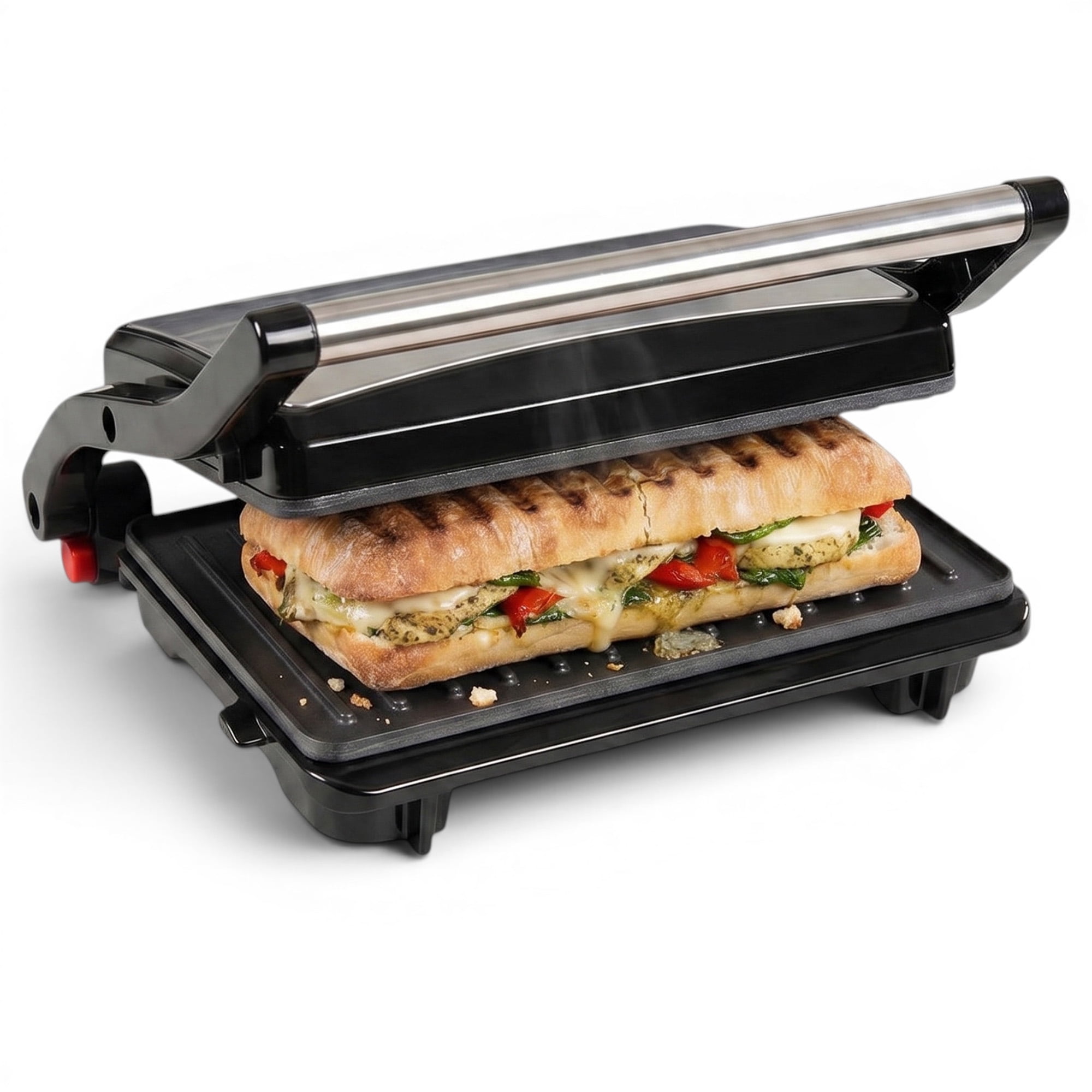
A sandwich maker is a small kitchen appliance. It usually has two heated plates that press and cook bread with fillings. Some models are called panini presses or grill sandwich makers. You place the sandwich inside, close the lid, and wait a few minutes. The sandwich comes out crispy and hot. This tool is popular because:
- It saves time.
- It is easy to clean.
- It works with many ingredients.
Most sandwich makers use electric heating, and the surface is often coated with non-stick material. Some advanced models allow you to grill vegetables, meat, or even make waffles.
Health Benefits Of Sandwich Maker Meals
Sandwich makers can be part of a healthy diet if used wisely. Here are some benefits:
1. Control Over Ingredients
Making your own sandwiches means you choose what goes inside. You can use whole grain bread, fresh vegetables, lean proteins, and less salt or fat. This is healthier than buying fast food or ready-made sandwiches, which often contain preservatives and high sodium.
2. Quick Healthy Meals
A sandwich maker can help you prepare a meal in 5–10 minutes. This reduces the temptation to eat junk food. For busy mornings, you can quickly make a protein-rich breakfast with eggs or beans.
3. Less Oil Needed
Most sandwich makers need little or no oil. The non-stick plates prevent sticking, so you avoid excess fat. Compared to frying, grilling in a sandwich maker can cut calories.
4. Portion Control
You decide the size and thickness of your sandwich. This makes it easier to manage calories and avoid overeating. Many nutritionists recommend portion control for weight management.
5. Encourages Home Cooking
Using a sandwich maker motivates people to cook at home. Home-cooked meals are usually healthier because you avoid hidden sugars, oils, and artificial flavors.
Potential Health Risks Of Sandwich Maker Use
While sandwich makers offer benefits, there are also health risks if not used carefully.
1. High-calorie Fillings
If you fill your sandwich with processed meats, cheese, and heavy sauces, calories and saturated fats rise quickly. Some studies show that eating processed meats (like ham, salami) increases heart disease risk.
2. White Bread And Refined Grains
Many people use white bread in sandwich makers. White bread is made from refined flour, which lacks fiber and nutrients. Eating too much refined grains can cause blood sugar spikes and contribute to weight gain.
3. Non-stick Coating Concerns
Most sandwich makers have non-stick surfaces. Overheating or scratching the coating may release chemicals like polytetrafluoroethylene (PTFE). While modern coatings are safer, damaged surfaces can pose health risks.
4. Lack Of Vegetable Variety
If sandwiches only contain bread and meat, you miss out on vegetable nutrients. Diets low in vegetables lack fiber, antioxidants, and vitamins.
5. Excess Sodium
Many popular sandwich fillings are high in sodium. Too much sodium increases blood pressure and risks of stroke.
Comparing Sandwich Maker Meals With Other Cooking Methods
To see if sandwich makers are healthy, compare them with other methods like frying, baking, or microwaving. Here is a comparison:
| Method | Oil Needed | Preparation Time | Nutrition Retained |
|---|---|---|---|
| Sandwich Maker | Minimal | 5-10 min | Good (depends on filling) |
| Frying | High | 10-15 min | Lower (due to oil) |
| Baking | Medium | 20-30 min | High |
| Microwave | None | 2-5 min | Varies |
Sandwich makers are often faster and need less oil than frying. Baking is healthier for some foods but takes longer.

Credit: salter.com
Making Healthier Sandwiches
A sandwich maker can be healthy if you follow a few smart strategies:
Choose Healthier Bread
- Use whole grain or multigrain bread for more fiber.
- Avoid white bread and sweetened rolls.
Add More Vegetables
- Fill your sandwich with tomatoes, spinach, bell peppers, or onions.
- Try roasted vegetables for extra flavor.
Pick Lean Proteins
- Use chicken breast, turkey, beans, tofu, or eggs.
- Limit processed meats like bacon or salami.
Watch The Cheese And Sauces
- Use low-fat cheese or skip cheese entirely.
- Choose yogurt-based spreads or mustard instead of mayonnaise.
Control Sodium
- Avoid salty meats and ready-made sauces.
- Add herbs, spices, or lemon juice for flavor.
Mind Your Portions
- Don’t overstuff the sandwich.
- One sandwich is usually enough for a meal.
Nutrition Data For Common Sandwich Maker Ingredients
Understanding the nutrition of typical fillings helps you make better choices. Here’s a comparison:
| Ingredient | Calories (per 100g) | Protein (g) | Fat (g) | Fiber (g) | Sodium (mg) |
|---|---|---|---|---|---|
| White Bread | 265 | 7 | 3 | 2 | 490 |
| Whole Grain Bread | 247 | 9 | 4 | 6 | 380 |
| Chicken Breast | 165 | 31 | 3.6 | 0 | 74 |
| Cheddar Cheese | 402 | 25 | 33 | 0 | 621 |
| Tomato | 18 | 0.9 | 0.2 | 1.2 | 5 |
From this data, whole grain bread and vegetables are better for fiber and lower sodium. Cheese and processed meats are high in fat and sodium.
Tips For Safe Sandwich Maker Use
There are a few practical steps to keep sandwich maker use healthy and safe:
- Clean the plates regularly to prevent old food residue or bacteria.
- Avoid scratching the non-stick surface. Use silicone or wooden tools.
- Do not overheat the sandwich maker. Follow the manufacturer’s instructions.
- Let sandwiches cool before eating to avoid mouth burns.
- Store leftovers safely. Refrigerate if not eating right away.
Real-life Examples: Healthy Sandwich Maker Recipes
Here are two simple recipes that show how to use a sandwich maker for healthy meals.
Veggie And Bean Sandwich
- 2 slices of whole grain bread
- 1/4 cup cooked black beans
- 2 slices tomato
- 1/4 cup spinach
- 1 teaspoon olive oil (optional)
Spread beans on bread, add tomato and spinach, brush lightly with olive oil, and grill for 5 minutes.
Chicken And Avocado Sandwich
- 2 slices multigrain bread
- 50g grilled chicken breast
- 3 slices avocado
- 1 slice red onion
- Pinch of black pepper
Layer chicken, avocado, onion, and pepper between bread. Grill for 5–7 minutes.
Each recipe takes less than 10 minutes and is rich in protein, fiber, and healthy fats.

Credit: www.amazon.com
Comparing Sandwich Maker Meals To Fast Food
Is a sandwich maker healthier than buying fast food? See this comparison:
| Food Item | Calories | Saturated Fat (g) | Sodium (mg) | Fiber (g) |
|---|---|---|---|---|
| Homemade Veggie Sandwich | 250 | 2 | 340 | 5 |
| Fast Food Grilled Cheese | 450 | 8 | 900 | 2 |
| Fast Food Chicken Sandwich | 410 | 4 | 820 | 2 |
Homemade sandwiches have fewer calories, less saturated fat, less sodium, and more fiber. This shows the sandwich maker helps you make healthier choices if you pick the right ingredients.
Non-obvious Insights For Beginners
Many beginners think that any sandwich is healthy if made at home. But two things are often missed:
- Bread matters more than you think. Using whole grain bread instead of white can double fiber and cut blood sugar spikes.
- Cheese and sauces can add hidden calories and sodium. Even small amounts of cheese or mayonnaise can turn a light meal into a calorie-heavy one.
Also, some people use the sandwich maker only for bread and cheese. Try adding vegetables or beans for a better balance. You can even make sweet sandwiches with banana and peanut butter for variety.
Credit: www.walmart.com
The Role Of Sandwich Makers In Modern Diets
In today’s world, convenience is important. The sandwich maker fits well in busy lifestyles and can support healthy eating if you use it smartly. It encourages home cooking and portion control, but it’s not a magic solution. You must choose good ingredients and watch your portions.
If you follow basic nutrition guidelines, a sandwich maker can be a healthy tool. But if you fill it with processed foods or ignore vegetable content, it can lead to bad habits. The appliance itself is not unhealthy — your choices make the difference.
For more guidance on healthy home cooking, see this CDC Nutrition Guide.
Frequently Asked Questions
Is It Safe To Use A Sandwich Maker Every Day?
Yes, it is generally safe if you keep the appliance clean and avoid damaging the non-stick surface. Eating sandwiches daily is fine if you use healthy fillings and vary your ingredients.
Can I Use Oil Or Butter In A Sandwich Maker?
You can use a small amount of oil or butter for flavor, but it’s not required. Most sandwich makers are non-stick and work well without added fat. Too much oil or butter increases calories.
What Types Of Bread Are Healthiest For Sandwich Makers?
Whole grain or multigrain bread are healthiest. They offer more fiber, vitamins, and minerals. Avoid white bread for better nutrition.
Are Sandwich Makers Suitable For People With Dietary Restrictions?
Yes, sandwich makers are flexible. You can make gluten-free, vegan, or low-sodium sandwiches by choosing the right bread and fillings. Always check labels for allergens.
How Can I Reduce Sodium In Sandwich Maker Meals?
Use fresh ingredients, avoid processed meats, and skip salty sauces. Add flavor with herbs, spices, or lemon juice instead of salt.
A sandwich maker can be a healthy part of your kitchen if you use it wisely. It helps you prepare quick, balanced meals and encourages home cooking. The key is to choose the right bread, fillings, and avoid excess fat or sodium.
With smart choices, you can enjoy tasty, nutritious sandwiches that fit your lifestyle and health goals.