Skip to content
Dehydrating parsley at home is a smart way to preserve its fresh flavor, color, and nutrients. Many people buy dried herbs from the store, but often these lose their taste and brightness quickly. Using a food dehydrator helps you keep parsley at its best for months. If you love cooking or want to reduce waste from your garden, learning how to dehydrate parsley is a practical skill.
This guide will show you each step in detail, help you avoid common mistakes, and share tips for getting the best results.
Why Dehydrate Parsley?
Fresh parsley is a popular herb in many kitchens. It adds a bright flavor to soups, sauces, salads, and more. But fresh parsley doesn’t last long—usually just a week in the fridge. Dehydrating parsley lets you:
- Save money by avoiding wasted herbs
- Keep flavor and nutrients for up to a year
- Store easily with no risk of mold or spoilage
- Use in recipes any time, without needing to buy fresh
According to the USDA, dried herbs can keep up to 12 months if stored well. Dehydrating parsley yourself also means you avoid additives and preservatives found in store-bought products.
Choosing And Preparing Parsley
You need the right kind of parsley and careful preparation for the best results. There are two main types:
| Type | Appearance | Flavor | Best Use |
|---|---|---|---|
| Curly Parsley | Bright green, curly leaves | Mild, crisp | Garnishes, salads |
| Flat-leaf (Italian) Parsley | Flat, dark green leaves | Strong, robust | Cooking, sauces |
For dehydration, flat-leaf parsley is often preferred for its stronger flavor and easier handling.
How To Prepare Parsley
- Harvest or buy parsley when leaves are bright and fresh.
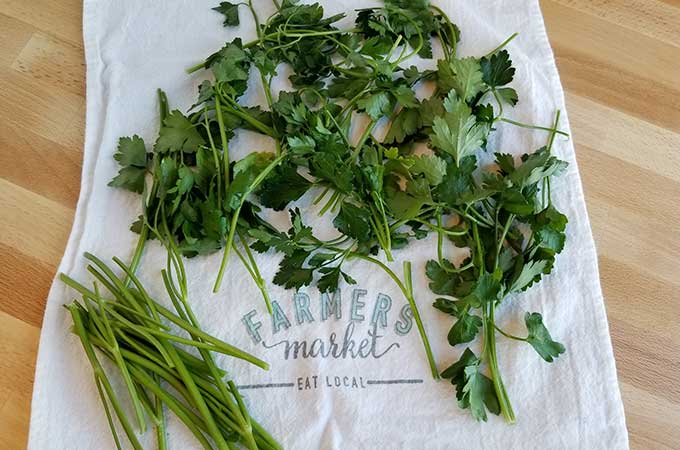
- Wash thoroughly under cool running water. Gently rub leaves to remove dirt or bugs.
- Dry completely. Use a salad spinner or pat dry with paper towels. Wet leaves will take longer to dehydrate and may lose color.
- Remove stems. Pinch off thick stems—only leaves and thin stems dry quickly and evenly.
Tip: Don’t skip drying parsley after washing. Even a little moisture can cause uneven drying.
Setting Up Your Food Dehydrator
A food dehydrator is a kitchen appliance that uses low heat and airflow to remove water from food. Parsley dries quickly because it is thin and leafy. Here’s how to set up your dehydrator:
Choosing The Right Dehydrator
There are several types, but the most common are stackable tray and shelf-style dehydrators. Look for these features:
- Adjustable temperature settings
- Even airflow (fan-forced is best)
- Fine mesh trays to prevent leaves from falling through
| Feature | Stackable Tray | Shelf Style |
|---|---|---|
| Temperature Control | Usually basic | Precise |
| Airflow | Bottom-to-top | Horizontal |
| Ease of Use | Easy, compact | More space, larger batches |
Setting Temperature And Trays
- Ideal temperature: 95°F to 115°F (35°C to 46°C) for herbs. Higher temperatures can cause loss of flavor and color.
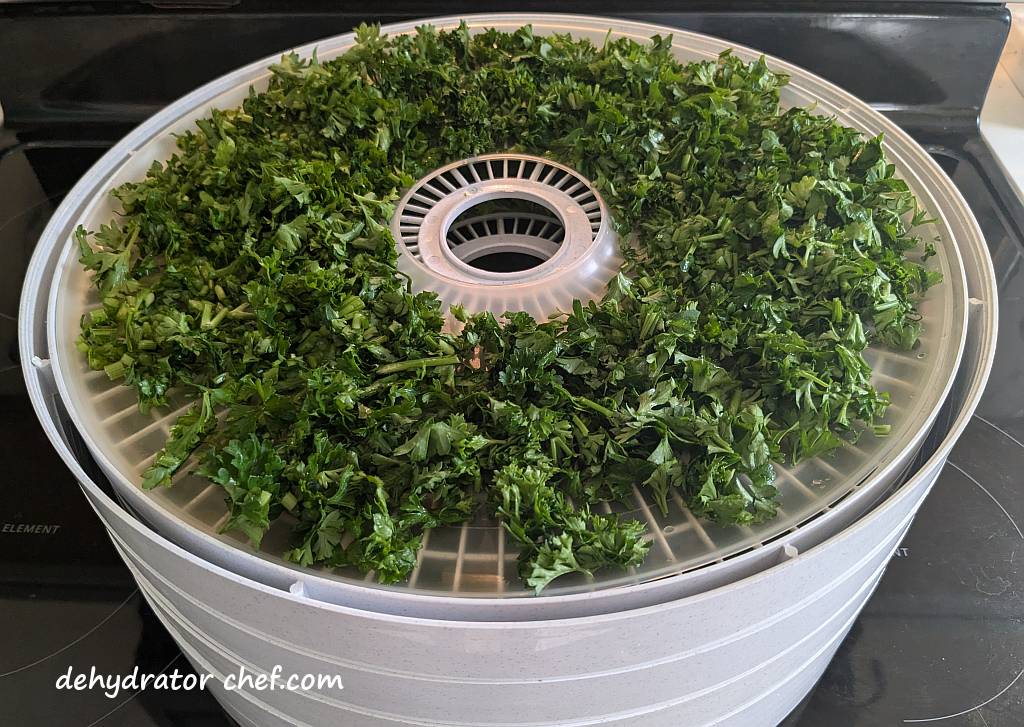
- Arrange leaves in a single layer. Leaves should not overlap—this helps air reach every piece.
Non-obvious insight: If your dehydrator has large holes in trays, place a sheet of parchment paper or a fine mesh liner underneath. This stops leaves from dropping into the machine.
Dehydrating Process: Step-by-step
Follow these steps for perfect dried parsley:
- Preheat the dehydrator (if your model recommends this).
- Place parsley leaves on trays. Keep a single layer, no stacking.
- Set temperature to 95°F–115°F.
- Start the dehydrator and let it run for 4–8 hours. The exact time depends on humidity, leaf thickness, and appliance type.
- Check parsley after 4 hours. Leaves should be brittle and crumble easily. If not, continue drying and check every hour.
How To Tell When Parsley Is Done
Dehydrated parsley should:
- Feel crisp and break easily
- Have bright green color (not brown or yellow)
- Smell fresh (no musty or burnt odor)
Non-obvious insight: If parsley is still flexible after drying, it’s not finished. Flexible leaves can spoil or develop mold in storage.
Storing Dehydrated Parsley
Proper storage keeps parsley fresh and flavorful for months. Here’s how:
Best Containers
- Glass jars with tight lids
- Plastic containers (food grade)
- Vacuum-sealed bags
Avoid storing parsley in paper bags or open containers. Air, light, and moisture reduce shelf life.
| Storage Method | Shelf Life | Flavor Retention |
|---|---|---|
| Glass Jar | 12 months | Excellent |
| Plastic Container | 6–9 months | Good |
| Vacuum Bag | 12+ months | Best |
Storage Tips
- Keep jars in a cool, dark place. Direct sunlight fades color and flavor.
- Label with the date. Herbs lose strength over time—use oldest first.
- Don’t crush parsley until ready to use. Whole leaves retain flavor better.
Using Dehydrated Parsley In Recipes
Dehydrated parsley is easy to use and adds flavor to many dishes. Here are some ideas:
- Sprinkle on soups, salads, or pasta
- Mix into sauces or dressings
- Add to marinades or rubs
- Garnish cooked vegetables or meats
Tip: To match the flavor of fresh parsley, use about one-third the amount of dried parsley. For example, if a recipe calls for 1 tablespoon fresh, use 1 teaspoon dried.
Non-obvious insight: Add dried parsley near the end of cooking. This keeps its color and aroma strong. If you add early, long heat can dull the taste.
Credit: www.thepurposefulpantry.com
Troubleshooting And Common Mistakes
Even experienced cooks sometimes run into problems. Here’s how to avoid the most common issues:
Parsley Turns Brown
This usually happens if the temperature is too high. Always use low heat. If your dehydrator doesn’t have a low setting, prop the door open slightly to lower the temperature.
Leaves Don’t Dry Evenly
Overlapping leaves or crowded trays cause uneven drying. Arrange parsley in a single layer and rotate trays halfway through drying if your dehydrator doesn’t circulate air well.
Loss Of Flavor
Drying too long, using high heat, or storing in open containers can cause loss of flavor. Stick to the recommended temperature and storage methods.
Leaves Fall Through Trays
Use mesh liners or parchment paper to prevent small leaves from dropping into the dehydrator.
Parsley Dehydration Data
Dehydrating parsley is efficient compared to other herbs. Here’s a quick comparison:
| Herb | Dehydrator Time (hrs) | Ideal Temp (°F) | Shelf Life |
|---|---|---|---|
| Parsley | 4–8 | 95–115 | 12 months |
| Basil | 8–12 | 95–105 | 12 months |
| Oregano | 6–10 | 95–105 | 12 months |
| Thyme | 6–10 | 95–105 | 12 months |
Parsley dries faster than basil and oregano because its leaves are thinner and less oily.

Credit: flouronmyface.com
Advanced Tips For Best Results
If you want to maximize flavor and color, try these advanced tips:
- Harvest early morning: The oils in parsley leaves are strongest before midday.
- Blanch leaves (optional): Dip in boiling water for 3 seconds, then cool. This helps preserve green color but is not always needed.
- Use a hygrometer: Check humidity in your kitchen—high humidity slows drying.
Another insight: Don’t dry parsley with other herbs at the same time. Different herbs need different times and temperatures.
Environmental And Cost Benefits
Dehydrating parsley at home is not just good for your kitchen. It also helps the environment:
- Reduces food waste—less spoiled herbs
- No single-use packaging—store in reusable containers
- Saves money—store-bought dried herbs can cost $20–$40 per pound, while home-dried parsley costs pennies
According to USDA Natural Resources Conservation Service, reducing food waste is one of the top ways to lower environmental impact in home kitchens.
Credit: dehydratorchef.com
Frequently Asked Questions
How Long Does Dehydrated Parsley Last?
Dehydrated parsley can last up to 12 months if stored in airtight containers, away from light and moisture. Always check for freshness before use.
Is Dehydrated Parsley As Healthy As Fresh?
Yes, dried parsley keeps most nutrients, including vitamin K and antioxidants. However, some vitamin C is lost during drying. It’s still a healthy choice for flavor and nutrition.
Can I Dehydrate Parsley Without A Food Dehydrator?
Yes, but results may vary. You can air dry parsley by hanging bunches upside down in a dry, dark place. You can also use an oven at its lowest setting, but watch carefully to avoid browning.
How Do I Use Dehydrated Parsley?
Use it in any recipe that calls for parsley. Replace fresh parsley with dried using this ratio: 1 teaspoon dried equals 1 tablespoon fresh. Add late in cooking for best flavor.
What Signs Show Parsley Is Fully Dehydrated?
Fully dried parsley is brittle, breaks easily, and has a bright green color. It should not feel flexible or soft. If in doubt, dry for another hour.
Preserving herbs like parsley helps you cook with flavor and confidence all year. Once you try dehydrating parsley in your food dehydrator, you’ll enjoy the taste and savings—and never go back to store-bought again.