Sous vide cooking has become popular for its ability to deliver restaurant-quality results at home. But what if you forget to thaw your meat before dinner? Many home cooks wonder: can you sous vide frozen meat without thawing? The answer is yes, but there are details and best practices you should know before dropping that frozen steak or chicken into your water bath.
This article will guide you through the process, discuss safety, timing, and quality, and help you get great results—even when you start with frozen meat.
Understanding Sous Vide Cooking
Sous vide is a French term meaning “under vacuum.” It’s a method where food is sealed in a plastic bag and cooked in a water bath at a precisely controlled temperature. This technique allows for even cooking and helps meat stay juicy and tender. Unlike grilling or pan-frying, sous vide uses lower temperatures over a longer period.
The biggest advantage of sous vide is control. You can cook steak, chicken, pork, or fish exactly how you want, with less risk of overcooking. Many home cooks use sous vide for its convenience and perfect results.
Can You Sous Vide Meat Directly From Frozen?
The short answer is: yes, you can sous vide frozen meat without thawing first. In fact, sous vide is one of the safest and easiest ways to cook meat from frozen. The gentle, even heat ensures the meat will thaw and cook evenly.
When you cook frozen meat in a pan or oven, the outside can overcook before the inside is safe. With sous vide, the water bath heats everything slowly and evenly. This minimizes the risk of uneven cooking or dry edges.
However, you need to make a few adjustments for best results.
Key Adjustments For Sous Vide Frozen Meat
1. Increase Cooking Time
Frozen meat takes longer to cook than thawed meat. As a rule of thumb, add 50% more cooking time to the standard sous vide time for thawed cuts. For example, if a thawed steak takes 1 hour, plan for 1.5 hours if it’s frozen.
Here’s a quick comparison:
| Meat Type | Standard Time (Thawed) | Frozen Meat Time |
|---|---|---|
| Steak (1 inch thick) | 1 hour | 1.5 hours |
| Chicken Breast | 1.5 hours | 2.25 hours |
| Pork Chop | 1.5 hours | 2.25 hours |
If your cut is particularly thick (over 2 inches), you may need to add even more time. Err on the side of longer cook times—sous vide is forgiving, and extra time won’t harm the texture.
2. Use Proper Packaging
It’s best to vacuum seal meat before freezing if you plan to sous vide later. Vacuum-sealed bags work well in sous vide water baths and keep out water. If you have loose frozen meat, you can use a high-quality freezer bag, but make sure to remove as much air as possible.
Avoid zip-top bags that are not rated for heat, and never use thin plastic wrap.
3. Don’t Add Extra Seasoning Directly
Salt and spices can behave differently on frozen meat. Seasonings may not stick well, and salt can pull out moisture as the meat thaws. For best results, season meat after cooking, or add simple ingredients like garlic or herbs inside the bag before freezing.
Some cooks freeze “ready to cook” packs with meat and seasoning together. This works, but be aware that flavors may concentrate differently when cooking from frozen.
4. Start With A Preheated Water Bath
Always bring your sous vide water bath up to cooking temperature before adding frozen meat. This ensures that the temperature never drops below safe levels, which is important for food safety.
5. Check For Even Cooking
With larger or uneven cuts, check doneness with a thermometer after cooking. Sous vide is precise, but thick frozen meat can have cold spots if not cooked long enough.
Safety Considerations When Sous Viding Frozen Meat
Food safety is important when cooking meat, especially from frozen. Sous vide cooking is very safe if you follow a few basic rules:
- Preheat the water bath: Never start with cold water, as this increases the time meat spends in the “danger zone” (40–140°F), where bacteria grow quickly.
- Vacuum sealing: Keeps water out and helps even cooking.
- Cook to the right temperature: Always use recommended sous vide temperatures for your meat type. For example, 129°F for medium-rare steak, 140°F for chicken breast.
- Avoid refreezing: Do not refreeze meat that has been cooked sous vide.
- Cool leftovers quickly: If you are not eating right away, cool cooked meat in an ice bath before refrigerating.
For more information on safe sous vide temperatures and times, the USDA provides guidelines for safe minimum cooking temperatures on their official site.
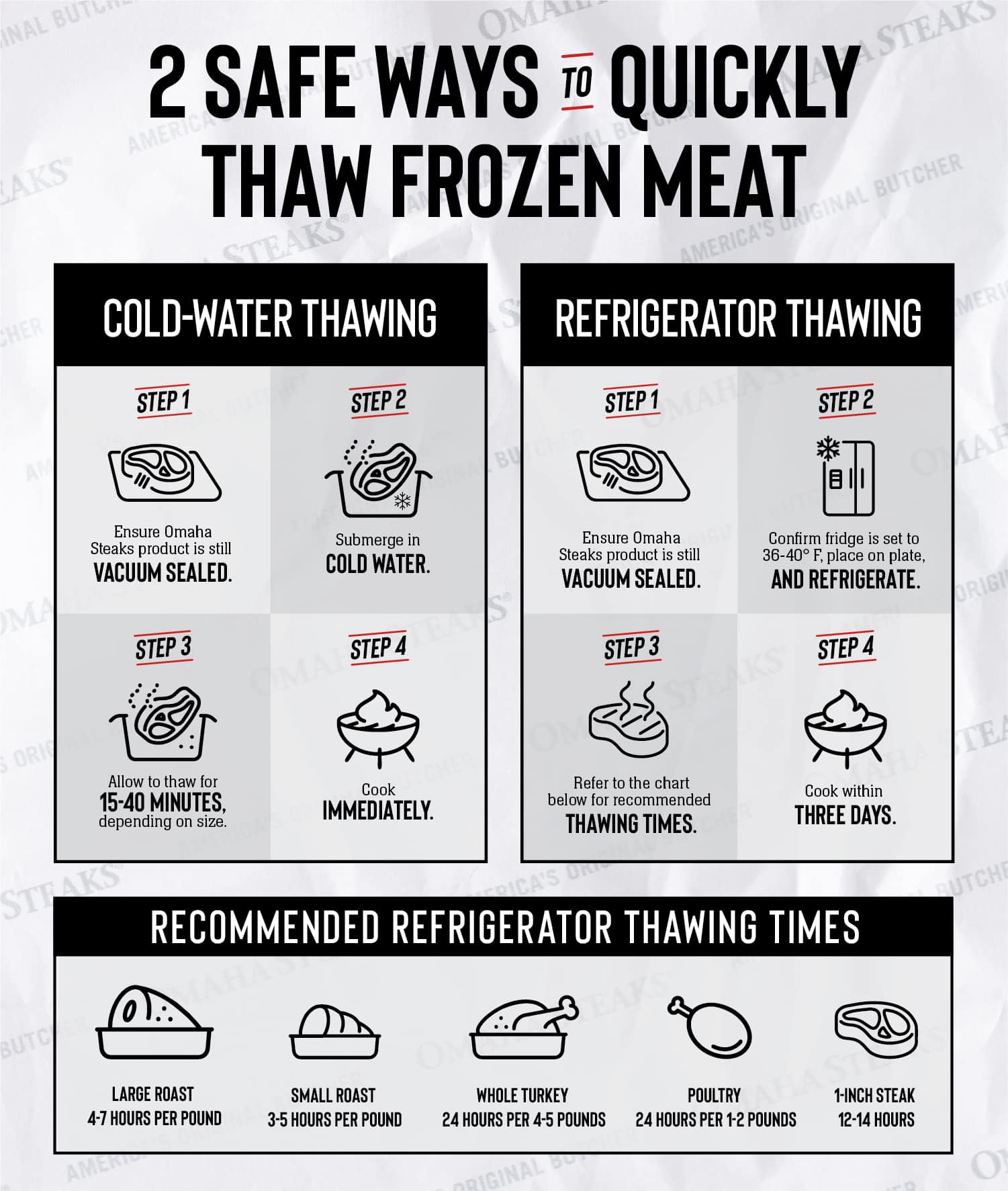
Credit: www.omahasteaks.com
How Quality Differs: Frozen Vs Thawed
Sous vide is forgiving, and most people cannot taste the difference between meat cooked from frozen or thawed. However, there are a few small differences:
- Texture: Some delicate cuts (like fish) may lose a little more moisture when cooked from frozen, but the difference is usually minor.
- Seasoning: As mentioned, seasoning doesn’t stick as well to frozen surfaces. Flavors may be less intense.
- Color: Frozen meat sometimes releases more juice during cooking, which can affect the appearance. Patting frozen meat dry before bagging helps.
Most steak, chicken, and pork come out nearly identical whether you start from frozen or thawed. For high-end cuts, some chefs prefer to thaw first for perfect seasoning and searing.
Which Meats Work Best From Frozen?
Almost all meats can be sous vided from frozen, but some work better than others. Here’s a quick guide:
| Meat Type | Frozen Sous Vide Performance | Notes |
|---|---|---|
| Steak | Excellent | Hard to overcook; great results |
| Chicken Breast | Very Good | Moist, safe; add time |
| Fish Fillets | Good | Delicate; cook gently |
| Pork Chops | Excellent | Juicy and tender |
| Ground Meat | Moderate | Texture can be soft |
| Ribs/Brisket | Very Good | Long cook times; great results |
Tougher cuts that benefit from long, slow cooking—like brisket or short ribs—work especially well. Ground meat can be cooked from frozen, but texture may be softer than some prefer.
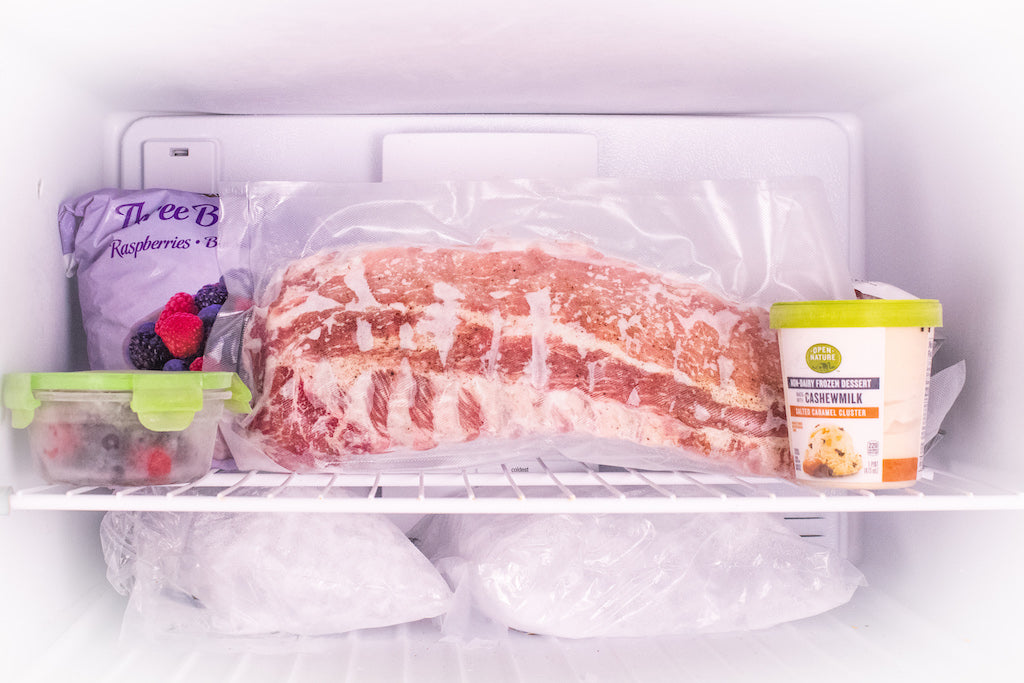
Credit: anovaculinary.com
Step-by-step Guide: Sous Vide Frozen Meat
Here’s how to cook frozen steak using sous vide as an example:
- Preheat your sous vide water bath to your target temperature (e.g., 129°F for medium-rare steak).
- Place the frozen, vacuum-sealed steak (or high-quality freezer bag with most air removed) in the water.
- Add 50% more time to the normal cook time. For a 1-inch steak, cook for 1.5 hours instead of 1 hour.
- After cooking, remove from bag and pat dry with paper towels.
- Sear in a hot pan or with a torch for 1 minute per side to add a tasty crust.
- Season as desired with salt, pepper, or finishing herbs.
Tips For Best Results
- Label and date your vacuum-sealed bags before freezing for easy identification.
- For chicken, always cook to at least 140°F for safety.
- Use an ice bath to chill cooked meat if storing for later—this prevents overcooking and preserves texture.
- Don’t overcrowd the water bath. Too many frozen pieces can lower water temperature, slowing cooking.
- For fish, use a lower temperature (e.g., 122°F to 130°F) and shorter cook times. Delicate fillets can overcook easily.
Common Mistakes To Avoid
Cooking frozen meat sous vide is simple, but there are some pitfalls to watch out for:
- Not increasing cook time: Under-cooking is the most common mistake. Set a timer for the right amount of time.
- Using the wrong bag: Thin bags can break or leak. Always use vacuum-sealed or heavy-duty freezer bags.
- Starting with cold water: This can keep the meat in the danger zone too long.
- Overcrowding the bath: Too much meat at once can make temperatures less stable.
- Not drying meat before searing: Wet surfaces won’t brown well. Pat dry thoroughly before the final sear.
Non-obvious Insights For Better Results
- Freeze in a single layer: When possible, freeze meat flat and in a single layer. This thaws and cooks more evenly in sous vide. Stacked or bunched meat takes much longer and can have cold spots.
- Double-bag fragile cuts: Fish or thin fillets can poke through bags as they freeze and cook. Double-bagging protects both the food and your sous vide equipment.
- Batch prep for busy weeks: You can vacuum-seal several portions of meat with different seasonings, freeze them, and have a variety of “instant” sous vide meals ready to drop in the bath.
- Ice bath for leftovers: If you’re not eating right away, chill cooked meat in ice water before refrigerating. This stops cooking and keeps texture perfect.
Real-world Example: Steak Dinner From Freezer To Plate
Imagine it’s 6 PM, and you forgot to defrost steak for dinner. With sous vide, you:
- Take a vacuum-sealed frozen steak from the freezer
- Preheat your water bath to 129°F
- Drop in the steak, add 50% more time (1.5 hours for a 1-inch steak)
- When done, pat dry, sear for a minute per side, and season
- Serve a perfectly cooked steak—juicy and pink inside, browned outside
No panic, no microwave defrosting, and no tough or dry meat. This flexibility is why many home cooks love sous vide.
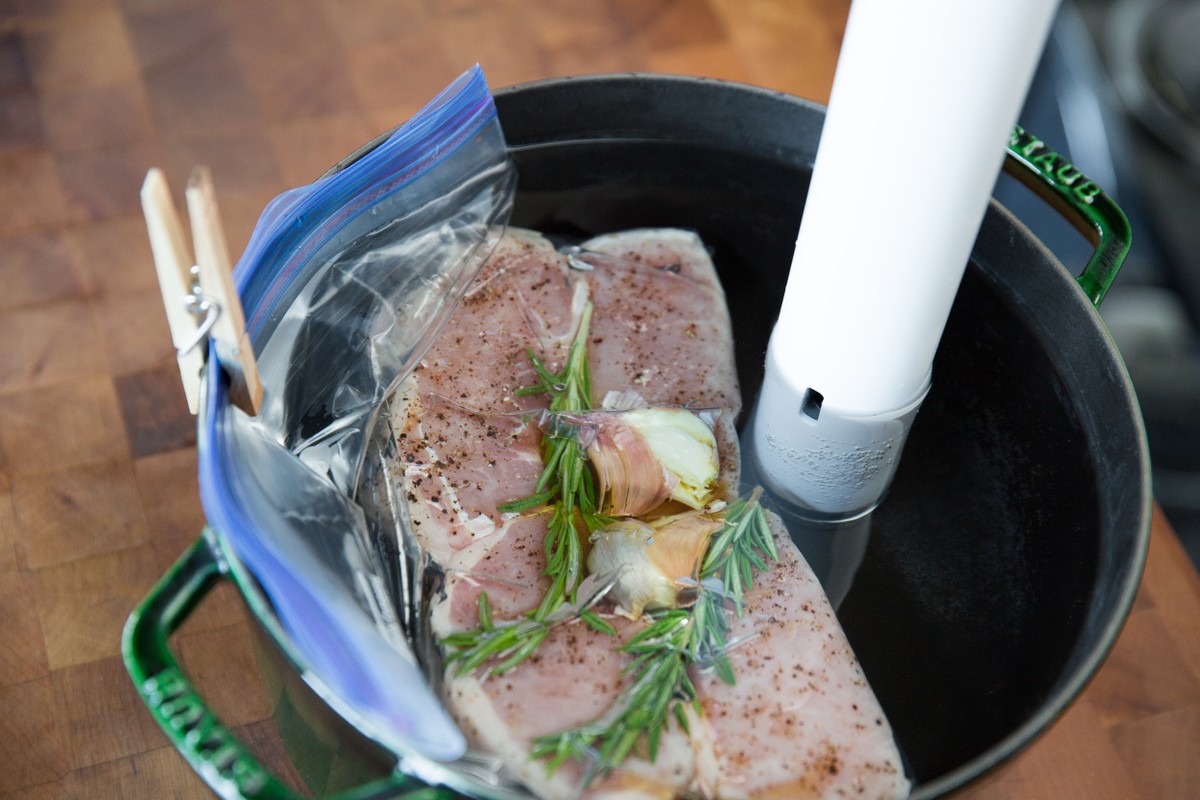
Credit: www.chefsteps.com
Frequently Asked Questions
Can I Sous Vide Chicken Or Pork From Frozen Safely?
Yes, you can safely sous vide chicken or pork from frozen. Just increase cook time by about 50%. Always make sure the water bath is preheated and cook to the correct safe temperature (at least 140°F for chicken).
Does Cooking From Frozen Affect Flavor Or Texture?
Most people notice little to no difference in flavor or texture when sous viding from frozen. Delicate fish may lose a bit more moisture, but beef, chicken, and pork are almost identical to thawed results.
Can I Season Frozen Meat Before Sous Vide?
You can add basic seasonings before freezing, but for best results, season after cooking. Salt can draw out moisture from frozen meat, so many cooks prefer to finish with seasoning after the sous vide bath.
What Kind Of Bags Should I Use For Frozen Sous Vide?
Use vacuum-sealed bags for the best results. Heavy-duty freezer zip bags can work if you remove as much air as possible. Avoid thin or non-food-safe plastics.
Where Can I Learn More About Sous Vide Safety?
You can find more about sous vide safety and recommended temperatures at the official USDA site or from respected sources like Serious Eats, which offers tested guidelines and in-depth advice.
Sous vide offers unmatched convenience and quality, especially when cooking from frozen. With a few adjustments, you can enjoy safe, delicious meals straight from the freezer—no planning required. Next time you forget to thaw, relax: your sous vide has you covered.