Choosing between a stovetop kettle and an electric kettle is not as simple as it sounds. For many, it’s about more than just boiling water. It’s about speed, taste, safety, style, and even energy bills. If you love tea or coffee, the right kettle can make your daily routine easier and more enjoyable. But with so many opinions online, it’s hard to know what’s best for your kitchen. Let’s explore both options, compare their strengths and weaknesses, and help you decide which one fits your lifestyle.
How Stovetop And Electric Kettles Work
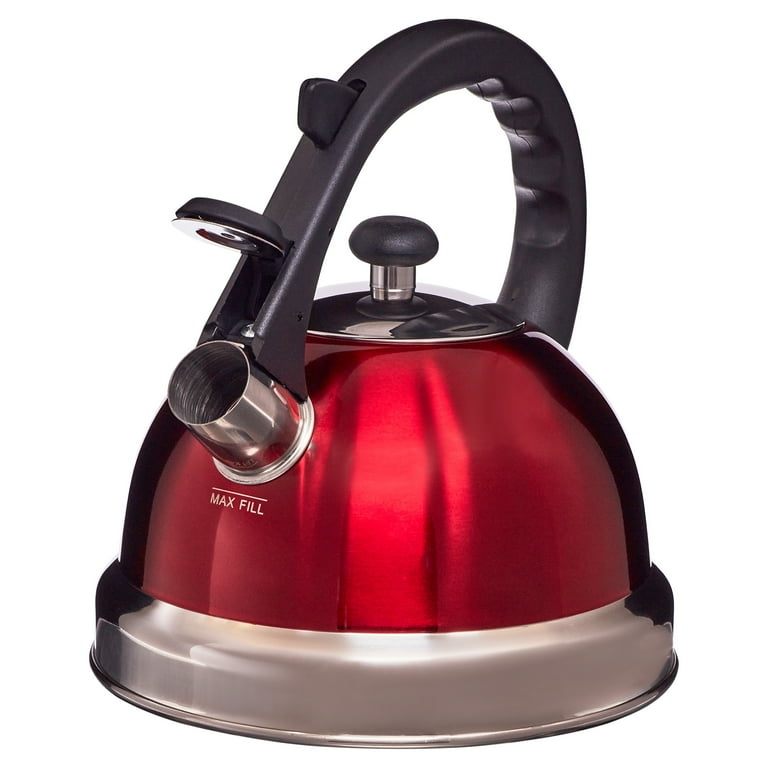
A stovetop kettle is a classic tool. You fill it with water, place it on a gas or electric burner, and wait for the whistle. It uses direct heat from your stove to bring water to a boil. Most stovetop kettles are made from stainless steel, glass, or enamel.
An electric kettle has a built-in heating element. You just plug it in, add water, and press a button. Many models shut off automatically when the water boils. Some even let you choose the exact temperature—great for green tea or pour-over coffee fans.
Speed: Which Boils Water Faster?
One big reason people switch to electric kettles is speed. How much faster are they, really?
| Type | Boil Time (1 Liter) |
|---|---|
| Electric Kettle (1500W) | 2.5–3 minutes |
| Stovetop Kettle (Gas Stove) | 5–7 minutes |
| Stovetop Kettle (Electric Stove) | 7–10 minutes |
Electric kettles almost always win the speed contest. If you’re in a hurry in the morning, those extra minutes matter.
Energy Efficiency And Costs
Energy use is important for both the environment and your wallet. Electric kettles heat only the water you need, and their elements are highly efficient. Stovetop kettles lose more heat to the air and the stove.
But there’s a catch: your local energy rates. In some places, gas is much cheaper than electricity. Here’s a basic cost comparison:
| Type | Energy Used (1 Liter) | Estimated Cost (US) |
|---|---|---|
| Electric Kettle | 0.1 kWh | $0.01–$0.02 |
| Stovetop (Gas) | 0.18 kWh (equivalent) | $0.003–$0.01 |
Electric kettles are more energy-efficient, but in areas with cheap gas, the price difference is small.
Control And Features
Electric kettles offer modern features that stovetop models can’t match. Here are a few:
- Temperature Control: Some electric kettles let you pick the exact temperature. Great for teas that need cooler water.
- Automatic Shut-Off: Most electric kettles turn off when the water boils. This helps prevent accidents.
- Keep-Warm Function: Some can keep water hot for an hour or more.
Stovetop kettles are simpler, but some people prefer that. Fewer parts mean less can break.
Credit: www.walmart.com
Safety: Which Is Safer In The Kitchen?
Electric kettles are often considered safer for a few reasons:
- Auto shut-off: No risk of forgetting and boiling dry.
- Cool-touch handles: Many models stay cool on the outside.
- Stable base: Less likely to tip over.
But electric kettles do use high-wattage electricity and water together. If the cord or plug is damaged, there’s a risk. Stovetop kettles get very hot to the touch, and some whistling models can be loud and startling.
A common mistake: placing a stovetop kettle on a hot burner after it’s empty. This can warp the kettle or damage the coating.
Taste: Does The Kettle Change The Water?
Some tea and coffee lovers believe the kettle changes the taste of water. Here’s what matters:
- Material: Stainless steel, glass, and ceramic don’t add flavor. Cheap plastic in some electric kettles can cause a chemical taste, especially when new.
- Limescale: Hard water can leave deposits inside any kettle. Electric kettles with exposed elements may build up scale faster, which can affect taste.
If you’re picky about flavor, choose a kettle made from glass or high-quality stainless steel. Always clean your kettle regularly, no matter the type.
Durability And Maintenance
Stovetop kettles have a reputation for lasting decades. With no electronics, there’s less to fail. Electric kettles, especially cheap models, may break after a few years. Common problems include:
- Heating element failure
- Broken lid or handle
- Faulty temperature control
Still, some high-end electric kettles last a long time. Read reviews and pick a trusted brand.
One insight beginners often miss: hard water can damage both types quickly. Using filtered water and descaling every few weeks extends the life of your kettle.
Design And Aesthetics
The look of your kettle can matter, especially if it lives on your countertop. Stovetop kettles offer a classic, cozy feel—think of shiny metal or vintage enamel. They’re often used as decor as well as tools.
Electric kettles come in many shapes, from sleek stainless steel to modern glass. Some have digital displays and lights. If you value a minimalist or futuristic look, you’ll find more options with electric.
Portability And Use Cases
If you travel, camp, or live in a place with unreliable power, a stovetop kettle is more flexible. You can use it on any flame—gas, campfire, or electric coil. Electric kettles need a working outlet and the correct voltage.
For office use or dorm rooms, electric kettles shine. They’re fast, quiet, and safe in small spaces.
Price Range: What Should You Expect To Pay?
Prices for both types vary widely. Here’s what you can expect:
- Stovetop kettles: $15–$100
- Basic electric kettles: $20–$40
- High-end electric kettles (with temperature control): $60–$150
Don’t just buy the cheapest kettle. A poorly made model (especially electric) can waste energy, break quickly, or even be unsafe.
Environmental Impact
This is a detail many people forget: electric kettles are usually more energy efficient, but their electronics and plastic parts can be harder to recycle. Stovetop kettles made from metal or glass are easier to recycle at the end of their life. However, the difference is small for most households.
When To Choose A Stovetop Kettle
A stovetop kettle might be better if:
- You love the classic look and ritual of boiling water.
- You want a kettle that lasts for decades with simple care.
- You use a gas stove and want to save a bit on energy bills.
- You sometimes use your kettle while camping or during power outages.
- You prefer fewer electronic parts.

Credit: www.darkmattercoffee.com
When To Choose An Electric Kettle
An electric kettle is likely better if:
- Speed is very important for your routine.
- You want precise temperature control for green tea or pour-over coffee.
- Safety features matter—auto shut-off, cool handles, etc.
- You have kids or elderly people who might forget to turn off the stove.
- You have limited kitchen space or want to use it in an office or dorm.
Common Mistakes People Make
Many buyers focus only on boil speed or price, ignoring important details like:
- Plastic taste: Cheap electric kettles may flavor water at first. Look for “BPA-free” or stainless steel interiors.
- Cord length: Short cords can be annoying if your outlet is far.
- Capacity: Large kettles are heavier and slower to boil. Buy the size you really need.
- Voltage compatibility: If you travel, make sure your kettle matches local outlets.
Another insight: descale your kettle regularly. Limescale buildup can make any kettle less efficient and even damage it over time.
Practical Tips For Buying And Using Kettles
- Always read reviews before buying, especially for electric kettles.
- If you care about tea or coffee taste, pick glass or stainless steel.
- For small kitchens, choose a cordless electric kettle with a compact base.
- Don’t overfill your kettle. Boiling only what you need saves energy and time.
- Clean your kettle monthly with equal parts water and vinegar to remove limescale.
Real-life Example: Making Pour-over Coffee
Let’s say you want to make pour-over coffee. Many experts recommend a gooseneck electric kettle with temperature control. This lets you pour slowly and use the perfect water temperature (195–205°F). A stovetop gooseneck kettle also works, but you’ll need a thermometer and more patience to get the right heat.
This shows: sometimes the choice is about your specific brewing method, not just personal preference.
What Do Experts And Reviews Say?
Most kitchen experts and review sites agree: for most people, an electric kettle is more convenient and faster. But for those who value durability, style, or simplicity, a stovetop kettle is still a great choice.
For further details on kettle safety standards, you can check this Wikipedia article on electric kettles.
Frequently Asked Questions
Which Type Boils Water Faster: Stovetop Or Electric Kettle?
Electric kettles usually boil water faster—often in 2.5 to 3 minutes for a liter. Stovetop kettles can take 5–10 minutes depending on your stove.
Do Electric Kettles Use More Electricity Than Stovetop Kettles?
No, electric kettles are generally more energy efficient because they transfer heat directly to the water. However, in some places, gas is cheaper, so the cost difference may be small.
Is Water From An Electric Kettle Safe To Drink?
Yes, water boiled in an electric kettle is safe as long as the kettle is made from food-safe materials and kept clean. Avoid cheap plastic models that may add unwanted taste.
Can I Use A Stovetop Kettle On Any Stove?
Most stovetop kettles work on gas and electric stoves. For induction stoves, check if the kettle is induction-compatible—usually, it needs a magnetic base.
What’s The Best Kettle For Making Tea?
If you drink different kinds of tea, an electric kettle with temperature control is ideal. For black tea or everyday use, both types work well—just avoid plastic interiors for better taste.
Choosing between a stovetop or electric kettle depends on your habits, kitchen, and what you value most: speed, style, or simplicity. By knowing the facts and avoiding common mistakes, you’ll find a kettle that suits your life for years to come.

Credit: www.amazon.com