Packing a lunch box for your child can feel like a daily puzzle. You want them to eat healthy, enjoy their food, and stay energized throughout the school day. But with picky eaters, busy mornings, and endless choices, it’s easy to get stuck or fall back on the same old snacks.
Let’s explore how to build a balanced, appealing lunch box for kids that keeps them happy and nourished.
Understanding Kids’ Nutrition Needs
Children need a mix of carbohydrates, protein, healthy fats, and vitamins to grow and stay active. According to the CDC, kids aged 4-13 require about 1,200–2,000 calories per day, depending on activity and age. A lunch box should cover around one-third of their daily nutrition.
Including foods from all main groups helps:
- Whole grains: Give lasting energy.
- Lean proteins: Support growth and repair.
- Fruits and vegetables: Offer vitamins, minerals, and fiber.
- Healthy fats: Aid brain development.
A key insight: Many parents skip healthy fats, but nuts, seeds, and avocado are important for brain health. Also, children often need more protein than we think—especially if they’re active.
Building A Balanced Lunch Box
A balanced lunch isn’t just about calories. It’s about variety, taste, and presentation. Here’s how to assemble a kid-friendly lunch box:
The Ideal Lunch Box Formula
- Main Dish: Sandwich, wrap, pasta, or rice bowl.
- Fruit or Veggie Side: Fresh slices, sticks, or salad.
- Protein Snack: Cheese, yogurt, boiled egg, hummus, or nuts.
- Crunchy Item: Crackers, popcorn, veggie chips, or pretzels.
- Sweet Treat: Small muffin, fruit bar, or homemade cookie.
- Drink: Water, milk, or low-sugar juice.
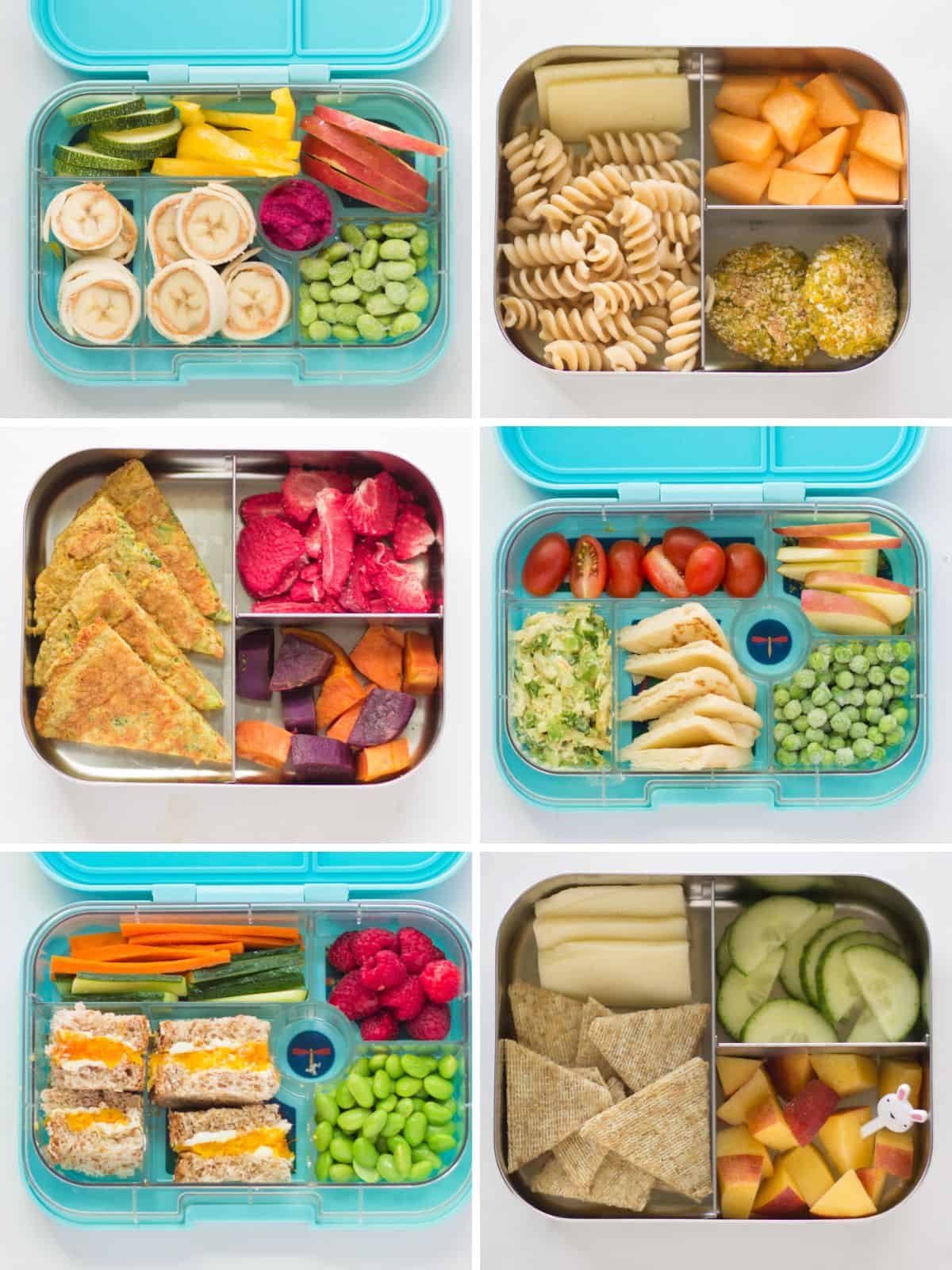
A practical tip: Use compartment lunch boxes to keep foods separate and visually appealing.
Sample Lunch Box Combinations
Here are three sample lunch box ideas:
- Turkey & Cheese Sandwich
- Whole wheat bread, turkey, cheese, lettuce
- Apple slices
- Greek yogurt
- Carrot sticks
- Water
- Vegetarian Wrap
- Tortilla, hummus, cucumber, tomato
- Grapes
- Cheese cubes
- Whole grain crackers
- Milk
- Chicken Rice Bowl
- Brown rice, grilled chicken, peas
- Orange wedges
- Hard-boiled egg
- Air-popped popcorn
- Water
Choosing Healthy Options
It’s easy to grab packaged snacks, but homemade or minimally processed foods are best. To help you choose, here’s a quick table comparing common lunch box items:
| Lunch Box Item | Calories | Protein (g) | Sugar (g) | Fiber (g) |
|---|---|---|---|---|
| Ham Sandwich | 260 | 15 | 4 | 3 |
| Cheese Stick | 80 | 7 | 0 | 0 |
| Apple Slices | 50 | 0 | 10 | 2 |
| Granola Bar | 120 | 2 | 7 | 2 |
Notice that packaged snacks like granola bars can be high in sugar. Always check labels—many “healthy” snacks are loaded with added sugar or salt.
Smart Packing Tips
Keeping food safe and fresh is as important as choosing healthy options. Here are some practical tips:
- Use ice packs or insulated bags to keep foods cool.
- Cut fruits into small pieces to prevent choking and make eating easier.
- Pack sauces or dips separately to avoid soggy sandwiches.
- Try reusable containers—better for the environment and your wallet.
- Rotate foods weekly so kids don’t get bored.
A non-obvious insight: Kids often eat more when food is cut into fun shapes or bite-sized pieces. Small changes in presentation can make a big difference.
Credit: www.mjandhungryman.com
Dealing With Picky Eaters
Many parents struggle with kids who refuse certain foods. The key is to involve your child in the lunch box process:
- Let them pick fruits or veggies at the store.
- Offer choices instead of forcing one option.
- Mix new foods with favorites—like adding spinach to a cheese sandwich.
- Use dips (like hummus or yogurt) to make veggies tastier.
- Avoid pressuring; gentle encouragement works better.
Research shows that children may need to try a new food 10–15 times before accepting it. Patience and creativity are your best tools.
Making Lunch Boxes Fun And Appealing
A boring lunch box can lead to untouched food. Here are some ways to make lunches more exciting:
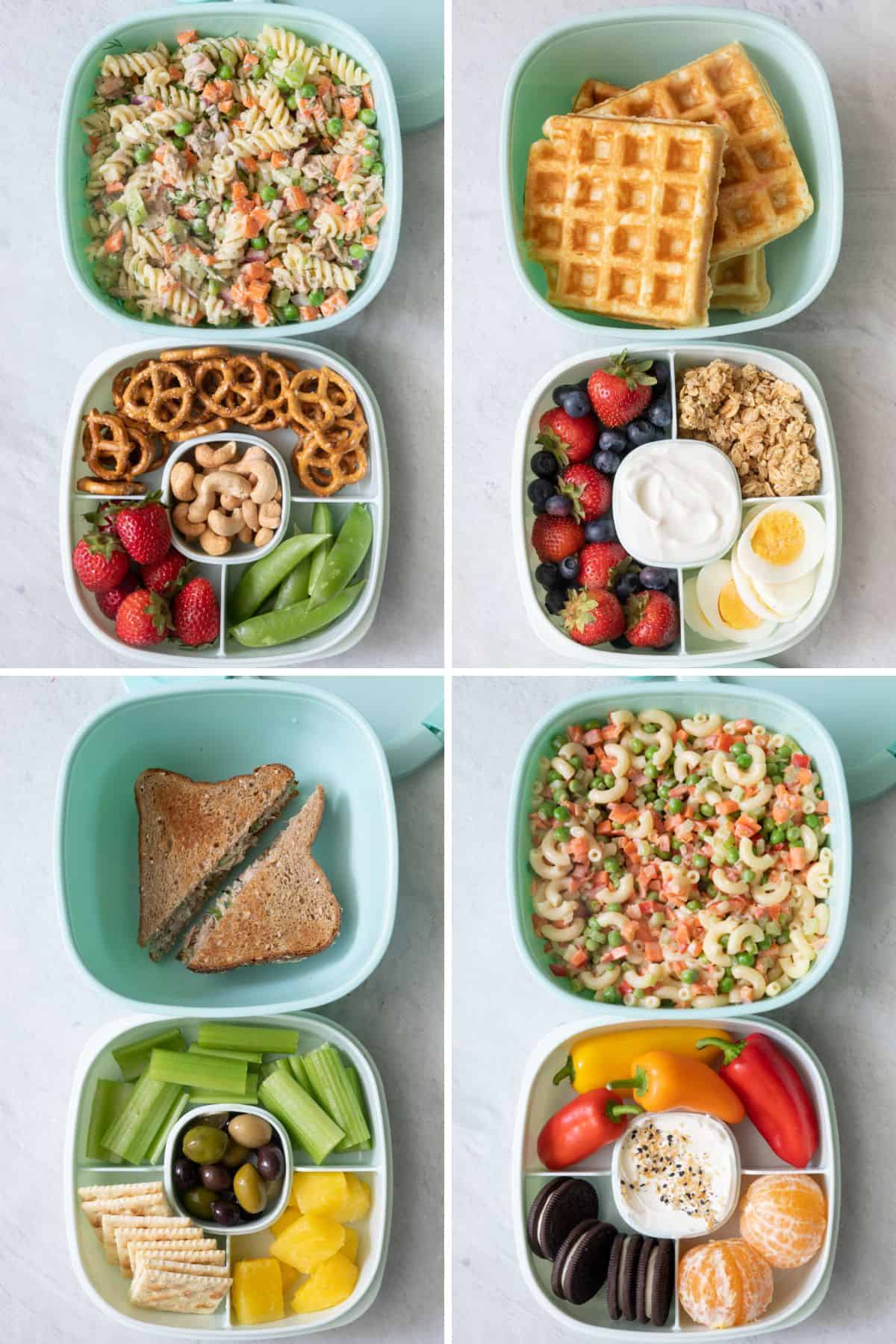
- Colorful foods: Pack a mix of red, green, yellow, and orange.
- Cute shapes: Use cookie cutters for sandwiches, cheese, or fruit.
- Theme days: Try “Rainbow Day” or “Breakfast for Lunch.”
- Surprise notes: Add a small note or sticker for encouragement.
- DIY kits: Let kids build wraps or salads themselves.
A helpful insight: Kids love variety, but too much choice can overwhelm. Stick to 3–5 items per box for best results.
Credit: feelgoodfoodie.net
Foods To Avoid
Some foods aren’t safe or healthy for kids’ lunch boxes. Avoid:
- Nuts (if your school has allergy rules)
- Sugary drinks (soda, fruit punch)
- Processed meats (salami, bologna)
- Choking hazards (whole grapes, popcorn for young children)
- Unpasteurized dairy (can cause illness)
Always check your school’s guidelines. Many schools ban peanuts, tree nuts, or other allergens.
Lunch Box Ideas For Different Ages
Children’s tastes and needs change as they grow. Here’s a breakdown for different ages:
| Age Group | Main Dish Example | Recommended Snacks |
|---|---|---|
| Preschool (3–5) | Mini sandwich, cut fruit | Cheese cubes, yogurt, veggie sticks |
| Elementary (6–9) | Wrap, pasta salad | Apple slices, popcorn, boiled egg |
| Middle School (10–13) | Rice bowl, quesadilla | Granola bar, nuts, veggies with dip |
Preschoolers need softer, bite-sized foods and less salt. Older kids can handle more variety and stronger flavors.
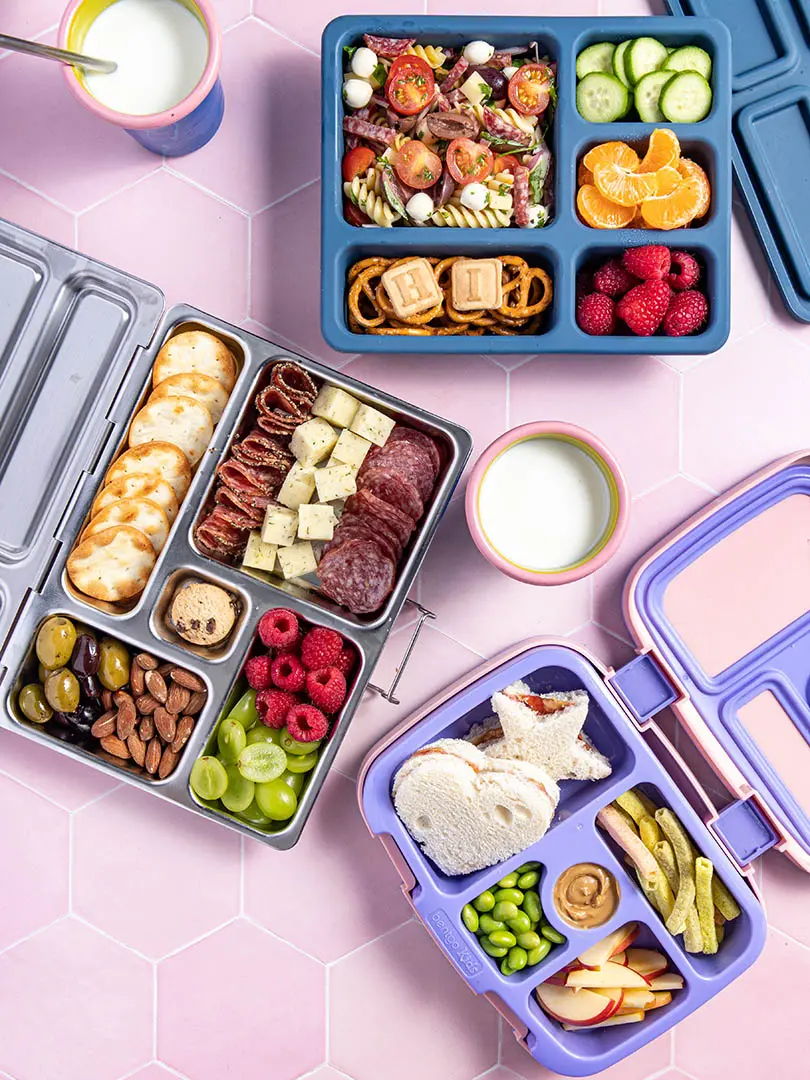
Credit: ainttooproudtomeg.com
Preparing Lunch Boxes Ahead
Morning rushes make packing tough. Try preparing parts of the lunch box the night before:
- Wash and cut fruit or veggies.
- Assemble sandwiches, wraps, or rice bowls.
- Portion snacks in containers.
- Fill water bottles and chill overnight.
This saves time and reduces stress. If you’re making sandwiches, keep spreads between slices to avoid sogginess.
Allergy-friendly Lunch Boxes
Food allergies are common. If your child or their classmates have allergies, try these options:
- Use sunflower seed butter instead of peanut butter.
- Choose gluten-free wraps or crackers.
- Avoid dairy with plant-based milks and yogurts.
- Pack fruits, veggies, and safe proteins.
Always check ingredients and labels. Schools may require allergy-safe lunches, so communicate with teachers if needed.
Budget-friendly Lunch Box Solutions
Healthy lunches don’t have to be expensive. Here’s how to save money:
- Buy fruits and veggies in season.
- Use leftovers (rice, chicken, pasta) from dinner.
- Choose store-brand snacks.
- Make homemade muffins, bars, or trail mix.
- Reusable containers reduce packaging costs.
One overlooked tip: Bulk-buying staple foods like oats, rice, or pasta can cut costs over time.
Sustainable And Eco-friendly Lunch Boxes
Lunch boxes create a lot of waste. To reduce your impact:
- Use reusable containers, bottles, and utensils.
- Avoid single-use plastic wrap or bags.
- Compost fruit peels and veggie scraps.
- Buy local produce when possible.
Kids can help pack and clean their lunch boxes, teaching responsibility and eco-awareness.
Frequently Asked Questions
How Much Food Should I Pack In My Child’s Lunch Box?
Most kids need about one-third of their daily calories at lunch, which is 400–600 calories. Adjust portions based on your child’s appetite, age, and activity level. It’s better to pack slightly less than too much—uneaten food can go to waste.
What Are Some Quick Lunch Box Ideas For Busy Mornings?
Try a turkey wrap, carrot sticks, yogurt, and berries. Or pack a hard-boiled egg, whole grain crackers, apple slices, and cheese. These options require little prep and can be assembled in under 10 minutes.
How Can I Keep Lunch Boxes Safe From Bacteria?
Use ice packs and insulated bags. Wash hands and containers thoroughly. Avoid packing foods that spoil quickly, like mayonnaise or milk-based sauces, unless you can keep them cold. Cut fruit and veggies fresh or store them in the fridge overnight.
What If My Child Refuses To Eat Vegetables?
Offer veggies with dips, like hummus or ranch. Mix small amounts of veggies into sandwiches or wraps. Involve your child in choosing and preparing their lunch. Kids may need to see or taste a new veggie many times before they accept it.
Are There Healthy Dessert Options For Lunch Boxes?
Yes—try fruit salad, homemade oatmeal cookies, or small muffins with whole grains and less sugar. Avoid candy or packaged desserts with lots of sugar. Even simple options like yogurt with berries can satisfy a sweet tooth.
Packing a lunch box is more than just filling containers. It’s a chance to support your child’s health, habits, and happiness. With smart choices, creative ideas, and a little planning, you can turn lunchtime into a positive part of their day. For more detailed guidance, check resources like Eat Right. Your efforts will pay off in energy, focus, and smiles—one lunch box at a time.