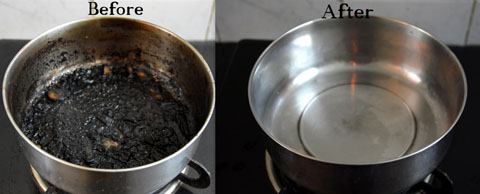
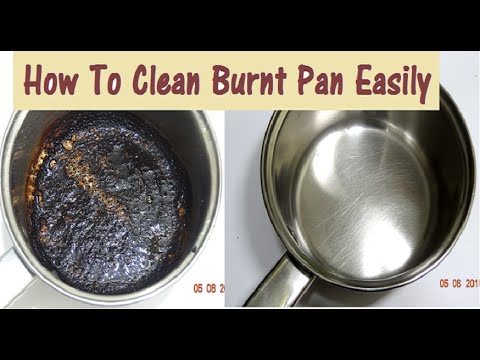
Burnt saucepans are a common kitchen headache. Whether you’re distracted for a few minutes or experimenting with a new recipe, it’s easy to end up with stuck-on food and blackened bottoms. Many people throw away their pans, thinking they are ruined forever. But with the right methods, even the worst burnt saucepan can look almost new again.
This guide will show you step-by-step ways to clean a burnt saucepan, explain why some methods work better than others, and help you avoid mistakes that can damage your cookware. You’ll also discover tips for preventing burns in the future and answers to common questions. Cleaning burnt pans doesn’t need to be stressful—let’s make it simple.
Understanding Why Saucepans Burn
A saucepan usually burns when food sticks to the bottom and the heat is too high. When this happens, sugar, fats, or proteins break down and turn black. Stainless steel, aluminum, and nonstick pans all burn differently. Stainless steel is strong but can get stubborn marks. Aluminum heats fast but scratches easily. Nonstick pans need gentle cleaning to protect their coating.
Another factor is the type of food. Sauces with sugar burn quickly, while milk and cream can leave tough residues. If you leave the pan unattended, the risk increases. A burnt pan is not just ugly—it can change the taste of future meals and even reduce the life of your cookware.
What You Need Before Starting
Before you begin cleaning, gather the right supplies. Using the wrong tools can make the problem worse or damage your pan.
- Dish soap
- Baking soda
- White vinegar
- Salt
- Water
- Non-scratch scrubber (like a sponge or nylon pad)
- Wooden spoon or spatula
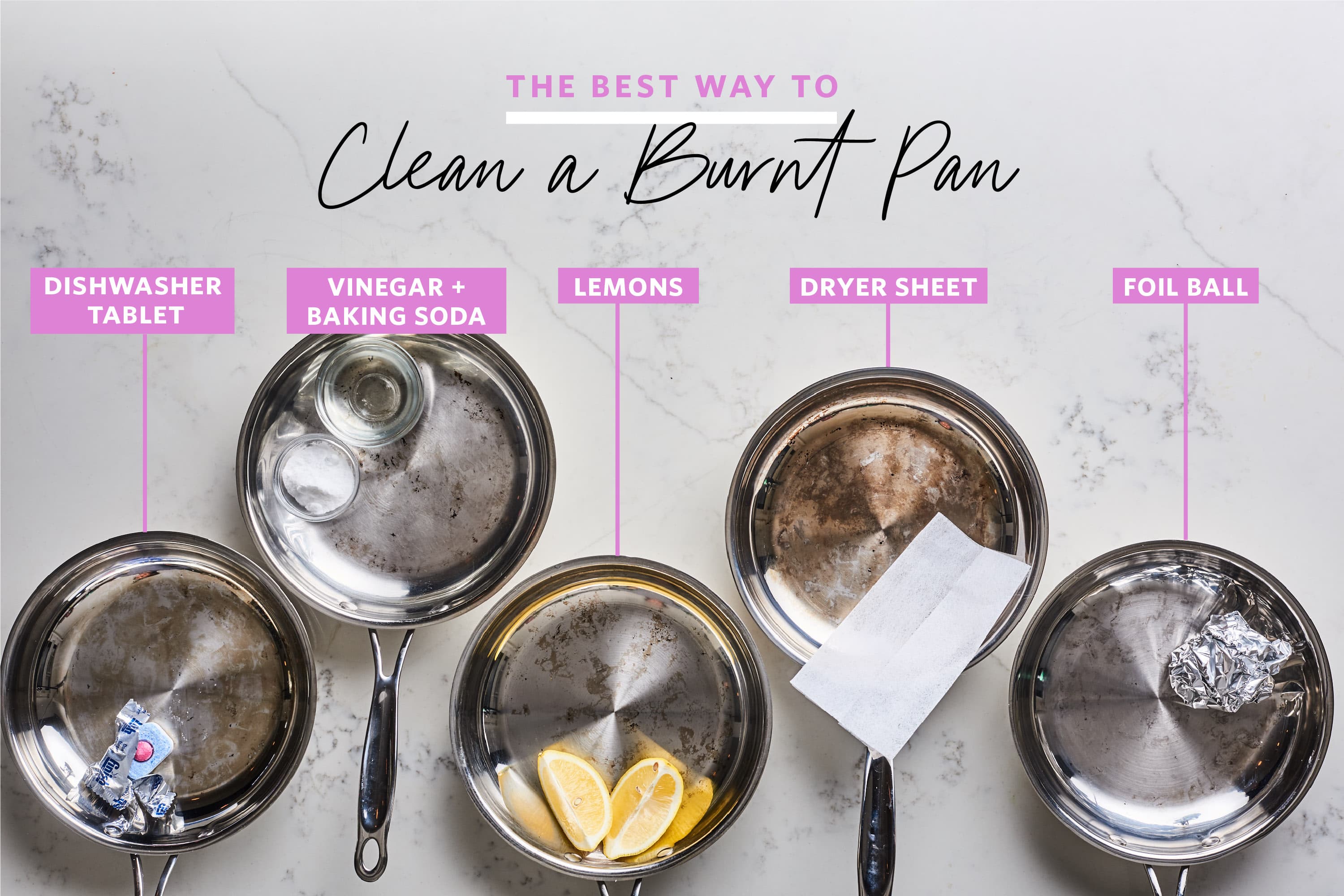
- Aluminum foil (for tough stains, not on nonstick)
- Paper towels or clean cloth
- Rubber gloves (optional for sensitive skin)
Having everything ready will save time and help you clean more efficiently.
Credit: www.padhuskitchen.com
Step-by-step Cleaning Methods
There are several ways to clean a burnt saucepan. The right method depends on how bad the burn is and the material of your pan. Here are the most effective methods, each explained with clear steps.
Soaking With Soap And Hot Water
This is the simplest method and works well for light burns.
- Fill the burnt pan with hot water.
- Add a few drops of dish soap.
- Let it soak for at least 30 minutes (overnight for stubborn burns).
- Use a non-scratch scrubber to gently remove burnt bits.
- Rinse and repeat if needed.
Tip: Do not use steel wool on nonstick or delicate pans—it can scratch the surface.
Baking Soda And Vinegar Method
This is a classic solution for tough stains and burnt-on food. It works well on stainless steel and aluminum pans.
- Sprinkle baking soda (about 2-3 tablespoons) over the burnt area.
- Pour white vinegar (1 cup) into the pan. It will fizz.
- Let the mixture sit for 15 minutes.
- Fill the pan with hot water and bring it to a boil for a few minutes.
- Turn off the heat and allow it to cool.
- Use a non-scratch scrubber to remove the loosened residue.
This method is safe and effective for most pans. It’s also eco-friendly and doesn’t use harsh chemicals.
Salt And Aluminum Foil Scrub
For stubborn, thick burns on metal pans (not nonstick), salt and foil can help.
- Sprinkle coarse salt (about 2 tablespoons) over the burnt area.
- Crumple a piece of aluminum foil into a ball.
- Use the foil to gently scrub the salt over the burnt surface.
- Rinse with warm water.
Salt acts as an abrasive, and foil helps lift burnt bits. Be gentle to avoid scratching.
Boiling Water Method
Sometimes, boiling water is enough to loosen burnt food.
- Fill the pan halfway with water.
- Bring to a boil on the stove for 10-15 minutes.
- Use a wooden spoon to scrape the bottom gently while boiling.
- Discard the water and clean with soap and sponge.
This method is quick and works for moderate burns.
Commercial Cleaners
If home remedies fail, you can use commercial cleaners designed for cookware. Always read instructions and test on a small area. Some products contain chemicals that can harm nonstick coatings or react with aluminum.
| Cleaner | Best for | Approx. Price (USD) | Effectiveness |
|---|---|---|---|
| Bar Keepers Friend | Stainless Steel | $6-8 | High |
| Bon Ami | All Purpose | $4-6 | Medium |
| Weiman Cookware Cleaner | Nonstick | $8-10 | Medium |
Non-obvious tip: Some people use cream cleansers for burnt pans, but they can leave a residue. Always rinse thoroughly.
Choosing The Right Method For Your Pan
Not every cleaning method is safe for all pans. Here’s a quick guide.
| Pan Material | Safe Methods | Avoid |
|---|---|---|
| Stainless Steel | Baking soda, vinegar, salt, commercial cleaners | Steel wool (unless heavy-duty) |
| Aluminum | Baking soda, vinegar, boiling water | Strong acids, harsh abrasives |
| Nonstick | Soap, baking soda, gentle scrubber | Foil, steel wool, harsh chemicals |
Always check the manufacturer’s care instructions before cleaning. Using the wrong method can void the warranty or ruin your pan.
Extra Tips For Removing Burnt Marks
Sometimes, the burn marks are so stubborn that basic cleaning doesn’t work. Here are some advanced tricks:
- Try a paste of baking soda and water. Spread it on the burnt area and let it sit for an hour before scrubbing.
- Use a lemon slice with salt as a scrub for natural cleaning and fresh smell.
- For stainless steel, use a little hydrogen peroxide mixed with baking soda. Let it sit for 30 minutes, then rinse.
- If you have soft water, try adding a splash of vinegar to your cleaning solution. It helps dissolve mineral stains.
Non-obvious insight: Many people forget that repeated gentle cleaning is better than aggressive scrubbing. It’s often possible to remove tough stains by soaking and scrubbing in cycles.
Common Mistakes To Avoid
Cleaning burnt pans can be tricky. Avoid these errors:
- Using metal scrubbers on nonstick or delicate pans.
- Letting pans soak for days—this can damage coatings or cause rust.
- Ignoring manufacturer’s instructions.
- Using bleach or strong chemicals, which can react with metals.
- Scrubbing too hard, which can make the pan uneven and harder to clean next time.
Another mistake: Many people use hot water to shock a hot pan, but sudden temperature changes can warp metal. Let the pan cool before soaking.
Credit: www.youtube.com
Preventing Burnt Saucepans In The Future
Prevention is easier than cleaning burnt pans. Here are practical steps:
- Use lower heat for sauces and milk.
- Stir often to keep food moving.
- Don’t leave pans unattended.
- Add water or liquid when cooking sticky foods.
- Use the right pan size—too small pans burn more easily.
- Preheat gently and avoid empty pans on high heat.
Non-obvious insight: Some cooks use a thin layer of oil to reduce sticking. But too much oil can burn and create residue. Balance is key.
How Clean Is Clean? Understanding Results
Sometimes, even after cleaning, a pan has discoloration or faint marks. Most stains are harmless and don’t affect cooking. The goal is to remove all burnt food and sticky residue, not necessarily restore a pan to perfect shine. Over-cleaning can wear down surfaces.
If your pan has lost its nonstick coating or is deeply scratched, consider replacing it. Safety and performance matter more than appearance.
Credit: www.thekitchn.com
Comparing Diy And Professional Cleaning
Some people ask if professional cleaning is worth it. Here’s a quick comparison:
| Method | Cost | Time | Effectiveness |
|---|---|---|---|
| DIY (Home) | Low ($1-$10) | 1-2 hours | Good |
| Professional | High ($20-$50) | 1-2 days | Excellent |
For most people, DIY cleaning is enough. Professional cleaning is useful for expensive pans or sentimental items.
Frequently Asked Questions
How Do I Clean A Burnt Nonstick Saucepan Safely?
Use dish soap and a soft sponge. Avoid steel wool or harsh chemicals. Baking soda paste is safe, but always rinse well. Never use aluminum foil or abrasive pads.
What If The Burnt Food Won’t Come Off After Several Tries?
Try soaking overnight with hot water and dish soap, then use a baking soda and vinegar solution. Repeat gentle cleaning rather than aggressive scrubbing. If stains remain, they are likely cosmetic.
Can I Use Bleach To Clean A Burnt Pan?
No. Bleach can damage metal surfaces and nonstick coatings. It may also leave harmful residues. Stick to baking soda, vinegar, or commercial cleaners.
How Do I Prevent Saucepans From Burning In The Future?
Cook with lower heat, stir often, and never leave pans unattended. Use the right pan size and add liquid when needed. Preheat pans gently.
Are Burnt Marks Dangerous For Health?
Most burnt marks are not dangerous if cleaned well. However, deep scratches or damaged coatings (especially nonstick) can release toxins. If your pan is badly damaged, consider replacing it.
Cleaning a burnt saucepan can seem impossible at first, but with the right steps, most pans can be restored. Remember to choose the best method for your pan’s material, avoid harsh chemicals, and clean gently. Preventing burns is easier than removing them, so cook with care. If stains remain, it’s usually a sign of cosmetic wear, not a health risk. With these tips, you can keep your cookware looking good and cooking safely. For more on cookware maintenance, check out Epicurious.