Skip to content
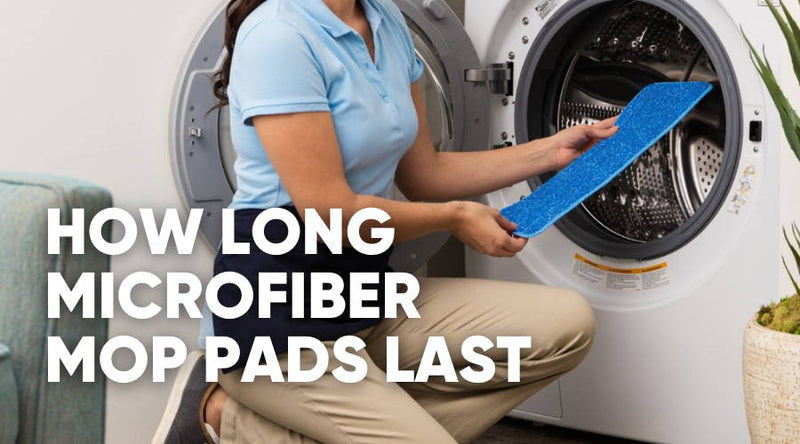
Keeping your floors clean is easier with a microfiber mop, but many people wonder: how long do microfiber mop pads last? If you’ve switched from traditional mops or just bought your first microfiber pad, you want to know if these pads are worth the money and how to make them last. While microfiber pads are famous for their cleaning power, their lifespan depends on several factors—some obvious, some less so.
This article will break down what affects microfiber mop pad durability, how to spot when it’s time for a replacement, and ways to extend their use. Whether you’re cleaning at home or in a business, understanding these points can help you save money and get better results.
What Is A Microfiber Mop Pad?
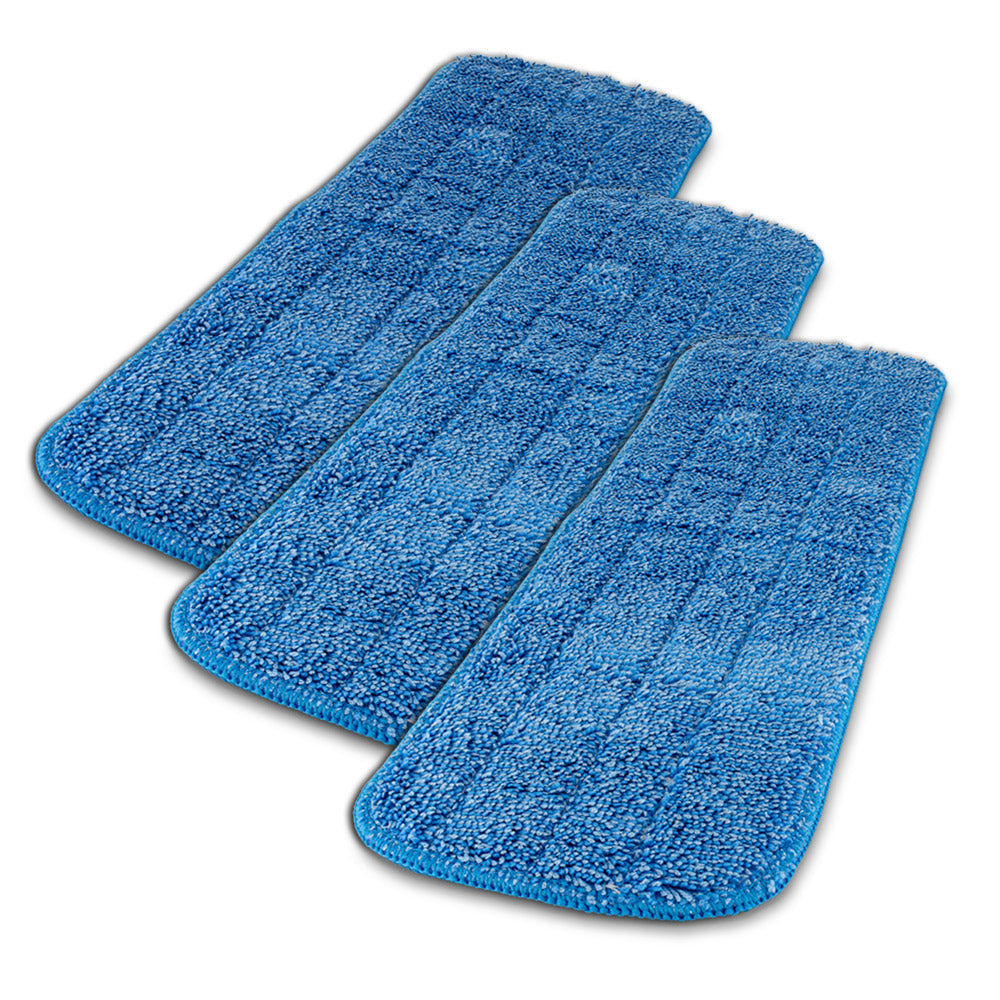
Microfiber mop pads are made from tiny synthetic fibers, usually a mix of polyester and polyamide (nylon). These fibers are much thinner than human hair. Their structure allows them to grab and hold onto dirt, dust, and even bacteria better than cotton or sponge mops. Microfiber pads are reusable and can be washed many times, which is why they are popular in both households and professional cleaning.
Microfiber pads come in different forms:
- Flat mop pads: Attach to a rectangular mop head, ideal for large, flat areas.
- String mop pads: Work like traditional string mops but with microfiber strands.
- Scrubbing pads: Have a rougher surface for tougher stains.
Most pads attach with Velcro or pockets that slip onto the mop head. They are commonly used on hardwood, tile, laminate, and vinyl floors.
Average Lifespan Of Microfiber Mop Pads
How long do microfiber mop pads last? On average, a quality pad can last between 100 and 500 wash cycles. For a household that mops weekly, this means a pad can last 2 to 8 years. In a busy commercial setting, where pads may be washed daily, the lifespan is usually 6 to 18 months.
Here’s a quick comparison for clarity:
| Usage Type | Average Washes | Estimated Lifespan |
|---|---|---|
| Home (Weekly) | 100–500 | 2–8 years |
| Small Business (2–3x/week) | 100–400 | 1–3 years |
| Commercial (Daily) | 100–300 | 6–18 months |
However, these are just averages. Some pads can last longer with proper care, while others wear out quickly with harsh use or poor washing habits.
Key Factors That Affect Microfiber Mop Pad Lifespan
Several important factors decide how long your pads will last:
1. Quality Of The Pad
Not all microfiber pads are equal. High-quality pads use dense, tightly-woven fibers and strong stitching. Cheaper options may look the same at first but break down faster. A good sign is a pad’s GSM (grams per square meter)—higher GSM means more fibers and better durability.
2. Frequency Of Use
How often you mop makes a big difference. Pads used daily will wear out quicker than those used once a week. Heavy-duty cleaning (like muddy boots or greasy kitchens) also reduces lifespan.
3. Washing And Drying Methods
Washing is the most important factor after quality. Common mistakes include:
- Using hot water or bleach, which breaks down the fibers.
- Washing with towels or cotton, causing lint to stick.
- Overloading the washing machine, leading to poor cleaning and fiber damage.
- Using fabric softener, which coats the fibers and reduces cleaning ability.
Proper drying is also important. High heat can shrink or melt synthetic fibers. Air drying or using low heat extends pad life.
4. Floor Type And Dirt Level
Rough surfaces like textured tile or concrete wear out pads faster than smooth floors. Cleaning up pet hair and fine dust is easier on pads than scrubbing sticky spills or sand.
5. Storage Conditions
Storing pads while still wet can lead to mildew, which weakens the fibers and causes bad smells. Always let pads dry completely before storing.
6. Pad Design And Construction
Some pads have reinforced edges or double stitching. These last longer because they resist fraying and splitting.
Non-obvious insight: Even the color of the pad can matter. Darker colors often hide stains, making it harder to see when a pad is worn out.
How To Tell If A Microfiber Mop Pad Needs Replacing
It’s not always easy to know when a microfiber mop pad has reached the end of its life. Here are signs to look for:
- Pad feels thin or limp: Microfiber should feel plush and springy. When it becomes flat, it can’t trap dirt as well.
- Visible holes or fraying: Edges may split, or the pad may develop thin spots.
- Poor cleaning performance: If floors look streaky or dirt is left behind, the fibers may be worn out.
- Bad odors after washing: Lingering smells can mean the fibers are holding onto bacteria or mold.
- Pad no longer clings to mop head: If the Velcro or pockets are worn, the pad won’t stay in place.
| Condition | Replace? |
|---|---|
| Pad feels flat or limp | Yes |
| Edges fraying or holes | Yes |
| Still cleans well after washing | No |
| Odor remains after thorough wash | Yes |
If you’re unsure, compare an old pad to a new one. The difference in texture and cleaning ability will be obvious.
Credit: www.microfiberwholesale.com
Tips To Make Microfiber Mop Pads Last Longer
Want to get the most out of your microfiber pads? These steps can add months or even years to their life:
- Wash pads promptly after use. Don’t let dirt dry into the fibers.
- Use gentle detergent. Avoid bleach and fabric softener.
- Wash with other microfiber only. Lint from cotton can clog fibers.
- Use cold or warm water—never hot.
- Air dry or use low heat. High heat weakens synthetic fibers.
- Store in a dry place. Never leave pads in a damp bucket or bag.
- Rotate pads if you own several. This reduces wear on any single pad.
Pro tip: If a pad isn’t cleaning well, try washing it with a little white vinegar (no detergent) to remove soap build-up.
Comparing Microfiber Mop Pad Brands
There are many brands, but not all pads are created equal. Here’s a quick look at how top brands compare in quality and lifespan:
| Brand | Average Wash Cycles | Price Range (USD) | Special Features |
|---|---|---|---|
| O-Cedar | 100–200 | $8–$15 | Machine washable, reinforced edges |
| Bona | 200–300 | $10–$18 | Extra-absorbent, fits multiple mop heads |
| Rubbermaid | 150–400 | $12–$20 | Heavy-duty stitching, large size |
| Generic/Off-brand | 50–150 | $5–$10 | Variable quality |
While generic pads may seem cheaper, they often wear out faster. Spending a little more on a known brand usually means more washes per pad.
Credit: www.microfiberwholesale.com
Common Mistakes That Shorten Pad Life
Many people lose years of pad use because of small mistakes. Here are some of the most common:
- Using bleach or strong chemicals: These destroy the tiny fibers that make microfiber effective.
- Mixing microfiber with towels or clothing in the wash: Lint and cotton threads get trapped in the pad, making it less effective.
- Drying on high heat: This can melt or shrink the fibers.
- Letting pads sit dirty: Dirt and bacteria can break down the material if left too long.
A less-known mistake is overusing the same pad without enough washing. Microfiber holds a lot of dirt, but if not washed out, it becomes less absorbent and may even scratch floors.
When To Replace Vs. When To Deep Clean
Sometimes, a pad just needs a deep clean instead of replacement. If the pad feels clogged but not torn or thin, try soaking it in hot water with a little vinegar or baking soda, then rinse thoroughly. If performance doesn’t improve, it’s time for a new pad.
Non-obvious insight: Some pads can be revived by brushing the fibers with a stiff brush. This lifts the pile and restores some cleaning ability—helpful if you notice the pad has become matted down.
Environmental Impact Of Microfiber Mop Pads
Microfiber pads are reusable, which means less waste compared to disposable mop heads. Still, when they finally wear out, they are not biodegradable. Some companies now offer recycling programs for used pads. Reusing pads for less demanding jobs—like wiping outdoor furniture—can give them a second life before throwing them away.
Frequently Asked Questions
How Many Times Can I Wash A Microfiber Mop Pad Before Replacing It?
Most quality microfiber mop pads can handle 100 to 500 washes. The exact number depends on the brand, how often you use them, and how you wash them. Pads washed carefully and not overused will last much longer.
Can I Use Bleach Or Fabric Softener With Microfiber Mop Pads?
No, avoid both. Bleach breaks down the synthetic fibers, making pads thin and weak. Fabric softener coats the fibers, reducing their ability to pick up dirt and water. Stick to mild detergent and skip any extras.
What’s The Best Way To Wash Microfiber Mop Pads?
Wash pads in cold or warm water with a gentle, liquid detergent. Wash only with other microfiber items. Avoid hot water, bleach, and fabric softener. Air dry or use a low-heat setting in the dryer.
Are Microfiber Mop Pads Safe For All Floor Types?
Yes, microfiber is safe for hardwood, tile, laminate, and vinyl. It is gentle and won’t scratch. For very delicate floors, use a pad labeled “soft” or “for hardwood.” Avoid using worn-out pads, as rough edges may scratch sensitive surfaces.
Where Can I Learn More About Microfiber Cleaning?
For in-depth information on how microfiber works and why it cleans so well, check out this Wikipedia article on microfiber.
Microfiber mop pads are a smart investment for easy, effective cleaning. With the right care, you’ll enjoy clean floors—and save money—year after year.
Credit: www.microfiberwholesale.com