Skip to content
Every professional cleaner understands that the right mop is more than just a stick with a cloth. It is a tool that can make cleaning faster, easier, and more effective. For people who want spotless floors, knowing what mop professional cleaners use can help you choose smarter for your home or business.
Not all mops are equal—some are made for speed, some for deep cleaning, and others for special surfaces. This article explains which mops professionals prefer, why they choose them, and what beginners often overlook. You will also find practical comparisons, real-world examples, and answers to common questions.
Why Professional Cleaners Are Picky About Mops
Professional cleaners deal with dirty floors every day. Their job is to get results quickly, safely, and without mistakes. So, they need mops that are:
- Durable
- Efficient
- Easy to use
- Safe for all floor types
Most professionals do not pick mops randomly. They choose based on the job, the floor, and the cleaning solution. A mop that works well in a hospital may not be ideal for a restaurant. This careful selection is why their floors shine and last longer.
The Most Popular Mop Types Among Professionals
Let’s look at the mops that professional cleaners rely on the most. Each type has its own strengths, weaknesses, and best uses.
String Mop
The classic string mop is still widely used. It has a thick bundle of cotton or synthetic strings attached to a handle. Professionals like it because:
- It holds a lot of water and cleaning solution
- It covers large areas quickly
- It is good for rough or uneven floors
However, string mops can leave behind more water, which may not be great for wood or laminate floors. They also need regular washing and can wear out faster if used incorrectly.
Flat Mop
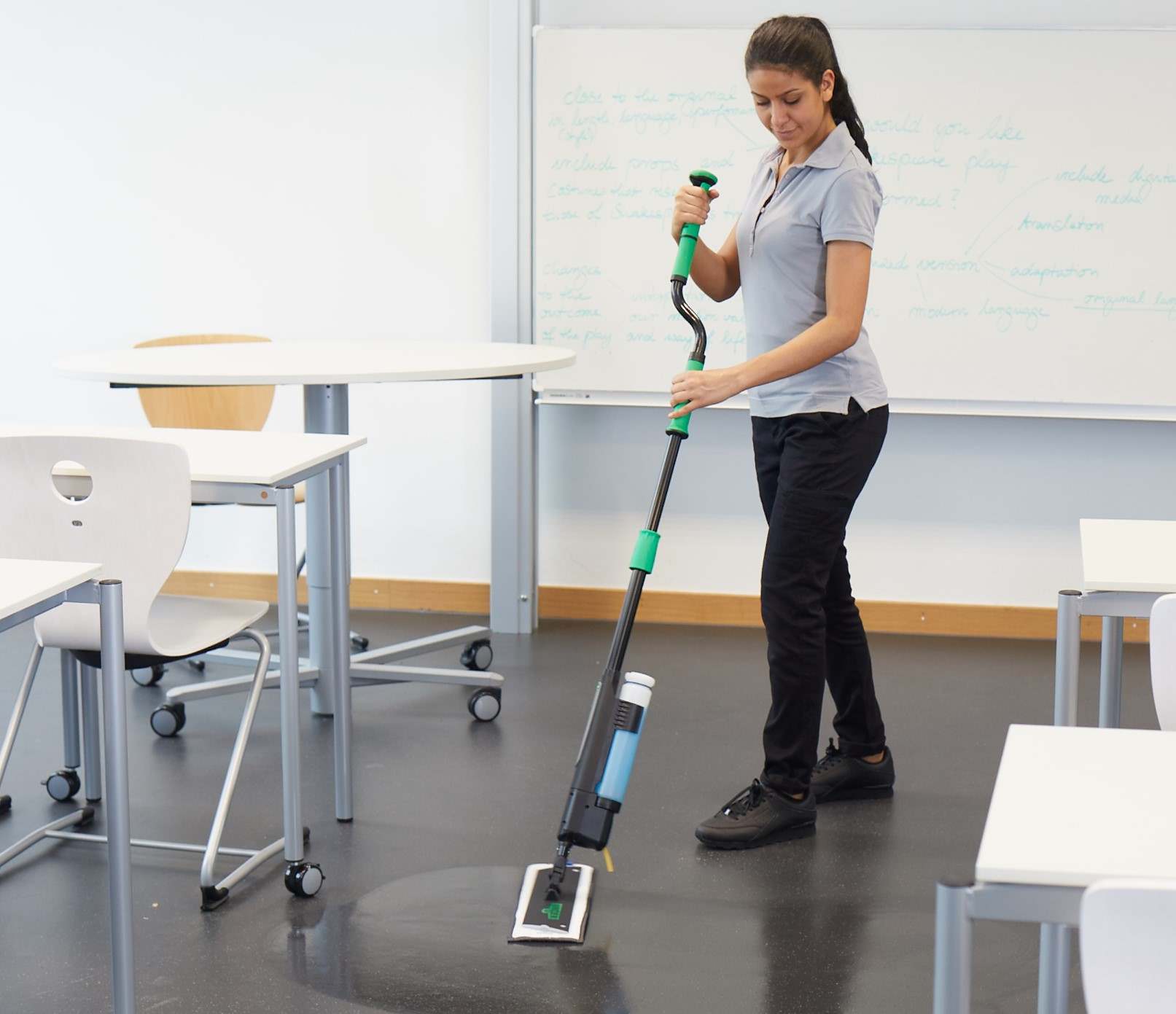
The flat mop is a modern favorite, especially in hospitals and offices. It has a flat, rectangular head with a microfiber pad. Professionals choose it because:
- It uses microfiber, which picks up dust and bacteria easily
- It leaves less water behind
- It is easy to clean and reuse
Flat mops are ideal for smooth floors like tile, vinyl, or hardwood. They are not great for very dirty or sticky messes unless used with a strong cleaning solution.
Sponge Mop
The sponge mop is useful for kitchens and bathrooms. It has a sponge head and usually a built-in wringer. Professional cleaners use it for:
- Absorbing spills quickly
- Scrubbing sticky spots
- Reaching tight corners
One downside is that sponge mops can collect bacteria if not cleaned well. They also need replacement heads more often than other types.
Dust Mop
A dust mop is used for dry cleaning—no water involved. It has a wide head with soft fibers. Professionals use it to:
- Pick up dust, hair, and light debris
- Prep floors before wet mopping
- Clean large spaces like gym floors
Dust mops cannot remove sticky dirt or stains. They are a first step in cleaning, not the last.
Comparing Mop Types: What Really Matters
Professional cleaners look at several factors before choosing a mop. Here’s a comparison that shows what matters most:
| Mop Type | Best For | Key Strength | Main Weakness |
|---|---|---|---|
| String Mop | Large, rough floors | High absorbency | Leaves water behind |
| Flat Mop | Smooth, small areas | Microfiber cleaning | Not for heavy messes |
| Sponge Mop | Spills, kitchens | Quick absorption | Bacteria risk |
| Dust Mop | Dry debris | Large area coverage | No wet cleaning |
Beginners often miss two key points:
First, most professionals own more than one mop. They switch between types depending on the job. Second, the best mop for you depends on your floor’s material, the amount of dirt, and how often you clean.
Why Microfiber Is The Top Choice
Microfiber has become the standard for professional cleaning. It is made from tiny synthetic fibers that trap dust, dirt, and even bacteria. Here’s why professionals love microfiber mops:
- They clean with less water and fewer chemicals
- They are lightweight and easy to handle
- They can be washed and reused hundreds of times
Many studies show that microfiber mops remove more bacteria than cotton. This is why hospitals and clinics require them. For example, a study by the CDC found that microfiber mops can reduce bacteria by up to 99% compared to traditional mops.
Commercial Mop Brands Professionals Trust
Professional cleaners often rely on certain brands for their reliability and performance. Some of the top brands are:
- Rubbermaid Commercial – Known for durable flat and string mops.
- O-Cedar Commercial – Offers strong string and microfiber mops.
- Vileda Professional – Widely used in hospitals for their flat microfiber mops.
- Libman Commercial – Popular for sponge and heavy-duty string mops.
- 3M – Their Scotch-Brite line is favored for dust and flat mops.
These brands have products that last longer and are tested for heavy use. Professionals usually buy mop heads and handles separately to fit their specific needs.
How Professionals Use Mops Efficiently
Cleaning is not just about the mop—it’s about how you use it. Here are methods professionals use to get the best results:
- Prepping the floor: They sweep or use a dust mop before wet mopping. This removes loose dirt and prevents scratching.
- Using the right amount of water: Too much water can damage floors and leave streaks. Professionals wring out mops well.
- Changing mop heads: They swap mop heads regularly to avoid spreading dirt.
- Mopping in sections: They clean in small areas, moving from clean to dirty zones.
A common mistake is using the same mop head for too long. Professionals change them often, especially in high-traffic or dirty areas.
Credit: www.microfiberwholesale.com
Comparing Professional And Consumer Mops
Not all mops sold in stores are suitable for professional use. Here’s how professional mops compare to consumer mops:
| Feature | Professional Mop | Consumer Mop |
|---|---|---|
| Durability | Lasts 6-12 months with heavy use | Lasts 1-3 months with light use |
| Cleaning Power | Removes bacteria and deep dirt | Removes surface dust only |
| Cost | Higher upfront, cheaper long term | Low upfront, more replacements |
| Ease of Use | Ergonomic, faster cleaning | Basic design, slower |
Professional mops are designed for speed, safety, and thorough cleaning. Most homeowners can benefit from using them, especially in large or busy spaces.
Specialized Mops For Unique Jobs
Some cleaning jobs need special mops. Professionals often use:
- Steam mops: For deep cleaning without chemicals. These are popular in hotels and restaurants.
- Disinfectant mops: Used in hospitals to kill germs.
- High-reach mops: Designed for walls, ceilings, or tall windows.
These mops are not used every day but are important for tough jobs.
How To Choose The Right Mop Like A Pro
Choosing a mop is easier when you know what professionals look for:
- Floor type: Is it wood, tile, vinyl, or concrete?
- Cleaning frequency: How often will you mop?
- Amount of dirt: Are spills or heavy messes common?
- Size of area: Large spaces need wider mop heads.
- Maintenance: Can you wash and reuse the mop head?
For most homes, a microfiber flat mop is best. If you have heavy dirt, add a string mop. For quick spills, keep a sponge mop handy.
What Beginners Often Miss
Many people ignore two important details:
- Mop handles: Professionals prefer adjustable, lightweight handles. This reduces fatigue and makes cleaning easier.
- Mop head attachments: Quick-release heads save time and reduce contact with dirty water.
These features make professional mops safer and more comfortable, especially for long shifts.
Credit: usa.ungerglobal.com
Cleaning Solutions Used With Professional Mops
The type of cleaning solution matters as much as the mop. Professionals often use:
- Neutral floor cleaners: Safe for most surfaces.
- Disinfectants: For hospitals or kitchens.
- Eco-friendly solutions: Less chemicals, safer for pets and kids.
Overusing strong chemicals can damage floors and harm your health. Professionals follow product instructions and use only what is needed.
Real-world Example: Hospital Vs. Restaurant Cleaning
Let’s compare how professionals mop in different places:
- Hospitals: Use microfiber flat mops and disinfectant solutions. Mop heads are changed after every room.
- Restaurants: Use string mops for large spills and flat mops for daily cleaning. They use degreasers for kitchen floors.
This shows that no single mop works everywhere. Professionals match their tools to the job.
Maintenance Tips For Professional Mops
To keep mops working well, professionals:
- Wash mop heads after every use
- Store mops in a dry, ventilated area
- Replace mop heads when worn or stained
- Clean handles and wringers regularly
These steps prevent bacteria growth and keep cleaning effective. A dirty mop spreads more dirt than it removes.
Frequently Asked Questions
What Is The Best Mop For Cleaning Hardwood Floors?
The best mop for hardwood floors is a microfiber flat mop. It uses less water, which protects wood from swelling or damage. Always wring out the mop well and use a gentle cleaner.
Can I Use A Professional Mop At Home?
Yes, you can use professional mops at home. They clean faster, last longer, and remove more dirt. Just make sure to match the mop type to your floor and cleaning needs.
How Often Should I Replace A Mop Head?
Professional cleaners replace mop heads every 1-3 weeks depending on use. At home, replace them every month or sooner if they look dirty, smell, or leave streaks.
Are Steam Mops Safe For All Floors?
Steam mops are safe for tile and sealed floors but can damage unsealed wood or laminate. Always check your floor manufacturer’s advice before using steam.
What Cleaning Solution Do Professionals Use?
Professionals use neutral floor cleaners for general cleaning and disinfectants in hospitals or kitchens. Eco-friendly solutions are also popular. Always follow instructions for safe use.
Professional cleaners do not just rely on luck—they choose their mops with care and use them with skill. Whether you run a business, clean your home, or want to upgrade your cleaning tools, understanding what mop professionals use can help you get the best results. If you want more detailed comparisons and science-backed advice, you can check the CDC Environmental Cleaning Guidelines. With the right mop, your floors will stay cleaner, healthier, and last longer.
:max_bytes(150000):strip_icc()/spr-best-mop-type-april-24-primary-ebrockob-001-26c04507ab9e4c4ea0255f5134488f74.jpeg)
Credit: www.thespruce.com