Skip to content
Choosing between sous vide and pressure cooker can be confusing, especially for home cooks who want better results with less stress. Both methods promise delicious meals, but they work in very different ways. Understanding their strengths, weaknesses, and how they fit into your kitchen can help you cook smarter and tastier. This article breaks down how sous vide and pressure cooker compare, explains when to use each, and highlights tips that most beginners miss. Whether you’re looking for perfect steak or quick soups, you’ll find practical advice here.
What Is Sous Vide?
Sous vide is a cooking technique where food is placed in a vacuum-sealed bag and cooked in a water bath at a precise temperature. The name means “under vacuum” in French. With sous vide, you set the water bath to a specific temperature—usually between 120°F and 185°F—and the food cooks slowly, often for hours. This allows for gentle, even cooking.
Key benefits of sous vide:
- Precise temperature control: Food never overcooks because the water bath keeps the temperature constant.
- Retained moisture: Food stays juicy, because it’s sealed and never exposed to dry heat.
- Flavor infusion: Seasonings and marinades penetrate deeply.
- Consistency: Every meal turns out the same, even for beginners.
Sous vide is popular for cooking steak, chicken, fish, eggs, and vegetables. It’s also used for making desserts like custards.
What Is A Pressure Cooker?
A pressure cooker is a sealed pot that cooks food quickly using steam pressure. When you heat water inside the cooker, steam builds up, increasing the pressure. This raises the boiling point and cooks food much faster—sometimes up to 70% faster than normal methods.
Main advantages of pressure cookers:
- Speed: Meals like stews and beans cook in under an hour.
- Energy efficiency: Less time means less electricity or gas used.
- Tenderizes tough cuts: Cheaper meats become soft and flavorful.
- One-pot convenience: You can sauté, cook, and simmer in one pot.
Pressure cookers are ideal for soups, stews, rice, beans, curries, and braised meats. They’re also used for canning and sterilizing.
How Sous Vide And Pressure Cooker Work
Both methods use heat and moisture, but their approach is very different.
| Aspect | Sous Vide | Pressure Cooker |
|---|---|---|
| Temperature Range | 120°F–185°F | 212°F–250°F |
| Cooking Time | 1–48 hours | 15–90 minutes |
| Moisture Retention | Very high | High, but varies |
| Precision | Exact | Less precise |
| Flavor Infusion | Excellent | Good |
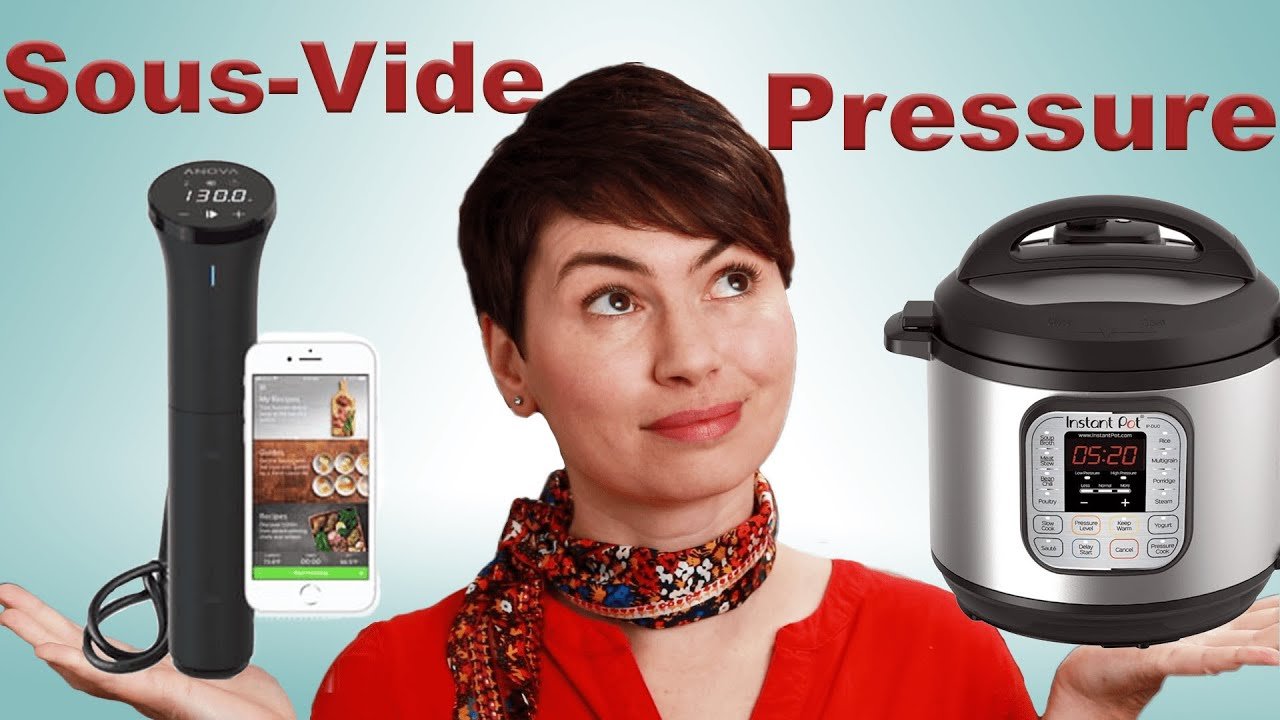
Sous vide is about gentle, even heat, while pressure cookers use high temperature and pressure to cook quickly.
Food Quality: Taste, Texture, And Nutrition
Sous vide delivers food with a unique texture—meats are tender but never dry, vegetables are crisp yet cooked through. Because sous vide uses lower temperatures, it preserves more nutrients in vegetables and delicate proteins.
Pressure cookers excel at breaking down tough fibers, making stews and braised meats melt in your mouth. However, the high heat can sometimes change the texture of delicate foods or cause vegetables to lose color and nutrients.
Non-obvious insight: Sous vide is excellent for batch cooking. You can cook multiple bags at once, then chill and reheat without losing quality. Most beginners don’t realize this saves time all week.
Food Safety
Sous vide requires careful temperature control to avoid bacteria. Always cook at or above 130°F (54°C) for meat and hold for the correct time. Pressure cookers kill bacteria quickly due to high heat and pressure, making them safer for canning.
Credit: www.youtube.com
Practical Examples: When To Use Each
Knowing when to choose sous vide or pressure cooker can make meal planning easier.
- Steak or Chicken Breast: Sous vide wins for perfect doneness. You can cook steak to exactly 135°F, then sear for a restaurant-quality crust.
- Pulled Pork or Beef Stew: Pressure cooker is faster. Tough meats become tender in about an hour.
- Eggs: Sous vide lets you make silky poached eggs or custards. Pressure cooker is better for hard-boiled eggs in bulk.
- Vegetables: Sous vide keeps veggies bright and crisp. Pressure cooker is best for root vegetables or making soups.
- Beans and Lentils: Pressure cooker cuts cooking time from hours to minutes.
Non-obvious tip: Sous vide is great for prepping meals in advance. Cook, chill, and store. Reheat by dropping the bag back in the water bath.
Ease Of Use: Setup, Cleaning, And Maintenance
Sous vide requires a water bath and vacuum sealer or zip-top bags. The setup is simple, but you need patience as cooking takes longer. Cleaning is easy—just rinse the bag and water bath container.
Pressure cookers have more parts: seals, valves, and the pot. Setup is fast, but cleaning can be tricky if food sticks or leaks. New electric pressure cookers (like Instant Pot) make things easier with built-in programs.
Beginner Mistakes
- Sous vide: Not sealing the bag properly, leading to water leaks. Forgetting to finish meats with a quick sear for flavor.
- Pressure cooker: Overfilling the pot can block valves. Not using enough liquid causes burning or failed pressure.
Cost Comparison: Equipment And Running Costs
Sous vide machines range from $80–$300 for home use. You also need bags or a sealer, costing $10–$30. Running costs are low—just water and electricity.
Pressure cookers range from $40 for stovetop to $150+ for electric models. No need for extra bags. They use less energy because of fast cooking.
| Item | Sous Vide | Pressure Cooker |
|---|---|---|
| Initial Cost | $80–$300 | $40–$150 |
| Accessories | Bags, sealer ($10–$30) | None |
| Energy Use | Low, but longer | Very low, short time |
| Maintenance | Minimal | Moderate |
Versatility And Meal Types
Sous vide is great for:
- Meats: Steak, pork chops, chicken breasts
- Fish: Salmon, tuna, shrimp
- Eggs: Custards, poached eggs
- Vegetables: Asparagus, carrots, corn
Pressure cooker excels at:
- Stews and soups: Beef stew, chicken soup, chili
- Beans and legumes: Black beans, lentils, chickpeas
- Rice and grains: Risotto, brown rice
- Tough meats: Pork shoulder, brisket
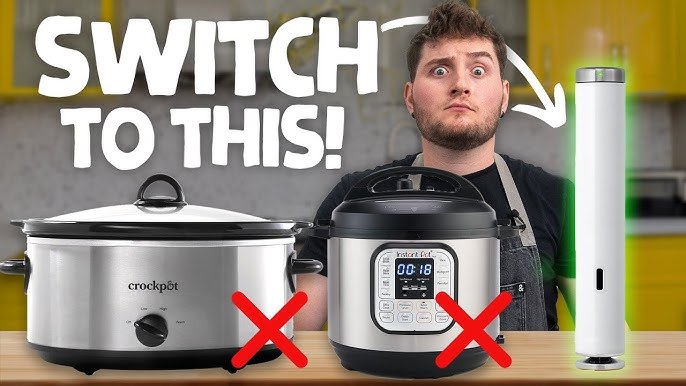
Some meals can use both methods. For example, you can sous vide a steak for tenderness, then finish in a pressure cooker if making stew.
Credit: www.youtube.com
Time Efficiency: Planning And Meal Prep
Pressure cookers are unbeatable for last-minute meals. You can make a full dinner in under an hour. Sous vide is slower, but it offers flexibility—you can start cooking before work, and the meal will be ready when you return.
Non-obvious insight: Sous vide is ideal for busy families who want to meal prep. You can cook several portions, freeze, and reheat without losing taste or texture. Most pressure cooker meals must be eaten fresh or stored as leftovers.
| Meal Type | Sous Vide Prep Time | Pressure Cooker Prep Time |
|---|---|---|
| Steak | 1–4 hours | 20–40 minutes |
| Chicken Breast | 1–2 hours | 15–30 minutes |
| Beef Stew | 10–24 hours | 30–60 minutes |
| Vegetables | 30–90 minutes | 10–20 minutes |
Which Is Better For You?
There’s no single winner. If you want perfect doneness and don’t mind waiting, sous vide is unmatched. If you need fast, hearty meals or cook in bulk, pressure cooker is more practical.
Ask yourself:
- Do you cook mostly meats and want restaurant quality? Sous vide is best.
- Do you need quick meals and love stews, beans, and curries? Pressure cooker wins.
- Are you a meal prepper? Sous vide for advance planning, pressure cooker for batch cooking.
Non-obvious tip: Many chefs use both methods. Sous vide for precision and pressure cooker for speed. Combining both is possible—cook meat sous vide, then finish in a pressure cooker stew.
For more detailed science and safety info, check out Wikipedia’s sous vide page.
:max_bytes(150000):strip_icc()/crockpot-6-quart-slow-cooker-tout-66139cfdabbf4382bc2767c31d0b336a.jpg)
Credit: www.foodandwine.com
Frequently Asked Questions
What Foods Are Best For Sous Vide?
Sous vide is ideal for steak, pork chops, chicken breasts, fish, and eggs. It also works well for vegetables like asparagus and carrots, and even desserts like custard.
Can I Pressure Cook Everything I Sous Vide?
Not always. Pressure cookers are best for stews, soups, beans, and tough meats. Delicate foods like fish or custards may lose texture or break apart under pressure.
Is Sous Vide Safe For Cooking Meat?
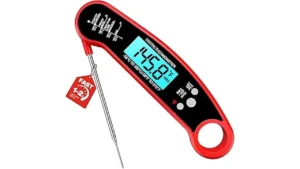
Yes, if you follow safe temperatures and cooking times. Always cook meat at or above 130°F (54°C) and hold for the right time to kill bacteria. Using a food thermometer helps ensure safety.
Do Pressure Cookers Use More Energy Than Sous Vide?
No. Pressure cookers are more energy efficient because they cook food fast. Sous vide uses low energy per hour but runs for longer periods.
Can I Use Both Methods For Meal Prep?
Absolutely. You can sous vide meats ahead of time, chill or freeze, then reheat in the water bath. Pressure cookers are great for batch-cooking beans, soups, or grains for the week.
Sous vide and pressure cooker are both powerful tools. Choosing the right one depends on your cooking style, time, and taste preferences. Mastering both will give you the freedom to cook meals that fit your life—whether you want perfect steak or quick stew.
With the tips and insights above, you can confidently use each method and avoid common mistakes.