Skip to content
Packing soup for lunch or a picnic can feel tricky. You want your meal to stay hot, fresh, and safe to eat. Many people ask, “Can you put soup in a thermos? ” The answer is yes—but there’s more to it than simply pouring soup into a container.
Choosing the right thermos, prepping your soup, and using proper techniques can make a big difference. Let’s explore how to keep soup delicious and hot for hours, the science behind thermos insulation, and common mistakes to avoid. If you’re new to using a thermos or want to get the best results, this guide will help you master the basics and pick up some expert tips.
How Thermoses Keep Soup Hot
Thermoses are popular for keeping food and drinks warm. But how do they work? A thermos uses vacuum insulation. The container has two walls with a space between them. The air is removed from this space, creating a vacuum. Since heat doesn’t travel well through a vacuum, the soup inside stays hot.
Key Insulation Features
- Double-walled design: Prevents heat from escaping.
- Stainless steel: Often used because it’s durable and safe for hot liquids.
- Sealed lids: Stop heat and steam from leaking out.
Some high-end thermoses claim to keep soup hot for up to 12 hours. Real-world tests show most thermoses keep soup above 140°F (60°C) for 6–8 hours, which is safe for eating. After that, the temperature drops, and bacteria can grow if the soup cools too much.
Comparing Thermos Types
Not all thermoses perform the same. Here’s a look at how three common thermos types compare in heat retention:
| Thermos Type | Material | Hot Retention (Hours) | Safe for Soup? |
|---|---|---|---|
| Standard Stainless Steel | Stainless Steel | 6–8 | Yes |
| Plastic-lined | Plastic + Metal | 2–4 | Not Recommended |
| Glass-lined | Glass + Metal | 4–6 | Yes, but fragile |
Stainless steel thermoses are best for soup because they’re strong, don’t break easily, and keep food safe.
Choosing The Right Thermos For Soup
Picking a thermos isn’t just about size or price. When you want to put soup in a thermos, consider these important factors:
Capacity
Most thermoses range from 12 oz (350 ml) to 32 oz (950 ml). For a single serving, 16–20 oz is usually enough. If you’re packing soup for two or more people, choose a bigger one.
Lid Design
A wide-mouth thermos is ideal for soup. It’s easier to fill, clean, and eat from. Narrow-mouth thermoses work well for drinks but are frustrating for chunky soups.
Material Safety
Stainless steel is safest. Avoid thermoses with plastic interiors. Hot soup can cause plastic to release chemicals, which isn’t healthy.
Leakproof Seal
A strong, secure lid keeps soup from spilling. Look for thermoses with silicone seals or screw-top lids.
Heat Retention Ratings
Manufacturers often list “hot retention” hours. Check if the thermos can keep soup above 140°F (60°C) for at least 6 hours. That’s the minimum for food safety.
Comparing Features
Here’s a quick side-by-side of two popular thermos models:
| Feature | Thermos Brand A | Thermos Brand B |
|---|---|---|
| Capacity | 16 oz | 24 oz |
| Material | Stainless Steel | Stainless Steel |
| Leakproof | Yes | Yes |
| Heat Retention | 6 hours | 8 hours |
| Price | $20 | $30 |
A larger thermos can hold more soup, but it’s heavier. If you carry lunch daily, a lighter thermos may be easier.

Credit: www.amazon.com
Preparing Soup For A Thermos
Putting soup in a thermos is more than just pouring. Follow these steps to keep your soup hot and tasty:
1. Preheat The Thermos
Before adding soup, fill the thermos with boiling water. Close the lid, let it sit for 5–10 minutes, then pour out the water. This warms up the inside, helping your soup stay hot longer.
2. Heat Soup Thoroughly
Soup should be boiling hot—at least 165°F (74°C)—before you put it in the thermos. This kills bacteria and keeps the soup at a safe temperature.
3. Fill Quickly And Seal Tight
Pour the hot soup in right after preheating. Fill it almost to the top, leaving a small space for the lid. Close the lid tightly to prevent heat from escaping.
4. Use The Right Tools
A ladle or funnel makes pouring easier, especially for chunky soups. For thick soups like chili or stew, a wide-mouth thermos is best.
5. Avoid Overfilling
Don’t fill past the “max fill” line. Overfilling can cause leaks and make the lid hard to close.
What Soups Work Best In A Thermos?
Not all soups are equal when it comes to packing in a thermos. Some stay hot and fresh better than others.
Ideal Soup Types
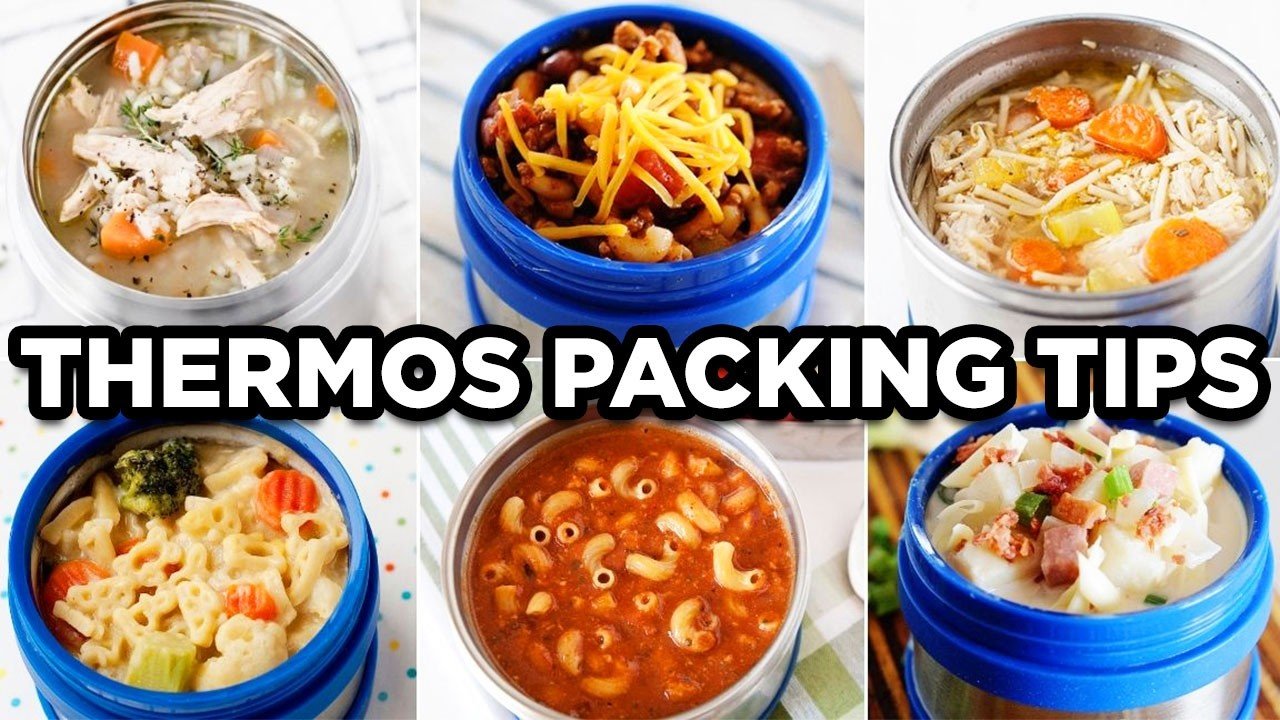
- Broth-based soups: Chicken, beef, or vegetable broth stay hot and don’t get mushy.
- Pureed soups: Tomato, pumpkin, or lentil soup are smooth and easy to pour.
- Chunky soups: Minestrone, vegetable, or chicken noodle work if you use a wide-mouth thermos.
Soups To Avoid
- Creamy soups: Dairy-based soups can curdle if kept hot too long.
- Seafood soups: Fish and shellfish can spoil faster.
- Soups with pasta/rice: These can get soggy after hours in a thermos.
Real-world Examples
If you pack chicken noodle soup in a thermos, the noodles may absorb broth and become soft. Vegetable soup holds up better, as veggies don’t get mushy as quickly.

Credit: www.reddit.com
Common Mistakes When Putting Soup In A Thermos
Many beginners make simple errors that ruin their lunch. Here are some mistakes and how to avoid them:
Not Preheating The Thermos
Skipping this step means your soup will cool quickly. Always preheat with boiling water.
Using Lukewarm Soup
Soup that isn’t hot enough won’t stay hot. Heat it to a boil before packing.
Filling Too Much
Overfilling can cause spills and make the lid hard to close.
Not Cleaning Properly
Soup residue can cause odors or mold. Wash your thermos after every use.
Packing Dairy Or Seafood
These ingredients spoil faster. Stick to broth or veggie-based soups if you need to keep them hot for hours.
Keeping Soup Hot And Safe
Food safety is important. Soup should stay above 140°F (60°C) to prevent bacteria growth. If you can’t eat your soup within 6–8 hours, it’s safer to refrigerate and reheat.
Food Safety Tips
- Use a food thermometer to check the soup’s temperature after a few hours.
- Don’t leave soup in a thermos overnight.
- If soup smells strange or tastes sour, don’t eat it.
Storage And Transport
Carry your thermos upright to prevent leaks. If you travel long distances, use an insulated bag for extra protection.
Credit: www.youtube.com
Cleaning And Caring For Your Thermos
A clean thermos lasts longer and keeps food safe.
Daily Cleaning
Rinse with hot water after each use. For deeper cleaning, use a bottle brush and mild soap.
Removing Odors
If your thermos smells, fill it with baking soda and warm water. Let it sit for an hour, then rinse.
Preventing Stains
Avoid tomato-based soups if you want to keep your thermos looking new. Some ingredients can stain the metal inside.
Cleaning Frequency Comparison
| Cleaning Method | Frequency | Effectiveness |
|---|---|---|
| Rinse Only | After Each Use | Low |
| Soap + Brush | Daily | High |
| Baking Soda Soak | Weekly | Medium |
Always dry your thermos fully before storing. Moisture can cause mold or odors.
Practical Tips For Soup In A Thermos
Here are some expert tips that most beginners miss:
- Layer ingredients: If your soup has toppings like herbs, pack them separately and add before eating. This keeps them fresh.
- Use boiling water for preheating: Some people use hot tap water, but boiling water is much better.
- Test before packing: Pour soup into the thermos, close the lid, wait 15 minutes, and check the temperature. If it drops below 140°F (60°C), try a different thermos.
- Add a small ice cube: For cream soups, adding an ice cube slows curdling. Only do this if you’ll eat soon.
- Avoid salt-heavy soups: Salt speeds up heat loss. Choose low-salt recipes for best results.
Frequently Asked Questions
Can You Put Cold Soup In A Thermos?
Yes, you can put cold soup in a thermos. However, thermoses work best for keeping things hot or cold, not for changing their temperature. If you want cold soup (like gazpacho), chill it first, then pack in a pre-cooled thermos.
How Long Does Soup Stay Hot In A Thermos?
Most quality thermoses keep soup hot for 6–8 hours. After that, the temperature drops below safe levels. Always check your thermos’s heat retention rating.
Can You Put Chunky Soup In A Thermos?
Absolutely. Chunky soups work well if you use a wide-mouth thermos. This makes pouring, cleaning, and eating easier.
Is It Safe To Store Soup Overnight In A Thermos?
No. Soup should not be kept in a thermos overnight. It may cool to unsafe temperatures, allowing bacteria to grow. Refrigerate leftovers and reheat before packing.
How Do You Clean A Thermos After Soup?
Wash with hot water and mild soap after each use. Use a bottle brush for deep cleaning. For tough odors, soak with baking soda and warm water for an hour.
Packing soup in a thermos is a great way to enjoy a hot meal anywhere. With the right thermos and a few smart steps, your soup will stay hot, safe, and tasty for hours. Remember to preheat, use boiling soup, and clean your thermos well. For more expert food storage tips, check out resources like FoodSafety.gov. With practice, you’ll find the best soups and methods for your daily routine. Enjoy your meal, wherever you go!