Every kitchen has a few tools we rely on almost every day. The tea kettle is one of them. Whether you use it to make tea, coffee, or just for boiling water, a clean kettle is important for both taste and safety. But over time, minerals from water can build up inside, making your kettle less efficient and even affecting the flavor of your drinks.
If you’ve ever noticed white spots, strange smells, or slow boiling, it’s time to give your kettle a good cleaning. Let’s walk through everything you need to know to keep your tea kettle in top condition, from simple daily care to deep cleaning and descaling.
Why Cleaning Your Tea Kettle Matters
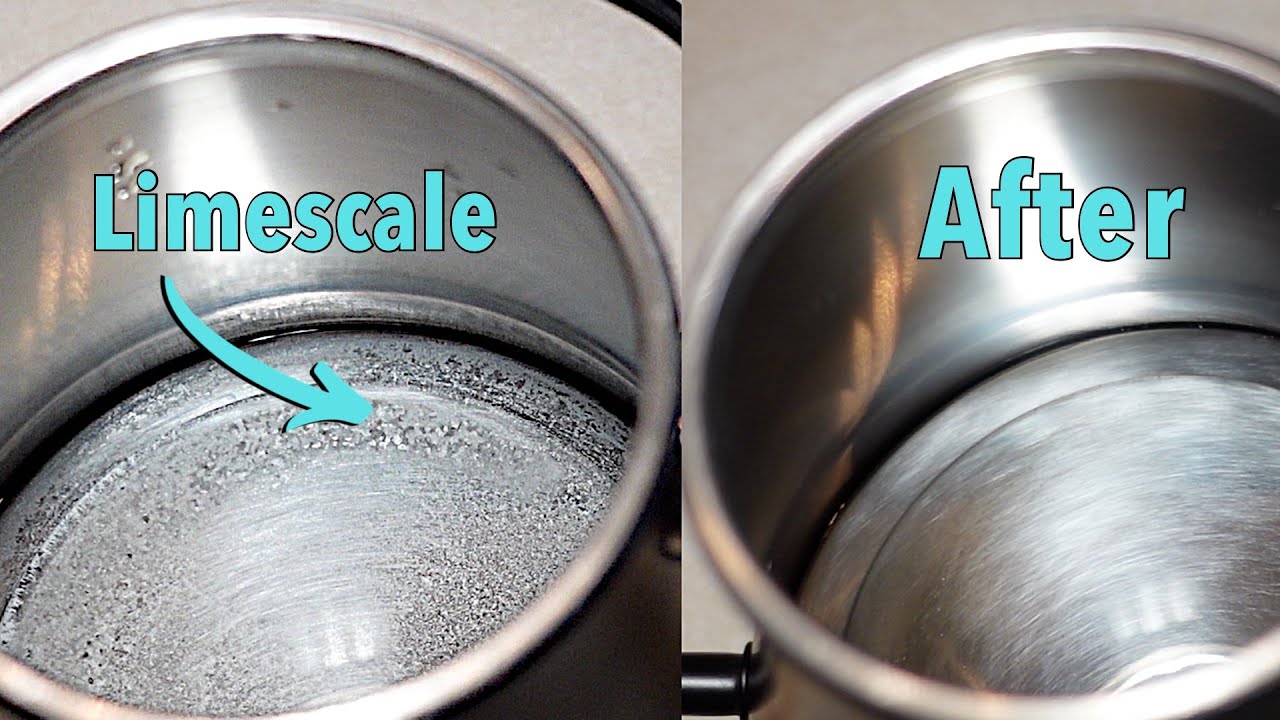
A tea kettle may look clean on the outside, but inside, limescale and mineral deposits can build up quickly. Hard water areas are especially prone to this problem. Limescale is mostly calcium carbonate, which is left behind when water is heated. Over time, this buildup can:
- Slow down boiling times (using more energy)
- Make water taste “off”
- Leave floating bits in your tea
- Shorten the life of your kettle
In fact, a kettle with a thick layer of limescale can take up to 25% more energy to boil water. That’s bad for your wallet and the environment. Cleaning isn’t just about looks—it’s about keeping your kettle working well and your drinks tasting fresh.
Types Of Tea Kettles And Cleaning Considerations
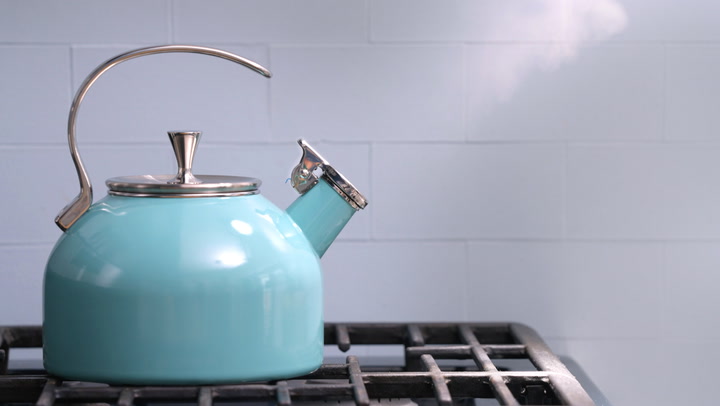
Not all tea kettles are the same. The cleaning method depends on the material and whether it’s stovetop or electric.
| Type | Common Materials | Special Cleaning Needs |
|---|---|---|
| Stovetop Kettle | Stainless steel, glass, copper, ceramic | Can soak and scrub; avoid harsh cleaners for copper |
| Electric Kettle | Stainless steel, plastic, glass | Avoid submerging base; never soak electrical parts |
Key Insight: Electric kettles need extra care since water inside the base can damage the heating element. Always check the manufacturer’s instructions before cleaning.
Credit: www.realsimple.com
What You Need Before You Start
Cleaning your tea kettle doesn’t require fancy products. You can use household items you probably already have.
Basic Supplies:
- White vinegar or lemon juice (for descaling)
- Baking soda (for stubborn stains)
- Soft sponge or bottle brush
- Clean water
- Dish soap (mild)
- Microfiber cloth
For electric kettles: Never immerse the kettle base in water.
Pro Tip: Avoid steel wool or abrasive pads, especially on glass or coated kettles—they scratch easily.
Step-by-step Guide: How To Clean A Tea Kettle
Let’s break the cleaning process down into clear steps. These methods work for both stovetop and electric kettles, with a few adjustments for safety.
1. Daily Quick Clean
After each use, rinse your kettle with clean water and let it air dry with the lid off. This stops minerals from drying inside. For electric kettles, unplug before cleaning.
2. Deep Cleaning And Descaling
Over time, you’ll see white or brown deposits inside. This means it’s time for a deeper clean.
Using Vinegar
- Mix a solution: Combine equal parts white vinegar and water (about half kettle capacity).
- Boil: Pour into the kettle and bring to a boil.
- Soak: Turn off the heat and let the solution sit for 20–30 minutes.
- Scrub (if needed): Use a soft brush to gently remove any loose scale.
- Rinse: Pour out the solution and rinse the kettle several times with clean water.
- Boil plain water: Fill the kettle, boil, and discard once. This removes any vinegar smell.
Using Lemon Juice
A good choice if you dislike the smell of vinegar.
- Mix: Use 2–3 tablespoons of lemon juice per half kettle of water.
- Boil and soak: Boil and let it sit for 20 minutes.
- Rinse thoroughly.
Baking Soda For Tough Stains
Baking soda works well for stubborn marks or odors.
- Add one tablespoon baking soda to water and boil.
- Let it sit for 15 minutes.
- Scrub gently, then rinse.
Non-Obvious Insight: You can combine lemon juice and baking soda for extra cleaning power, but pour slowly—mixing them fizzes up quickly!
3. Cleaning The Exterior
A shiny kettle looks great on your stove or counter. Here’s how to clean the outside:
- Wipe with a soft sponge and mild dish soap.
- For stainless steel, buff with a little vinegar for shine.
- For copper kettles, use a special copper cleaner or a paste of lemon juice and salt.
Tip: Never use abrasive pads on glass or ceramic—scratches can weaken the material.
4. Removing Rust
If you notice reddish-brown spots (rust), act fast. Rust can spread and damage your kettle.
- Mix baking soda and water to make a paste.
- Apply to rusty spots and gently scrub with a soft brush.
- Rinse well and dry completely.
If rust keeps coming back, consider replacing your kettle—rust can be hard to remove completely and may affect the safety of your water.
5. Dealing With Odors
Sometimes, kettles develop musty or metallic smells.
- Fill the kettle with water and add a few lemon slices.
- Boil, let cool, and leave overnight.
- Rinse well in the morning.
This is an easy way to freshen up your kettle, especially after cleaning with vinegar.
:max_bytes(150000):strip_icc()/how-to-clean-tea-kettle-2000-9ca0c575ebae45ad8e67fb42e9d2972f.jpg)
Credit: www.realsimple.com
How Often Should You Clean Your Tea Kettle?
How often depends on your water type and how often you use the kettle.
| Usage | Recommended Cleaning |
|---|---|
| Daily or several times/week | Quick rinse after each use; deep clean every 1-2 weeks |
| Occasional use (few times/month) | Quick rinse after use; deep clean monthly |
| Hard water area | Deep clean every week |
Key Insight: If you see scale building up faster than expected, your water is probably very hard. Consider using filtered or bottled water to slow the process.
Common Mistakes To Avoid
Even with the best intentions, it’s easy to make mistakes when cleaning a kettle.
- Using harsh chemicals: These can leave residues or react with metal, affecting taste and safety.
- Scrubbing with metal pads: This creates scratches where minerals can stick and bacteria can grow.
- Not rinsing enough: Vinegar, lemon, or soap left behind can change the taste of your water.
- Ignoring the spout: Scale often builds up here and is easy to miss.
- Submerging electric kettles: Water in the base can cause permanent damage or electrical hazards.
Preventing Limescale And Build-up
While cleaning is important, prevention saves time and effort.
- Empty the kettle after each use. Don’t leave water sitting inside.
- Use filtered water if your tap water is very hard.
- Let the kettle dry fully with the lid open.
- Descale regularly—don’t wait for heavy buildup.
Some new electric kettles come with built-in filters or anti-scale features. If you’re buying a new kettle, consider these options for easier maintenance.
What To Do If Your Kettle Has A Strong Build-up
If you haven’t cleaned your kettle in a long time, you might need to repeat the cleaning process.
- Repeat vinegar or lemon soaks as needed.
- Scrub gently with a bottle brush to reach tight spots.
- For very heavy scale, fill the kettle with vinegar and let it sit overnight (no boiling). The next day, scrub and rinse well.
If the buildup won’t come off and the kettle is several years old, it may be safer and more cost-effective to replace it.
Credit: www.youtube.com
Are Natural Cleaners As Effective As Commercial Products?
Many stores sell descaling powders or liquids, but white vinegar and lemon juice are just as effective for most home users and are much cheaper. Commercial products may be faster for extreme buildup or for commercial kettles, but for regular home use, household items work well.
Interesting Fact: A study by the UK’s Good Housekeeping Institute found that vinegar removed up to 90% of limescale in one treatment, which is almost as effective as most store-bought descalers.
When Should You Replace Your Tea Kettle?
Even with regular cleaning, tea kettles don’t last forever. Signs it’s time for a new kettle:
- Cracks or leaks (especially in glass or plastic)
- Rust that won’t go away
- Electric kettles that stop heating or take much longer to boil
- Bad smells or tastes that cleaning won’t fix
A well-cared-for kettle can last 5–10 years, but pay attention to these warning signs.
You might find this helpful: Best Electric Kettle for Boiling Water
Quick Comparison: Vinegar Vs Lemon Juice Vs Baking Soda
Here’s a quick look at how common cleaners stack up for tea kettles:
| Cleaner | Best For | Smell | Effectiveness |
|---|---|---|---|
| White Vinegar | Heavy limescale, regular descaling | Strong, sharp | Very effective |
| Lemon Juice | Mild limescale, odor control | Fresh, citrusy | Effective |
| Baking Soda | Stains, odors, rust | Very mild | Good for stains, less for scale |
Frequently Asked Questions
How Do I Remove Limescale If Vinegar Doesn’t Work?
If vinegar doesn’t remove all the limescale, repeat the treatment or try leaving the vinegar solution in the kettle overnight. Scrub gently with a bottle brush. For very heavy buildup, a commercial descaler (follow package directions) can help. Always rinse thoroughly.
Can I Put My Tea Kettle In The Dishwasher?
Most stovetop kettles are not dishwasher-safe, especially those made of copper, glass, or with decorative finishes. Dishwasher detergents can damage surfaces or seals. Electric kettles should never go in the dishwasher due to electrical parts.
Is It Safe To Drink Water Boiled In A Kettle With Limescale?
Small amounts of limescale are not harmful to most people, as it’s just calcium carbonate. However, too much can affect taste and may bother those sensitive to minerals. Regular cleaning ensures better flavor and kettle health.
Why Does My Kettle Smell After Cleaning With Vinegar?
Vinegar leaves a strong smell behind. To remove it, boil plain water in the kettle once or twice and discard it. You can also add a few lemon slices to the water for a fresh scent.
What’s The Safest Way To Clean An Electric Kettle?
Unplug the kettle first. Use a vinegar or lemon solution to descale, being careful not to wet the electrical parts. Never submerge the base. Wipe the outside with a damp cloth, and always dry before plugging it back in. For more details on safe descaling, see this Good Housekeeping Guide.
Keeping your tea kettle clean doesn’t have to be a chore. With regular care, you’ll enjoy better-tasting drinks, save energy, and help your kettle last for years. Try these tips and see how much difference a clean kettle can make in your daily routine!