Drying homemade pasta is a simple but important step that helps preserve your noodles and gives them the perfect texture for cooking. Many people think you need a special rack, but the truth is, you can dry pasta easily with everyday household items. Whether you’re making fettuccine, spaghetti, or short pasta shapes, you can achieve good results without fancy equipment.
This guide will walk you through practical, safe ways to dry homemade pasta without a rack, address common mistakes, and offer tips to make your pasta last longer.
Why Dry Homemade Pasta?
Drying pasta is more than just letting it sit out. It removes moisture so your pasta can be stored safely, preventing mold or spoilage. Properly dried pasta lasts for months, and it cooks evenly, giving you that classic Italian taste and texture.
If you skip drying, your noodles can stick together, cook unevenly, or even go bad faster.
Fresh pasta can be cooked right away, but if you want to store it, drying is essential. For shapes like tagliatelle or linguine, drying helps keep the strands separate. For short pasta like fusilli or farfalle, drying keeps them from clumping. Drying also makes it easier to package or gift homemade pasta.
Preparing Pasta For Drying
Before you begin drying, make sure your pasta is made correctly. Use semolina flour or all-purpose flour for best results. When rolling and cutting, dust your noodles with flour to prevent sticking.
Key preparation steps:
- Cut and Shape: After rolling your dough, cut it into your desired shape. For long noodles, keep them separate.
- Dust with Flour: Sprinkle a light layer of flour. This prevents sticking and helps with drying.
- Portion Sizes: Cut pasta in small batches if space is limited. Too much pasta at once can slow drying.
- Separate Pieces: Lay out the pasta so no strands or shapes touch. Overlapping pasta dries unevenly.
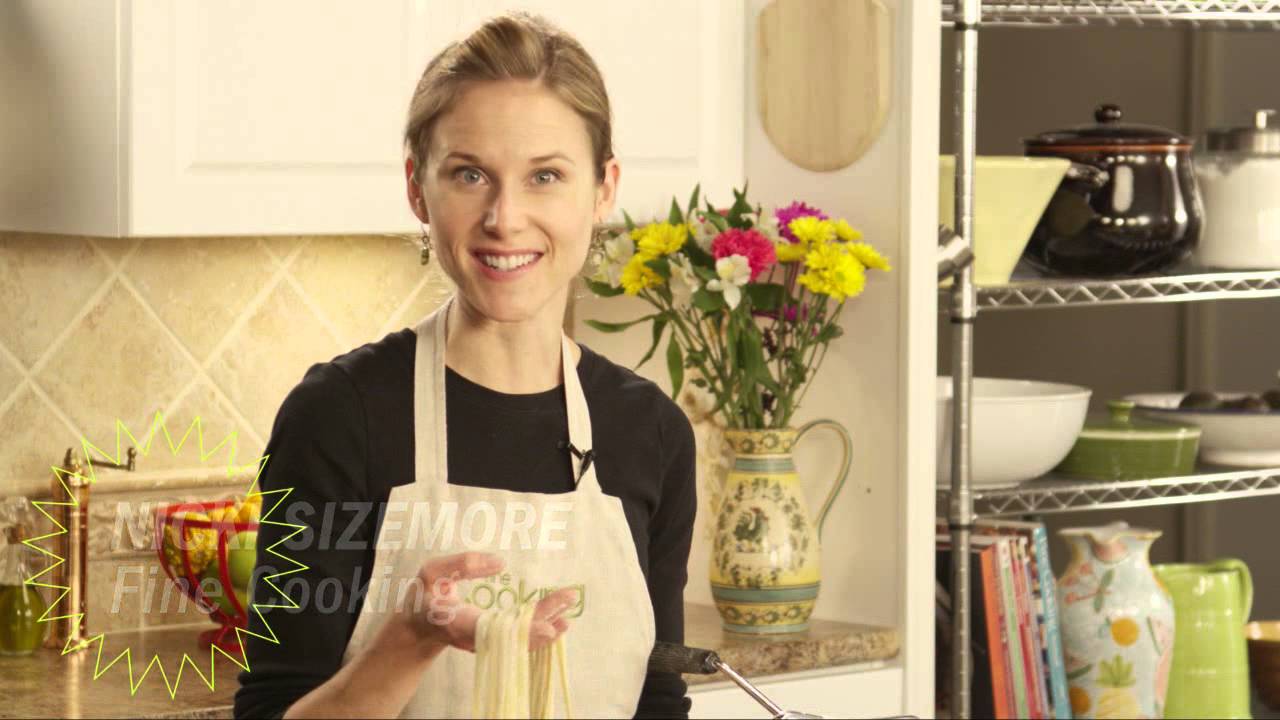
Credit: www.youtube.com
Best Methods For Drying Pasta Without A Rack
There are several ways to dry pasta without a rack. You can use items you already have in your kitchen. Here are the most effective methods:
Using A Clean Kitchen Towel
Lay a clean cotton towel on a flat surface (like a countertop or table). Spread the pasta over the towel in a single layer. Make sure the noodles or shapes don’t overlap. This method works well for both long and short pasta.
- Pros: Easy, accessible, absorbs moisture
- Cons: Pasta may stick if towel is damp
Hanging Pasta On Household Items
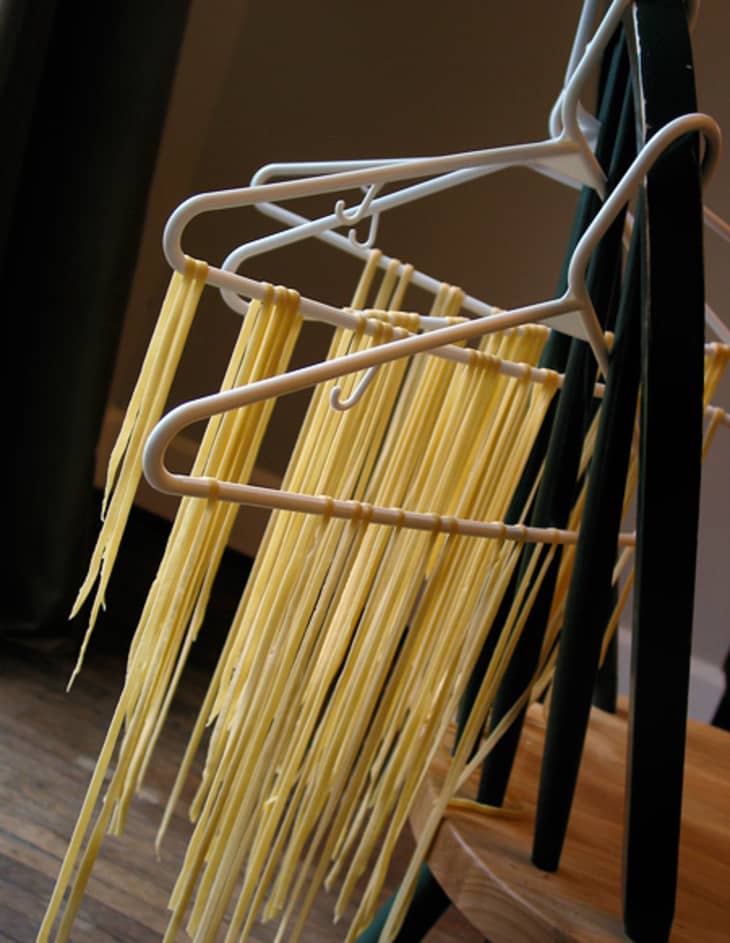
Long pasta (like spaghetti or fettuccine) can be hung over common objects:
- Wooden spoon handles
- Broomstick (clean and food-safe)
- Backs of chairs
Just clean the item first. Drape the noodles so they don’t touch each other. Hanging allows air to circulate, drying pasta faster.
Baking Sheet With Parchment Paper
Place parchment paper on a baking sheet. Arrange pasta in a single layer. For short pasta, this is ideal. For long noodles, swirl them into small nests.
- Pros: Easy to move, protects pasta from sticking
- Cons: Limited space on each sheet
Wire Cooling Rack
If you have a wire cooling rack for baking, you can use it for pasta. Lay noodles across the rack. The holes allow air to reach all sides.
- Pros: Good airflow, prevents sticking
- Cons: Some racks may be too small
Cardboard Box Liner
If space is tight, you can line a clean cardboard box with parchment paper. Spread pasta inside. The box keeps dust away and is good for short pasta shapes.
Comparison Of Drying Methods
Below is a comparison of common household drying methods:
| Method | Best For | Airflow | Ease of Use | Space Needed |
|---|---|---|---|---|
| Kitchen Towel | Short/Long Pasta | Moderate | Very Easy | Medium |
| Hanging on Spoon/Chair | Long Pasta | Excellent | Easy | Large |
| Baking Sheet | Short Pasta | Good | Easy | Small/Medium |
| Wire Cooling Rack | Long Pasta | Excellent | Moderate | Small |
| Cardboard Box | Short Pasta | Limited | Easy | Small |
Step-by-step Drying Guide
Here’s how to dry homemade pasta without a rack:
- Prepare Surface: Clean your kitchen counter, table, or any flat surface.
- Lay Down a Towel or Parchment Paper: Place a cotton towel or parchment paper to prevent sticking.
- Arrange Pasta: Spread noodles or shapes in a single layer. For long pasta, create nests or hang them.
- Leave Space: Make sure each piece has space around it for air circulation.
- Air Dry: Let the pasta sit at room temperature. For most pasta, drying takes 12–24 hours.
- Check Dryness: Pasta should feel firm and snap when bent. If soft, leave longer.
- Store Properly: Once dry, store pasta in an airtight container.
Example: Drying Fettuccine Without A Rack
- Roll and cut fettuccine
- Dust noodles with flour
- Drape noodles over backs of chairs or wooden spoons
- Make sure they don’t touch
- Wait 18–24 hours
- Check dryness and store
How Long Does Pasta Take To Dry?
Drying time depends on pasta thickness, humidity, and airflow. Thin noodles like angel hair can dry in 12 hours. Thick shapes may take up to 24 hours. If you live in a humid area, pasta can take longer. For best results, check every few hours.
Below is a quick reference for drying times:
| Pasta Type | Thickness | Approx. Drying Time |
|---|---|---|
| Spaghetti | Thin | 12–18 hours |
| Fettuccine | Medium | 18–24 hours |
| Tagliatelle | Medium | 18–24 hours |
| Fusilli | Thick | 24–30 hours |
| Ravioli | Filled | Not recommended (freeze instead) |
Tips For Faster And Safer Drying
If you want to speed up drying or avoid problems, try these tips:
- Increase Airflow: Use a fan (on low) nearby to move air. Don’t blow directly on pasta.
- Avoid Humidity: Dry pasta in a cool, dry room. Don’t dry in the bathroom or near boiling water.
- Flip Pasta: For short pasta, turn pieces halfway through drying to help both sides.
- Check Often: If drying long pasta, check for sticking and gently separate strands.
Non-obvious Insight
Many people forget to rotate or flip pasta during drying. This helps prevent flat spots and uneven drying. Also, avoid drying pasta near open windows if it’s raining or humid outside — moisture in the air can slow drying or cause pasta to go bad.
Credit: www.thekitchn.com
Storing Dried Pasta
Once your pasta is fully dry, storing it correctly is important. Keep it in an airtight container or zip-top bag. Store in a cool, dark place. Dried pasta lasts up to 3 months. If you see moisture or smell mustiness, discard it.
Storage Comparison
Here’s a quick look at storage options:
| Storage Method | Protection | Best For | Duration |
|---|---|---|---|
| Airtight Container | Excellent | All pasta | Up to 3 months |
| Zip-top Bag | Good | Short pasta | 2–3 months |
| Paper Bag | Limited | Short pasta | 1 month |
| Freezer | Excellent | Filled pasta | 6 months |
Common Mistakes To Avoid
Drying pasta without a rack is easy, but there are pitfalls:
- Overlapping Pasta: Pieces touching will stick together.
- Damp Towels: Use only dry, clean towels. Moisture slows drying.
- Ignoring Humidity: High humidity can cause mold or slow drying.
- Not Dusting with Flour: Flour prevents sticking and helps drying.
- Storing Before Fully Dry: Pasta needs to snap, not bend, before storing.
Extra Insight
Beginners often rush drying, thinking a few hours is enough. But pasta with hidden moisture can spoil quickly. Also, don’t use towels with strong detergent smells. Pasta absorbs odors easily.
Credit: www.reddit.com
Safety And Hygiene Tips
- Always clean surfaces and objects before using them to dry pasta.
- Use food-safe materials (no painted or treated wood).
- Keep pets away during drying.
- Wash hands before handling pasta.
The Science Behind Pasta Drying
Drying pasta works by evaporating water. Air helps carry moisture away. If pasta dries too slowly, bacteria or mold can grow. That’s why airflow and dryness are key. According to food safety experts, dried pasta should have less than 12% moisture to be shelf-stable (FDA Food Safety).
Frequently Asked Questions
How Can I Tell If My Pasta Is Dry Enough?
Dry pasta will feel hard and snap when bent. If it bends or feels soft, it needs more time. Check for dryness by breaking a piece in half.
Can I Dry Pasta In The Oven?
You can use the oven on the lowest setting (around 140°F/60°C) for faster drying, but watch closely. Too much heat can cook pasta or change its texture.
Should I Dry Filled Pasta Like Ravioli?
No. Filled pasta is best frozen, not dried. Drying can cause filling to spoil or leak. Freeze ravioli on a tray, then store in a bag.
Is It Safe To Dry Pasta In Humid Weather?
It’s possible, but drying will take longer. Use a fan and keep pasta in a dry room. Avoid drying during rainy days, as moisture can cause mold.
What’s The Best Way To Store Dried Pasta?
Use an airtight container or zip-top bag in a cool, dark place. Avoid sunlight and moisture. Properly dried pasta lasts up to 3 months.
Drying homemade pasta without a rack is simple and practical. With the right steps and tools, anyone can enjoy fresh, shelf-stable noodles at home. Whether you use a towel, hang pasta, or spread it on baking sheets, the key is airflow and patience.
Follow these tips, avoid common mistakes, and you’ll make pasta that cooks beautifully and tastes authentic every time.