Cooking can feel slow, especially when you’re hungry or have a busy day. Many people now use pressure cookers to save time. But why is cooking faster in a pressure cooker? The answer is both simple and scientific. Let’s explore the real reasons, see how pressure cookers work, and understand the benefits and limits of this kitchen tool. Whether you’re a beginner or just curious, this guide explains it all in clear, easy English.
How Does A Pressure Cooker Work?
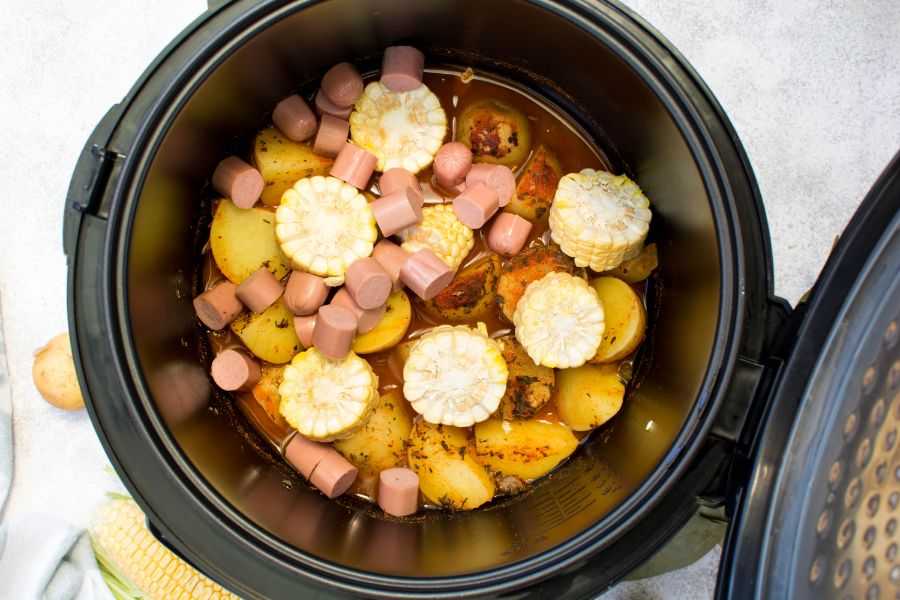
A pressure cooker is a sealed pot with a special lid. Inside, as you heat the pot, water turns into steam. Because the lid is tightly locked, the steam can’t escape. The pressure inside the pot rises. This is the key to faster cooking.
The Science Behind Pressure
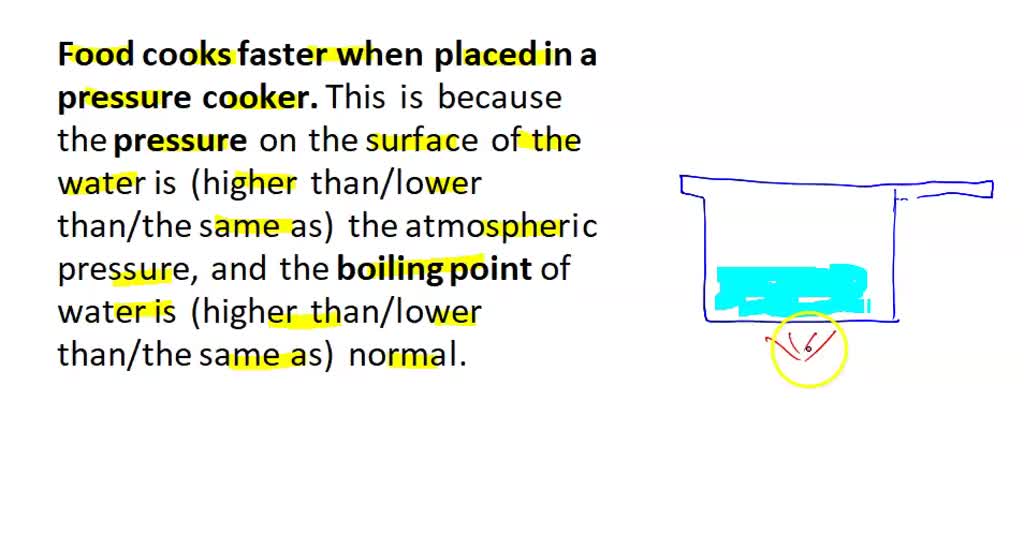
When pressure builds up inside the cooker, it raises the boiling point of water. Normally, water boils at 212°F (100°C). In a pressure cooker, water can reach 250°F (121°C) or even higher. This hotter steam cooks food much faster.
Here’s what happens:
- The higher temperature means food cooks quicker.
- The pressure forces steam into the food, making it tender and moist.
Sealed Environment
A pressure cooker’s sealed environment keeps all the heat and steam inside. Unlike open pots, where steam escapes, a pressure cooker uses every bit of energy to cook the food. It’s efficient and effective.
Key Reasons Cooking Is Faster In A Pressure Cooker
Let’s look at the main reasons why food cooks faster in a pressure cooker:
- Higher Temperature: The boiling point of water increases under pressure, so food cooks at a hotter temperature than in regular pots.
- Steam Penetration: Steam under pressure moves into the food quickly, speeding up cooking and softening tough ingredients.
- Heat Retention: The sealed lid keeps heat inside, so less energy is lost and cooking is faster.
- Moist Cooking: Pressure cookers use moist heat, which helps break down food fibers, especially in beans, meats, and grains.
Real-life Example
If you cook dry beans in a regular pot, it can take 1–2 hours. In a pressure cooker, it takes about 20–30 minutes. This is a huge time saving—sometimes up to 70% faster.

Credit: www.youtube.com
Comparing Cooking Times: Pressure Cooker Vs. Regular Pot
Here’s a clear look at how much faster a pressure cooker can be. Below is a comparison of common foods and their cooking times:
| Food | Regular Pot | Pressure Cooker | Time Saved |
|---|---|---|---|
| Brown Rice | 45 mins | 20 mins | 25 mins |
| Chicken Curry | 60 mins | 25 mins | 35 mins |
| Beef Stew | 2 hrs | 35 mins | 85 mins |
| Potatoes | 30 mins | 10 mins | 20 mins |
| Dry Lentils | 40 mins | 12 mins | 28 mins |
Most foods cook twice as fast or even quicker in a pressure cooker. This is why many busy people and families use them daily.
The Role Of Pressure And Temperature
Pressure cookers rely on a simple principle: pressure increases temperature. Here’s how it works:
- As pressure rises, the boiling point of water goes up.
- Hotter water and steam means food cooks faster.
Let’s see the numbers:
| Pressure Level | Boiling Point (°F) | Boiling Point (°C) |
|---|---|---|
| Normal (0 psi) | 212°F | 100°C |
| Pressure Cooker (15 psi) | 250°F | 121°C |
15 psi (pounds per square inch) is the standard pressure for most cookers. At this level, water gets much hotter, so food cooks faster.
Credit: www.corriecooks.com
Benefits Beyond Speed
Pressure cookers do more than just save time. They have other benefits:
- Energy Saving: Less cooking time means less energy used.
- Nutrition: Faster cooking can keep more vitamins and minerals in food, especially compared to boiling or frying.
- Tender Food: Tough cuts of meat and dry beans become soft and tasty.
- Flavor: Sealed cooking keeps flavors inside the food, making dishes richer.
Non-obvious Insight: Cooking Large Quantities
Pressure cookers are ideal for cooking large batches. The sealed system handles big portions easily, so you can cook for families or parties without extra time.
Non-obvious Insight: Altitude Advantage
At high altitudes, water boils at lower temperatures, which can slow cooking. Pressure cookers fix this problem by increasing boiling point, so people living in mountain areas use them for reliable results.
How Steam Works Inside A Pressure Cooker
Steam is the magic ingredient. In a pressure cooker:
- Water heats up and turns into steam.
- Steam fills the pot, increasing pressure.
- The pressure pushes steam into the food, cooking it from the inside.
This is different from regular pots, where heat comes mostly from the bottom. In a pressure cooker, steam surrounds and penetrates every piece of food.
Common Mistakes When Using Pressure Cookers
Even though pressure cookers are simple, beginners make mistakes. Here are the most common errors:
- Overfilling: Putting too much food or water can block the steam valve or cause uneven cooking.
- Incorrect Liquid Amount: Not enough water means not enough steam, so the cooker won’t build pressure.
- Wrong Pressure Setting: Using low pressure for tough foods leads to undercooked meals.
- Opening Too Soon: Opening the lid before pressure drops is dangerous and can spoil the food.
- Ignoring Safety Checks: Not checking the seal, valve, or lid can cause leaks or even accidents.
Practical Tip
Always read your cooker’s manual. Check the maximum fill line and use enough water for steam. Wait until pressure drops naturally before opening.
Pressure Cooker Vs. Other Cooking Methods
How does the pressure cooker compare to other kitchen tools? Let’s look at some popular methods:
| Method | Average Cooking Time | Energy Used | Texture |
|---|---|---|---|
| Pressure Cooker | 20–40 mins | Low | Tender, moist |
| Slow Cooker | 4–8 hrs | Medium | Soft, sometimes dry |
| Stovetop Pot | 1–2 hrs | High | Varies |
| Microwave | 10–30 mins | Low | Often uneven |
| Oven | 1–3 hrs | High | Crispy, sometimes dry |
The pressure cooker stands out for speed, energy saving, and moist texture.
Safety Features And Modern Pressure Cookers
Early pressure cookers had safety issues. Today’s models include:
- Automatic pressure release valves
- Locking lids
- Heat-resistant handles
- Safety indicators
These features make modern pressure cookers safe for home use. Always check seals and valves before cooking.
Pressure Cooker Limitations
While pressure cookers are great, they have limits:
- Not ideal for crispy or dry foods (like fried chicken).
- You can’t check or stir food while cooking.
- Some recipes need practice to get perfect results.
- Takes time for pressure to build and release, so total time isn’t always just cooking.
Credit: www.numerade.com
Why Pressure Cookers Are Popular Worldwide
Pressure cookers are used globally, especially in countries like India, Brazil, and China. In India, almost every family has a pressure cooker for dal, rice, and curries.
The popularity comes from:
- Saving time and energy
- Cooking tough ingredients easily
- Reliable results, even at high altitudes
For scientific details, you can check Wikipedia.
Frequently Asked Questions
What Is The Main Reason Food Cooks Faster In A Pressure Cooker?
The main reason is the higher boiling point inside the cooker. With increased pressure, water boils at a much higher temperature, so food cooks faster than in an open pot.
Can I Cook All Types Of Food In A Pressure Cooker?
Most foods work well, especially stews, grains, beans, and meats. But crispy or dry foods are not suitable. It’s best for moist cooking.
Is It Safe To Use A Pressure Cooker?
Modern pressure cookers have safety valves and locking lids. As long as you follow instructions, they are very safe. Always check seals and valves before use.
How Much Time Can I Save With A Pressure Cooker?
You can save 50–70% of cooking time for most dishes. For example, dry beans that take 2 hours in a regular pot cook in about 30 minutes in a pressure cooker.
Does Pressure Cooking Keep Nutrients In Food?
Yes, pressure cooking often keeps more nutrients because the cooking time is short and the sealed pot prevents nutrient loss through steam.
Pressure cookers are one of the best tools for fast, healthy, and tasty cooking. Understanding the science and using them correctly can transform your kitchen routine, making meal times easier and more enjoyable.