Smoke detectors are silent protectors in homes, offices, and public spaces. They save lives every year by warning people about dangerous smoke or fire, often before anyone smells or sees trouble. But many people forget one simple fact: these devices rely on batteries. If the battery fails, the smoke detector cannot do its job. Understanding what batteries smoke detectors take, how to choose them, and when to replace them is vital for safety. This article explains everything you need to know about smoke detector batteries with clear, practical advice.
Why Batteries Matter In Smoke Detectors
Smoke detectors are often the first defense against fire. Most models depend on battery power to operate. If you use the wrong battery or forget to replace it, the device may not alert you in time. According to the National Fire Protection Association (NFPA), about 25% of smoke alarm failures are due to dead or missing batteries. That’s a risk nobody should take. Reliable batteries keep your smoke detector ready at all times.
Types Of Smoke Detectors And Their Batteries
Smoke detectors come in different types, and each has its own battery needs. Some are powered only by batteries, while others use both mains electricity and batteries for backup.
Battery-powered Smoke Detectors
These detectors use batteries as their only power source. They are easy to install and move, making them common in homes and apartments.
- Most models use 9-volt batteries
- Some newer models use AA batteries
- A few use lithium batteries (often built-in)
Hardwired Smoke Detectors With Battery Backup
These detectors are connected to the home’s electrical system. The battery is there in case of a power outage.
- Backup batteries are usually 9-volt or AA
- Some models use lithium batteries for backup
- Battery backup is essential for continuous protection
Smart Smoke Detectors
Modern “smart” smoke detectors connect to Wi-Fi or apps. They may have different battery needs.
- Many use built-in lithium batteries
- Some rechargeable, others are replaceable
- Battery life can be longer (up to 10 years)
Credit: www.airuize.com
Common Battery Types Used In Smoke Detectors
Choosing the right battery is important. Not all batteries are suitable for smoke detectors. Here’s a clear overview:
| Battery Type | Common Use | Estimated Lifespan | Replacement Frequency |
|---|---|---|---|
| 9-volt Alkaline | Standard detectors | 6-12 months | Yearly |
| AA Alkaline | Modern detectors | 12-18 months | Yearly |
| Lithium 9-volt | Long-life models | 5-10 years | Every decade |
| Built-in Lithium | Smart/Sealed detectors | Up to 10 years | Non-replaceable |
9-volt Alkaline Batteries
These are classic batteries found in many older smoke detectors. They are inexpensive and easy to find. However, they need to be replaced about once a year.
Aa Alkaline Batteries
Some newer detectors use AA batteries, which can last longer and are often easier to replace. Always check your detector’s manual to know which type it needs.
Lithium 9-volt Batteries
Lithium batteries last much longer than alkaline. Some smoke detectors are designed for these batteries and can run for up to 10 years without replacement. While more expensive, they require less maintenance.
Built-in Lithium Batteries
Many modern and smart smoke detectors come with sealed lithium batteries. These cannot be replaced. When the battery dies (usually after 10 years), you must replace the whole detector.
How To Identify The Right Battery For Your Smoke Detector
Choosing the right battery is not just about size or voltage. It’s about matching the manufacturer’s requirements. Here’s how to find out:
- Check the manual: Look for the battery type listed by the manufacturer.
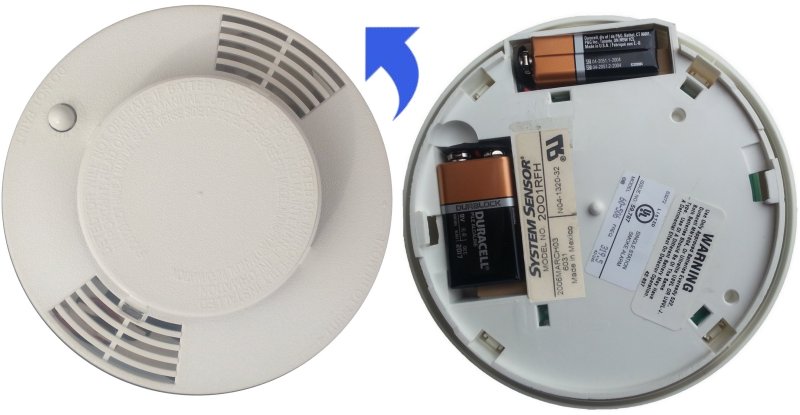
- Open the battery compartment: Most detectors have a label showing the required battery.
- Look for markings: Some detectors mention battery type on the back or inside.
- Do not mix types: Never use a different battery type than recommended.
Example
If your smoke detector says “Use only 9-volt alkaline battery,” do not use AA or lithium unless specified. Using the wrong battery can cause false alarms or device failure.

Credit: www.x-sense.com
Comparing Battery Performance: Alkaline Vs. Lithium
Battery life and performance are key factors. Here’s a comparison to help you decide:
| Feature | Alkaline Battery | Lithium Battery |
|---|---|---|
| Cost | Low | Medium-High |
| Lifespan | 6-18 months | 5-10 years |
| Maintenance | Frequent replacement | Rare replacement |
| Reliability | Good, but short-term | Excellent, long-term |
| Availability | Very common | Available, less common |
Lithium batteries are ideal for people who forget to replace batteries or want less maintenance. However, alkaline batteries are more affordable and easier to find.
How Often Should You Replace Smoke Detector Batteries?
Even the best batteries run out. Most safety experts recommend:
- Replace alkaline batteries at least once a year
- Replace lithium batteries every 10 years (or as recommended)
- Test your smoke detector every month
- Replace the entire detector every 10 years, even if it still works
Some detectors beep when the battery is low. Never ignore these signals. If you hear a chirp, replace the battery immediately.
Credit: brinkshome.com
Signs Your Smoke Detector Battery Needs Replacement
Smoke detectors give clear signs when batteries are low. Learn to spot them:
- Chirping sound: A sharp beep every few seconds means the battery is low.
- Warning light: Many detectors have a blinking red or yellow light for low battery.
- No sound when tested: Press the test button. If there is no sound, the battery is dead.
- Age: If your battery is more than a year old (alkaline) or ten years (lithium), replace it even if it works.
Non-obvious Insight
Some smoke detectors chirp even after you replace the battery. If this happens, check the battery contacts for dust or corrosion. Clean gently with a dry cloth.
How To Replace Smoke Detector Batteries Safely
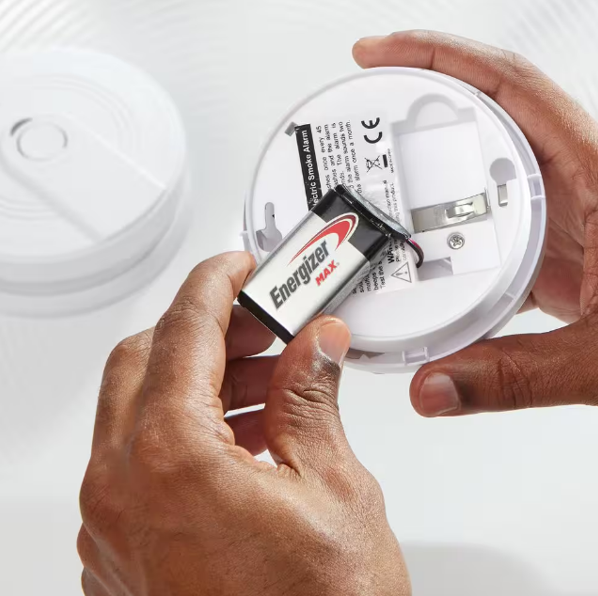
Changing batteries is simple but must be done carefully. Follow these steps:
- Turn off power (for hardwired models): If your detector is connected to electricity, switch off the power before opening.
- Open the battery compartment: Usually found on the side or back.
- Remove old battery: Pull it out gently.
- Check contacts: Make sure the metal connectors are clean.
- Insert new battery: Match the terminals (plus and minus).
- Close compartment: Secure it tightly.
- Test the detector: Press the test button to ensure it works.
Practical Tip
Do not use rechargeable batteries unless the manual says so. Rechargeables often lose charge faster and can cause false alarms.
Buying The Best Battery For Your Smoke Detector
Not all batteries are equal. Consider these factors:
- Brand reliability: Stick to trusted brands like Duracell, Energizer, Panasonic.
- Battery type: Use the exact type specified (alkaline, lithium, AA, 9-volt).
- Expiration date: Check the battery packaging for the expiry date. Old batteries may not last.
- Sealed or replaceable: If your detector is sealed, you cannot change the battery. Buy a new detector when it expires.
Common Mistakes To Avoid
- Using cheap, off-brand batteries. They may leak or fail early.
- Ignoring expiry dates. Old batteries lose power even if unused.
- Forgetting to test after replacement. Always check the alarm works.
Smoke Detector Battery Myths And Facts
Many homeowners believe myths about smoke detectors and batteries. Let’s clear up confusion:
- Myth: All smoke detectors use the same battery.
- Fact: Different models use different batteries. Always check the manual.
- Myth: Rechargeable batteries are better.
- Fact: Most smoke detectors are not designed for rechargeables.
- Myth: If the detector works, you don’t need to replace the battery.
- Fact: Batteries lose charge over time. Yearly replacement is best for safety.
Non-obvious Insight
Sealed lithium batteries last up to 10 years, but after that, the whole smoke detector must be replaced. Many people forget this and keep old detectors, risking safety.
Smoke Detector Battery Lifespan Statistics
To understand the importance, here are some real numbers:
- 9-volt alkaline batteries: Last 6-12 months in typical detectors
- AA alkaline batteries: Last up to 18 months
- Lithium batteries: Last up to 10 years
- Smoke detector lifespan: Most detectors should be replaced every 10 years
According to the NFPA, nearly three out of five fire deaths happen in homes with no smoke alarms or alarms that do not work. Battery failure is a major cause.
How To Remember Battery Replacement
Many people forget to change batteries. Here are simple ways to remember:
- Set a calendar reminder for every year
- Change batteries when you set clocks for daylight saving time
- Use smart detectors that alert you on your phone
- Mark the battery with the replacement date
Example
Write the replacement date on the battery or detector with a marker. This helps remind you when it’s time to change.
Environmental Impact: What To Do With Old Batteries
Used batteries can harm the environment if thrown in regular trash. Here’s how to dispose of them safely:
- Take old batteries to a recycling center
- Many stores collect used batteries for recycling
- Do not burn or crush batteries; chemicals can leak
- Some communities offer battery disposal days
Smoke Detector Battery Comparison: Popular Models
Different smoke detectors use different batteries. Here’s a simple comparison:
| Smoke Detector Model | Battery Type | Replacement Interval | Special Notes |
|---|---|---|---|
| Kidde Basic | 9-volt alkaline | Yearly | Easy access compartment |
| First Alert SA511 | AA alkaline | Yearly | Wireless interconnect |
| Nest Protect | Built-in lithium | 10 years | Smart features |
| BRK Hardwired | 9-volt backup | Yearly | Hardwired, battery backup |
Always check your smoke detector model for battery type before buying replacements.
Where To Find More Information
For detailed safety guidelines, visit the National Fire Protection Association. Their website offers trusted advice about fire safety and smoke detectors.
Frequently Asked Questions
What Battery Does A Smoke Detector Usually Use?
Most smoke detectors use either a 9-volt alkaline battery or AA batteries. Newer models often use sealed lithium batteries, which last up to 10 years.
Can I Use Rechargeable Batteries In My Smoke Detector?
No, unless your smoke detector manual says it is safe. Rechargeable batteries can lose power quickly and cause the detector to fail.
How Can I Tell If My Smoke Detector Battery Is Low?
Listen for a chirping sound or look for a blinking warning light. If you press the test button and there’s no sound, the battery is likely dead.
What Happens If I Don’t Replace The Battery?
If the battery dies, your smoke detector will not alert you to smoke or fire. This can lead to serious injury or death. Always replace batteries on time.
How Long Do Smoke Detector Batteries Last?
Alkaline batteries last about one year, while lithium batteries can last up to ten years. Built-in lithium batteries are non-replaceable; the whole detector must be replaced when the battery dies.
Smoke detectors are a simple safety tool, but only if the battery is fresh and reliable. Take the time to check and replace your batteries regularly. It’s a small step that can save lives and property. Make battery care part of your routine, and your smoke detector will always be ready to protect you.