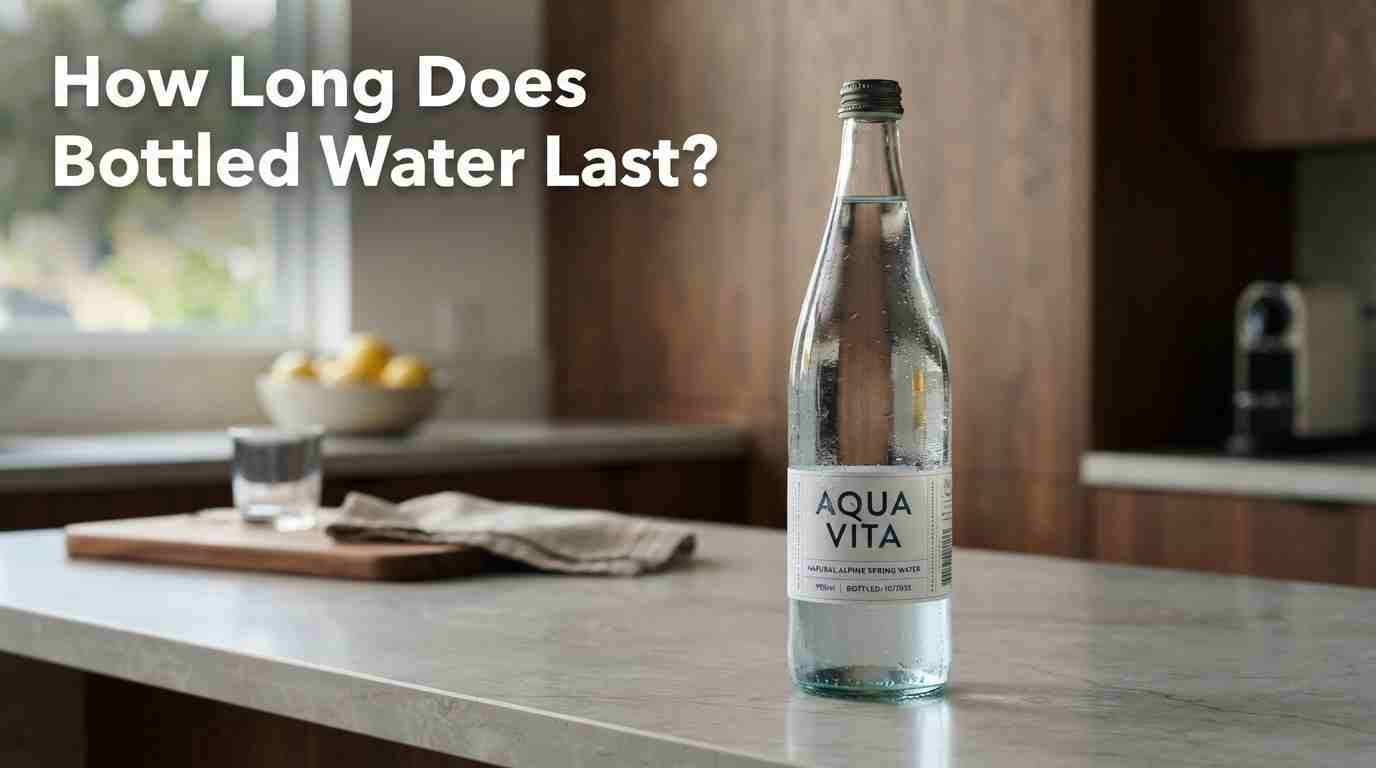
Bottled water is everywhere—at home, in stores, during travel, and at work. Many people believe bottled water lasts forever because it looks clean and safe. But is that true? How long does bottled water really last, and what happens if you drink it after a long time?
This article answers these questions simply and clearly, giving you practical advice and facts. By the end, you’ll know how to store bottled water, how to check if it’s still safe, and what experts recommend. Let’s explore the truth about bottled water shelf life.
How Bottled Water Is Made And Stored
To understand how long bottled water lasts, it helps to know how it’s produced and stored. Most bottled water is purified, filtered, and packed in either plastic bottles (usually PET or HDPE) or glass bottles. The water itself is often free from bacteria and chemicals, but the bottles have their own limits.
Plastic bottles, especially, can slowly break down over time. This doesn’t mean the water becomes unsafe immediately, but chemicals like antimony and phthalates may leach into the water if the bottles are exposed to heat or sunlight. Glass bottles don’t have this problem, but they are heavier and more fragile.
Storage is key. Bottled water must be kept in a cool, dry place, away from sunlight and chemicals. If stored properly, bottled water stays safe for a long time, but not forever.
Expiration Dates And Shelf Life
Bottled water in the United States is not required by the FDA to have an expiration date, but most brands still print one. This is mainly for quality assurance. The typical printed expiration date is 1–2 years from the bottling date for plastic bottles, and sometimes longer for glass bottles.
Here’s a comparison of shelf life based on bottle type:
| Bottle Type | Typical Expiration Date | Main Shelf Life Factors |
|---|---|---|
| Plastic (PET/HDPE) | 1–2 years | Heat, sunlight, plastic degradation |
| Glass | 2–5 years | Seal quality, storage conditions |
The expiration date doesn’t mean the water “goes bad” after that day. It marks when the manufacturer guarantees the water will taste and smell fresh. The water itself doesn’t spoil, but the bottle can affect quality over time.
You may also like: Best Filtered Water Bottle for Travel
What Happens After The Expiration Date?
Many people wonder if bottled water is unsafe after the printed date. In most cases, it’s still safe, but it may taste different. Here are some changes that can occur:
- Plastic bottles may release a slight plastic taste or odor, especially if stored in heat.
- Water clarity may decrease, sometimes becoming cloudy.
- Minerals may settle at the bottom, especially in mineral water.
- Microbial growth is rare if bottles are sealed and stored well, but can occur if bottles are opened or damaged.
If you find an old bottle, check for these signs:
- The bottle is sealed and undamaged.
- The water is clear and odorless.
- There is no visible mold or particles.
If all these are true, it’s usually safe to drink, but the taste may not be perfect.
Factors That Affect Bottled Water Shelf Life
Bottled water shelf life depends on several factors beyond the expiration date. Here are the most important:
Storage Temperature
Heat is the biggest enemy of bottled water. High temperatures speed up the breakdown of plastic, causing chemicals to enter the water. Always keep bottled water below 77°F (25°C).
Sunlight Exposure
Sunlight can heat bottles and cause plastic to degrade. It can also encourage algae growth in clear bottles. Keep bottled water in the shade or a dark cupboard.
Bottle Material
Plastic bottles are more sensitive to heat and age. Glass bottles last longer but can break more easily. For long-term storage, glass is better, but less practical.
Seal Integrity
If the seal is broken or damaged, bacteria can enter. Always check the seal before drinking.
Storage Location
Avoid storing bottled water near chemicals, gasoline, or cleaning products. Bottles can absorb odors, affecting taste and safety.
Time Since Bottling
The longer the water sits, the more likely taste and quality will decline—even if it’s still safe.
Here’s a quick comparison of how different storage conditions affect shelf life:
| Storage Condition | Estimated Shelf Life | Risk Factors |
|---|---|---|
| Cool, dark, dry place | 2 years (plastic), 5 years (glass) | Minimal |
| Hot, sunny area | 6–12 months | Plastic taste, chemical leaching |
| Near chemicals | 1–2 years | Odor absorption |
| Broken seal | Immediate | Bacterial contamination |
Health Risks Of Old Bottled Water
Drinking old bottled water is usually not dangerous if it’s stored well. However, there are some risks:
- Plastic chemicals like antimony and BPA (in older bottles) can leach into water, especially with heat. High levels may cause health problems.
- Bacteria can grow if the seal is broken or the bottle is opened and left for days.
- Taste and odor changes may make the water unpleasant, even if not unsafe.
Most studies show bottled water kept in cool, dark places stays safe for years. But always check for signs of spoilage. For more scientific data, see the FDA’s official guidance.
Practical Tips For Storing Bottled Water
If you want bottled water to last as long as possible, follow these tips:
- Store in a cool, dry place—ideally below 77°F (25°C).
- Avoid sunlight and keep bottles in cupboards or boxes.
- Check the seal before drinking, especially if bottles are old.
- Rotate stock—use older bottles first, and replace them regularly.
- Don’t freeze bottles—freezing can damage the seal and the plastic.
- Keep away from chemicals—store water separately from cleaning products or fuel.
- Label storage date if you buy in bulk, so you know how old your bottles are.
One useful insight: Most people ignore the storage location. Even if the bottle is sealed, storing it in a garage with chemicals can change the taste and safety over time. Always choose a clean space.
Bottled Water Vs Tap Water Storage
Many people ask if bottled water is better than tap water for long-term storage. Let’s compare:
| Water Type | Storage Life | Safety Risks | Best Storage Method |
|---|---|---|---|
| Bottled Water | 1–2 years (plastic), 5 years (glass) | Plastic degradation, seal issues | Cool, dark place, sealed |
| Tap Water (stored) | 6 months (if purified) | Bacterial growth, container contamination | Clean container, rotate often |
Bottled water is safer for long-term storage because it is sealed and purified. However, tap water can be stored for emergencies if you use clean containers and replace it every six months.
Environmental Impact Of Long-term Bottled Water Storage
Storing bottled water for years can have an environmental cost. Plastic bottles are difficult to recycle and may end up in landfills. Glass bottles are better for the environment but are heavier and use more energy for transport. Over time, storing large amounts of bottled water can create plastic waste.
To reduce impact:
- Recycle bottles after use.
- Buy larger bottles (like 5-gallon jugs) instead of many small ones.
- Use glass bottles when possible.
- Consider water filters for tap water to reduce bottled water use.

Credit: www.myownwater.com
Signs Bottled Water Has Gone Bad
Even though water doesn’t spoil like milk or juice, bottled water can go “bad” in a few ways. Watch for these signs:
- Unusual taste or smell—plastic, chemical, or musty odors
- Cloudy appearance—water should be clear
- Particles or sediment—especially if it was mineral water
- Damaged bottle—cracks, dents, or broken seal
- Algae growth—rare, but possible in clear bottles exposed to light
If you notice any of these, don’t drink the water. Even if it’s just a taste issue, it’s better to be safe.
Non-obvious Insights About Bottled Water Shelf Life
Many people miss two important points:
- Expiration dates are mostly about bottle quality, not water safety. Water itself doesn’t spoil, but the bottle can affect taste and safety over time.
- Heat is more dangerous than time. Bottled water stored for five years in a cool place is safer than water stored for six months in a hot car.
These insights help you make better decisions when storing or using bottled water.
Frequently Asked Questions
How Long Does Bottled Water Last After Opening?
Once opened, bottled water lasts 2–3 days if kept in the fridge. At room temperature, bacteria may grow faster. Always reseal tightly and avoid touching the bottle mouth.
Is It Safe To Drink Bottled Water Past Its Expiration Date?
Usually, yes—if the bottle was stored properly, is sealed, and the water looks and smells normal. Taste may decline, but it’s not dangerous in most cases.
Can Bottled Water Freeze And Still Be Safe?
Freezing bottled water is not recommended. It can damage the seal and the plastic. If you freeze and thaw the bottle, check for cracks and leaks before drinking.
What Happens If Bottled Water Is Exposed To Sunlight?
Sunlight heats the bottle and speeds up plastic breakdown. This can cause a plastic taste, and rare cases of algae growth. Always keep bottled water out of the sun.
Does Bottled Water Expire If Kept In A Car?
Bottled water in a car is exposed to high temperatures. This can cause plastic chemicals to enter the water. Bottled water stored in cars should be used within 6–12 months and rotated often.
Bottled water is convenient and safe for long-term storage, but it isn’t forever. The shelf life depends mainly on how you store it, the bottle type, and whether the seal is intact. Expiration dates are about quality, not safety. If you follow smart storage practices—cool, dry, dark places and regular rotation—your bottled water will stay fresh and safe for years.
But always check before drinking, and never ignore signs of spoilage. With this knowledge, you can store bottled water confidently and avoid common mistakes.