Baking is a simple joy that connects kitchens all over the world. Whether you bake cookies for friends or roast vegetables for dinner, you depend on your tools to work well. One of the most important tools is the baking sheet. But have you ever wondered, what size is a standard baking sheet? This question matters more than you think. The wrong size can lead to burnt edges, crowded food, or even a mess in your oven. If you’re shopping for new pans, setting up a bakery, or just want to bake with confidence, understanding baking sheet sizes will help you avoid mistakes and get the best results.
Let’s explore what “standard” actually means, why size matters, and how to choose the right baking sheet for your needs. You’ll discover common sizes, how they fit in ovens, and even the surprising variations that can trip up beginners. By the end, you’ll know exactly what to look for and how to use baking sheets like a pro.
Why Baking Sheet Size Matters
Many home cooks assume that all baking sheets are the same. But this isn’t true. The size of your baking sheet affects everything: how evenly your food cooks, how much you can bake at once, and even how easy it is to clean up. Choosing the right size can make your recipes turn out better and make your kitchen life easier.
Cooking Performance
A baking sheet that’s too large can crowd your oven, causing uneven heating. If it’s too small, you’ll have to bake in batches, wasting time. The right size ensures food cooks evenly, browns properly, and doesn’t spill over the edges.
Oven Compatibility
Not all ovens are the same inside. Some are compact, others are wide. Baking sheets must fit comfortably, leaving space for air to flow around them. If your sheet is too big, you might not be able to close the oven door, or it could block heat circulation.
Recipe Accuracy
Many recipes are designed for a standard size. Using the wrong sheet can change the thickness of your cookies, the spread of your cake, or the crispiness of your fries. This means following recipes exactly is easier when you use standard sizes.
Cleaning And Storage
Oversized sheets can be tricky to wash in a normal sink or dishwasher. Standard sizes usually fit better and stack neatly in your cupboards.
What Is A Standard Baking Sheet?
The term standard baking sheet usually refers to the size most commonly used in home kitchens and bakeries. But “standard” can mean different things depending on where you live and whether you bake at home or professionally.
Us Home Kitchen Standard
In the United States, the most common baking sheet size for home use is called the half-sheet pan. This is the pan most recipes refer to and the one that fits most ovens.
- Half-sheet pan size: 18 x 13 inches (about 46 x 33 cm)
- Typical depth: 1 inch (2.5 cm)
This size is considered standard because it’s large enough for most recipes, fits most ovens, and is easy to handle.
Commercial And Professional Standard
Commercial kitchens use larger pans called full-sheet pans. These are standard in bakeries and restaurants but are usually too big for home ovens.
- Full-sheet pan size: 18 x 26 inches (about 46 x 66 cm)
- Typical depth: 1 inch (2.5 cm)
Professional kitchens also use quarter-sheet pans and other variations, but the full-sheet and half-sheet are the main standards.
International Differences
In other countries, sizes can vary. For example, European ovens and baking sheets are often smaller. If you buy pans overseas or from international brands, always check the measurements.

Credit: gygi.com
Common Baking Sheet Sizes Explained
Baking sheets come in a few main sizes. Let’s break down the most common ones and how they compare.
| Size Name | Dimensions (inches) | Dimensions (cm) | Best Use |
|---|---|---|---|
| Full-sheet pan | 18 x 26 | 46 x 66 | Commercial baking, large batches |
| Half-sheet pan | 18 x 13 | 46 x 33 | Home baking, roasting, cookies |
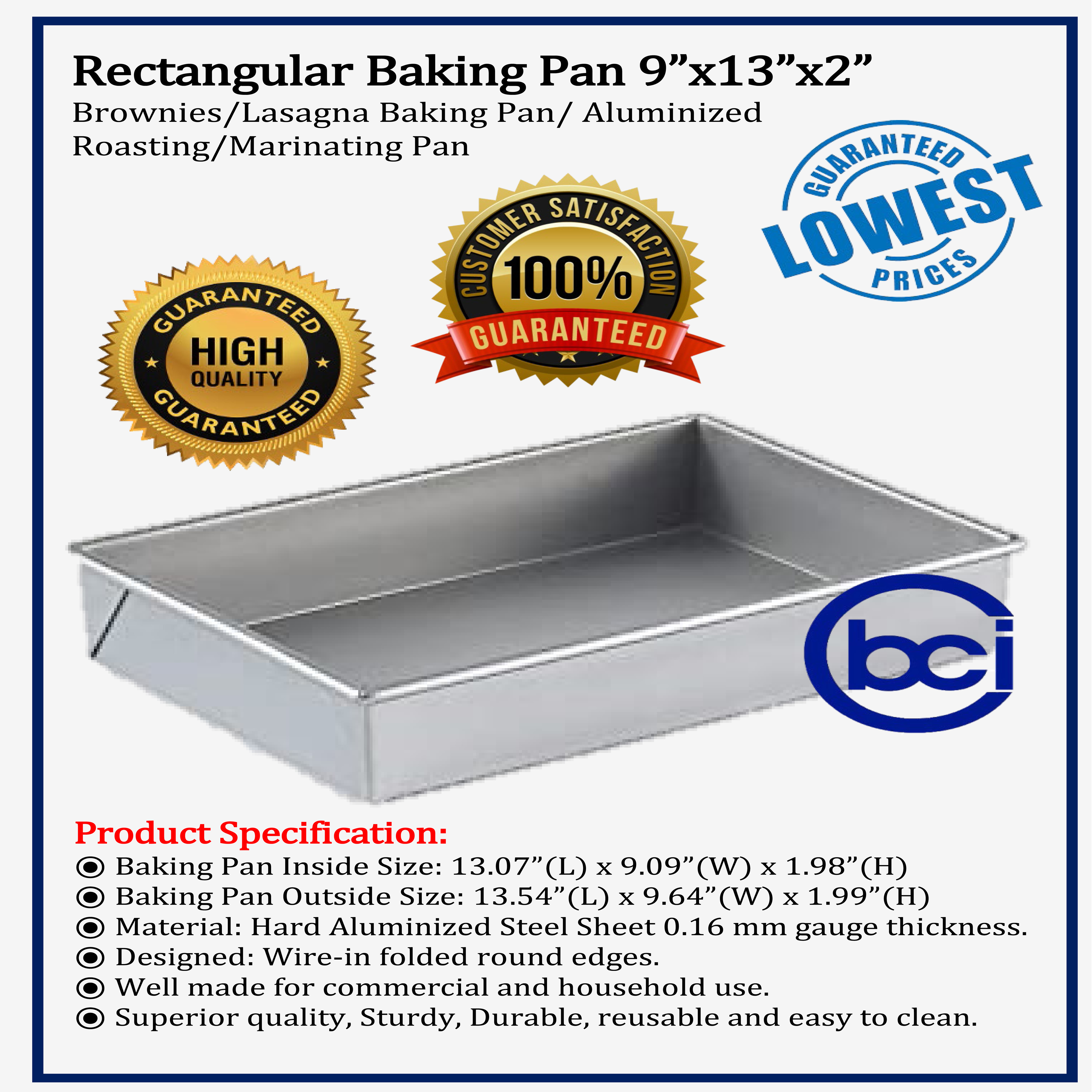
| Quarter-sheet pan | 9 x 13 | 23 x 33 | Small batches, toaster ovens |
| Jelly roll pan | 15 x 10 | 38 x 25 | Rolled cakes, bar cookies |
Full-sheet Pan
The full-sheet pan is used in restaurants and bakeries. It’s big and heavy, and usually won’t fit in home ovens. Some people use it for extra-large projects if their oven is big enough.
Half-sheet Pan
This is the standard baking sheet for home kitchens. Most recipes, baking guides, and cooking shows refer to this size.
Quarter-sheet Pan
A quarter-sheet pan is half the size of a half-sheet. It’s great for small meals, reheating leftovers, or baking for one or two people.
Jelly Roll Pan
A jelly roll pan is slightly smaller and has higher sides. It’s used for cakes that are rolled up or for certain bar cookies.
Detailed Look: Standard Half-sheet Pan
The half-sheet pan is the most popular. Let’s look at its features, advantages, and how it fits in your kitchen.
Dimensions And Capacity
- External size: 18 x 13 inches (46 x 33 cm)
- Internal baking area: About 16.5 x 11.5 inches (42 x 29 cm)
- Depth: Usually 1 inch (2.5 cm)
This gives you about 2 square feet of baking space—enough for 24 cookies or a large batch of roasted vegetables.
Material Choices
Most half-sheet pans are made from aluminum, which is lightweight and conducts heat well. Some are made from stainless steel (more durable but less conductive) or have a nonstick coating. Aluminum is preferred by professionals because it browns food evenly.
Rimmed Vs Rimless
Half-sheet pans almost always have a rim around the edge. This rim is important:
- Stops oil and juices from spilling
- Allows you to roast, bake, or broil without making a mess
- Makes the pan sturdier and easier to carry
Some specialty pans are rimless for easy sliding of baked goods, but most standard baking sheets have rims.
Weight And Thickness
Professional pans are often 18-gauge aluminum. This means they are thick and don’t warp easily. Thinner, lightweight pans can bend in the oven, causing uneven baking.
How It Fits In Your Oven
Most home ovens are designed to hold a half-sheet pan comfortably. There’s usually enough space for air to circulate around the pan, which helps with even cooking.
Choosing The Right Baking Sheet For Your Oven
Even though the half-sheet pan is standard, not all ovens are the same. Here’s how to make sure your baking sheet fits.
Measure Your Oven
Take a tape measure and check the inside width and depth of your oven. Make sure there’s at least 1 inch (2. 5 cm) of space on all sides of the baking sheet for air flow.
Check Oven Rack Size
Some ovens have racks that don’t support wider pans. Make sure your rack is strong enough and that the pan sits flat.
Consider Oven Type
- Standard ovens: Most fit a half-sheet pan.
- Compact ovens: May only fit quarter-sheet or jelly roll pans.
- Toaster ovens: Usually require even smaller pans.
Practical Example
If your oven interior is 20 inches wide and 14 inches deep, a half-sheet pan (18 x 13 inches) will fit with room to spare. But if your oven is only 16 inches wide, you’ll need to use a quarter-sheet pan or a jelly roll pan.
Baking Sheet Size And Recipe Results
Using the correct size pan makes your baking more reliable. Let’s see how pan size affects your recipes.
Cookie Spread
Cookies need space to expand. If your baking sheet is too small, cookies will merge together. If too large, they may spread too thin. Most cookie recipes are written for a half-sheet pan.
Cake Thickness
Cakes baked on a jelly roll pan will be thinner than on a half-sheet pan. If you use a pan that’s too big, your cake may be too shallow and dry.
Roasting Vegetables
Crowding vegetables on a small pan makes them steam instead of roast. A half-sheet pan gives space for browning and crispiness.
Batch Size
A half-sheet pan lets you bake more at once. If you’re making dinner for a family, this helps save time.
Credit: activeedgechiro.com
Variations And Specialty Baking Sheets
Not all baking sheets are simple rectangles. Some are designed for special purposes.
Insulated Baking Sheets
These have two layers with air in between. They help prevent burning but may slow down browning. Good for delicate cookies.
Perforated Sheets
Some pans have small holes. These are used for pizzas or breads that need a crisp crust.
Nonstick Coated Sheets
Easy to clean and good for sticky foods, but the coating can wear out over time.
Personalized Sizes
Some brands offer custom sizes. Always check measurements before buying, as “standard” can mean different things.
Comparing Baking Sheet Sizes: When And Why To Use Each
To help you choose, here’s a side-by-side comparison of the most common sizes and their best uses.
| Pan Size | Fits in Most Home Ovens? | Best For | Drawbacks |
|---|---|---|---|
| Full-sheet | No | Huge batches, commercial baking | Too big for home ovens |
| Half-sheet | Yes | Cookies, roasting, general baking | May be heavy when loaded |
| Quarter-sheet | Yes | Small portions, toaster ovens | Limited space |
| Jelly roll | Yes | Rolled cakes, bar cookies | Not ideal for roasting |
You might find this helpful: Best Stainless Steel Baking Sheets
Common Mistakes When Choosing Or Using Baking Sheets
Beginners often make a few mistakes when it comes to baking sheet sizes. Here are some to avoid:
- Assuming all pans are the same size: Always check the measurements before buying or using a pan.
- Using a pan that’s too large for the oven: This can cause uneven cooking and even damage your oven.
- Crowding food: Trying to fit too much on a small pan leads to steaming, not roasting.
- Ignoring rim height: Low rims can spill liquids, while high rims can block airflow.
- Buying pans without checking material: Aluminum is best for most baking. Other materials may not heat as evenly.
Tips For Buying And Maintaining Baking Sheets
Getting the right baking sheet isn’t just about size. Here are some practical tips:
Buy Quality Over Quantity
- Choose 18-gauge aluminum for durability.
- Avoid pans that feel flimsy or bend easily.
Check For Warping
- Thick pans resist warping at high heat.
- Cheaper pans may twist and make food cook unevenly.
Cleaning And Care
- Wash pans by hand to preserve finish.
- Avoid harsh scrubbers on nonstick pans.
- Dry thoroughly to prevent rust.
Storage
- Stack pans by size.
- Use pan racks or dividers to prevent scratches.
Replace When Needed
- If pans get scratched, warped, or the nonstick coating wears out, replace them.
Non-obvious Insights: What Beginners Miss
Many beginners overlook these important details:
- Oven air flow matters: Leaving space around your baking sheet helps food cook evenly. Don’t cram pans against the oven walls.
- Check pan thickness: Thicker pans mean more even heating and less warping. It’s worth paying extra for professional-grade pans.
- Rim height affects recipes: Higher rims keep in juices but can block heat from circulating. For crispy foods, lower rims are better.
Baking Sheet Size And Accessories
Sometimes, you need extra tools to use your baking sheet well.
Cooling Racks
These fit inside a half-sheet pan and are used to cool baked goods or for oven roasting with air flow underneath.
Silicone Mats
Silicone baking mats (like Silpat) fit exactly inside half-sheet pans. They prevent sticking and make cleanup easy.
Parchment Paper
Most parchment paper rolls are designed for half-sheet pans. You can cut to fit other sizes.
How Baking Sheet Size Affects Baking Times
The size and thickness of your baking sheet can change how long your food needs to cook.
- Larger pans: Spread food out and may cook faster due to more exposure.
- Smaller pans: Crowded food cooks slower and may steam instead of bake.
- Thicker pans: May require slightly longer cooking times.
Always check your food early and adjust as needed.
Baking Sheet Size And Food Types
Different foods work best with different pans. Here’s a quick guide:
- Cookies: Half-sheet pan is best.
- Roasted vegetables: Half-sheet or full-sheet for big batches.
- Sheet cakes: Jelly roll pan or half-sheet, depending on recipe.
- Pizza: Perforated pan or full-sheet for large pizzas.
Environmental Impact Of Baking Sheet Choices
Choosing durable pans reduces waste. Aluminum pans last for years and are recyclable. Avoid single-use pans unless necessary for travel or gifts.
Where To Find Standard Baking Sheets
You can buy baking sheets at local kitchen stores, supermarkets, or online. Look for trusted brands like Nordic Ware, USA Pan, or Wilton. Always check the measurements before buying, especially online. For more information on baking sheet standards, you can visit Wikipedia.
Frequently Asked Questions
What Size Is A Standard Baking Sheet For Home Use?
The standard baking sheet for home kitchens in the US is the half-sheet pan, measuring 18 x 13 inches (46 x 33 cm) with a depth of about 1 inch. This size fits most ovens and is used in most recipes.
Will A Full-sheet Pan Fit In My Home Oven?
Usually, no. Full-sheet pans (18 x 26 inches) are designed for commercial kitchens and are too large for most home ovens. Always measure your oven before trying to use a full-sheet pan.
What Is The Difference Between A Half-sheet And A Quarter-sheet Pan?
A half-sheet pan is 18 x 13 inches and is used for most baking tasks. A quarter-sheet pan is 9 x 13 inches, half the size, and is ideal for small batches or toaster ovens.
Can I Use A Rimless Baking Sheet Instead Of A Rimmed One?
Rimless sheets are good for sliding cookies off easily, but they don’t hold liquids or oils. Rimmed pans are safer for roasting, baking cakes, or anything that might leak.
How Do I Know If My Baking Sheet Will Fit In My Oven?
Measure the interior of your oven and compare it to the pan’s external dimensions. Leave at least 1 inch of space around the pan for air circulation. Most home ovens fit half-sheet pans, but compact ovens may require smaller sizes.
A good baking sheet is more than just a piece of metal. It’s the foundation for cookies, cakes, roasts, and more. Understanding what size is a standard baking sheet helps you bake with confidence, follow recipes accurately, and avoid kitchen mishaps.
Whether you’re a beginner or a seasoned baker, knowing your pan sizes makes every dish turn out better. So, next time you reach for your baking sheet, you’ll know exactly why size matters—and how to make it work for you.