Are Baking Sheets Dishwasher Safe?
Baking sheets are found in almost every kitchen. They help us make cookies, roast vegetables, and bake delicious treats. But when the cooking is done and it’s time to clean up, a common question pops up: are baking sheets dishwasher safe? Many people just toss them in the dishwasher, hoping for a quick, easy clean. Others wash them by hand, afraid the dishwasher might ruin them. The truth is, the answer depends on the type of baking sheet you have, how it’s made, and what you want to protect—both in terms of appearance and how long it lasts.
This article will guide you through everything you need to know. We’ll cover different types of baking sheets, what happens when they go in the dishwasher, and how to keep them in the best shape possible. You’ll see real examples, comparisons, and smart tips that most beginners miss.
Whether you bake every week or just sometimes, you’ll learn how to clean your baking sheets the right way.
Types Of Baking Sheets And Their Materials
Not all baking sheets are the same. Their safety in the dishwasher depends a lot on what they’re made from. Here’s a look at the most common types:
Aluminum Baking Sheets
Aluminum baking sheets are lightweight, conduct heat well, and are popular for everyday baking. Some are bare aluminum, while others have a nonstick or anodized surface.
Stainless Steel Baking Sheets
Stainless steel sheets are heavier and less likely to warp in high heat. They are often more durable but can be harder to clean if food sticks.
Nonstick Baking Sheets
These have a special coating (often Teflon or ceramic) that makes food less likely to stick. They’re easy to use, but the coating can be damaged by strong detergents or rough cleaning.
Insulated Baking Sheets
These sheets have two layers with air trapped between them. This helps bake food more evenly, but cleaning them can be tricky.
Ceramic And Enamel-coated Sheets
These are sometimes called “stoneware. ” They have a hard, colorful coating that resists sticking and rusting, but can chip or crack.
Textured Or Patterned Sheets
Some baking sheets have a special surface texture to help airflow and browning. These can hold onto grease and crumbs more, making cleaning a challenge.
Here’s a quick comparison of common baking sheet materials and their basic dishwasher safety:
| Type | Dishwasher Safe? | Potential Issues |
|---|---|---|
| Aluminum | Not Recommended | Discoloration, pitting, warping |
| Stainless Steel | Usually Safe | May get water spots |
| Nonstick | Sometimes | Coating damage, flaking |
| Insulated | No | Water trapped, rust |
| Ceramic/Enamel | Check Label | Chips, cracks |
What Happens When You Put Baking Sheets In The Dishwasher?
It’s tempting to throw everything in the dishwasher. After all, it saves time and scrubbing. But the dishwasher is a harsh environment for many types of bakeware. Here’s why:
High Heat And Strong Detergents
Dishwashers use very hot water and strong cleaning agents. These can be tough on soft metals, coatings, and delicate finishes. Over time, they can cause:
- Warping (bending out of shape)
- Discoloration (turning dull or rainbow-colored)
- Peeling or flaking of nonstick layers
- Rust spots (especially on steel or if there are scratches)
Water Spots And Residue
Some materials, like stainless steel, can develop water spots or a cloudy film. Aluminum may react with the detergent, leading to gray or white residue.
Trapped Water
Insulated or rimmed baking sheets sometimes let water get inside. If it stays there, it can lead to rust or mold.
Table: Common Problems After Dishwasher Cleaning
| Material | Typical Issue | Visible Signs |
|---|---|---|
| Aluminum | Corrosion | Dull finish, white spots |
| Nonstick | Coating Wear | Flaking, sticky surface |
| Stainless Steel | Hard Water Spots | Cloudy areas, rainbow tint |
| Enamel/Ceramic | Cracking/Chipping | Visible cracks, chips |
| Insulated | Rust | Rust stains, rattling sound |
Manufacturer Guidelines: What Do Labels And Manuals Say?
The best way to know if your baking sheet is dishwasher safe is to check the manufacturer’s instructions. Look for a label on the back or the packaging. Often, it will say:
- Dishwasher safe (sometimes with a note: “top rack only”)
- Hand wash recommended
- Not dishwasher safe
Some brands give more details. For example:
- Wilton: Most of their nonstick pans say hand wash only.
- Nordic Ware: Their aluminum pans say not to use the dishwasher.
- USA Pan: Stainless steel pans are usually dishwasher safe, but nonstick ones are not.
If you can’t find a label, check the company’s website or look up the specific product. When in doubt, hand washing is the safer choice.
The Science Behind Dishwasher Damage
It’s not just heat and soap. There are chemical reactions happening in your dishwasher.
Aluminum
When aluminum reacts with the alkaline detergents in the dishwasher, it can create a dull, chalky layer called aluminum oxide. This doesn’t just look bad; it can change the way the pan cooks food. Over time, pitting (small dents) may appear.
Nonstick Coatings
Nonstick coatings are sensitive to both heat and harsh chemicals. Tiny cracks can develop, even if you can’t see them at first. With repeated cycles, these cracks grow. Eventually, the coating starts to flake off into your food.
Stainless Steel
Stainless steel is more resistant, but not immune. Hard water can leave spots. If the steel is scratched or low-quality, rust may form where the protective layer is damaged.
Ceramic/enamel
Hot water and strong detergents can wear down the shiny surface. Over time, chips or spiderweb cracks can appear, especially if the sheet was already bumped or dropped.

Credit: www.reddit.com
How To Tell If Your Baking Sheet Survived The Dishwasher
Sometimes, the damage is obvious. Other times, it’s subtle at first. Here’s what to look for after a dishwasher cycle:
- Check the color. Has your pan turned gray, white, or rainbow-colored?
- Run your hand over the surface. Does it feel rough or sticky instead of smooth?
- Look for warping. Place the pan on a flat surface and see if it rocks.
- Inspect for flakes or chips. These may show up around the edges or where food sticks most.
- Smell the pan. Some nonstick coatings develop a strange odor if damaged.
If you notice any of these signs, stop using the pan in the dishwasher. Hand washing may slow further damage, but badly damaged pans are best replaced for safety and cooking results.
Hand Washing Vs. Dishwasher: Which Is Better For Baking Sheets?
Let’s compare the pros and cons of each cleaning method:
| Cleaning Method | Pros | Cons |
|---|---|---|
| Hand Washing | Gentle on all materials, less chance of damage, better for longevity | Takes more time and effort, may need soaking for tough stains |
| Dishwasher | Convenient, saves time, handles many sheets at once | Can damage coatings or metal, may not clean baked-on stains fully |
Pro Tip: Many people don’t realize that using a soft sponge and mild soap can extend the life of a baking sheet by years. Even if the label says “dishwasher safe,” hand washing is usually best if you want your pans to look and work like new.

Credit: www.amazon.com
How To Clean Different Baking Sheet Types Properly
Now, let’s get practical. Here’s how to care for each kind of baking sheet:
Aluminum Sheets
- Wash with warm water and mild dish soap.
- Avoid steel wool or abrasive pads; they scratch the surface.
- For stubborn stains, make a paste of baking soda and water. Let it sit, then scrub with a soft brush.
- Dry immediately to prevent water spots.
Stainless Steel Sheets
- Use hot, soapy water and a non-scratch sponge.
- To remove rainbow stains (from heat), rub with a little vinegar and rinse well.
- For stuck-on food, soak in warm water before scrubbing.
Nonstick Sheets
- Clean with a soft cloth or sponge; never use harsh cleaners.
- Avoid sharp utensils that can scratch the coating.
- Dry completely to avoid rust on the edges.
Insulated Sheets
- Hand wash only. Never submerge completely; water can get trapped inside.
- Let dry upright so any water drains out.
Ceramic/enamel-coated Sheets
- Use mild soap and a soft sponge.
- Avoid dropping or banging against hard surfaces.
- If chips appear, stop using for baking (they can harbor bacteria).
What About Commercial Or Restaurant-grade Baking Sheets?
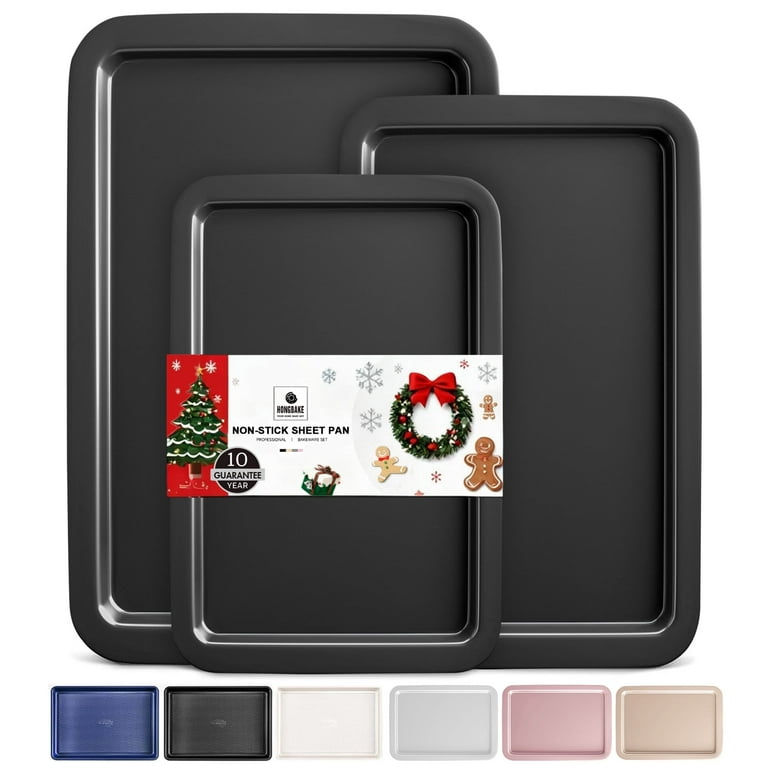
Professional kitchens often use uncoated aluminum or stainless steel sheets. These are built for heavy use and often washed in large, industrial dishwashers. However, they are replaced often due to heavy wear.
If you buy “restaurant-style” sheets for home, treat them gently. Even though they’re tough, frequent dishwasher cleaning will shorten their life, cause warping, or change how they cook. In a home kitchen, hand washing is usually enough.
Credit: sajdikovehumence.sk
Myths And Misconceptions About Dishwasher Safe Bakeware
You may have heard:
- “If it says dishwasher safe, you can wash it any way you want.”
- “All stainless steel is safe in the dishwasher.”
- “The dishwasher disinfects everything, so it must be better.”
These ideas are not always true.
The Label Isn’t A Guarantee
“Dishwasher safe” usually means the pan will survive a few cycles without falling apart. It doesn’t mean it will look or work like new after years of dishwasher use.
Not All Stainless Steel Is Equal
Cheaper stainless steel pans may rust or discolor if the metal mix is low quality. Higher grades (like 18/10) resist damage better.
Dishwasher Cleaning Isn’t Always Cleaner
The dishwasher may not remove baked-on grease or caramelized sugars. You may still need to scrub by hand to get your pans truly clean.
How To Restore Baking Sheets Damaged By Dishwasher
If your baking sheet has already gone through the dishwasher and looks bad, you might not need to throw it out right away. Here are a few tricks to try:
For Aluminum
- Rub with a mixture of baking soda and lemon juice. This can help remove discoloration.
- If the pan is pitted or very rough, it’s best to replace it.
For Nonstick
- If only a little sticky, wash with dish soap and a soft sponge.
- If the coating is flaking, stop using it. Flakes can end up in your food.
For Stainless Steel
- Use a paste of baking soda and water to remove stains.
- For rust spots, try a bit of Bar Keepers Friend or a similar cleaner (read the label first).
For Enamel/ceramic
- Chips and cracks can’t be fixed. Use these sheets for crafts, not food.
Extra Insight: Sometimes, a pan that looks “ugly” still works fine for roasting vegetables or savory foods. However, for cookies or delicate items, damaged pans can cause sticking or uneven baking.
Tips To Extend The Life Of Your Baking Sheets
- Always hand wash if you want to keep your pans looking their best.
- Line with parchment paper or silicone mats when baking sticky foods.
- Dry immediately after washing to prevent water spots or rust.
- Store carefully to avoid dents and chips; don’t stack heavy pans on top.
- Avoid metal utensils on nonstick and enamel surfaces.
Surprising Fact: Many baking sheets wear out not from baking, but from poor cleaning and storage habits.
The Environmental Impact: Dishwasher Vs. Hand Washing
Some people worry about water and energy use. Dishwashers are often more efficient for a full load, but hand washing a few items with minimal water is often greener. Using less harsh detergent and cooler water is better for both your pans and the planet.
For more on dishwasher efficiency, the US Department of Energy provides helpful guidelines at energy.gov.
When To Replace Your Baking Sheets
No matter how well you care for them, all baking sheets wear out eventually. Replace your pans if:
- The surface is peeling or flaking
- Warping makes them unstable in the oven
- Rust is visible or spreading
- Food sticks, even when using parchment or oil
Well-cared-for sheets can last for years, but don’t risk your health or baking results with a damaged pan.
Frequently Asked Questions
Can I Put All Baking Sheets In The Dishwasher If I Use The Gentle Cycle?
No. Even on a gentle cycle, the detergents and heat can damage aluminum, nonstick, and insulated baking sheets. Always check the manufacturer’s label or instructions.
Why Did My Baking Sheet Turn Dull And Gray After One Wash In The Dishwasher?
This is common with aluminum sheets. The dishwasher’s detergent and heat react with the metal, causing oxidation. This looks bad but isn’t usually harmful. However, the pan may become harder to clean in the future.
Is It Safe To Use A Baking Sheet If The Nonstick Coating Is Peeling?
No. Peeling nonstick coatings can mix with your food and may pose health risks. It’s best to replace the pan as soon as you see flaking or bubbling of the surface.
What’s The Best Way To Clean Baked-on Stains From A Baking Sheet?
Soak the pan in hot, soapy water. Sprinkle baking soda on tough spots, then scrub gently with a soft brush or sponge. For really stubborn stains, a paste of baking soda and hydrogen peroxide can help, but always rinse well.
How Can I Tell If My Baking Sheet Is Really Dishwasher Safe?
Look for a dishwasher safe symbol (often a plate with water drops) on the pan or packaging. If it’s not there, check the manufacturer’s website or product manual. When in doubt, hand washing is safest.
Baking sheets are a kitchen essential, but not all can handle the dishwasher’s tough love. By understanding your pans and giving them the right care, you’ll bake better, save money, and enjoy your favorite treats for years to come.