Cooking is a daily ritual for many people. The tools you use can make a big difference in your experience and results. One simple yet essential tool is the wooden spatula. You may have seen it in kitchens, but not everyone knows why it is so popular or exactly what it is used for. Let’s explore the many roles of the wooden spatula, its benefits, and how it compares to other kitchen utensils.
What Is A Wooden Spatula?
A wooden spatula is a flat or slightly curved tool made from wood, used for stirring, flipping, and mixing food. Unlike metal or plastic spatulas, wooden spatulas are gentle on cookware and comfortable to hold. They come in different shapes—some are straight, others are angled or rounded at the tip. The most common woods used are bamboo, beech, maple, and teak.
Wooden spatulas are not new. They have been used for centuries in kitchens around the world. Their natural material makes them safe for food contact, and their design is simple, but effective.
Main Uses Of A Wooden Spatula
The wooden spatula is more than just a stirring stick. Here are its main uses in the kitchen:
1. Stirring Hot Foods
Wooden spatulas are perfect for stirring soups, stews, and sauces. Wood does not conduct heat quickly, so you can stir hot foods without burning your hand. Unlike metal spatulas, wood stays cool to the touch.
2. Scraping The Bottom Of Pots And Pans
When cooking, you often need to scrape the bottom of the pan to prevent sticking or burning. Wooden spatulas are gentle on nonstick or ceramic surfaces, so you won’t scratch your pans.
3. Flipping And Turning Food
Some wooden spatulas have a flat, broad edge that makes it easy to flip pancakes, eggs, or stir fry. Their strong build helps lift heavier foods without bending.
4. Mixing Doughs And Batters
Wooden spatulas are sturdy enough to mix thick doughs or batters. Unlike metal, they don’t react with acidic ingredients, and unlike plastic, they don’t melt in hot mixtures.
5. Serving Food
Many people use wooden spatulas to serve rice, pasta, or vegetables. Their smooth surface makes them ideal for scooping and portioning.
6. Preventing Food Reactions
Wood does not react with acidic foods like tomatoes or vinegar, so your food will taste natural. Metal spatulas can sometimes cause unwanted flavors or discoloration.

Credit: www.amazon.com
Advantages Of Using A Wooden Spatula
Many cooks prefer wooden spatulas for good reasons. Here are some benefits:
- Durability: High-quality wooden spatulas last for years if cared for properly.
- Heat Resistance: Wood does not transfer heat, so you avoid burns.
- Gentle on Cookware: They won’t scratch your pans or pots.
- Eco-Friendly: Wood is biodegradable and renewable.
- Safe for Food: No chemicals leach into food, unlike some plastics.
- Comfortable Grip: The handle is usually smooth and easy to hold.
Some people overlook the fact that wooden spatulas also reduce noise in the kitchen. When stirring or scraping, wood is quieter than metal—ideal for early morning cooking or shared living spaces.
You might find this helpful: Best Wood Spatula For Daily Use
Types Of Wooden Spatulas
There are different shapes and sizes. Here are the most common types:
- Flat Spatula: Good for flipping and stirring.
- Curved Spatula: Best for scraping bowls and pans.
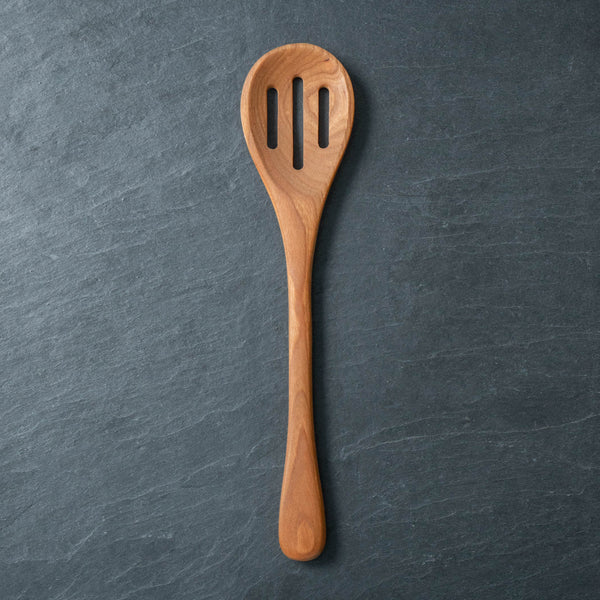
- Slotted Spatula: Allows liquid to drain, helpful for sautéing.
- Long Handle Spatula: Useful for deep pots or grills.
Choosing the right type depends on what you cook most often.
How Does A Wooden Spatula Compare To Other Materials?
To understand why wooden spatulas are popular, let’s compare them to metal and plastic spatulas.
| Material | Heat Resistance | Cookware Safety | Durability | Eco-Friendliness |
|---|---|---|---|---|
| Wood | Excellent | Gentle | High | Biodegradable |
| Metal | Excellent | May scratch | High | Not biodegradable |
| Plastic | Low | Gentle | Medium | Polluting |
Wood stands out for its gentle touch and natural feel. Metal can handle high heat but can damage pans. Plastic is safe for nonstick cookware but may melt or release chemicals.
Best Practices For Using A Wooden Spatula
To get the most from your wooden spatula, follow these tips:
- Use for stirring, mixing, flipping, and serving.
- Avoid soaking in water for long periods—this can cause cracking.
- Hand wash only. Do not put it in the dishwasher.
- Dry thoroughly after washing to prevent mold.
- Oil regularly with food-safe oil like mineral oil or coconut oil to keep the wood smooth and prevent drying.
Here’s a quick care comparison for kitchen spatulas:
| Type | Dishwasher Safe | Needs Oiling | Resistant to Staining |
|---|---|---|---|
| Wood | No | Yes | Medium |
| Metal | Yes | No | High |
| Plastic | Yes | No | Low |
Many beginners forget to oil their wooden spatulas regularly. This simple step extends the life of your utensil and keeps it safe for food use.
Credit: lancastercastiron.com
Examples Of Wooden Spatula Uses In Everyday Cooking
Let’s look at practical ways you can use a wooden spatula:
- Making scrambled eggs: The spatula gently stirs eggs without scratching the pan.
- Cooking tomato sauce: Wood does not react with acidic tomatoes, keeping the flavor pure.
- Sautéing vegetables: The flat edge slides under food, allowing easy flipping.
- Baking bread: Mixing dough with a wooden spatula is easier because it is strong and comfortable.
- Stirring risotto: The long handle lets you stir without getting too close to the heat.
One non-obvious insight: wooden spatulas are often used for candy making because wood does not transfer heat, preventing burns and unwanted temperature changes.
Health And Safety Considerations
Wooden spatulas are generally safe, but there are some things to keep in mind:
- Avoid cracked spatulas: Bacteria can hide in cracks.
- Do not use for raw meat: Wood is porous, so it can hold bacteria if not cleaned well.
- Replace old spatulas: If the spatula smells bad or feels rough, it’s time to get a new one.
Most people don’t realize that wooden spatulas can sometimes absorb strong flavors, especially if used for garlic or curry. To prevent this, wash and dry them quickly after use.
Environmental Impact Of Wooden Spatulas
Wooden spatulas are more eco-friendly than plastic. Wood is renewable and biodegradable. When your spatula wears out, it can be composted or recycled. Bamboo spatulas are especially popular because bamboo grows quickly and is sustainable.
According to the National Kitchenware Association, over 40% of households in the US use at least one wooden cooking utensil, showing their popularity and environmental appeal.
Choosing The Best Wooden Spatula
If you want to buy a wooden spatula, here are some things to consider:
- Wood Type: Hardwoods like maple, beech, or teak are more durable.
- Shape: Flat for flipping, curved for stirring, slotted for draining.
- Handle Comfort: Look for smooth, rounded handles.
- Finish: Food-safe oil or wax is best. Avoid painted or varnished spatulas.
- Size: Longer spatulas are safer for deep pots.
Here’s a quick comparison of popular wood types:
| Wood Type | Durability | Grain | Cost |
|---|---|---|---|
| Bamboo | High | Fine | Low |
| Maple | Very High | Medium | Medium |
| Teak | Very High | Coarse | High |
| Beech | Medium | Fine | Medium |
Avoid spatulas made from soft woods; they may bend or break easily.

Credit: www.amazon.com
Common Mistakes When Using A Wooden Spatula
Many people make these errors:
- Leaving in hot pans: Prolonged heat can dry and crack the wood.
- Dishwasher cleaning: High heat and moisture damage the spatula.
- Using for raw meat: Increases risk of bacteria.
- Ignoring regular oiling: Leads to roughness and splinters.
- Using damaged spatulas: Cracks hold germs and make cleaning hard.
If you avoid these mistakes, your wooden spatula will last longer and stay safe.
Wooden Spatula In Different Cuisines
Wooden spatulas are used in many cultures. In Italian kitchens, they stir risotto. In Indian cooking, they mix curries and doughs. In Asian kitchens, bamboo spatulas are common for stir fry.
In professional kitchens, chefs often use wooden spatulas for delicate tasks, like folding ingredients or stirring sauces. Their gentle touch is valued for fine cooking.
Cleaning And Maintenance Tips
Proper care keeps your wooden spatula in top shape:
- Wash with mild soap and warm water.
- Never soak or leave wet.
- Dry upright or flat.
- Oil monthly with food-safe oil.
- Sand lightly if rough spots develop.
With good care, a wooden spatula can last for years—even decades.
Frequently Asked Questions
What Foods Should I Avoid Using A Wooden Spatula With?
Avoid using a wooden spatula for raw meat or highly sticky foods like caramel, as the wood can absorb bacteria or residue. For these tasks, metal or silicone utensils are safer.
How Can I Remove Strong Odors From My Wooden Spatula?
Wash with baking soda and warm water, then rinse and dry. Occasionally rubbing with lemon juice can also help remove stubborn smells.
Is A Wooden Spatula Safe For Nonstick Cookware?
Yes. Wooden spatulas are gentle on nonstick surfaces and do not cause scratches, making them ideal for nonstick pans.
How Do I Know When To Replace My Wooden Spatula?
Replace your spatula if you see deep cracks, mold, or if it feels rough and splinters. If it smells bad even after washing, it’s best to get a new one.
Are Bamboo Spatulas Better Than Other Wooden Spatulas?
Bamboo is a sustainable option and is very durable. It is lighter than most hardwoods and resists staining, making it a popular choice for eco-friendly kitchens. For more details on bamboo kitchen tools, visit Wikipedia.
A wooden spatula is a simple tool, but it is essential for many cooking tasks. Its natural material, durability, and gentle touch make it a favorite in kitchens worldwide. If you care for it properly and use it wisely, it can become your most reliable kitchen partner.
Whether you are a beginner or an experienced cook, the wooden spatula deserves a place in your kitchen drawer.