I bought my first pack of air fryer liners expecting a gimmick. After months of testing them across everything from chicken wings to baked oatmeal, I can tell you the honest answer: liners are not strictly necessary, but they are genuinely useful for specific foods and cooking habits. This guide breaks down the eight insights that matter, so you can decide once and for all whether they earn a spot in your kitchen drawer.
The Short Answer
Air fryer liners are a convenience tool, not a requirement. Your air fryer cooks perfectly well without one. But for sticky, greasy, or batter-heavy foods, a liner can cut cleanup time from roughly ten minutes of scrubbing to a quick toss in the bin. The real question is whether that convenience justifies the cost and the added waste. For frequent users who cook messy foods, the answer is almost always yes. For occasional reheating and simple vegetables, you can skip them entirely. You can also read our guide on can you put air fryer basket in dishwasher.
1. What Air Fryer Liners Actually Do
Liners perform three practical jobs, not one.
First, they create a physical barrier between your food and the basket's non-stick surface. Over time, that coating gets scratched by metal tongs and abrasive scrubbing. A liner absorbs that wear instead. Second, they catch drips. Melting cheese, rendered bacon fat, and marinade sugars all pool and burn onto the basket floor. A liner traps those drips before they bake on. Third, they stop delicate foods from tearing when you lift them out. Edges of a cooked fish fillet or a soft muffin stay intact when you can lift the whole liner rather than scraping at the basket.
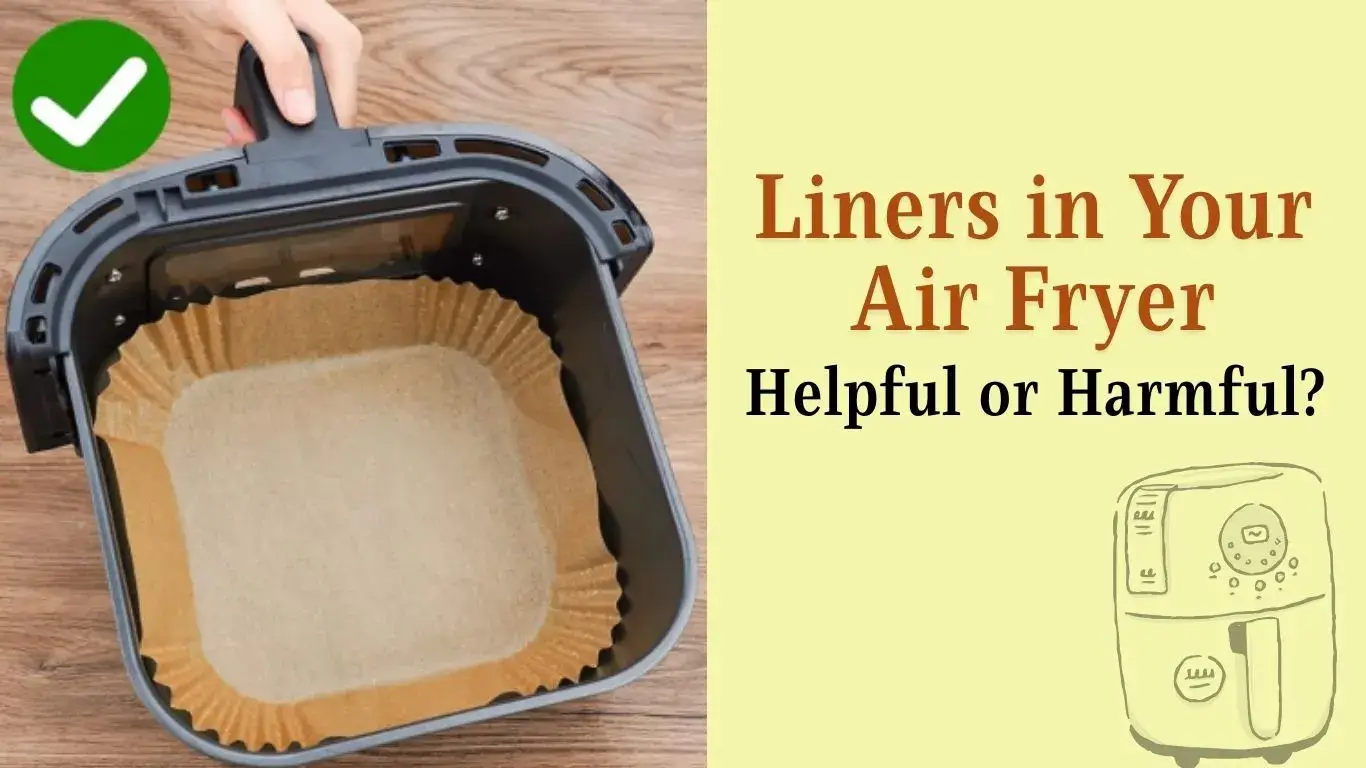
A correctly sized liner sits flat with a gap left around the edges for airflow.
What liners do not do is make food crispier. The crispiness in an air fryer comes from rapid hot-air circulation, and a liner sits between that airflow and your food. A well-perforated liner preserves most of that effect, but it never improves it. That distinction shapes every other insight in this article. You can also read our guide on can you use parchment paper in an air fryer.
2. Parchment vs Silicone: Which Type Suits You?
Two liner materials dominate the market, and they serve different habits.
Disposable Perforated Parchment
Parchment liners are thin sheets of paper coated with a heat-resistant silicone layer. Most have small perforations that let hot air pass through to the food's underside. They are single-use, cost a few cents per sheet, and are ideal for greasy meals where cleanup would otherwise be a chore. Check the package for a temperature rating; quality parchment holds up to about 220°C (425°F), which covers standard air frying. Press them down with your food right away, or the fan can blow them around.
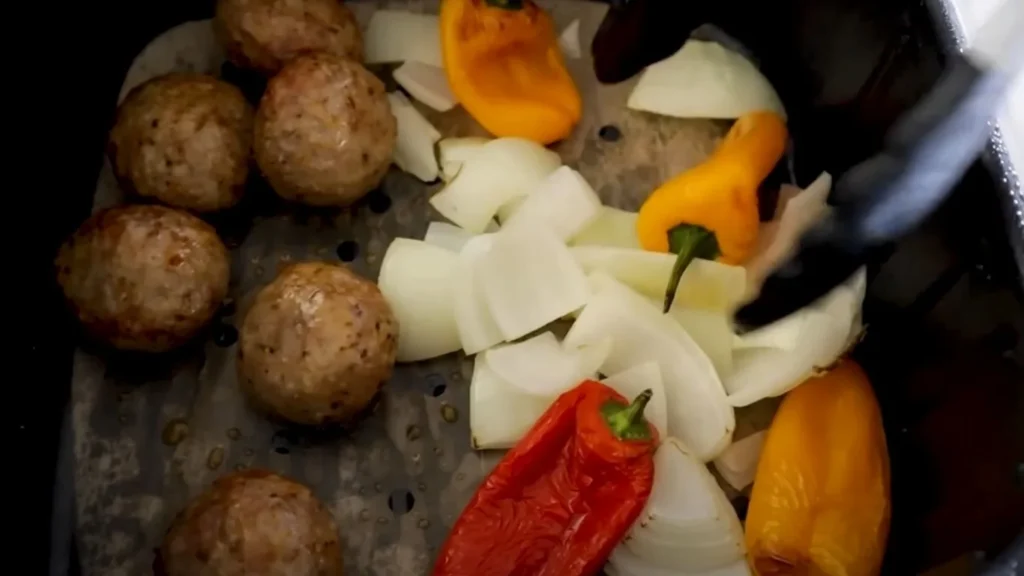
Perforated parchment lets hot air reach the food while catching drips.
Reusable Silicone Mats
Silicone mats are round or square discs that sit in the basket base. They are non-stick, washable, and can last for years with normal care. They cost more upfront — typically $10 to $20 — but the cost per use becomes negligible after a month of regular cooking. Silicone tolerates higher temperatures than parchment, and food-grade silicone is stable at air fryer temperatures. The trade-off is that you must hand-wash or dishwasher them, which eats into the time you saved.
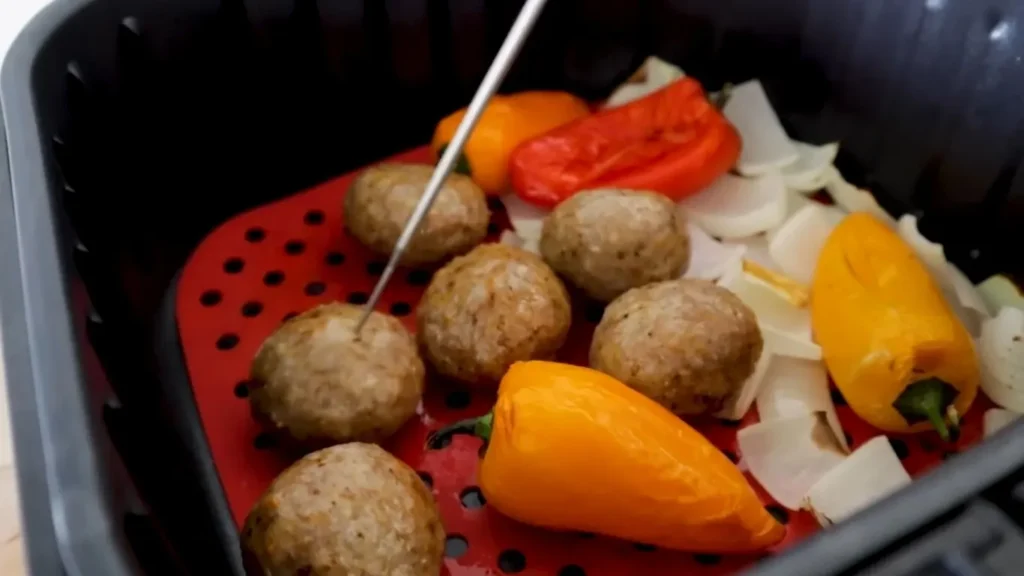
Silicone mats lie flat, resist heat, and can be washed after each use.
Both materials are accepted for contact with food under the food-contact guidance from the FDA, as long as you buy products explicitly labelled for air fryer use and avoid decorative inks that may not be food-safe.
3. When Liners Are Worth It
After testing dozens of foods, I use a liner in three clear situations.
Sticky and greasy proteins. Chicken wings, bacon, marinated kebabs, and meatballs all render fat or stick as they cook. A liner catches the drips before they bake onto the basket and keeps the food from welding itself to the surface. This is the single biggest win. Without a liner, you will soak, scrub, and still sometimes find charred residue left behind.
Baked goods. Muffins, cookies, small cakes, and egg bites release much easier from a lined basket. Batter seeps into the basket's grooves when it bubbles, and a liner keeps the finished bake whole and neat. If you bake in your air fryer often, this alone justifies the purchase. The same logic applies to full-size ovens — and if you are comparing options for your main appliance, protecting your oven's floor follows the same trade-offs in oven liner protection.
Smoke-prone meals. Excess oil dripping onto the heating element creates smoke and acrid smells. A liner catches much of that fat before it reaches the element. For fatty cuts of meat, this makes the difference between a fresh-smelling kitchen and a house that smells like a diner fryer.
4. When You Are Better Off Skipping Them
Liners cause problems when you use them for the wrong food or place them improperly. Here is when I leave them in the drawer.
Airflow is the biggest risk. A liner that covers the entire basket surface restricts hot-air circulation, and you end up with steamy, unevenly cooked food instead of crispy results. Every liner should leave a clear margin around the edges. If your liner touches all four sides, it is too big.
Foods that release a lot of water. Frozen vegetables, mushrooms, and other high-moisture foods release steam as they cook, and a liner traps that moisture against the food's bottom. You get soggy undersides. These foods are also naturally low in stickiness, so the liner has little to do.
Simple reheating. Pizza slices, roasted vegetables, and leftover fries barely touch the basket surface. They come out fine with no liner at all, and you save the cost and the waste.
Loose lightweight liners. If the fan is strong and the food is light — think popcorn or shredded ingredients — the liner can lift and flap against the element. Always weigh the liner down with food or skip it entirely for featherweight items.
5. The Real Cost of Using Liners Daily
The "worth it" question is a maths problem. A pack of parchment liners runs about $8 for 100 sheets, or roughly eight cents per use. Use them five times a week and you spend around $21 per year. That is trivial compared with the time saved, but it is not nothing.
Silicone mats change the equation. A $15 mat used five times a week pays for itself in under two months compared with disposable sheets, then effectively gives you free service for months or years. The catch is the cleaning time and the fact that a second basket is often still handy for rotating batches.
My honest rule: use disposables for heavy, greasy cooks where the liner will be ruined anyway, and use silicone for lighter duty. If you cook in the air fryer a few times a week, the annual cost of disposables stays under a dinner out — a cheap break for your effort. If you cook daily, silicone is the smarter financial move.
6. How to Use Air Fryer Liners Safely
Safe liner use comes down to four details: fit, placement, food weight, and temperature rating.
Choose the right shape and size. Round liners for round baskets, square for square. The liner should sit flat with a visible gap of at least a centimetre between the liner edge and the basket wall.
Place it before you heat, not after. Adding a liner to a hot basket is awkward and risks burns. Seat the liner in a cold basket, then add food.
Keep the liner off the heating element. If the liner rises above the basket rim, it can contact the coil at the top of the machine. That is the one genuinely dangerous scenario — parchment can scorch and silicone can degrade. Buy liners sized for your specific basket capacity.
Weigh it down with food. The circulating fan can lift a light, empty liner. Place food over the centre before powering on.
Respect raw-protein hygiene. A liner does not change safe food handling rules. Chicken wings and other raw proteins must still reach a safe internal temperature before serving — reference the USDA's food safety guidance for proper target temperatures rather than relying on colour or time alone.
Check your manufacturer's manual. Some air fryer brands advise against liners or specify a maximum cooking temperature. That guidance overrides any liner packaging, so check the booklet before your first use.
7. Best Alternatives to Air Fryer Liners
You do not need liners at all if you adopt a few simple habits.
Clean the basket promptly. A basket cleaned while it is still warm — not hot — wipes down in under a minute. Cooled-on grease is where the scrubbing begins. Use a soft sponge and warm soapy water, then dry it completely to protect the non-stick coating. If grease has migrated to your kitchen's ventilation over time, cleaning your kitchen's ventilation uses the same principle of regular upkeep.
Use a light oil mist. A spray of high-smoke-point oil, like sunflower or avocado, coats the basket surface and stops food from bonding to it. This is the cheapest alternative and works for most everyday cooks. If you already know how to manage similar non-stick surfaces with silicone bakeware, the same idea applies — deciding on oiling silicone bakeware versus leaving it bare changes how your food releases.
Buy a dishwasher-safe basket. Many modern air fryers have removable, dishwasher-safe baskets. If yours does, heavy messes go straight onto the rack and you may never miss a liner.
Enamel-coated baskets. Some premium air fryers use an enamel interior that releases food more easily than standard non-stick. With one of these, liners become genuinely optional.
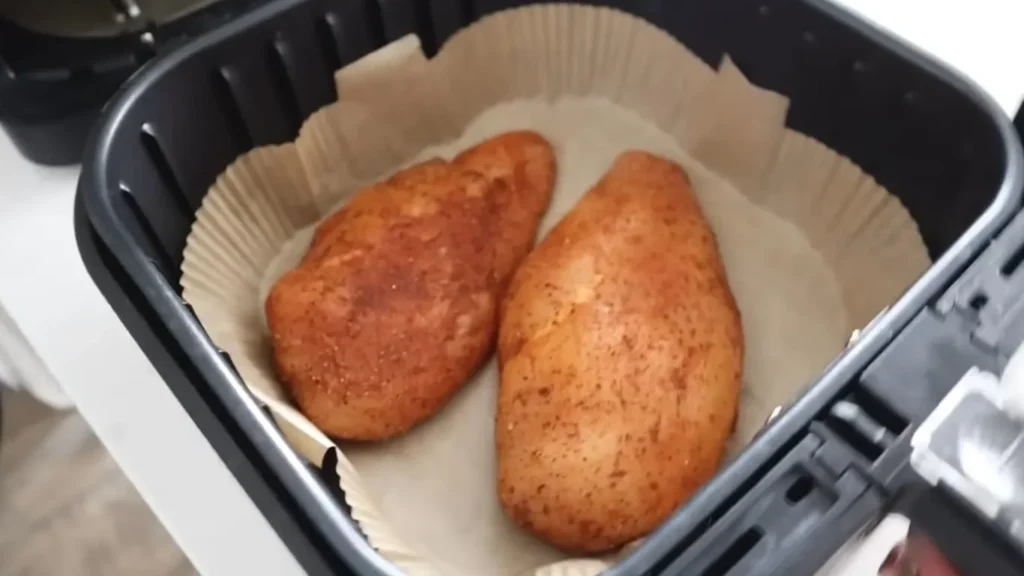
Disposable parchment and reusable silicone liners cover most air fryer basket shapes.
8. Common Misconceptions, Debunked
I have read the forum threads and the product reviews, and most of the fear around liners is overstated. Here is what is actually true.
"Liners slow down cooking." Only if they are solid and cover the whole basket. A good perforated liner reduces airflow so little that most recipes finish at the same time. If you notice soggy results, check for perforations — a non-perforated sheet is the culprit.
"Liners leak chemicals into food." Food-grade silicone and parchment are heat-stable at air fryer temperatures and are accepted for food contact by regulators. The real risk is cheap, unbranded products made from unspecified materials. Buy from a known brand and verify the food-safe label.
"Liners scratch the basket." They do the opposite. The liner itself is soft, and it prevents metal utensils and burnt-on food from contacting the non-stick surface.
"All liners fit every air fryer." This is false and the source of most safety problems. Air fryers come in round and square baskets with different depths. A liner meant for a 7-litre round basket can barely fit inside a 4-litre square model. Always measure your basket base before buying.
Pros and Cons at a Glance
| Pros | Cons |
|---|---|
| Reduces cleanup time from minutes to seconds | Per-sheet cost adds up with daily use |
| Keeps delicate foods whole when lifting out | Poor fit restricts airflow and soggies food |
| Protects the non-stick basket from scratches | Loose liners can rise and touch the heating element |
| Catches grease and reduces smoke inside the kitchen | Single-use parchment creates ongoing waste |
| Helps baked goods release cleanly | Adds no crispness — can slightly reduce it |
| Cheap to test with a trial pack | Requires you to match the shape to your basket |
The patterns are consistent. Liners earn their keep on messy, fatty, or batter-heavy food. On simple reheats and vegetables, they add cost and waste without a payoff.
Air Fryer Liner FAQs
Can I use regular parchment paper in an air fryer?
Only if the box states a temperature rating high enough for your air fryer's maximum setting. The fan can also push unfolded paper into the element, so you need an actual liner with perforations or a weighted shape. Trim plain parchment to size and fold the edges down securely.
Are silicone air fryer mats better than parchment?
Silicone wins on cost over time and waste reduction, while parchment wins on convenience because you throw it away. Choose silicone if you cook daily, parchment if you cook rarely and want zero cleanup.
Do I need liners for a dishwasher-safe air fryer basket?
No. If your basket survives a dishwasher cycle, you already have the easiest cleaning route. Liners become a matter of preference rather than necessity.
Why does my food turn out soft with a liner?
You are almost certainly using a solid (non-perforated) liner or one that covers too much basket area. Switch to perforated and leave a clear margin around the edges.
Are liners safe at high temperatures?
Quality parchment is safe to about 220°C and food-grade silicone well above that. Stay within both the liner's rated range and your air fryer's maximum heat setting. If you push temperatures near the limit, watch the first batch closely.
How often should I replace a silicone liner?
Replace it when it develops cracks, discolours heavily, or loses its flat shape — usually after many months of regular use. Surface stains from turmeric or sauce do not affect safety.
Do liners affect the air fryer's warranty?
Some manufacturers discourage liners, while others explicitly allow them. The decisive factor is whether the liner touches the heating element. Keep it inside the basket and most warranties are unaffected. Check your manual to confirm.
Final Verdict
Are air fryer liners necessary? No. Are they worth it? For most people who cook messy foods regularly, yes.
The honest summary: buy a pack of perforated parchment sheets and a silicone mat. Use the parchment for greasy wings, bacon, and anything with a sticky marinade. Use the silicone mat for everyday cooking where you want a reusable buffer. Skip both for reheats, roasted vegetables, and any food with high water content. That simple system keeps the cleanup fast, the basket protected, and the cupboard from filling up with unnecessary extras.
If you resolve to keep your kitchen gear truly useful, avoid the trap of collecting gadgets you will not use. Build a kit around your actual cooking patterns, and consider the safer bakeware options from our bakeware testing resource.
If you want more practical, hands-on answers like this one, explore our other kitchen guides in the KitchenWink blog.