If you’ve ever wondered how to make popcorn in a saucepan without burning half the batch, you’re not alone. Stovetop popcorn is cheap, quick, and far more flavorful than anything in a microwave bag. It also has a learning curve.
The good news is that it all comes down to heat control and a little patience.
In our research, one kernel fact explains almost everything. At about 356°F (180°C), the water inside each kernel becomes steam, builds pressure, and bursts outward. Per the USDA FoodData Central, a quarter-cup of unpopped kernels yields roughly seven cups of popped popcorn.
Get that heat window right, and everything else falls into place.
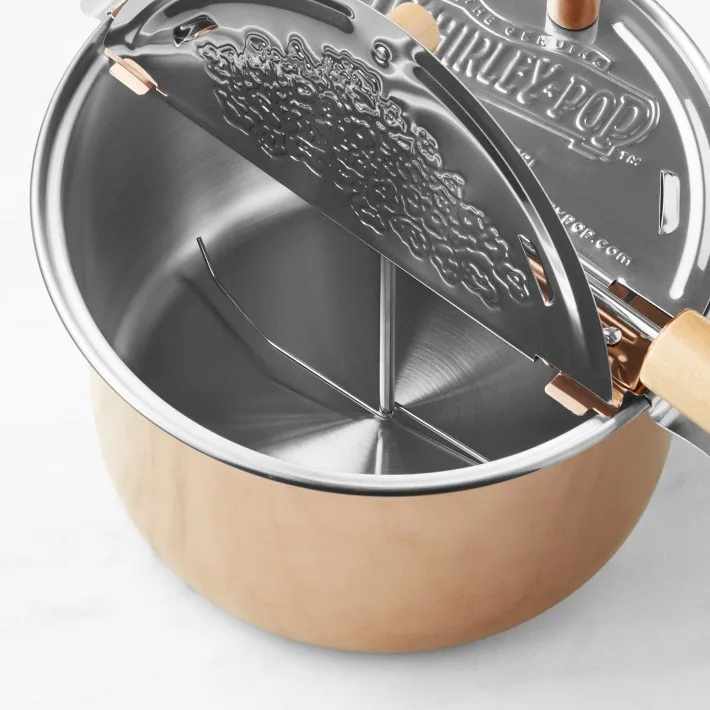
Image source: Web (Bing) / williams-sonoma.com (Web image (fair-use with source credit))
Quick Answer: Stovetop Popcorn in a Saucepan
To make popcorn in a saucepan, control the heat and keep the pan moving. Heat 2 to 3 tablespoons of oil over medium-high. Add a few test kernels.
When they pop, pour in a quarter-cup of kernels. Cover the pan and shake it gently. Pull it off the heat when pops slow to 1 or 2 seconds apart.
Season and serve.
Why Saucepan Popcorn Beats Microwave (Mostly)
Microwave popcorn wins on convenience. No question about that. But it loses on ingredients, texture, and cost per bowl.
Stovetop popcorn gives you control over the oil, the salt, and the butter. That control is the whole point. As of 2026, stovetop kernels are still the cheapest way to fill a bowl.
| Factor | Saucepan Popcorn | Microwave Popcorn |
|---|---|---|
| Time | 5 to 7 minutes | 2 to 4 minutes |
| Flavor | Fresh, crisp, easy to season | Artificial butter, can taste stale |
| Oil control | You choose the amount and type | Usually pre-oiled or coated |
| Cost per bowl | About 10 to 20 cents for kernels | About 50 cents to $1 per bag |
| Skill level | Small learning curve | None |
That’s not a knock on microwave popcorn. It’s a lifesaver when you need a snack in four minutes. But if you’ve got five extra minutes and a lid, saucepan popcorn tastes closer to movie-theater popcorn than anything from a bag.
How Popcorn Pops: The 30-Second Science
Popcorn is not magic. It’s physics and a little moisture. Every kernel has a hard hull and a starchy interior with about 14 percent water by weight.
When that water heats past boiling, it turns to steam and starts pressing outward. At roughly 356°F and 135 psi, the hull gives way. The starch expands and cools into the fluffy piece you eat.
The National Popcorn Board puts that popping pressure around 135 psi. That’s also why old, dry kernels fall flat. They’ve lost their moisture, so the steam never builds enough pressure.
Heat control matters for the same reason. Too little heat and the steam never presses hard enough. Too much heat and the kernel’s outside burns before the inside generates pressure.
The sweet spot is a strong, steady medium-high heat.
What You Need: Kernels, Oil, Pan, Lid
Before you start, gather your gear. You don’t need a special popcorn machine. A regular saucepan works, as long as it has a heavy bottom and a tight-fitting lid.
A 3-quart or 4-quart pan is ideal. It gives kernels room to spread out and lets the popped corn expand without crowding.
- 1/4 to 1/3 cup popcorn kernels
- 2 to 3 tablespoons neutral oil with a smoke point above 400°F (204°C), like canola, peanut, or sunflower
- A heavy-bottomed saucepan with a lid
- Butter or seasoning for after popping
The smoke point is the temperature where oil starts to smoke and burn. Butter is not for popping. It burns at around 350°F (177°C), well below the temperature you need.
Save it for after the kernels have popped. If you’re using an induction cooktop, make sure your pan is magnetic. Stainless steel is, aluminum usually isn’t.
Step-by-Step: Perfect Saucepan Popcorn
This is the workflow. Follow it once, and you’ll have a routine that works on gas, electric, or induction cooktops.
- Heat 2 to 3 tablespoons of oil in the saucepan over medium-high heat.
- Drop in 3 or 4 test kernels. Cover with the lid.
- When the test kernels pop, pull the pan off the heat. Add the rest of your kernels and give the pan a light shake.
- Put the lid back on and crack it just a little to let steam escape. Return the pan to the burner.
- Shake the pan gently every few seconds. This keeps the kernels moving and stops the bottom layer from scorching.
- Keep shaking until the popping slows to about 1 or 2 seconds between pops.
- Pull the pan off the heat and let it sit for 30 seconds until the last pops finish.
- Pour the popcorn into a big bowl right away. This keeps steam from turning the bottom soggy.
- Drizzle with melted butter, add salt or your favorite seasoning, and toss.
If you see smoke before the first test kernel pops, your heat is too high. Turn it down and start over.
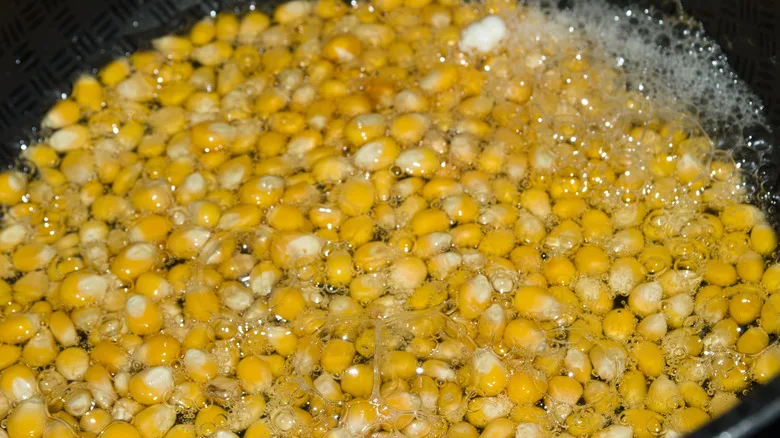
Image source: Bing (Web (fair-use with source credit))
That’s your base layer: kernels in oil, all coated, no smoking oil. If you see streaks of smoke before the first pop, cool the pan down. A little patience at the start saves you from a scorched batch.
The Big Variables: Heat, Oil, and Lid Position
Popcorn doesn’t pop by accident. It pops because the heat, oil, and lid work together. Change one, and your results shift.
How to Choose the Right Oil
The best oil for stovetop popcorn has a smoke point above 400°F (204°C). Neutral oils like canola, peanut, sunflower, and safflower all work perfectly. Refined coconut oil is another excellent option.
It’s the oil most movie theaters use for that classic flavor. Avoid butter, olive oil, or anything labeled “extra virgin.” They burn at lower temperatures and make the kernels taste scorched before they even pop.
Our research shows canola is the most forgiving for beginners. It has a neutral flavor, a smoke point around 400°F, and it’s cheap. Peanut oil brings a subtle nutty taste.
Coconut adds that movie-theater scent. If you’re sensitive to flavor, stick with canola or sunflower.
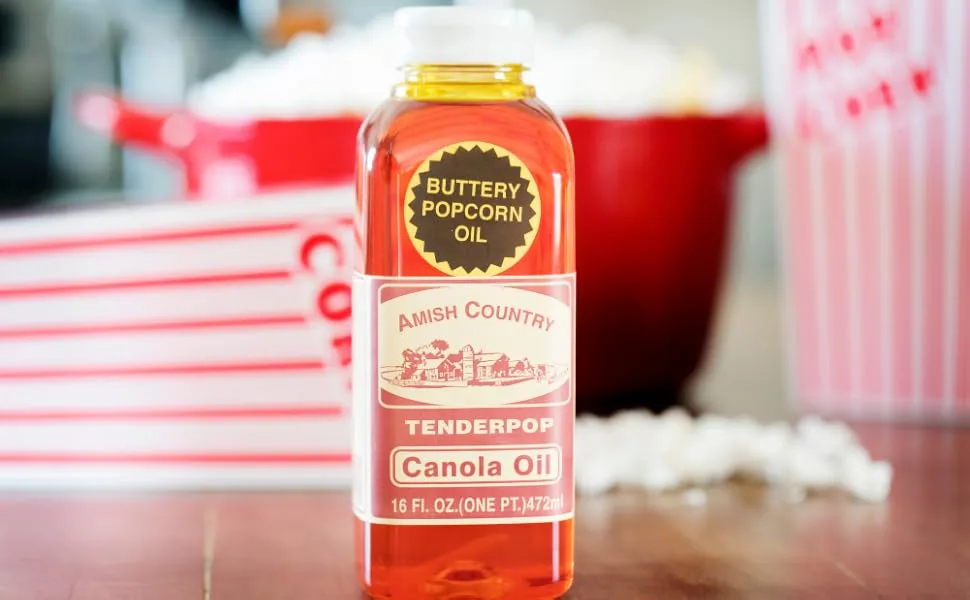
Image source: Bing (Web (fair-use with source credit))
What Size Saucepan Works Best
A 3-quart saucepan hits the sweet spot for most home cooks. It holds enough oil and kernels for a generous bowl, and the wide bottom distributes heat. A 2-quart pan works for a single snack, but the kernels crowd each other.
That crowding leads to uneven popping. A 4-quart Dutch oven is fine too, but it takes more oil to coat the bottom properly.
Lid On, Off, or Cracked?
Keep the lid on for the entire popping process, but crack it just a hair. That gap lets steam escape. Too much steam makes the popcorn chewy.
Too little contact with the hot surface leaves the bottom kernels unpopped. The lid also keeps the popcorn from flying out while you shake the pan.
How to Know It’s Done: Listen, Don’t Just Watch
Poppers have a rhythm. Once the kernels start exploding, listen closely. The gaps between pops tell you exactly what’s happening.
When the popping slows to one pop every 1 or 2 seconds, the moisture inside the remaining kernels is nearly gone. Keep going much longer, and the kernels will scorch. Pull the pan off the heat, and let the residual heat finish the last few pops.
If you wait for complete silence, the popcorn will be burnt. Trust your ears more than your timer. A typical batch takes 3 to 5 minutes, but the exact time depends on your pan, your stove, and the kernel freshness.
Common Mistakes and How to Fix Them
- Burning the oil before the kernels pop: lower the heat and start over. Oil that’s smoking tastes bitter.
- Adding kernels to cold oil: the kernels absorb oil and cook too slowly. Wait for the test kernels.
- Using a lid that doesn’t fit: steam builds up, popcorn gets chewy, and kernels escape. Tighten the seal.
- Shaking too hard or too gently: you want the kernels to slide around the bottom, not fly around the pan. A light, steady shake is all you need.
- Lifting the lid too often: every peek releases steam and lets heat escape. The popcorn gets tough.
Perfect Seasonings: Butter, Salt, Kettle Corn, and More
Popcorn is a blank canvas. Here are four reliable options:
- Classic Butter: melt 2 to 3 tablespoons of butter, pour it over the hot popcorn, and toss. Add a pinch of salt.
- Kettle Corn: stir 1 tablespoon of sugar into the kernels before they go in the pan. The sugar caramelizes and gives a sweet crunch.
- Cheesy Popcorn: dust with powdered cheese or nutritional yeast while the popcorn is still warm.
- Spicy Popcorn: add a pinch of cayenne or smoked paprika with the salt.
For the buttery version, use unsalted butter if you’re watching sodium. And don’t skip the tossing. A quick flip in the bowl coats every kernel, not just the top layer.
Troubleshooting: Chewy, Burnt, or Unpopped Kernels
Chewy popcorn is almost always a steam problem. You trapped too much moisture inside the pan. Fix it by cracking the lid more during popping.
Transfer the finished popcorn to a wide bowl immediately so it doesn’t steam itself mushy.
Burnt popcorn comes from heat that’s too high or heat left on too long. If the oil smokes before the kernels pop, start over with fresh oil. If the kernel edges look dark before the rest of the batch pops, the bottom of the pan is hotter than the sides.
Use a heavier pan or a lower flame.
Unpopped kernels have a few common causes. Old kernels lose moisture. Store kernels in an airtight container, and use them within a year.
Cold oil leaves the center unpopped. Low heat does the same. The fix is simple: bring the oil to a proper heat first, then add the kernels.
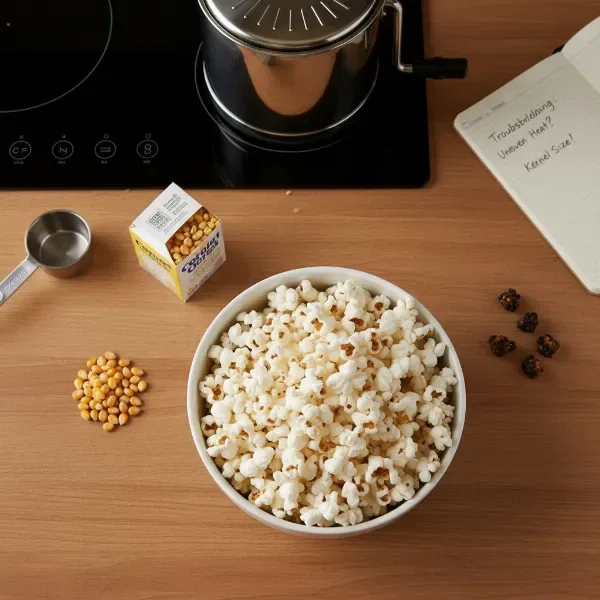
Image source: Web (Bing) / popcornmakerpro.com (Web image (fair-use with source credit))
Final Verdict: Your Best Saucepan Popcorn Routine
Making popcorn in a saucepan isn’t complicated once you understand the rules. Keep the heat medium-high, wait for the test kernels, and shake the pan. Listen for the last pops, then pull it off early.
Season while it’s hot, and eat it fresh.
Here’s the whole routine again in one glance:
- Heat 2 to 3 tablespoons of oil over medium-high heat.
- Add 3 or 4 test kernels and cover.
- When the test kernels pop, add the rest and shake.
- Crack the lid slightly, and shake every few seconds.
- Pull the pan off when pops are 1 to 2 seconds apart.
- Rest for 30 seconds, then pour into a bowl.
- Season, toss, and serve immediately.
That’s a routine you’ll remember after one batch. It works on gas, electric, and induction stovetops. It works with canola, peanut, sunflower, or refined coconut oil.
Toppings are up to you, from melted butter to a pinch of smoked paprika.
The biggest mistakes are heat, steam, and impatience. Turn the burner down if the oil smokes. Crack the lid so the popcorn stays crisp.
And trust your ears, not the clock. The exact time doesn’t matter as much as the sound of the popping.
Once you get the feel, you’ll probably stop buying microwave bags altogether. The cost is lower, the flavor is better, and you control every ingredient. It takes about five minutes from cold pan to warm bowl.
That’s as fast as anything else you can make, and it’s honest, snackable food.
Popcorn is also a forgiving canvas. If you burn a batch, dump it and try again. Oil is cheap, kernels are cheap, and the technique is short.
A little practice turns a simple saucepan into the best popcorn maker in your kitchen.
FAQ: Stovetop Popcorn Questions Answered
How many calories are in stovetop popcorn?
A quarter-cup of unpopped kernels makes about 7 to 8 cups of popped popcorn. Popped popcorn has roughly 30 calories per cup before toppings. Add butter or oil, and that number climbs quickly.
A light drizzle of melted butter adds about 100 calories per tablespoon.
Can I make popcorn without oil?
Yes, but not in a saucepan. A microwave popcorn popper or an air popper uses hot air instead. In a saucepan, you need oil to transfer heat evenly.
Without it, the kernels scorch before they pop. If you’re avoiding oil, stick to air-popped methods.
Why is my popcorn chewy?
Chewy popcorn is a steam issue. The lid traps moisture, and the moisture softens the crisp texture. Crack the lid slightly while popping, and transfer the popcorn to a wide bowl right away.
Even the best pan can’t fix a closed lid that holds steam.
How do I store leftover popcorn?
Keep leftover popcorn in a sealed container or a zip-top bag. It stays crisp for about 3 to 4 days at room temperature. Reheat it on a baking sheet in a 300°F oven for 5 minutes to bring back some crunch.
Avoid the microwave, which turns it rubbery.
Is stovetop popcorn healthier than microwave popcorn?
Usually, yes. Stovetop popcorn uses only the oil you add. Microwave popcorn often comes pre-coated with butter flavorings and additives.
That makes it easier to control the sodium and fat in a saucepan. The difference is less about calories and more about ingredients.
Why do some kernels never pop?
Dead kernels have either lost their moisture or have a damaged hull. Moisture creates the steam pressure, and the hull contains it. Store your kernels in an airtight container and use them within a year.
Old or cracked kernels just sit there, no matter how hot the oil gets.
Can I reuse popcorn kernels that didn’t pop?
No. Once a kernel has been heated through and failed to pop, its moisture is gone. Reheating it will only burn it or make it tough.
Toss the duds and crack a fresh batch. That’s the cheapest troubleshooting fix you’ll find.