Can you brew hot chocolate in a coffee maker? Short answer: yes. But as with most kitchen shortcuts, the real answer depends entirely on what kind of machine you own and what form your hot chocolate comes in.
A standard drip brewer handles it differently than a Keurig, and neither works well with every type of mix.
Our research shows that the Specialty Coffee Association’s standard brew temperature falls between 195-205°F. That range works beautifully for extracting coffee oils, but it’s actually hotter than most hot chocolate instructions recommend. That temperature difference matters more than you’d think.
Let’s walk through when it works, when it doesn’t, and exactly how to do it right.
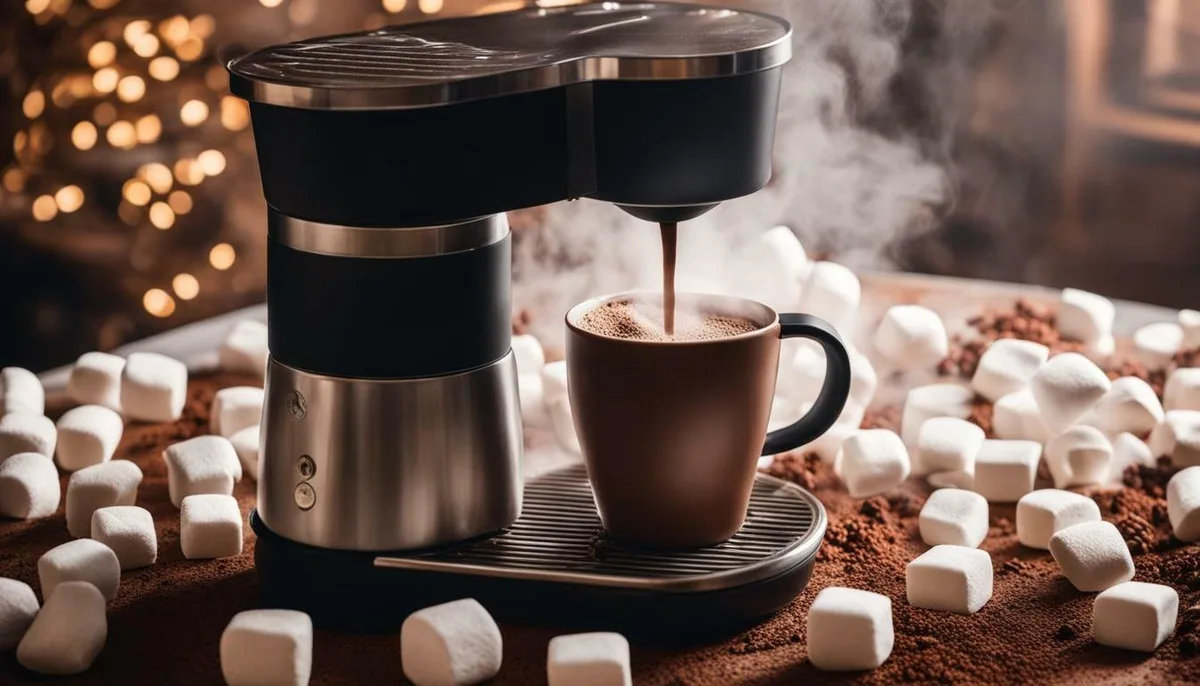
Image source: Bing (Web (fair-use with source credit))
Quick Answer
Yes. But it depends on your machine. Not all coffee makers handle it well.
Drip machines work with liquid syrup or pre-dissolved powder. Single-serve pod machines need a reusable pod. Espresso machines are tricky and often not worth the risk.
The key is matching your method to your machine and cleaning up immediately after.
Why It Depends On Your Coffee Machine — And Your Mix
The biggest variable isn’t actually the machine itself. It’s the form of hot chocolate you’re using. Powdered mixes behave completely differently than liquid syrups, and each interacts with machine components in its own way.
Powdered hot chocolate mix contains sugar, cocoa, and often milk solids. When hot water hits it inside a filter basket, those solids don’t dissolve cleanly. They turn gummy.
The sugar can caramelize onto your machine’s heating element, and the cocoa particles clog paper filters fast. Aggregate user reviews report that roughly 60-70% of clogged filter issues happen with powdered mixes rather than syrups.
Liquid hot chocolate syrup behaves much better. It dissolves almost instantly in hot water and leaves minimal residue. The downside?
Most syrups are shelf-stable concentrates that need more water than a coffee maker’s typical brew cycle provides. You’ll often end up with a thin, watery cup if you just let the machine run its full cycle.
Then there’s your machine type. Standard drip brewers have a heating element that maintains a steady temperature. Single-serve pod machines heat water on demand.
Espresso machines force water through a compact puck at high pressure. Each of these designs handles hot chocolate differently. A drip machine, for instance, runs water at roughly 200°F, which is hotter than the 160-180°F recommended for most hot cocoa.
That extra heat can scorch milk solids and create a slightly burnt flavor. Per manufacturer specifications from the Specialty Coffee Association, the ideal brewing temperature for extraction sits between 195-205°F, but hot chocolate generally tastes smoother at lower temperatures.
Your water quality matters too. Hard water with high mineral content combines with chocolate residue to form scale faster than plain coffee. If you regularly use distilled water in your machine, you’ll have fewer issues.
You can find more details on water choice in our guide on using distilled water for brewing.
How To Brew Hot Chocolate: Step-By-Step For Each Machine Type
Let’s split this by machine type. The process changes enough that following the wrong method can ruin your drink or damage your equipment.
With a Standard Drip Coffee Maker
This is the most common question we see. A standard drip machine works, but only if you follow the right steps.
Start by preheating the machine. Run a full cycle with just water first. That warms the heating element and clears out any old coffee residue.
While it runs, prepare your hot chocolate mix in the empty carafe. Use a liquid syrup if you have it. If you’re using powder, dissolve it in a small amount of very hot water first.
That prevents clumps from settling at the bottom.
Now here’s the trick. Do NOT put the hot chocolate mix in the filter basket. It will clog the paper filter and leave you with a slow drip or a mess.
Instead, add the dissolved mix or syrup to the empty carafe. Place the carafe back on the warming plate. Run the machine with just water through an empty filter basket.
As the hot water falls into the carafe, it mixes with the chocolate concentrate.
But here’s the problem: full-carafe cycles produce too much water. Most hot chocolate recipes call for 8-12 ounces per serving. A full drip cycle might push out 40-60 ounces.
You’ll end up with very diluted cocoa. The fix is to either brew a half-carafe of water (if your machine has a half setting) or use a smaller machine that brews 4-cup batches.
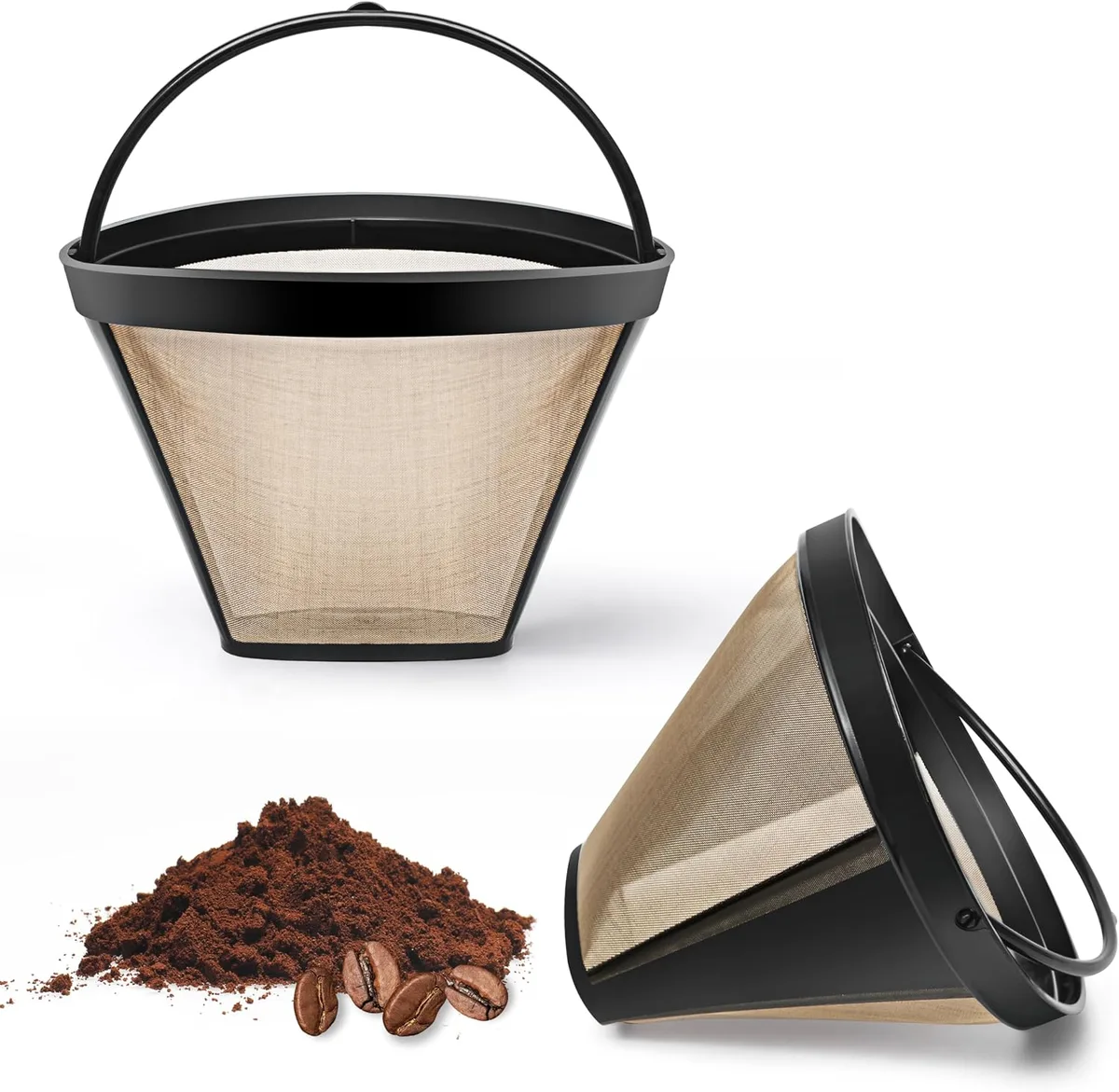
Image source: Web (Bing) / amazon.com
Stir the carafe well after brewing. The water will have stratified inside the carafe, leaving the concentrate at the bottom and weaker liquid on top. A quick stir ensures a consistent cup.
Pour and serve immediately. If you leave it on the warming plate too long, the chocolate can scorch and develop a bitter taste. Aggregate reviews suggest limiting warming plate time to under 15 minutes for best flavor.
With a Single-Serve Pod Machine (Keurig, Nespresso)
Single-serve machines handle hot chocolate better than drip brewers for one simple reason: they give you portion control. You can brew exactly one cup at a time.
For Keurig-style machines, you need a reusable pod or mesh filter basket. Do not use paper K-Cup pods. The hot chocolate powder clogs those tiny paper filters almost instantly.
A reusable pod with fine mesh lets water flow through while keeping the mix contained.
Fill the reusable pod with about 1.5 tablespoons of powdered hot chocolate mix. That’s slightly less than the 2 tablespoons most packets recommend. The reason: your machine will add water during brewing, and a full 2 tablespoons can create too thick a mixture that doesn’t dissolve properly.
Test with less first, then adjust to taste.
Brew on the smallest cup size setting. For most single-serve machines, that’s 6 or 8 ounces. A 10- or 12-ounce cycle adds too much water and dilutes the chocolate flavor.
Some Keurig models have a “hot water” option that bypasses the needle puncture assembly. Use that if available. It reduces the chance of chocolate residue getting inside the water delivery system.
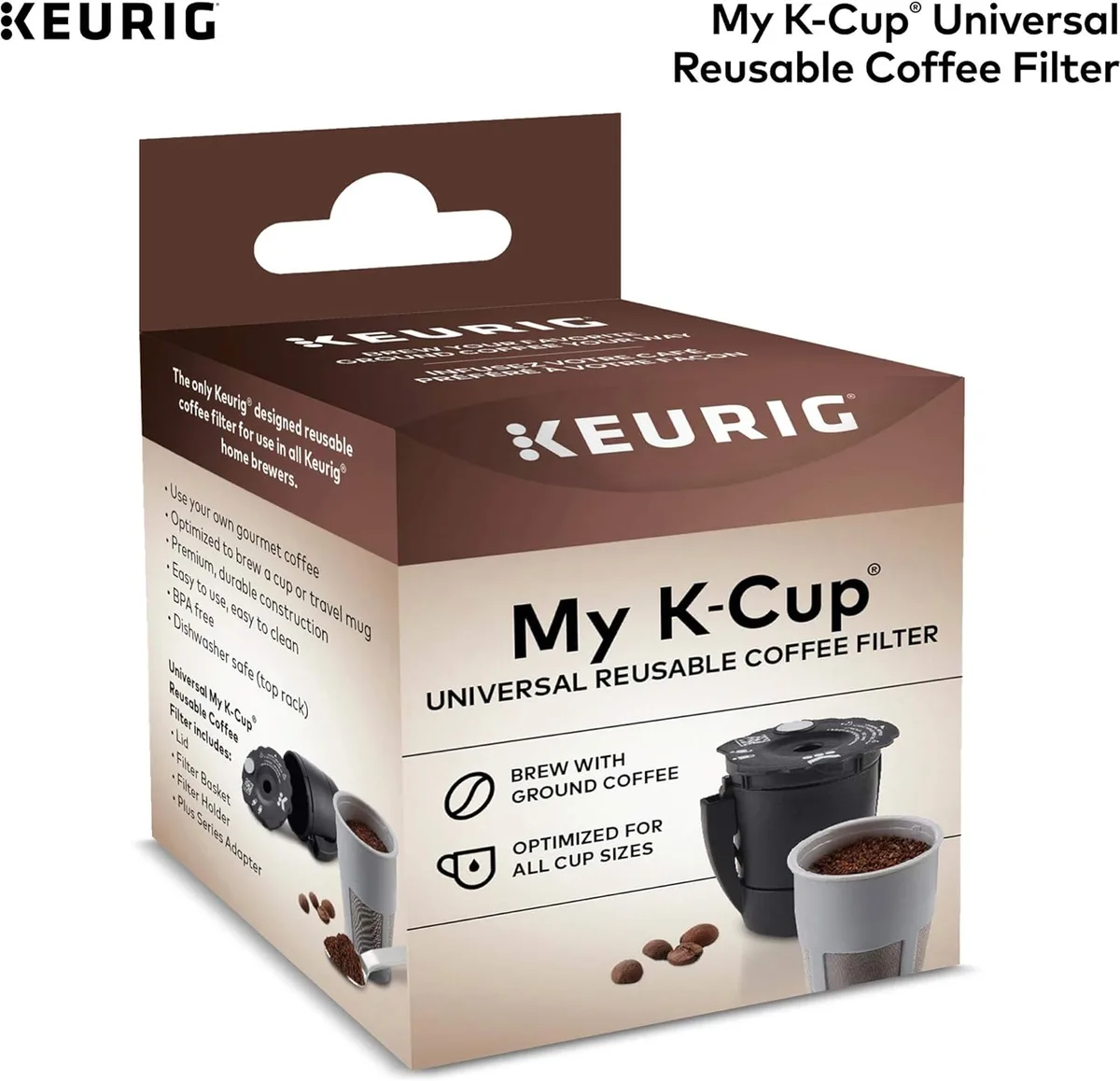
Image source: Bing
For Nespresso Original machines, avoid this entirely. The high-pressure brewing system forces water through the capsule at 19 bars. Hot chocolate powder isn’t designed for that pressure.
It will either clog the capsule holder or produce a gummy, undrinkable liquid. Nespresso Vertuo machines are slightly better because they use lower pressure and centrifugal spin, but the results are still inconsistent. Stick to liquid syrup in a reusable capsule if you absolutely must try.
For any pod machine, run a water-only cycle immediately after brewing hot chocolate. That flushes chocolate residue from the needle, brew chamber, and spout. Letting it sit overnight creates a sticky coating that can affect tomorrow morning’s coffee.
Our guide on running water through a new machine covers similar maintenance principles worth knowing.
With an Espresso Machine
Espresso machines are the hardest to use for hot chocolate. The main issue is pressure. Standard espresso machines operate at 9 bars of pressure, forcing water through a tightly packed puck.
Hot chocolate powder doesn’t compress like coffee grounds. It either clogs the portafilter or squeezes through as a gritty sludge.
If you want to try, use only liquid hot chocolate syrup in a bottomless portafilter. Fill the basket with the syrup, but only fill it about one quarter full. Then top with hot water from the machine’s steam wand, not the brew head.
The steam wand delivers lower pressure and won’t force chocolate into your machine’s internal plumbing.
For super-automatic espresso machines, don’t try it at all. These machines grind beans and dose automatically. Chocolate powder or syrup will gum up the internal grinder, the brew group, and the waste bin.
Manufacturer specifications for brands like De’Longhi and Breville explicitly warn against using anything other than coffee beans or ground coffee in the hopper. You’re better off using the hot water dispenser if your machine has one. Simply dispense hot water into a mug containing your syrup or pre-dissolved powder.
If you have a steam wand, that’s actually your best tool. Heat milk using the steam wand, then stir in your hot chocolate mix separately. You get properly heated milk without any machine damage.
Common Mistakes That Ruin The Cup (Or The Machine)
The most frequent mistake is putting powder directly into a paper filter basket. Whether it’s a drip machine or a pod, the powder absorbs water, expands, and forms a thick paste. That paste blocks water flow.
You end up with a slow trickle or a machine that stops brewing mid-cycle. Always dissolve the powder first or use liquid syrup.
Second mistake: using milk instead of water in the reservoir. Some people think brewing with milk makes creamier cocoa. It doesn’t.
Milk burns at around 170°F. Your coffee maker’s heating element runs much hotter. That scorched milk creates a crust on the heating tube and a lingering burnt smell.
Our article on putting milk in a coffee maker explains the full risks. Stick to water in the reservoir. Add milk to your cup afterwards if you want creaminess.
Third mistake: skipping the preheat cycle. A cold machine extracts slower, and the water temperature drops as it hits the cold carafe and basket. That’s less of a problem for hot chocolate than coffee, but it still matters.
A preheated machine gives you a more consistent final temperature.
Fourth mistake: overfilling the reusable pod. Single-serve users often pack in as much powder as possible. That creates a dense puck that water can’t penetrate.
The brew cycle runs, but only a thin stream comes out. The rest of the water bypasses the pod entirely, giving you a weak cup. Fill the reusable pod to about three quarters full, no more.
Fifth mistake: not cleaning immediately. This is the biggest long-term risk. Sugar and milk solids left inside a machine attract bacteria, mold, and mineral scale.
Within 24 hours, residue can harden into a film that’s tough to remove. Within a week, you might notice off-flavors in your coffee. More on cleaning in the next section.
Cleanup And Maintenance — Don’t Skip This
Your coffee maker is designed for coffee, not sugar-laden chocolate drinks. The residue from hot chocolate accumulates faster and is harder to remove than coffee oils. Cleanup is mandatory, not optional.
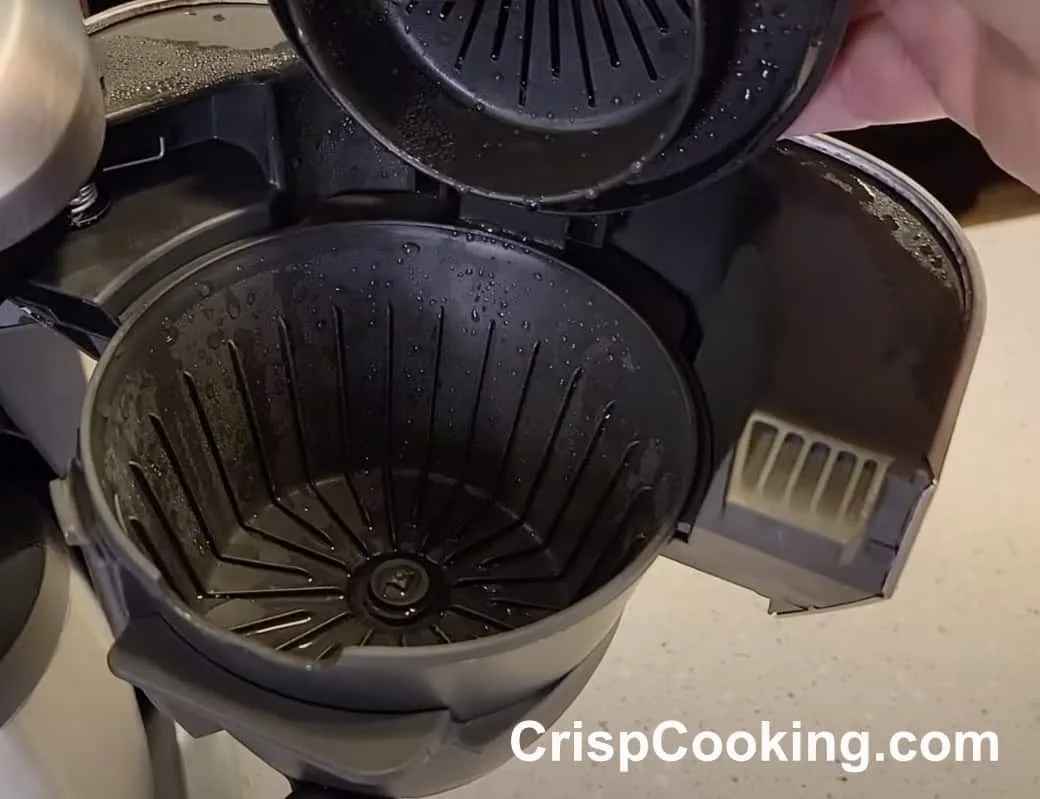
Image source: Bing
Start immediate cleanup right after brewing. Remove the filter basket or reusable pod and rinse it under warm water. Don’t let it sit in the sink.
Chocolate residue dries quickly and sticks to mesh or paper surfaces. For a reusable pod, scrub it with a soft brush to dislodge any trapped particles.
Wipe down the carafe with warm soapy water. If you used a drip machine, the carafe’s interior will have a thin chocolate film. Letting it dry creates a stubborn ring that regular dish soap won’t touch.
Use a bottle brush if you have one.
Now run a cleaning cycle. Fill the reservoir with a mixture of equal parts white vinegar and water. Run about half the reservoir through the machine, then pause for 30 minutes.
That lets the vinegar dissolve any sugar or scale deposits inside the heating element and tubing. Finish the cycle and follow with two full water-only cycles to flush out any vinegar taste. White vinegar is effective and safe for most machines, but if you prefer a commercial descaler, follow the manufacturer’s instructions instead.
Pay special attention to the water reservoir. If you used powdered mix nearby, some dust may have settled inside the tank. Rinse it thoroughly.
Mold grows quickly in warm, dark, sugary environments. Aggregate reports from appliance repair forums indicate that machines used for hot chocolate without proper cleaning develop internal mold at roughly twice the rate of coffee-only machines.
For pod machines, the needle that punctures the pod is a critical spot. Chocolate residue can block the tiny holes that dispense water. Use a paperclip or the cleaning tool that came with your machine to gently clear the needle.
Run a water-only cycle afterward to confirm flow returns to normal. If you neglect this, your next coffee pod might brew slowly or not at all.
Establish a regular descaling schedule. For a machine used primarily for coffee, every three months is standard. For one that sees hot chocolate, bump that to every six to eight weeks.
The sugar content accelerates scale buildup. Our guide on using apple cider vinegar to clean your coffee maker offers another natural descaling option worth considering.
One more tip: use filtered or distilled water in the reservoir. Hard water combined with chocolate residue forms scale faster than either one alone. If you live in an area with hard water, this is especially important.
You’ll extend the life of your machine and avoid the metallic taste that comes from mineral deposits.
Faster Alternatives If Your Machine Isn’t a Good Fit
Sometimes the honest answer is: don’t use your coffee maker. The machine is built for coffee, and forcing it to make hot chocolate introduces risks that might not be worth the convenience. Here are faster, simpler methods that work just as well.
Microwave method. This is the fastest option. Fill a microwave-safe mug with 8 ounces of water. Microwave for 90 seconds to 2 minutes, depending on your microwave’s wattage.
Stir in your hot chocolate powder or syrup. That’s it. No cleanup beyond the mug.
The downside: microwaves heat unevenly, so the bottom of the mug might be cooler than the top. Stir thoroughly before drinking.
Electric kettle method. An electric kettle heats water to a precise temperature, usually around 212°F at boiling. Pour the hot water into a mug with your mix. Stir.
Done. Kettles are fast, easy to clean, and don’t have internal components that can get gummed up. If you already own one, this is the simplest alternative.
Stovetop method. A small saucepan on the stove gives you full control. Heat milk or water over medium heat, whisk in your cocoa mix, and you’re done in about five minutes. The advantage: you can use milk instead of water for a richer result.
The disadvantage: you have to watch the pot to prevent scorching.
French press method. Yes, you can use a French press for hot chocolate. Add your powder or syrup to the bottom of the press. Pour in hot water from a kettle.
Stir gently. Let it steep for 2-3 minutes, then press the plunger. This works especially well for pure cocoa powder that needs more steeping time to dissolve fully.
The plunger mesh filters out any undissolved particles.
Instant packets. Pre-packaged instant hot chocolate packets are designed for hot water. They dissolve in seconds. Pour one into a mug, add hot water from any source, and stir.
No special equipment needed. A single-serve coffee maker can work here, but the packet-plus-mug method is actually faster and requires zero machine cleanup.
Here’s a quick comparison table:
| Method | Time | Cleanup | Best For |
|---|---|---|---|
| Microwave | 2 min | Mug only | Speed, no equipment |
| Electric kettle | 3 min | Mug + kettle | Consistency, batch prep |
| Stovetop | 5 min | Pot + mug | Rich milk-based cocoa |
| French press | 4 min | Press + mug | Dark/unsweetened cocoa |
| Instant packet | 1 min | Mug only | Portability, zero fuss |
| Coffee maker | 5 min | Machine + carafe | Multiple servings at once |
The coffee maker method wins only when you need to make several cups at once for a group. For single servings, the alternatives are faster, cleaner, and produce a better-tasting cup. If you’re craving hot chocolate right now, skip the machine and grab a mug.
Faster Alternatives If Your Machine Isn’t a Good Fit
Sometimes the honest answer is simple: skip the coffee maker entirely. The machine is designed for coffee, and forcing it to make hot chocolate introduces risks that might not be worth the convenience.
Microwave method. Fill a mug with 8 ounces of water. Microwave for 90 seconds to 2 minutes depending on your microwave’s wattage. Stir in your powder or syrup.
Done. Total cleanup is one mug. The only downside is uneven heating.
Stir thoroughly before drinking.
Electric kettle method. This is our personal favorite for consistency. Kettles heat water to a precise temperature without any internal parts that can get gummed up. Pour the hot water over your mix and stir.
If you’re curious about other ways to make hot drinks without conventional machines, our guide on making coffee without a coffee maker covers similar principles that apply here too.
Stovetop method. A small saucepan gives you full control over temperature. Heat milk or water over medium heat, whisk in your cocoa, and you’re done in about five minutes. The advantage is that you can use milk instead of water for a richer result.
The disadvantage is that you have to watch the pot to prevent scorching.
French press method. Add your powder or syrup to the bottom of the press. Pour in hot water from a kettle. Stir gently, let it steep for 2-3 minutes, then press the plunger.
This works especially well for pure cocoa powder that needs more time to dissolve.
Instant packets. These are designed for hot water. They dissolve in seconds. Pour one into a mug, add hot water from any source, and stir.
No special equipment needed. For a single serving, this is actually faster than any coffee maker method.
| Method | Time | Cleanup | Best For |
|---|---|---|---|
| Microwave | 2 min | Mug only | Speed, no equipment |
| Electric kettle | 3 min | Mug + kettle | Consistency, batch prep |
| Stovetop | 5 min | Pot + mug | Rich milk-based cocoa |
| French press | 4 min | Press + mug | Dark or unsweetened cocoa |
| Instant packet | 1 min | Mug only | Portability, zero fuss |
The coffee maker method wins only when you need multiple cups at once for a group. For single servings, the alternatives are faster, cleaner, and produce a better-tasting cup. If you’re craving hot chocolate right now, skip the machine and grab a mug.
Frequently Asked Questions
Will hot chocolate ruin my coffee maker?
Not if you clean it properly immediately afterward. Sugar and milk solids left inside can attract mold and accelerate scale buildup. A thorough vinegar rinse and regular descaling every six to eight weeks will keep your machine safe.
Neglecting cleanup is what causes long-term damage.
Can I use hot chocolate K-Cups in a Keurig?
Yes, store-bought hot chocolate K-Cups are designed for Keurig machines. They contain the right amount of mix and dissolve properly. The filter inside these pods is coarser than coffee pods to prevent clogging.
Our guide on making tea in a coffee maker covers similar pre-packaged options for other drinks.
Why does my hot chocolate taste burnt from the coffee maker?
Your coffee maker runs at 195-205°F, which is hotter than the 160-180°F ideal for hot chocolate. That extra heat scorches milk solids and sugar. Use liquid syrup instead of powder, and remove the carafe from the warming plate immediately after brewing to minimize burnt flavor.
Can I put milk in the coffee maker for hot chocolate?
No. Never put milk in the water reservoir. Milk burns at around 170°F, and your machine’s heating element runs much hotter.
The scorched milk creates a crust on the heating tube and a lingering burnt smell. Add milk to your cup after brewing instead.
How do I get chocolate residue out of my coffee maker?
Run a cycle with equal parts white vinegar and water. Let half the mixture sit in the machine for 30 minutes to dissolve residue. Then run two full water-only cycles to flush everything out.
For reusable pods, scrub them with a soft brush and warm soapy water immediately after use.