
How long will a portable fridge run on a battery depends on four numbers you can look up in five minutes. Most online answers toss out a single day count and call it done, which is why so many campers wake up to warm beer and a dead battery.
Manufacturer specs confirm a typical 50L compressor fridge averages 0.8 to 1.2 amp-hours per hour at 70°F, but that number can triple in 100°F heat. So the real answer starts with your fridge, your battery, your climate, and your recharge plan.
How Long Will a Portable Fridge Run on a Battery
A 100Ah LiFePO4 battery runs a 50L compressor fridge for about 24 to 48 hours at 70°F. Lead-acid cuts that in half. Thermoelectric coolers drain a 100Ah battery in 8 to 12 hours.
Duty cycle spikes in heat. Recharge method changes everything.
Why “3 Days on a 100Ah Battery” Is Bad Advice
The internet loves a simple answer, but runtime is never one number. It swings based on fridge type, battery chemistry, ambient temperature, and how you plan to recharge. A 100Ah lead-acid battery might give you 12 hours of runtime, while the same 100Ah in LiFePO4 could stretch to 48 hours under the same conditions.
The problem is most advice ignores duty cycle. A compressor fridge doesn’t run continuously. It cycles on and off to maintain temperature, and that cycle changes dramatically with heat.
At 70°F, a fridge might run 30% of the time. At 100°F, that jumps to 70% or more. So the same battery that lasts two days in mild weather might not make it through the night in the desert.
Then there’s the battery itself. A 100Ah rating doesn’t mean 100Ah of usable power. Lead-acid batteries should only be discharged to 50% of their capacity to avoid damage.
LiFePO4 batteries can safely use 80-90%. So a 100Ah lead-acid battery really only gives you 50Ah of usable power, while a 100Ah LiFePO4 gives you 80-90Ah. That’s a massive difference in runtime.
Finally, recharge matters. If you’re driving daily, your alternator can top up the battery. If you’re parked for a week, you’ll need solar or shore power.
Without a recharge plan, even the biggest battery will eventually die. The correct fluid level in your power setup is just as important as the battery size.
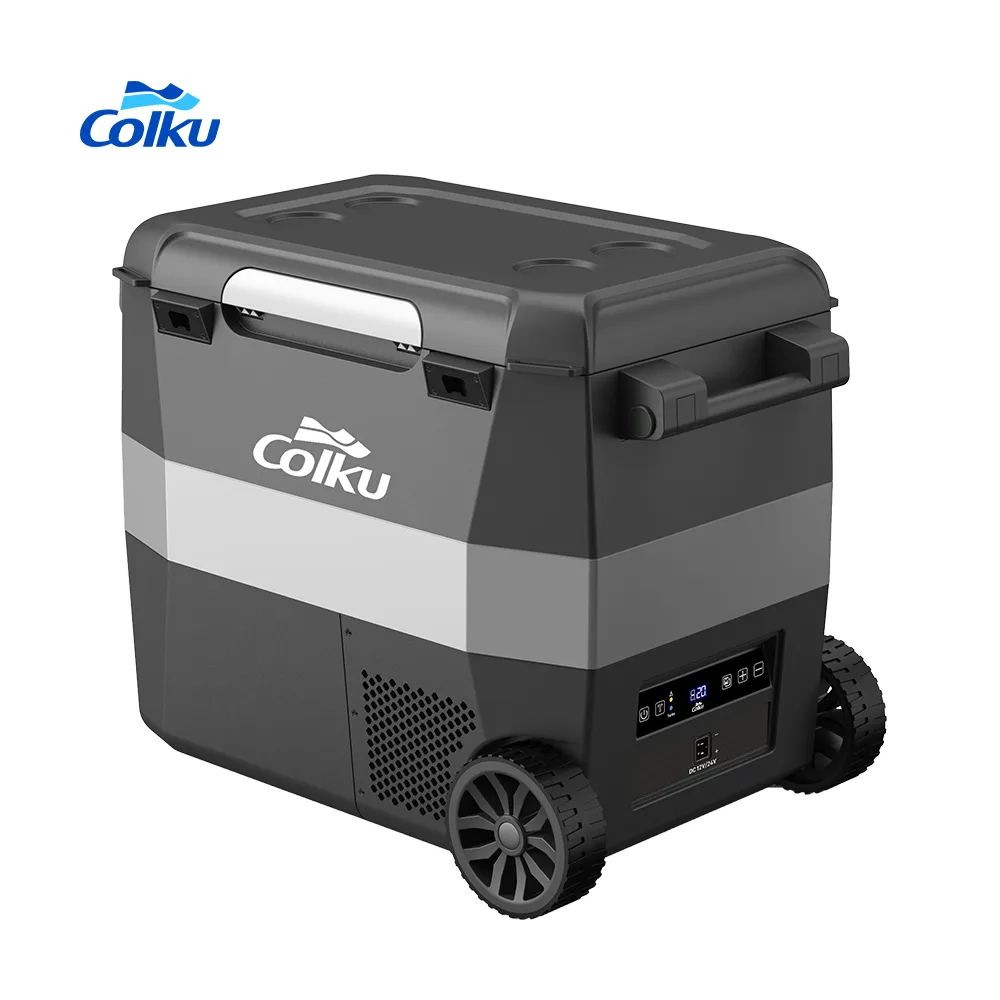
Image source: Bing (Web (fair-use with source credit))
The Only Formula You Need: Watt-Hours In, Watt-Hours Out
Runtime boils down to one comparison: how many watt-hours your battery can deliver versus how many watt-hours your fridge consumes. Convert everything to watt-hours, and the math becomes simple.
Start with your battery. Multiply its amp-hour rating by its voltage to get watt-hours. For a 12V system, that’s Ah × 12.
Then apply the usable capacity percentage. For lead-acid, that’s about 50%. For LiFePO4, it’s 80-90%.
So a 100Ah lead-acid battery gives you 100 × 12 × 0.50 = 600Wh. A 100Ah LiFePO4 gives you 100 × 12 × 0.85 = 1020Wh.
Next, find your fridge’s average watt-hour consumption. This is where most people get tripped up. The fridge’s rated amps are just the running amps when the compressor is on.
What you need is the average draw over time, which accounts for duty cycle. Manufacturer specs often list this as average amp-hours per hour or average watts. If not, you can estimate it based on ambient temperature.
For example, a 50L compressor fridge might draw 3A when running. At 12V, that’s 36W. If it runs 30% of the time at 70°F, the average draw is 36W × 0.30 = 10.8W.
Over an hour, that’s 10.8Wh. So your 600Wh lead-acid battery would last 600 ÷ 10.8 ≈ 55 hours. Your 1020Wh LiFePO4 would last 1020 ÷ 10.8 ≈ 94 hours.
But remember, that’s at 70°F. At 100°F, the duty cycle might jump to 70%. Now the average draw is 36W × 0.70 = 25.2W, or 25.2Wh per hour.
Your lead-acid battery lasts 600 ÷ 25.2 ≈ 24 hours. Your LiFePO4 lasts 1020 ÷ 25.2 ≈ 40 hours. That’s the difference heat makes.
Condition 1: What Kind of Fridge Are You Running?
Not all portable fridges are created equal. The type of fridge you choose has a massive impact on runtime. There are three main types: compressor, thermoelectric, and absorption.
Each has its own power draw characteristics.
Compressor fridges are the most efficient for off-grid use. They use a small compressor, similar to your home fridge, to circulate refrigerant. They cycle on and off to maintain temperature, which means they don’t draw power continuously.
A typical 50L compressor fridge draws 2.5 to 6A when running, but averages 0.7 to 1.2 Ah/h at 70°F. Brands like Dometic, ARB, and Engel dominate this category. Their specs confirm the average draw, which is what you need for runtime calculations.
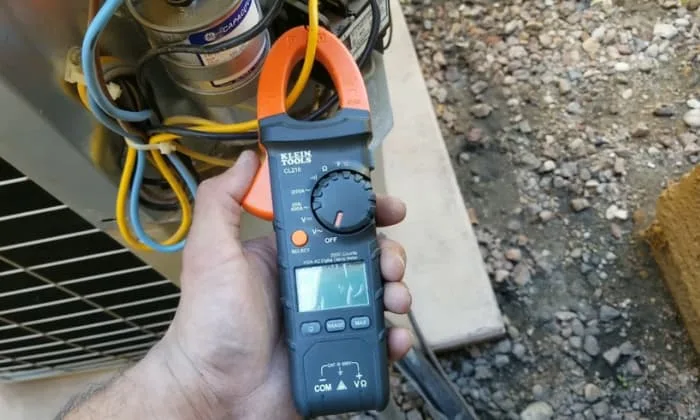
Image source: Web (Bing) / galvinpower.org
Thermoelectric coolers, often called Peltier coolers, are the least efficient. They use the Peltier effect to create a temperature difference between two sides of a semiconductor. They draw power continuously, and their cooling capacity drops dramatically as the ambient temperature rises.
A typical thermoelectric cooler draws 3.5 to 5A continuously. That means a 100Ah battery will drain in 20 to 28 hours, regardless of temperature. They’re cheap, but the runtime penalty is steep.
Absorption fridges, often called 3-way fridges, can run on 12V, propane, or AC power. On 12V, they draw a continuous 8 to 10A. That’s a battery killer.
They’re more common in RVs with large battery banks and alternator charging. For portable use, they’re not ideal unless you have a robust recharge plan.
So, if runtime is your priority, a compressor fridge is the clear winner. Thermoelectric coolers are only suitable for short trips or when you have a reliable recharge source. Absorption fridges on 12V are best avoided for portable use unless you have a very large battery bank.
Condition 2: What Battery Chemistry Is Behind It?
The battery is the other half of the runtime equation. The chemistry determines how much of the battery’s capacity you can actually use, and how it performs under load. There are four main types to consider: flooded lead-acid, AGM, gel, and lithium iron phosphate (LiFePO4).
Flooded lead-acid batteries are the oldest and cheapest. They’re also the least efficient for deep cycling. You should only discharge them to 50% of their capacity to avoid damaging the plates.
They also require regular maintenance, like checking and topping up the water levels. For a 100Ah flooded lead-acid battery, that’s 50Ah of usable capacity, or 600Wh at 12V.
AGM (Absorbent Glass Mat) batteries are a type of sealed lead-acid battery. They’re more expensive than flooded, but they’re maintenance-free and can handle deeper discharges. You can safely use about 50-60% of their capacity.
So a 100Ah AGM battery gives you 50-60Ah of usable capacity, or 600-720Wh at 12V. They’re a good middle-ground option.
Gel batteries are another type of sealed lead-acid battery. They’re similar to AGM in terms of usable capacity, but they’re more sensitive to charging voltages. You can use about 50% of their capacity, so a 100Ah gel battery gives you 600Wh at 12V.
They’re less common for portable fridge setups.
LiFePO4 batteries are the gold standard for portable power. They’re more expensive upfront, but they offer several advantages. You can safely use 80-90% of their capacity.
They’re also lighter, have a longer lifespan, and can handle higher discharge rates. A 100Ah LiFePO4 battery gives you 80-90Ah of usable capacity, or 960-1080Wh at 12V. They’re the best choice for maximizing runtime.
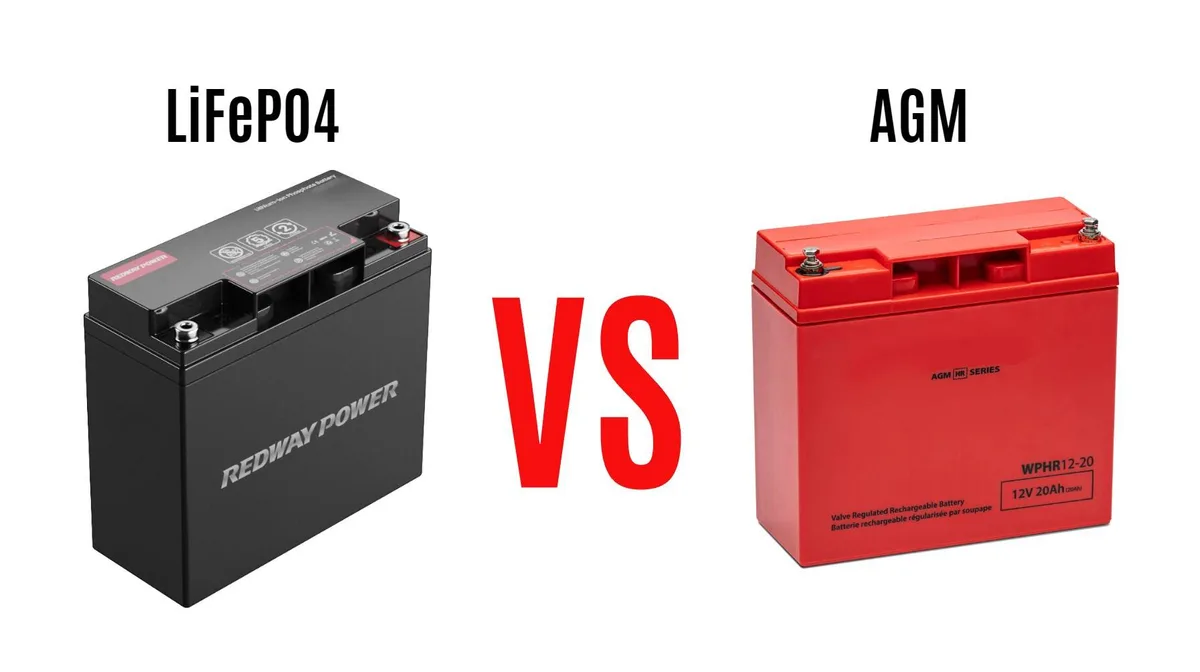
Image source: Bing (Web (fair-use with source credit))
There’s one more factor to consider: Peukert’s Law. This describes how lead-acid batteries lose capacity at higher discharge rates. The faster you draw power, the less total capacity you get.
LiFePO4 batteries don’t suffer from this effect. So if you’re using a lead-acid battery, your runtime might be even less than the calculations suggest, especially if you’re running other loads at the same time.
In summary, LiFePO4 batteries give you the most usable capacity and the best runtime. AGM and gel batteries are a good middle-ground. Flooded lead-acid batteries are the least efficient, but they’re also the cheapest.
Choose your battery chemistry based on your budget and runtime needs. For more on power consumption, check out a reliable machine for your setup.