Have you ever wondered if you can safely put hot water in your blender? Maybe you’re rushing to make a creamy soup or a warm sauce and want to blend it right away.
It sounds convenient, but before you pour that steaming liquid into your blender jar, there are important things you need to know. Using your blender with hot water or hot liquids without caution can lead to dangerous pressure buildup, messy spills, or even damage to your appliance.
You’ll discover when it’s safe to blend hot water, the risks involved, and smart tips to protect yourself and your blender. Keep reading to blend smarter and safer every time!
Blending Hot Liquids Risks
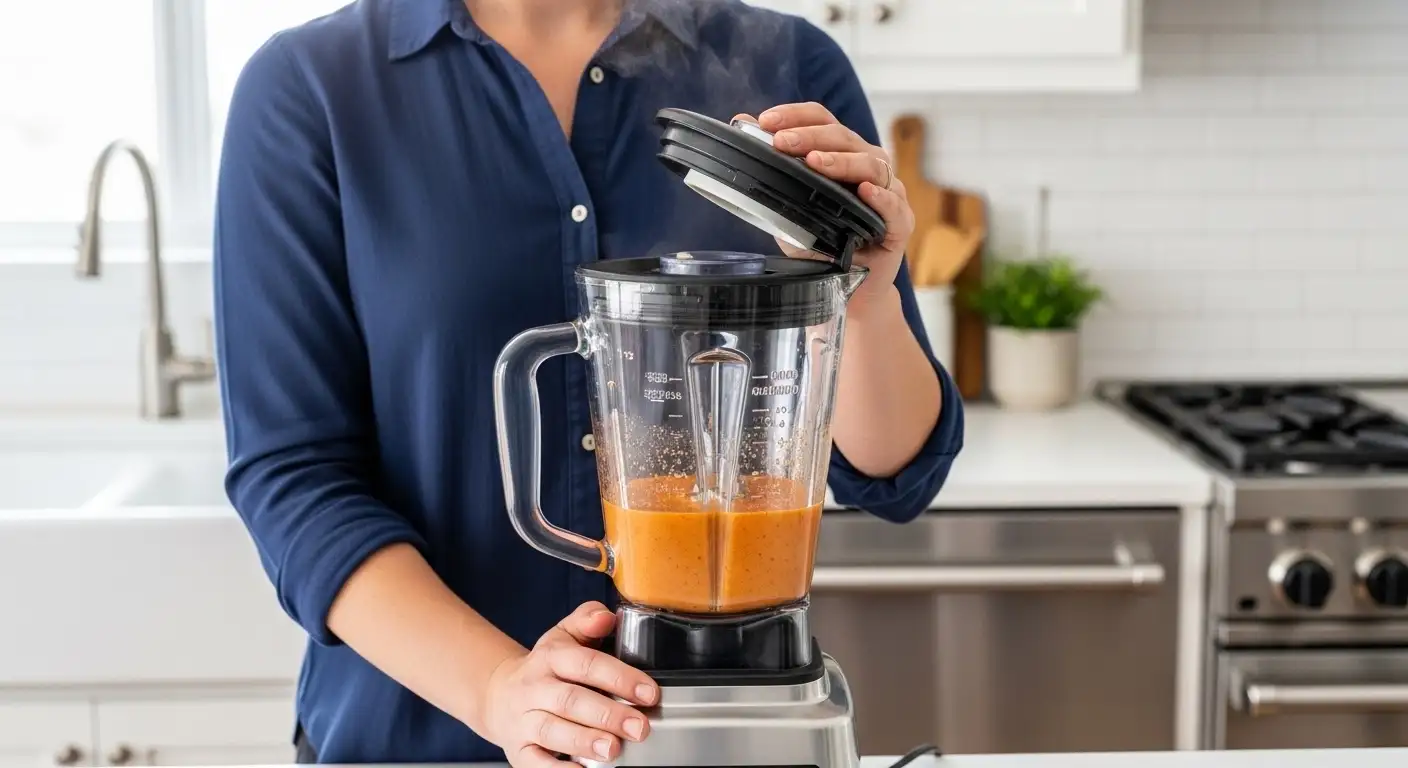
Blending hot liquids can be dangerous if you do not take proper care. The heat creates pressure inside the blender. This pressure can cause accidents and injuries. Understanding these risks helps keep you safe in the kitchen.
Using a blender for hot liquids needs caution. The design of most blenders is for cold or room temperature items. Hot liquids create unique problems that can damage your blender or hurt you.
Pressure Buildup Inside Blender
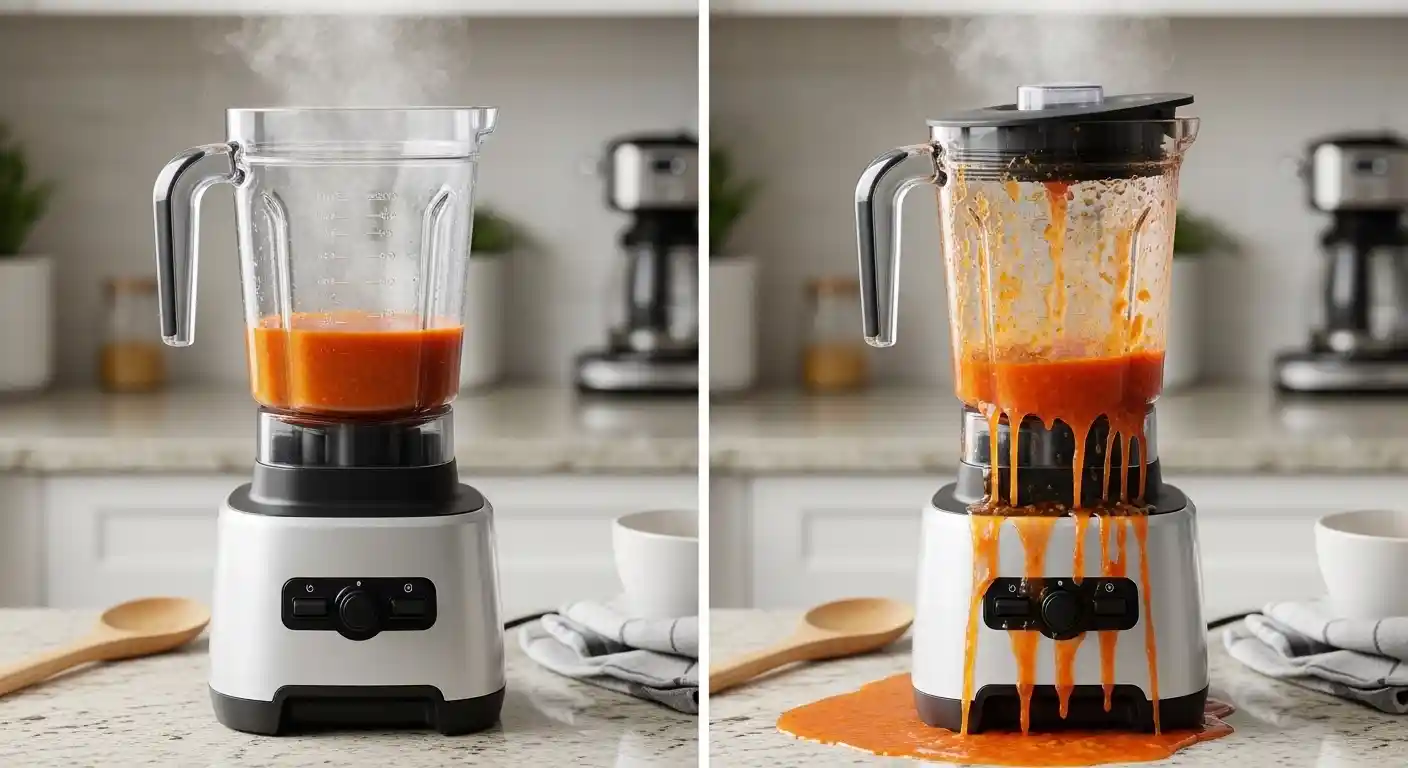
Hot liquids release steam during blending. Steam increases pressure inside the sealed blender jar. This pressure can push the lid off suddenly. The force may cause hot liquid to spray out quickly. This sudden release is dangerous and can cause burns.
Lid Explosion Hazards
The lid can blow off like an explosion from pressure buildup. Many lids are not designed to hold strong pressure. If the lid is loose or weak, it may fly off. Flying lids can hit people or break causing sharp fragments. Always check the lid fits tightly before blending hot liquids.
Burn Injuries From Splashes
Splashes of hot liquid can cause serious burns. Even a small splash can harm your skin. Blending hot liquids too fast causes splashing inside the jar. When the lid fails, hot liquid sprays everywhere. Always use slow speeds and be ready to stop blending quickly.
Potential Blender Damage
Hot liquids can damage blender parts. Sudden temperature changes cause materials to warp or crack. Plastic jars may deform or melt slightly. Metal parts can weaken or lose shape. Damage reduces blender life and may make it unsafe to use.
Material Concerns With Hot Water
Using hot water in a blender raises important material concerns. Different blender materials respond differently to heat. Understanding these responses helps prevent damage and ensures safe use. Below, we explore how thermal shock affects blenders and the specific risks for plastic and metal models.
Thermal Shock Effects
Thermal shock happens when hot liquid touches a cold blender container. The material expands quickly in some areas but not others. This uneven expansion creates stress inside the blender. Stress can cause cracks, warping, or even breakage. Glass and some plastics are especially vulnerable to thermal shock. Avoid pouring boiling water directly into a cold blender to reduce risk.
Plastic Blender Vulnerability
Plastic blenders often use materials like BPA-free plastic or Tritan. These plastics can soften or deform under high heat. Hot water may cause the plastic to warp or lose shape. Over time, heat weakens plastic, leading to cracks or leaks. Some plastics also absorb odors or stains from hot liquids. Using lukewarm water is safer for plastic blender jars.
Metal Blender Risks
Metal blenders usually have stainless steel or aluminum jars. Metal handles heat better than plastic or glass. Still, rapid temperature changes can cause metal to expand and contract quickly. This can loosen seals or damage blades. Hot water may also affect the rubber gaskets inside. Check manufacturer guidelines for heat tolerance in metal blenders.
You might find this helpful: Best Blender for Hot Liquids
Safe Practices For Hot Liquids
Blending hot liquids requires careful attention to avoid accidents. Hot water or soups can create steam pressure inside the blender. This pressure can cause the lid to pop off, leading to spills and burns. Following safe practices keeps you and your kitchen safe while using a blender with hot liquids.
Allow Cooling Before Blending
Let hot water cool down for a few minutes before pouring it into the blender. Avoid adding boiling water directly. Cooling reduces steam pressure and prevents sudden temperature shocks. This practice helps protect your blender and keeps you safe from splashes.
Avoid Overfilling The Jar
Fill the blender jar only halfway or less when blending hot liquids. Overfilling increases the risk of spills and pressure build-up. Leaving enough space allows steam to escape safely. It also makes blending smoother and more effective.
Use Venting Caps Properly
Many blenders have vented lids or removable caps to release steam. Always keep the vent open or the cap slightly loose. This lets hot steam escape and prevents pressure from building inside. Check your blender’s instructions for the correct venting method.
Start Blending At Low Speed
Begin blending on the lowest speed setting. This reduces splashing and sudden steam release. Gradually increase speed if needed once the liquid blends smoothly. Starting slow helps control the blending process and avoids accidents.
Blender Types And Hot Liquids
Different blenders handle hot liquids in various ways. Understanding your blender’s type helps prevent damage and accidents. Some blenders can safely blend hot water or soups. Others are not built for heat and may crack or leak.
This section explains blender types and their limits with hot liquids. Learn which blenders work best with hot water or hot ingredients.
High-heat Resistant Blenders
High-heat resistant blenders use strong materials like glass or heavy-duty plastic. Their jars can handle boiling or near-boiling liquids without cracking. These blenders often have powerful motors and sealed lids for safety. They allow blending hot soups and sauces directly.
Brands like Vitamix and Blendtec offer high-heat resistant models. Their jars are designed to resist thermal shock. These blenders have vented lids to release steam safely.
Standard Blender Limitations
Most standard blenders use thin plastic jars that cannot withstand heat well. Pouring hot water or liquids can cause the jar to warp or crack. The lid may not seal properly, causing spills or burns. Steam builds up and can force the lid open.
Standard blenders are best for cold or room temperature ingredients. Avoid putting boiling water or hot soup directly into them. Let hot liquids cool before blending in these models.
Specialized Hot Liquid Blenders
Some blenders are made specifically for hot liquids. They combine heat-resistant jars with safety features. These blenders have vented lids to prevent pressure buildup. They often include settings designed for soups and hot drinks.
These specialized blenders offer convenience and safety. They allow blending and heating in one device. This type is ideal for frequent hot liquid blending.
Alternatives To Blending Hot Water
Blending hot water can be risky for many blenders. The sudden heat may cause damage or leaks. Many people seek safer ways to mix hot liquids without harming their equipment. Here are some simple alternatives to blending hot water directly. These methods keep your blender safe and still help you achieve smooth results.
Using Hand Blenders
Hand blenders are a great tool for hot liquids. They allow gentle mixing without pouring hot water into a heavy blender jar. You can use them directly in a pot or bowl. This reduces the risk of spills and burns. Hand blenders are easy to control and clean. They work well for soups, sauces, and hot drinks.
Stirring And Whisking Methods
Sometimes, stirring or whisking works just as well as blending. Use a wooden spoon, whisk, or fork to mix hot water with other ingredients. Stirring helps dissolve powders or mix flavors evenly. Whisking adds air and smoothness to your mixture. These tools do not face damage from heat, so they are safe and simple options.
Heating After Blending
Another method is blending cold or room temperature ingredients first. Then, heat the mixture on the stove or microwave. This way, you avoid putting hot water in the blender. Heating after blending ensures safety and keeps your blender intact. It also allows better control over the temperature of your drink or soup.
Common Myths And Facts
Many people wonder about the safety and functionality of using hot water in a blender. Myths often confuse users about what blenders can and cannot do with hot liquids. Understanding the facts helps avoid damage and ensures safe use.
This section clears up common myths and gives clear answers about hot water and blenders.
Can Blenders Boil Water?
Blenders cannot boil water. They mix and chop ingredients but do not produce heat. If you add hot water, it must already be heated by another source. Blenders are designed for blending, not cooking or heating.
Does Hot Water Damage Blenders?
Hot water can damage some blenders. Sudden heat changes cause plastic or glass to crack. Metal parts may warp from thermal shock. Always check the blender’s instructions before adding hot liquids. Use heat-safe containers when possible.
Is Steam Release Necessary?
Steam release is very important. Hot liquids create pressure inside the blender jar. Without a vent or steam release, pressure can build and cause the lid to pop off. Always leave a gap or use a vented lid to let steam escape safely.
Frequently Asked Questions
Does Hot Water Damage A Blender?
Hot water can damage some blenders by causing thermal shock, which may warp or crack plastic or metal parts. Always blend hot liquids carefully to avoid pressure buildup and potential lid blow-off. Use vented lids and blend in small batches to protect your blender and ensure safety.
Can I Put Hot Water In A Blender?
You can blend hot water, but avoid boiling liquids. Keep the lid secure and vent steam carefully to prevent pressure buildup. Use caution to avoid burns or damage to the blender.
Why Can’t You Put Hot Liquid In A Blender?
Blending hot liquid creates steam pressure inside the blender. This pressure can cause the lid to blow off, spraying hot liquid and causing burns or messes. Hot liquids also expand quickly, risking jar damage or injury. Always cool liquids slightly before blending to ensure safety.
Can You Put Hot Water In A Blender bottle?
Avoid putting boiling hot water in a Blender Bottle. Hot liquids create steam pressure, risking lid blow-off and burns. Let liquids cool slightly before blending to prevent damage and accidents. Always secure the lid tightly and vent steam safely when blending warm liquids.
Can You Blend Boiling Hot Water Safely In A Blender?
Boiling water can cause pressure buildup and damage. Let it cool slightly before blending.
Conclusion
Blending hot water or liquids requires caution and care. Use a blender designed for heat and vent the lid properly. Avoid pouring boiling water directly into plastic blenders to prevent damage. Let hot liquids cool slightly before blending to reduce pressure buildup.
Always start blending on low speed to avoid splashes. Following these simple steps keeps you safe and protects your blender. Hot liquids can blend well if handled the right way. Safety first, and enjoy your blended recipes without worry.