Skip to content
It can be frustrating when your rice cooker decides not to heat up, especially when you’re really looking forward to a nice bowl of fluffy rice. For many people just starting out with a rice cooker, a rice cooker not heating up can seem like a big mystery. You put the rice and water in, press the button, and… nothing happens.
Don’t worry, it’s usually a simple fix. This guide will walk you through the common reasons why this happens and how to solve it, step by step, so you can get back to cooking perfect rice.
Key Takeaways
- Check the power cord and outlet for secure connections.
- Ensure the inner pot is correctly seated in the cooker.
- Verify the lid is properly closed and latched.
- Learn about potential safety features that might prevent heating.
- Understand basic maintenance to avoid future issues.
Why Your Rice Cooker Might Not Be Heating
A rice cooker seems pretty straightforward, right? You add ingredients, push a button, and magic happens. But sometimes, that magic doesn’t quite happen, and your rice cooker just sits there, refusing to warm up.
This is a really common problem, and it can catch people off guard. The good news is that most of the time, the reasons behind a rice cooker not heating up are quite simple. It often comes down to a few basic things that you can easily check yourself without needing to be a tech wizard.
We’ll explore these common culprits one by one.
Checking the Basics First
Before you start taking anything apart or calling for repairs, let’s go through the easiest things to check. These are the most frequent reasons why a rice cooker might not be heating up.
1. Power Source Problems
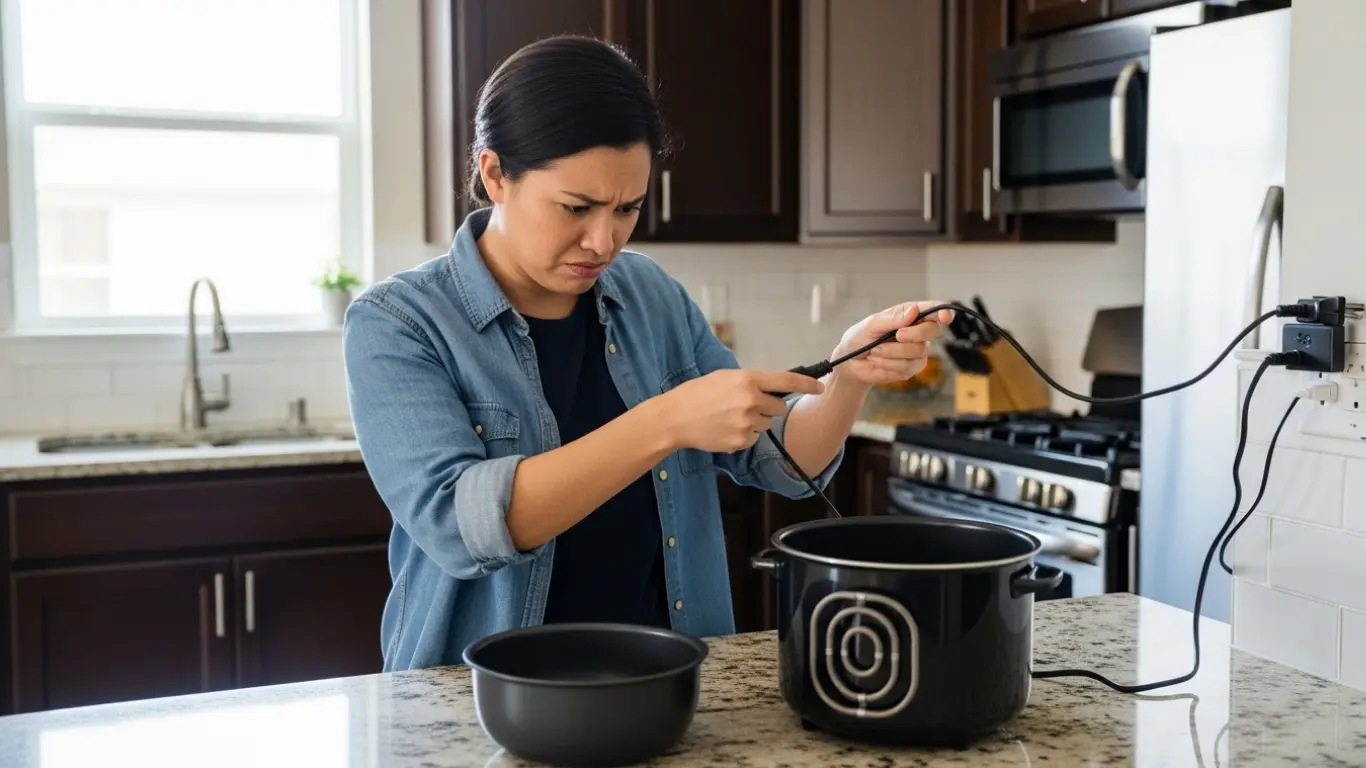
This sounds obvious, but it’s the first place to look. Is the rice cooker plugged in properly? Not just plugged into the wall, but also securely connected to the rice cooker itself.
Sometimes the cord can come loose at either end.
Also, try plugging something else, like a lamp or a phone charger, into the same outlet. This will tell you if the outlet itself is working. If the other device doesn’t get power, the problem is with your outlet or your home’s circuit breaker.
If the outlet is fine, then the issue is likely with the rice cooker or its cord.
Inspect the power cord for any visible damage like cuts, fraying, or bent prongs. If you see any damage, do not use the cord. It’s a safety hazard.
2. The Inner Pot Placement
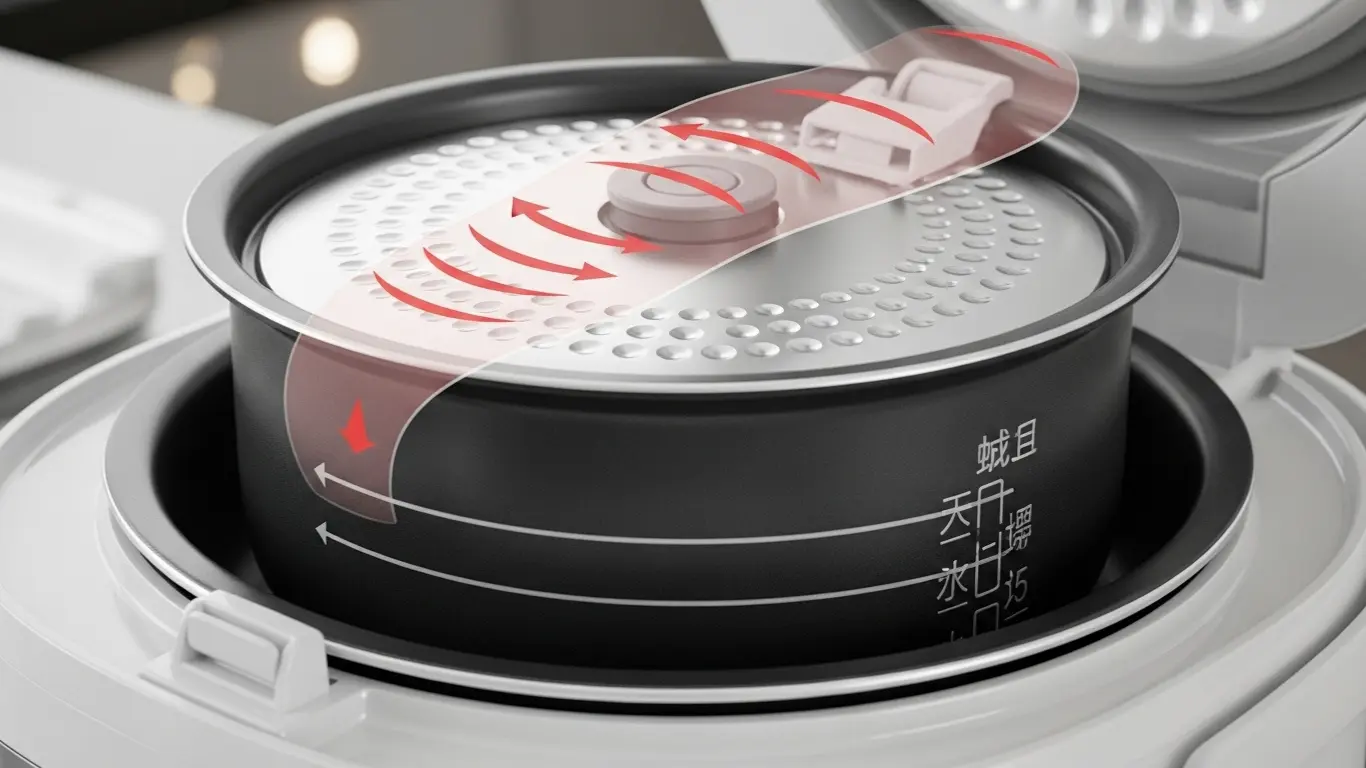
Most rice cookers have an inner pot that sits inside the heating element. If this pot isn’t seated correctly, the cooker might not engage its heating function. The cooker needs to sense that the pot is in place to start working.
Take the inner pot out and then place it back in, making sure it sits flat and snugly on the bottom.
Some models have a sensor at the bottom of the outer pot that needs to make contact with the bottom of the inner pot. Ensure there’s no debris or rice grains stuck between the inner pot and the cooker base.
3. Lid Security
Many rice cookers have safety mechanisms that prevent them from heating if the lid isn’t closed properly. The lid might need to be latched or have a specific type of click to indicate it’s locked. Check your rice cooker’s manual to see how the lid should be secured.
Sometimes, food residue or damage to the lid or locking mechanism can prevent a proper seal. Make sure the rim of the lid and the edge of the cooker are clean and free of obstructions.
Common Issues Specific to Rice Cooker Design
Beyond the basic power and connection checks, certain features within rice cooker designs can also cause heating problems.
4. The “Keep Warm” Function Trap
You might be trying to start a new batch of rice, but the cooker is still in “Keep Warm” mode from a previous use. If the cooker thinks the rice is already warm, it won’t initiate the cooking cycle. You may need to turn it off and then select the correct cooking setting again.
Some older models might not have a clear “off” button and may need to be unplugged briefly to reset.
5. Faulty Thermostat or Heating Element
If all the simple checks have been done and your rice cooker still isn’t heating up, it’s possible that an internal component has failed. The thermostat regulates the temperature, and the heating element is what actually produces the heat. These parts can wear out over time.
Diagnosing and replacing these parts usually requires some technical knowledge and tools. If your rice cooker is older or less expensive, it might be more practical to replace the unit than to repair it. However, for high-end models, professional repair might be an option.
6. Sensor Issues
Modern rice cookers, especially those with multiple functions like fuzzy logic or induction heating, rely on various sensors to measure water levels, rice density, and temperature. If a sensor is dirty, damaged, or malfunctioning, it can prevent the cooker from starting or heating correctly. Cleaning these sensors (if accessible) might help, but often a faulty sensor means a repair or replacement.
7. Overheating Protection
Rice cookers are designed with safety features to prevent overheating. If the cooker overheats for any reason (like a malfunction or being used without enough water), it might shut down and refuse to heat up again until it cools down. Sometimes, there’s a reset button, often located on the bottom of the unit.
Consult your manual to see if your model has such a feature.
Troubleshooting Steps in Order
Let’s put it all together in a clear, step-by-step process. Follow these steps when your rice cooker is not heating up.
Step 1: Power Check
Confirm the rice cooker is plugged into a working electrical outlet. Test the outlet with another appliance.
Ensure the power cord is firmly attached to the rice cooker base.
Inspect the power cord for any visible damage. If damaged, do not use it.
Step 2: Inner Pot and Lid
Remove the inner pot. Check for any debris in the cooker base or on the bottom of the pot.
Place the inner pot back in, ensuring it is seated evenly and flat.
Close the lid and ensure it clicks or latches securely, as per your model’s design.
Step 3: Setting Selection
Make sure the rice cooker is not stuck in “Keep Warm” mode. If it is, unplug it for a minute or two, then plug it back in and select the correct cooking cycle.
Choose your desired cooking setting (e.g., white rice, brown rice).
Step 4: Internal Components (If Comfortable)
If the above steps don’t work, and you are comfortable, you can check for an overheat reset button on the bottom of the unit. Refer to your manual.
If you suspect a faulty thermostat or heating element, and your cooker is still under warranty or you have repair experience, consider professional help or replacement.
Maintenance Tips to Prevent Future Issues
Keeping your rice cooker in good shape can prevent many problems, including it not heating up.
Always clean the inner pot after each use. Use a soft sponge or cloth to avoid scratching the non-stick coating.
Wipe down the exterior of the cooker, especially around the heating element area, to remove any spills or debris.
Ensure the lid and steam vent are clean. Blocked vents can sometimes cause issues with temperature regulation.
Store the rice cooker in a dry place. Avoid exposing it to extreme temperatures or moisture.
Frequently Asked Questions
Why does my rice cooker only stay on “Keep Warm” and not cook?
Answer: This usually means the cooker is still in “Keep Warm” mode from a previous cooking cycle. Try unplugging it for a minute, then plug it back in and select the cooking option again. Ensure the lid is properly closed too.
Can I use my rice cooker if the power cord is slightly frayed?
Answer: No, you should never use a rice cooker with a damaged power cord. A frayed cord is a serious fire and electric shock hazard. Replace the cord or the appliance.
My rice cooker is brand new and not heating up. What should I do?
Answer: Double-check all connections and ensure you’ve followed the initial setup instructions in the manual. If it still doesn’t heat, contact the retailer or manufacturer for a replacement, as it may be a manufacturing defect.
What if my rice cooker overheats and then stops working?
Answer: Many rice cookers have an automatic overheat protection. Unplug the unit and let it cool down completely for at least 30 minutes. Then, try plugging it back in and starting a new cooking cycle.
Make sure you are using the correct amount of water and rice.
Is it expensive to repair a rice cooker that isn’t heating?
Answer: For most standard rice cookers, the cost of repair for internal parts like the thermostat or heating element can be close to the cost of a new unit. It’s often more economical to buy a new rice cooker unless you have a high-end model and can find an affordable repair service.
Final Thoughts
It’s really no fun when your rice cooker decides not to heat up, but usually, the fix is pretty simple. By checking the power, making sure the inner pot and lid are set right, and knowing about the “Keep Warm” setting, you can solve most common problems. For those rare cases where internal parts might be the issue, remember that a new rice cooker is often a good option.
Keep these simple checks in mind, and you’ll get back to enjoying perfectly cooked rice in no time.