Skip to content
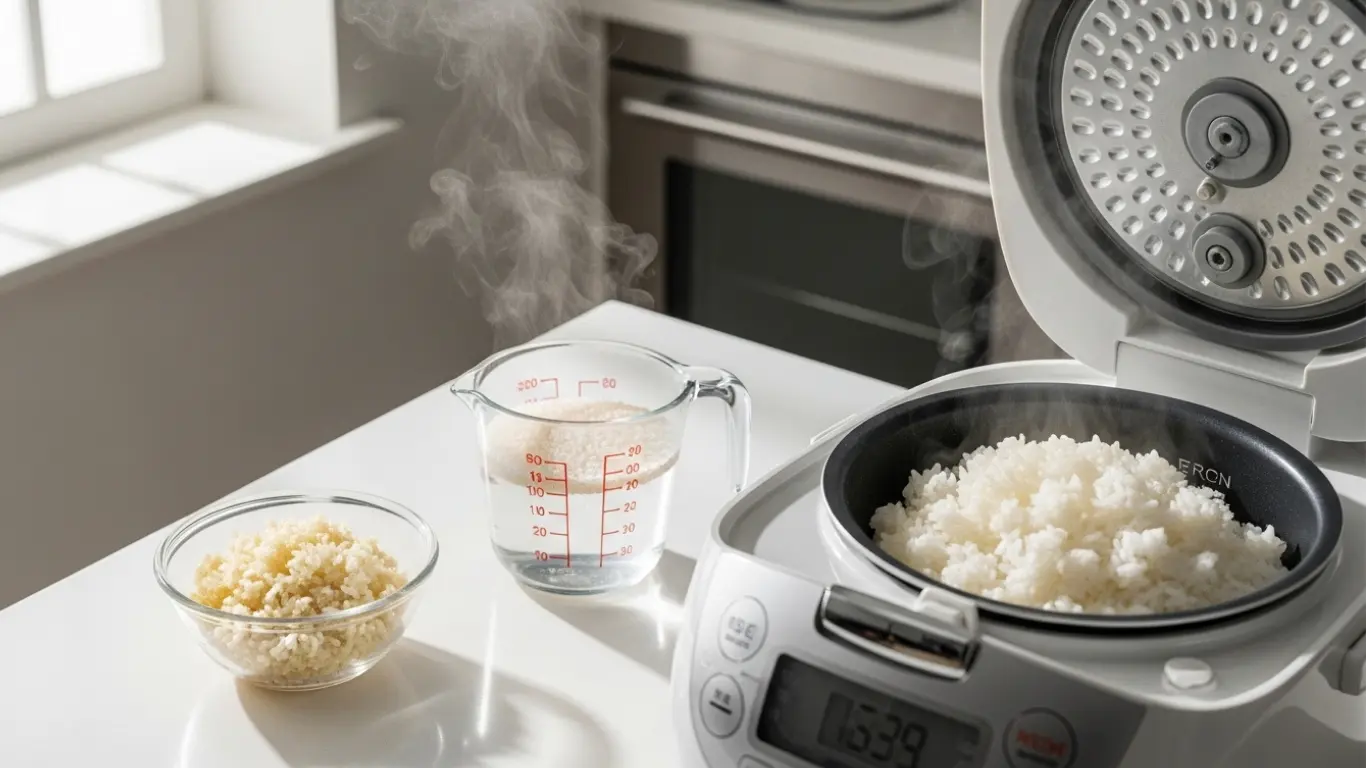
It’s a common puzzle many home cooks face: you’ve followed the steps, but your rice comes out clumpy and stuck together. If you’ve ever wondered, “why is my rice sticky in rice cooker,” you’re not alone. This happens more often than you might think, especially when you’re just getting the hang of it.
But don’t worry, it’s usually an easy fix! We’re going to break down the simple reasons and show you exactly what to do to get perfectly fluffy rice every time. Get ready to say goodbye to sticky rice for good.
Key Takeaways
- Washing rice removes excess starch, which is the main cause of stickiness.
- Using the correct water-to-rice ratio is vital for proper rice texture.
- The type of rice you use significantly impacts its stickiness.
- Rinsing rice until the water runs clear is a key step for fluffy results.
- Allowing rice to rest after cooking helps steam redistribute evenly.
Understanding Rice Stickiness
Many people wonder, why is my rice sticky in rice cooker? The most common culprit behind sticky rice is something called starch. Rice grains are covered in tiny particles of starch.
When you cook rice, especially without rinsing it properly, this starch can dissolve into the water. This creates a gummy, sticky coating on the rice grains, making them cling together. It’s like a natural glue that forms.
Different types of rice have different amounts of starch. For example, short-grain and medium-grain rice varieties, like Arborio or sushi rice, are naturally higher in amylopectin. This is a type of starch that makes them very sticky.
This is great for dishes like risotto or sushi, where you want that cling. But if you’re aiming for fluffy, separate grains, like for a side dish, this high starch content can be a problem.
Long-grain rice, such as Basmati or Jasmine, tends to have more amylose. This is another type of starch that helps the grains stay separate. So, even with long-grain rice, too much starch can still lead to unwanted stickiness.
The Importance of Rinsing Rice
This is where the magic happens. Rinsing your rice before cooking is the single most effective way to prevent it from becoming overly sticky. Think of it like washing your hands before a meal – you’re removing anything unwanted.
When you pour dry rice into a bowl and run water over it, you’re essentially washing away that loose surface starch. You’ll see the water turn cloudy and milky. This is the starch being released.
The goal is to rinse until the water runs mostly clear. This might take a few rinses, depending on the type of rice.
Some people worry that rinsing washes away nutrients. While it’s true that some water-soluble vitamins might be reduced slightly, the benefit of fluffier, less sticky rice is usually worth it for most everyday cooking. For most types of white rice, rinsing is a fundamental step for good results.
Why is my rice sticky in rice cooker when I don’t rinse it? It’s because all that starch is still there, ready to turn your rice into a clumpy mass.
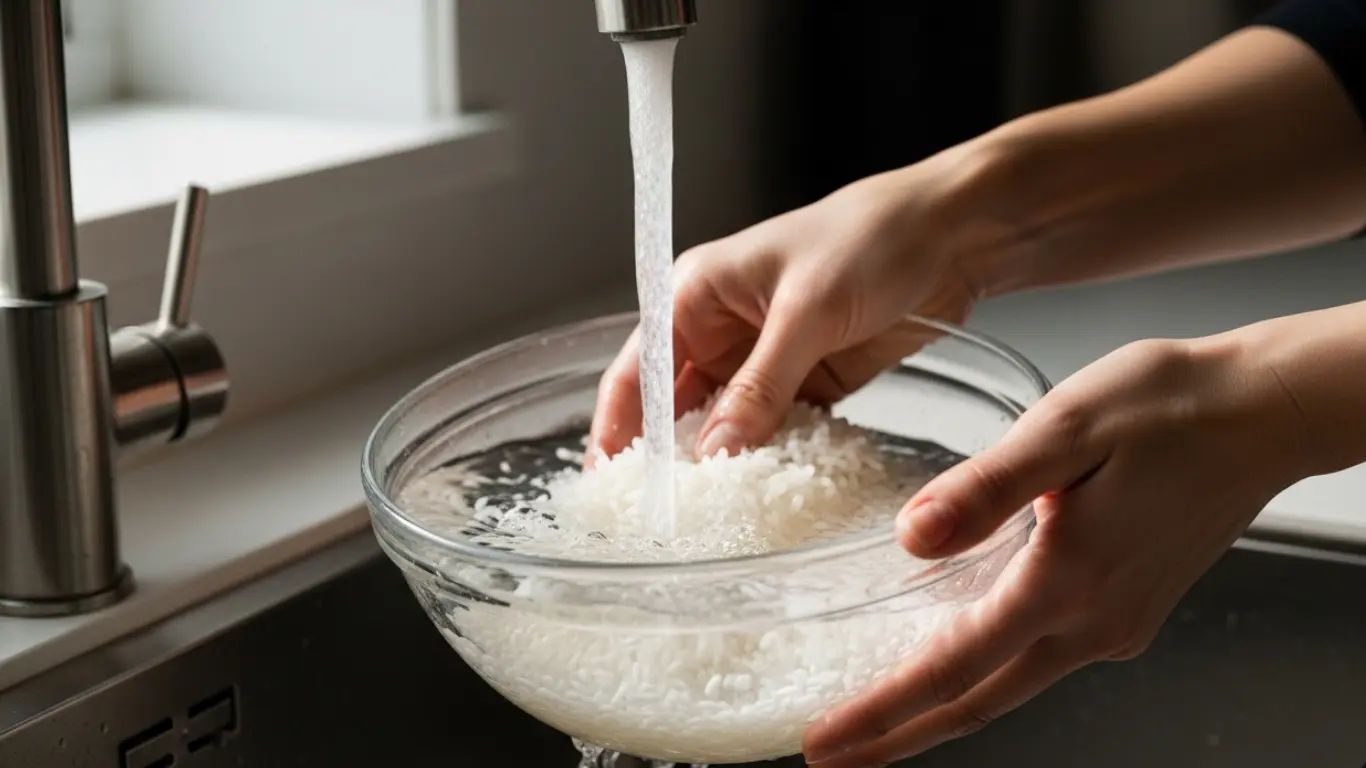
How to Rinse Rice Properly
Here’s a simple way to do it:
- Place the dry rice in a fine-mesh sieve or a bowl.
- Rinse the rice under cold running water. If using a bowl, add water, swirl the rice with your hand, then drain the cloudy water.
- Repeat this process several times.
- Continue rinsing until the water you drain off is almost clear. It doesn’t have to be perfectly crystal clear, but significantly less cloudy than when you started.
- Drain the rice well after rinsing.
The Role of Water-to-Rice Ratio
After rinsing, the next crucial step is getting the water amount just right. This is another big reason why is my rice sticky in rice cooker.
Too much water will cause the rice to absorb more liquid than it needs. This leads to overcooked grains that break down easily and release even more starch, resulting in a mushy, sticky texture. On the other hand, too little water might leave the rice undercooked and hard.
Rice cooker manufacturers often provide guidelines for water levels. They usually have markings inside the cooker pot or a chart in the manual. It’s always best to refer to your specific rice cooker’s instructions.
A general guideline for white rice is often a 1:1.5 or 1:2 ratio of rice to water by volume (e.g., 1 cup of rice to 1.5 cups of water). However, this can vary based on the type of rice, how old it is, and the specific cooker.
General Water Ratios for Different Rice Types
Here are some common starting points. Always adjust based on your results!
| Type of Rice | Water-to-Rice Ratio (Approximate) |
|---|---|
| Long-Grain White Rice | 1 cup rice to 1.5 cups water |
| Medium-Grain White Rice | 1 cup rice to 1.25 cups water |
| Short-Grain White Rice (e.g., Sushi Rice) | 1 cup rice to 1.1 cups water |
| Brown Rice | 1 cup rice to 2 cups water (often needs more water and time) |
Always use the measuring cup that came with your rice cooker or a standard dry measuring cup. Using a liquid measuring cup for dry rice can throw off the ratio.
Choosing the Right Rice Type
The type of rice you select is a key factor in how sticky it will naturally be. If your goal is fluffy, separate grains, you’ll want to choose rice varieties that are lower in the sticky starch (amylopectin).
Long-grain rice like Basmati or Jasmine is excellent for this. These varieties are known for their fragrance and ability to cook up light and fluffy. They are less likely to turn into a sticky mess unless other cooking factors are off.
On the other hand, if you’re making sushi, risotto, or paella, you actually want the rice to be sticky. For these dishes, short-grain or medium-grain rice like Arborio or Calrose are the perfect choices because of their higher starch content, which creates that desirable creamy, sticky texture.
So, when you ask, “why is my rice sticky in rice cooker,” consider if you’re using the right type of rice for the texture you desire. If you’re using sushi rice for a pilaf, it’s bound to be sticky!
The Cooking Process and Resting Time
Even with proper rinsing and the right water ratio, how you cook and handle the rice after cooking can make a difference.
Most modern rice cookers do a great job of automatically managing the cooking cycle. They heat the water, cook the rice, and then switch to a “keep warm” mode. However, the steam inside the cooker is still very active after the cooking cycle finishes.
It’s important to let the rice rest for about 10-15 minutes after the cooker signals that it’s done. During this resting period, the steam continues to cook the rice evenly and helps to redistribute any remaining moisture. This process allows the grains to firm up and become less prone to sticking.
Opening the lid too soon releases all that precious steam. This can leave the rice with unevenly cooked spots and a higher chance of stickiness.
Fluffing the Rice
Once the rice has rested, it’s time to fluff it. Use a rice paddle or a fork to gently separate the grains. This breaks up any small clumps that may have formed and further enhances the fluffiness.
Don’t stir it vigorously, as this can break the grains and release more starch. A gentle lifting and separating motion is all you need. This step ensures that the rice is light, airy, and perfectly textured.
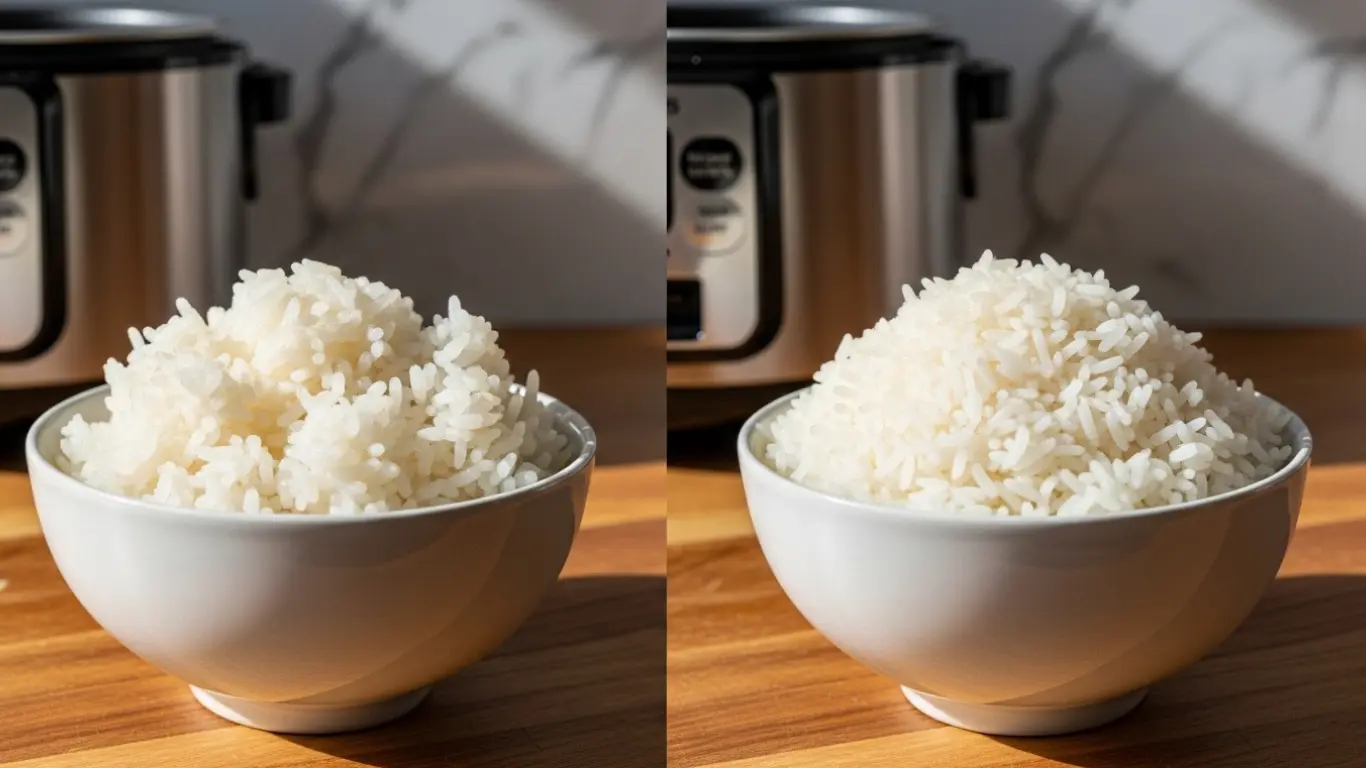
Common Mistakes and How to Avoid Them
Let’s recap some common missteps that lead to that dreaded sticky rice, and how to steer clear of them.
One of the biggest mistakes is skipping the rinse. As we’ve discussed, the starch is the primary enemy of fluffy rice. Always take the time to rinse your rice until the water runs clear.
It’s a simple step that makes a huge difference.
Another mistake is using the wrong water amount. Always follow your rice cooker’s recommendations or use the general ratios as a starting point. Remember that different types of rice need different amounts of water.
Don’t just guess!
Using the wrong type of rice for your desired outcome is also a common issue. If you want fluffy rice, use long-grain varieties. If you want sticky rice, then short- or medium-grain is the way to go.
Finally, don’t be impatient. Letting the rice rest after cooking is just as important as the cooking itself. Give it that time to steam and settle before fluffing.
By paying attention to these key details—rinsing, water ratio, rice type, and resting time—you can easily avoid the common pitfalls and achieve perfectly cooked rice every time.
Frequently Asked Questions
Why does my rice cooker keep my rice mushy and sticky even after rinsing?
Answer: This is often due to using too much water. Even after rinsing, excessive water can cause the rice to absorb too much liquid, break down, and become mushy and sticky.
Can I use regular tap water to rinse my rice?
Answer: Yes, regular tap water is perfectly fine for rinsing rice. The key is the rinsing action itself, which removes the excess starch.
How can I tell if I’ve rinsed my rice enough?
Answer: The water you drain from the rice should be mostly clear, not milky or cloudy. It might take several rinses, especially for certain types of rice.
Does the age of the rice affect its stickiness?
Answer: Older rice can sometimes be drier and may require a little more water, but the primary factor for stickiness is still starch content and proper rinsing, not age.
What should I do if my rice is already sticky?
Answer: If your rice is already sticky, you can try gently fluffing it with a fork to separate the grains. You can also try serving it with a sauce or curry that complements its texture.
Final Thoughts
So, why is my rice sticky in rice cooker? It boils down to managing starch and moisture. Proper rinsing removes excess starch, the right water ratio ensures it cooks perfectly, and allowing it to rest helps it steam evenly.
Different rice types naturally have different starch levels, influencing their stickiness.
By following these simple steps, you can ensure your rice is fluffy and delicious every time you use your rice cooker. Enjoy your perfectly cooked rice!