Finding mold in your rice cooker can be a bit alarming, especially for those new to kitchen upkeep. It’s easy to overlook cleaning certain parts, and moisture can create the perfect home for mold to grow. But don’t worry, getting rid of it is simpler than you might think.
We’ll walk you through exactly how to clean rice cooker with mold, making your appliance safe and clean again with easy steps.
Key Takeaways
- You can effectively remove mold from your rice cooker using common household items.
- Regular cleaning prevents mold from growing in the first place.
- Specific parts of the rice cooker are more prone to mold growth.
- Different cleaning agents are suitable for various parts of the cooker.
- Proper drying is essential to stop mold from returning.
Understanding Mold in Rice Cookers
Rice cookers are great tools for perfect rice, but they can also be places where mold likes to grow if not cleaned properly. This often happens because after cooking, there can be leftover moisture and tiny food bits. When these are left inside, especially in areas that don’t dry out easily, mold can start to appear.
For many people, especially those who are new to using a rice cooker, noticing mold can be a surprise and make them wonder if the cooker is still safe to use.
The good news is that knowing how to clean rice cooker with mold is straightforward. You don’t need fancy products. Simple, everyday cleaning supplies you probably already have at home can do the job.
This guide will break down the process into easy-to-follow steps, so you can get your rice cooker back to its clean and working condition without any fuss.
Why Mold Grows in Rice Cookers
Mold thrives in warm, moist, and dark environments. Your rice cooker, after cooking rice, often contains residual moisture and tiny food particles. These create an ideal breeding ground for mold spores that are naturally present in the air.
Areas like the inner pot, lid seal, steam vent, and even the exterior casing can trap moisture if not dried completely after each use. This is why regular and thorough cleaning is so important to prevent mold from taking hold.
Identifying Mold
Mold can appear in various colors, including black, green, white, or fuzzy gray. You might also notice a musty or earthy smell coming from your rice cooker, even when it’s clean. It often shows up as spots or patches on surfaces.
It’s crucial to address mold as soon as you spot it, as it can spread quickly and affect the safety and taste of your food.
Step-by-Step Guide: How to Clean Rice Cooker with Mold
Cleaning mold from your rice cooker involves a few key steps. We’ll cover how to tackle each part safely and effectively.
1. Safety First: Unplug and Disassemble
Before you start cleaning, always make sure the rice cooker is unplugged from the power source. This is a critical safety step. Then, carefully disassemble the removable parts of your rice cooker.
This typically includes the inner pot, the inner lid (if your model has one), and the steam vent cap or baffle.
2. Cleaning the Inner Pot
The inner pot is usually the most common place to find mold.
- For minor mold spots: Mix a solution of warm water and mild dish soap. Scrub the inside of the pot with a soft sponge or cloth. Rinse thoroughly.
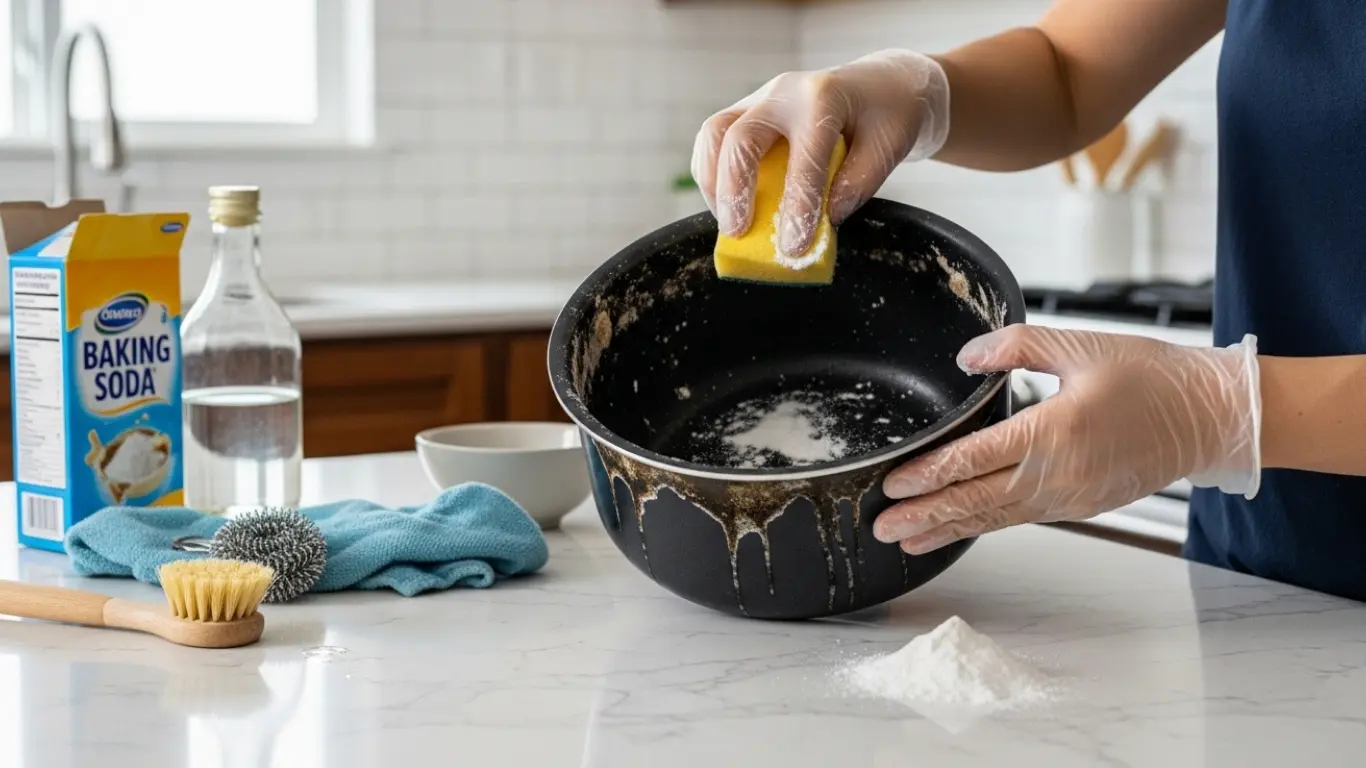
- For stubborn mold: Create a paste using baking soda and water. Apply this paste to the moldy areas and let it sit for about 15-20 minutes. Then, gently scrub with a non-abrasive sponge or cloth. Baking soda is a natural cleaner and deodorizer.
- For very tough mold: A diluted white vinegar solution can be effective. Mix one part white vinegar with two parts water. Apply to the moldy areas, let it sit for about 30 minutes, then scrub and rinse well. Vinegar helps kill mold and bacteria.
After cleaning, rinse the inner pot very thoroughly with clean water to remove all cleaning solution residues. Make sure to get into all the corners.
3. Cleaning the Inner Lid and Seals
The inner lid and its seals are often overlooked and can harbor mold due to trapped moisture.
- Remove the inner lid if it’s detachable.
- Wash it with warm, soapy water.
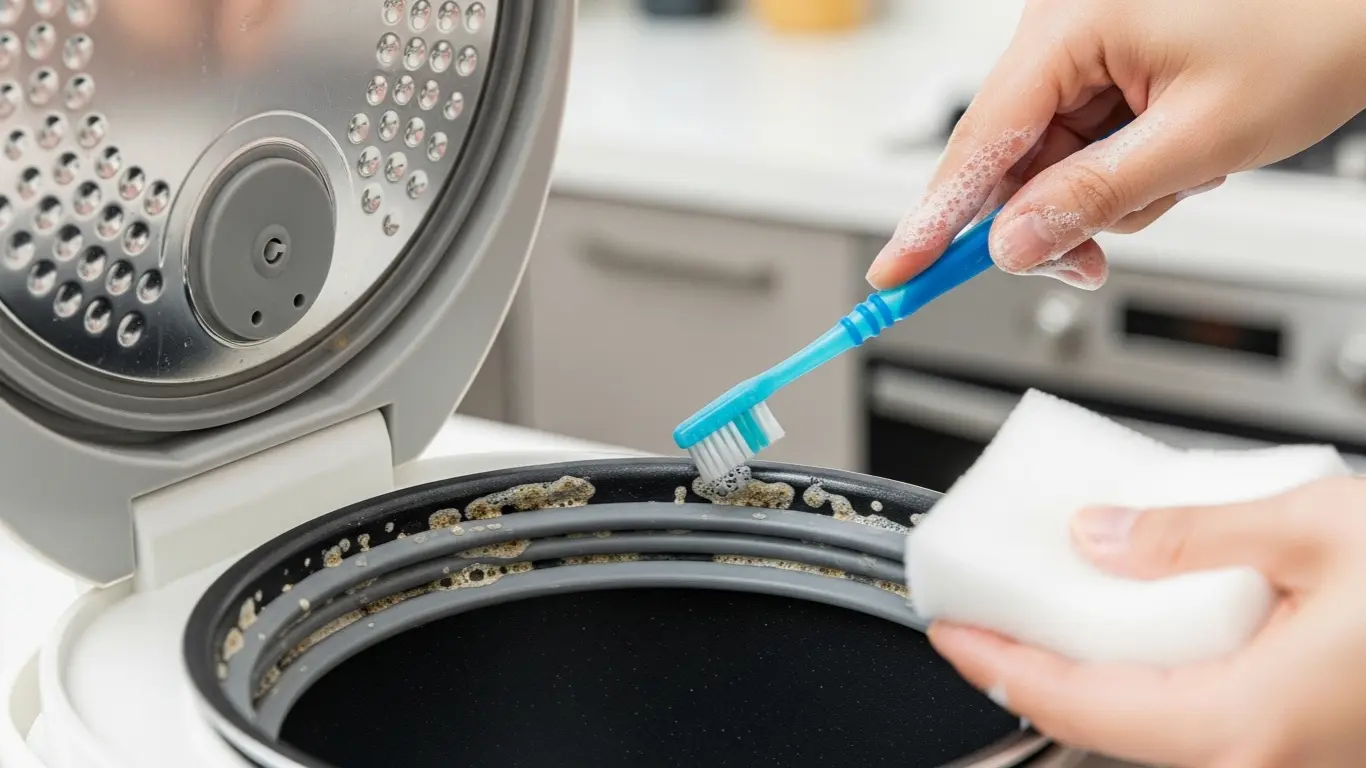
- Pay close attention to the rubber or silicone gasket or seal around the lid. Use a soft brush (like an old toothbrush) to gently clean into any crevices where mold might be hiding.
- Rinse the lid and gasket thoroughly.
If the gasket is heavily molded and cannot be cleaned, and if it’s removable, you might consider replacing it. Check your rice cooker’s manual for replacement parts.
4. Cleaning the Steam Vent
The steam vent allows excess steam to escape, but it can get clogged with food particles and moisture, leading to mold.
- Most steam vents can be removed. Check your manual if you’re unsure.
- Soak the vent cap or baffle in warm, soapy water.
- Use a small brush or toothpick to dislodge any stuck-on food or mold.
- Rinse it completely.
Ensuring the steam vent is clear is vital for proper appliance function and hygiene.
5. Cleaning the Exterior and Base
While mold is less likely to grow on the exterior, spills can occur, and condensation can form.
- Wipe down the outside of the rice cooker with a damp cloth and a little mild dish soap.
- Avoid getting water into any electrical parts.
- Clean the base where the inner pot sits, as moisture can sometimes drip down here.
- Use a dry cloth to wipe away any remaining moisture from the exterior.
6. Drying and Reassembly
This is a very important step to prevent mold from returning.
- Ensure all parts are completely dry before reassembling the rice cooker. You can air dry them on a clean dish rack or wipe them down with a clean, dry towel.
- Make sure the inner pot is bone dry.
- Reassemble the inner lid, steam vent, and any other parts you removed.
Proper drying is the best defense against future mold growth.
Preventing Future Mold Growth
The best way to deal with mold is to stop it from growing in the first place. Here’s how:
- Clean After Every Use: Even a quick rinse and wipe down after each cooking cycle makes a big difference. Don’t leave leftover rice or water in the cooker for long periods.
- Dry Thoroughly: Always make sure all parts of the rice cooker are completely dry before storing it. Leave the lid ajar for a bit to let air circulate if needed.
- Regular Deep Cleaning: Aim to do a more thorough cleaning, like the one described above, at least once a month, or more often if you use your rice cooker frequently.
- Check Seals: Periodically inspect the lid seals and steam vent for any signs of moisture or buildup.
- Proper Storage: Store your rice cooker in a dry, well-ventilated area.
Natural Cleaning Agents
When you need to know how to clean rice cooker with mold, it’s good to know what natural cleaners work well and are safe for food surfaces.
- White Vinegar: A fantastic disinfectant and mold killer. Its acidity breaks down mold and neutralizes odors. It’s safe to use on most surfaces and evaporates without leaving a strong smell after rinsing.
- Baking Soda: This is a gentle abrasive and deodorizer. It can help scrub away mold and also absorb any lingering musty smells. It’s non-toxic and food-safe, making it ideal for kitchen appliances.
- Lemon Juice: The citric acid in lemon juice has some antimicrobial properties and can help cut through grease and grime. It also leaves a fresh scent.
- Dish Soap: Mild dish soap is excellent for everyday cleaning to remove food debris and light mold. It helps lift away particles that mold feeds on.
When to Consider Replacement
While most mold issues can be resolved with thorough cleaning, there are times when it might be best to replace parts or the entire rice cooker.
- Persistent Mold: If you’ve cleaned the rice cooker multiple times and the mold keeps coming back, it might be deeply embedded in hard-to-reach areas or porous materials.
- Damaged Parts: If the inner pot is scratched or peeling, or if the lid gasket is torn or warped, these damaged areas can trap moisture and food, making them impossible to keep completely clean and mold-free.
- Electrical Issues: If your rice cooker has electrical problems or shows signs of damage beyond cleaning, it’s safer to replace it.
Your health is the priority, so if you have doubts, a new rice cooker is a small price for peace of mind.
Frequently Asked Questions
Question: Can mold in a rice cooker make me sick?
Answer: Yes, consuming food contaminated with mold can cause allergic reactions, respiratory problems, or other health issues, especially for individuals with mold sensitivities or compromised immune systems. It’s important to thoroughly clean any moldy appliance before use.
Question: How often should I clean my rice cooker to prevent mold?
Answer: For best results, clean your rice cooker after every use by rinsing and wiping it dry. Perform a deep clean, addressing all parts, at least once a month to prevent mold from forming.
Question: Can I use bleach to clean mold from my rice cooker?
Answer: It is generally not recommended to use bleach inside a rice cooker, especially the inner pot where food is prepared. Bleach can be harsh, leave behind fumes, and potentially damage the non-stick coating. Natural cleaners like vinegar and baking soda are safer alternatives.
Question: My rice cooker smells musty even after cleaning. What should I do?
Answer: A persistent musty smell often indicates that some mold or moisture has been missed. Ensure all parts are completely dry, especially hidden areas like the steam vent and lid seals. Leaving the lid slightly ajar in a dry place can help air it out.
You can also place a small bowl of baking soda inside the cooker overnight to absorb odors.
Question: Is it safe to use a rice cooker with a scratched non-stick inner pot?
Answer: Scratches on the non-stick coating can harbor food particles and moisture, making them difficult to clean and more prone to mold growth. They can also release potentially harmful chemicals. If the scratches are significant, it’s best to replace the inner pot or the entire rice cooker.
Final Thoughts
Keeping your rice cooker mold-free is about consistent cleaning and drying. By following these simple steps, you can easily remove any existing mold and prevent it from coming back. Focus on drying all parts thoroughly after each use.
A clean rice cooker ensures safe and delicious meals every time.