Skip to content
When you unbox a brand new air fryer, you expect delicious meals, not a strange smell. Sometimes, a new air fryer can have a burnt plastic odor, which is a bit concerning for beginners. This smell usually comes from manufacturing residues or protective coatings burning off during the first few uses.
It’s completely normal for most new appliances, but you want it gone quickly before it affects your food. Don’t worry, there are easy ways to tackle this. We’ll walk you through simple steps to make that smell disappear so you can start air frying with confidence.
Key Takeaways
- New air fryers often emit a temporary burnt plastic smell.
- Proper cleaning before the first use can minimize this odor.
- Running the air fryer at high heat can help burn off residues.
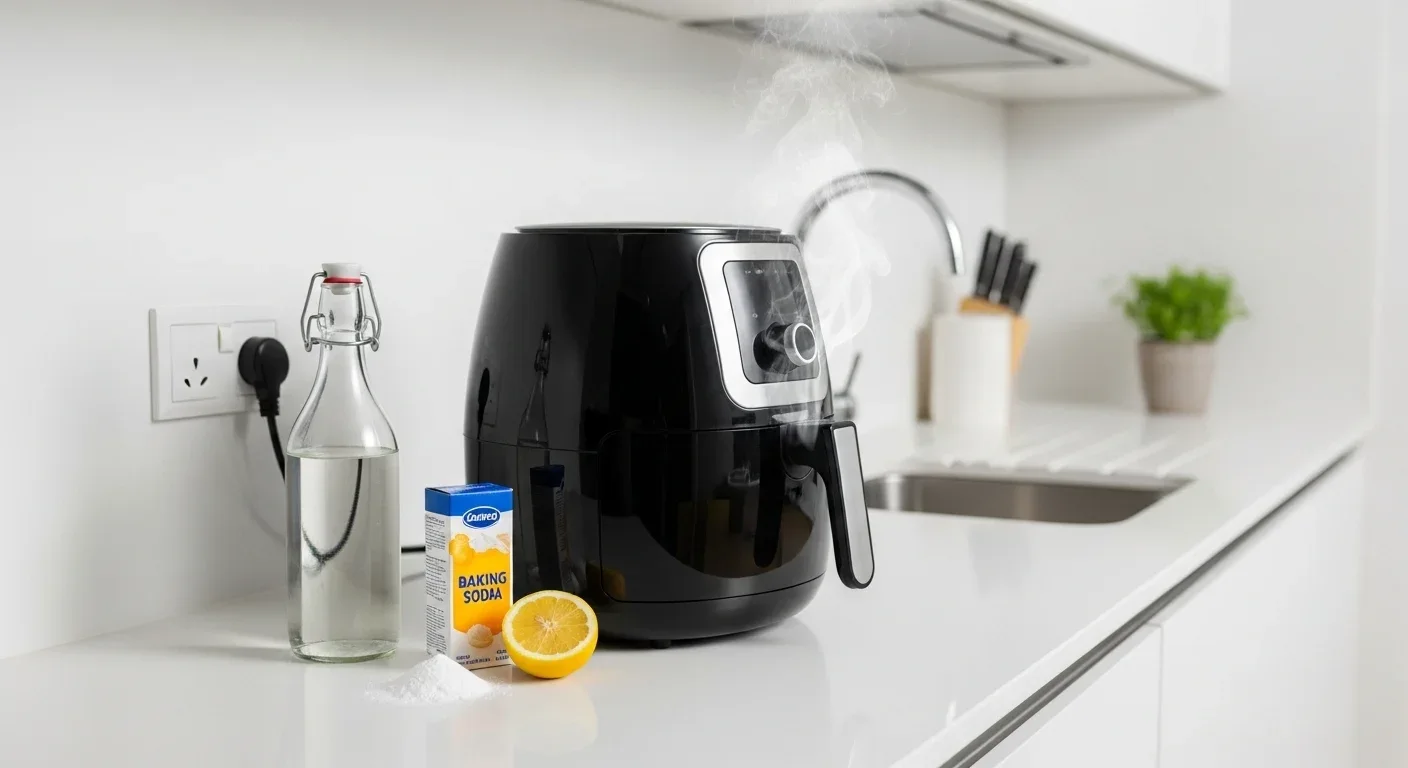
- Using natural deodorizers can absorb lingering smells.
- Ventilation is key to dissipating any unwanted odors.
- Patience is often needed for the smell to completely vanish.
Understanding The Burnt Plastic Smell In Your New Air Fryer
The initial smell from a new air fryer can be a bit alarming, especially if you’re new to using these popular kitchen gadgets. This “burnt plastic” or chemical odor is not uncommon and is usually due to a few factors. Manufacturing processes often leave behind oils or protective coatings on the heating elements and interior surfaces.
When you first turn on the appliance, these residues heat up and release volatile organic compounds, which our noses detect as that unpleasant smell. It’s essentially the appliance’s way of “seasoning” itself for the first time. For many, this is a temporary issue, and understanding its origin helps to ease concerns.
This smell can be a challenge for beginners because it’s unexpected. You might worry that your new appliance is faulty or that the smell will transfer to your food. The good news is that this is a common part of the break-in period for many small kitchen appliances, not just air fryers.
With a few simple steps, you can effectively remove this smell. We’ll guide you through cleaning techniques and operational methods designed to tackle this issue head-on.
Why Does A New Air Fryer Smell Like Burnt Plastic
The primary reason behind the burnt plastic smell in a new air fryer is residue from the manufacturing process. During production, manufacturers use various lubricants, sealants, and protective coatings on the metal and plastic components of the appliance. These substances are applied to ensure smooth operation and protect parts during shipping and handling.
When you first activate the air fryer, the high temperatures cause these materials to burn off. This process, often called curing or burning in, is necessary to remove these temporary residues before the appliance is ready for regular food preparation. The smell is the result of these organic compounds vaporizing and escaping the appliance.
It’s similar to the smell you might notice when you first use a new oven or toaster. The intensity and duration of the smell can vary based on the manufacturer and the specific materials used.
Another contributing factor can be the plastic components themselves. Some internal plastic parts might release a slight odor when first exposed to heat. This is usually benign and dissipates quickly.
The heating element, often made of coiled metal, can also have a thin coating that burns off. The fan system, which circulates hot air, might also carry these initial odors. It’s important to differentiate this temporary manufacturing smell from a persistent burning smell that might indicate an actual malfunction, which is much rarer.
Is The Smell Dangerous For Your Health
The smell of burnt plastic from a new air fryer is generally not dangerous in the short term, provided it’s from the initial break-in period. The volatile organic compounds released are typically in very low concentrations. While inhaling any fumes isn’t ideal, a temporary, faint smell during the first few uses is unlikely to cause lasting health problems.
Most health organizations agree that for short-term exposure to low levels of these compounds, the risk is minimal. The key is that this smell should disappear after the first few operational cycles. If the smell is very strong, persistent, or accompanied by visible smoke that doesn’t dissipate, it’s advisable to stop using the appliance and contact the manufacturer.
This might indicate a genuine issue with the unit.
The materials used in reputable air fryers are generally food-safe and designed to withstand high temperatures. Manufacturers adhere to safety standards to ensure that any residue burning off is not toxic. However, it’s always a good practice to ensure adequate ventilation when first using any new appliance that emits fumes.
Opening a window or using your kitchen’s exhaust fan can help clear the air of any airborne particles, making the experience more comfortable and ensuring that any trace residues are quickly removed from your living space. This proactive approach adds an extra layer of safety and peace of mind.
How To Get Rid Of Burnt Plastic Smell In New Air Fryer Using Initial Cleaning
Before you even think about cooking your first meal, a thorough initial cleaning is your best defense against that lingering burnt plastic smell. This step is crucial because it helps remove any loose debris or manufacturing residue that might be contributing to the odor. A clean slate means less to burn off during the first operation.
Think of it as preparing your air fryer for its best performance. This simple preparation can make a big difference in how quickly and effectively you eliminate the smell.
This initial cleaning not only tackles the smell but also ensures your air fryer is hygienic. It’s a small effort that pays off significantly by making your cooking experience more pleasant from the very beginning. We will cover the specific cleaning steps that are most effective for tackling this particular issue.
Cleaning The Removable Parts
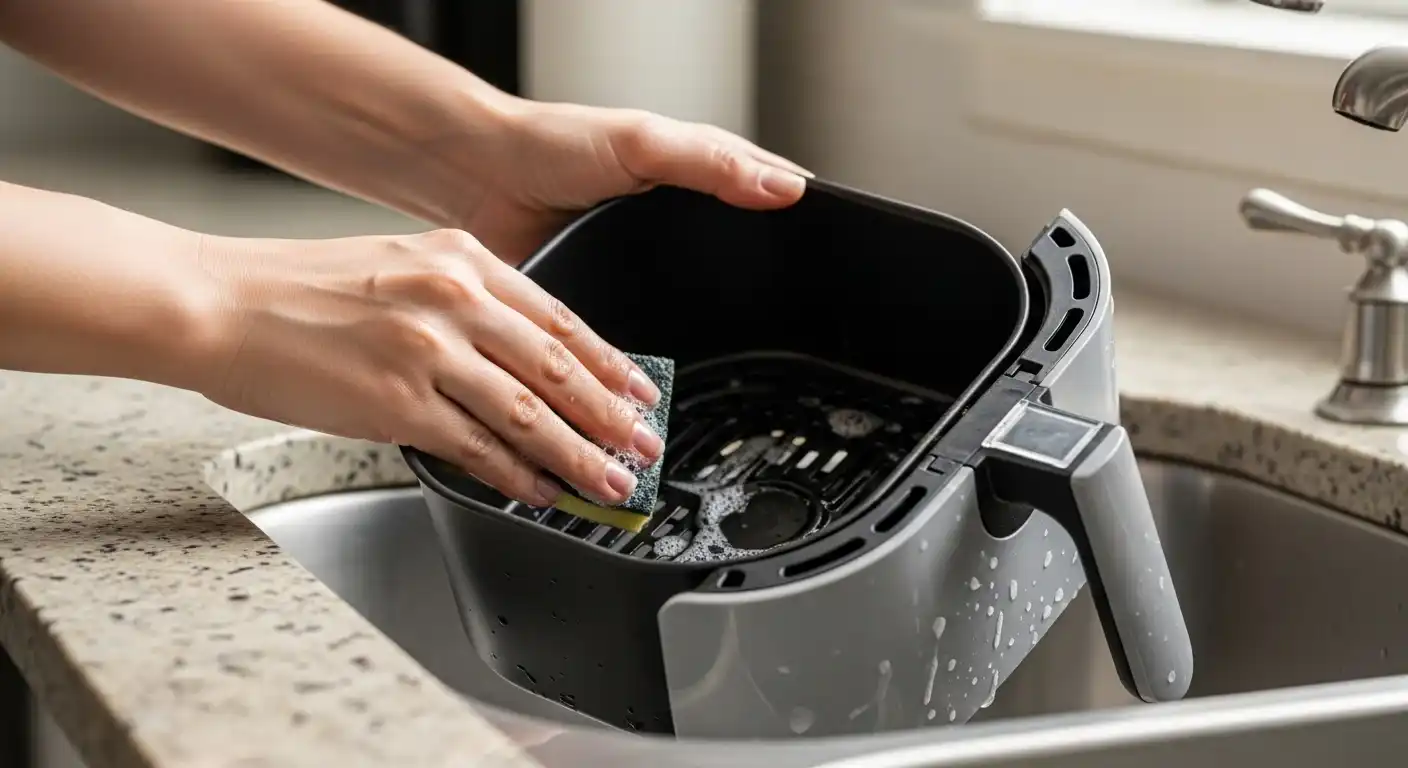
The removable parts of your air fryer, such as the basket and the crisper plate, are usually the first things to get dirty and retain smells. For these items, a simple wash with warm, soapy water is typically sufficient. Use a mild dish soap and a soft sponge or cloth to avoid scratching the non-stick surfaces.
Ensure you rinse them thoroughly to remove any soap residue. Once cleaned, dry them completely with a soft towel or let them air dry before reassembling them into the air fryer. This prevents moisture from contributing to any potential smells or affecting the appliance’s performance.
Some manufacturers might recommend a dishwasher-safe process for these parts, so always check your user manual. However, handwashing is often gentler and can extend the life of the non-stick coating. For any stubborn residue, you might use a baking soda paste.
Mix baking soda with a little water to form a paste, apply it to the residue, let it sit for a few minutes, and then gently scrub. Rinse and dry thoroughly. This method is effective and safe for most non-stick surfaces and can help lift away odor-causing particles.
Cleaning The Interior And Exterior
While the removable parts are easy to clean, the interior of the air fryer requires a slightly different approach. Wipe down the inside walls and the heating element (if accessible and cool) with a damp cloth. It’s important to ensure the appliance is unplugged and completely cool before attempting to clean the interior.
For the heating element, you can use a soft brush or a dry cloth to gently remove any visible dust or particles. Avoid using abrasive cleaners or harsh chemicals, as they can damage the interior surfaces and potentially leave behind their own odors.
For the exterior of the air fryer, a simple wipe-down with a damp cloth and mild soap is usually enough. Dry it thoroughly with a clean, soft towel. Pay attention to any vents or openings, ensuring they are clear of dust and debris.
Proper cleaning of both the interior and exterior ensures that no external contaminants are contributing to any unusual smells once the appliance is powered on. This step reinforces the idea of starting with a clean unit, ready for its break-in period.
How To Get Rid Of Burnt Plastic Smell In New Air Fryer Through Operation
Once you’ve given your air fryer a good initial clean, the next step to tackle the burnt plastic smell involves using the appliance itself. This is where the actual “burning in” process takes place. By running the air fryer at high temperatures for a specific duration, you encourage any remaining manufacturing residues to burn off more completely.
This method is effective because it mimics the conditions that cause the smell in the first place, but in a controlled way, allowing the odors to dissipate safely.
This operational phase is crucial for thoroughly clearing out any persistent manufacturing residues. It ensures that your air fryer is truly ready for cooking. Following these operational steps carefully will significantly reduce or eliminate the smell before you cook your first meal, making your culinary adventures much more enjoyable.
The “Burn In” Process
The most common and effective method to get rid of burnt plastic smell in a new air fryer is to run it empty at a high temperature for a period. Most manufacturers recommend running the air fryer at its highest setting, typically around 400°F (200°C), for about 15-20 minutes. It’s important to do this in a well-ventilated area.
Open a window or turn on your kitchen’s exhaust fan to allow the fumes to escape easily. This process helps to burn off any residual oils, coatings, or plastic compounds left from the manufacturing process.
You might notice the smell most strongly during this initial burn-in. This is normal. Let the air fryer complete its cycle.
After the cycle is finished, turn off the appliance and let it cool down completely. Once cool, you can wipe down the interior with a damp cloth again to remove any ash or soot that might have resulted from the burning process. This step is essential for ensuring the appliance is clean and ready for use.
Repeating this cycle once or twice more can be beneficial if the smell persists.
Using Natural Deodorizers During Operation
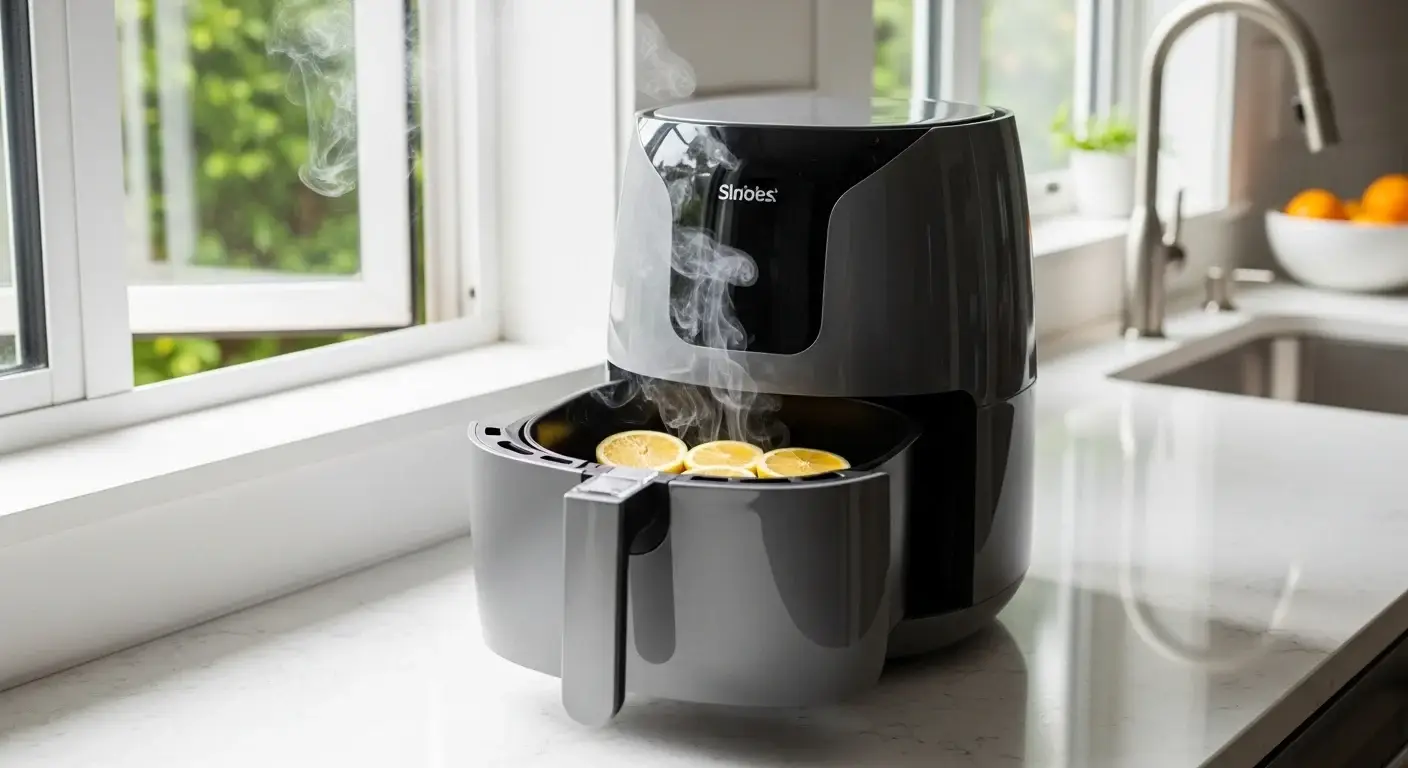
To help combat any lingering burnt plastic smell, you can use natural deodorizers during the burn-in cycles or even during the first few cooking sessions. One effective method is to place a slice of lemon or a tablespoon of white vinegar in a small oven-safe dish inside the air fryer basket during an operational cycle. Heat the air fryer to around 350°F (175°C) for about 10-15 minutes.
The acidity in the lemon or vinegar helps to neutralize odors.
Another natural deodorizer you can use is baking soda. Place a small, open container of baking soda inside the air fryer when it’s not in use. Baking soda is well-known for its ability to absorb odors.
You can leave it in overnight or for a couple of days. When you are ready to use the air fryer again, remove the baking soda and wipe down the interior with a damp cloth. These natural methods are safe and can significantly improve the air quality inside your appliance.
Running Multiple Cycles
If the burnt plastic smell is particularly strong after the first burn-in cycle, don’t hesitate to repeat the process. Running the air fryer empty at a high temperature for another 15-20 minutes can be very effective. Sometimes, residues are present in multiple areas, and it takes a couple of cycles for them to burn off completely.
Each cycle helps to further clean the heating elements and interior surfaces.
After each additional cycle, remember to let the air fryer cool down and wipe out any residual dust or soot. Ensuring good ventilation during these cycles is paramount. You might find that the smell diminishes significantly with each repetition.
For most users, two or three burn-in cycles are usually sufficient to eliminate the odor. Patience is key; allow the appliance time to shed these initial manufacturing smells. By consistently performing these steps, you ensure a clean-smelling air fryer for all your future cooking endeavors.
Dealing With Persistent Smells After Initial Use
Even after following the recommended cleaning and burn-in procedures, some users might find a faint burnt plastic smell persists. This can be frustrating, but there are still several effective methods to address it. The key is to continue with strategies that absorb or neutralize odors, ensuring your food doesn’t pick up any unwanted flavors or scents.
Persistence with these additional steps can help resolve the issue entirely.
These techniques are designed to be gentle yet effective, targeting any stubborn odor molecules that might be clinging to the appliance. They offer further solutions for those who need to completely banish the smell before enjoying their air fryer meals. Let’s explore these next steps.
Using Household Deodorizers
Beyond just lemon and vinegar, several common household items are excellent at absorbing odors. One such item is activated charcoal. You can purchase activated charcoal pouches, which are specifically designed for odor absorption, and place one inside your cooled air fryer.
These pouches are highly porous and can effectively trap odor molecules. Leave the pouch inside the air fryer for 24-48 hours. Ensure the air fryer is unplugged and completely cool during this time.
Another option is using coffee grounds. Place some dry, unused coffee grounds in a small bowl and put it inside the air fryer basket. Close the lid and leave it overnight.
Coffee grounds are known for their strong scent, which can help mask and absorb other odors. In the morning, remove the bowl of coffee grounds and wipe down the inside of the air fryer with a damp cloth. Both activated charcoal and coffee grounds are safe to use and can significantly reduce persistent smells.
Cleaning With Vinegar Solution
White vinegar is a powerful natural cleaning agent and deodorizer. For a more intensive cleaning session, you can create a vinegar solution. Mix equal parts white vinegar and water.
Dampen a clean cloth or sponge with this solution and wipe down the entire interior of the air fryer, including the basket and crisper plate. Pay special attention to any nooks and crannies where odors might linger. Avoid getting the solution into electrical components.
After wiping down, leave the air fryer lid open for a few hours to allow the vinegar smell to dissipate. The vinegar smell itself is temporary and will vanish as it evaporates, taking the plastic smell with it. You can then rinse the interior with a damp cloth (using plain water) and dry it thoroughly.
This method is particularly effective for breaking down any greasy residue that might be holding onto odors.
Aeration And Sunlight
Sometimes, the simplest solutions are the most effective. If the weather permits, take your air fryer outside and let it air out in direct sunlight for a few hours. Sunlight has natural deodorizing and sanitizing properties.
Ensure the air fryer is unplugged and completely dry before exposing it to the elements. Place it in a spot where it can receive plenty of fresh air and sunshine. This method is particularly good for airing out any lingering chemical smells.
This process is most effective for the outer parts and the removable basket. For the interior, you can simply leave the lid open and place it in a breezy, well-lit area indoors if outdoor placement isn’t feasible. Allowing fresh air circulation helps to naturally dissipate any trapped odors.
Combine this with one of the other cleaning methods for an even more potent effect. This passive approach can work wonders over time without any extra effort.
When To Contact The Manufacturer
If, after trying all these methods, you still notice a strong burnt plastic smell, it might be time to contact the manufacturer. A persistent, strong odor that doesn’t dissipate could indicate a defect in the appliance. Reputable manufacturers will want to address such issues to ensure customer satisfaction and product safety.
Refer to your air fryer’s user manual for warranty information and customer support contact details.
When you contact them, be prepared to describe the smell, how long it has been present, and the steps you have already taken to resolve it. They might offer troubleshooting advice or arrange for a repair or
Tips For Future Air Frying Without Odors
Once you’ve successfully banished the burnt plastic smell from your new air fryer, you’ll want to keep it that way. Regular maintenance and mindful cooking practices can ensure your air fryer always smells fresh and your food tastes its best. These tips are simple and designed to integrate easily into your routine, preventing future odor issues.
Adopting these habits will help maintain your air fryer’s performance and ensure a pleasant cooking experience every time. They focus on cleanliness, proper usage, and proactive odor prevention, making sure you can enjoy perfectly cooked meals without any unwanted smells.
Regular Cleaning Schedule
The most effective way to prevent odors is to clean your air fryer regularly. After each use, allow the appliance to cool down completely. Then, wash the removable basket and crisper plate with warm, soapy water.
If you’ve cooked something particularly greasy or that tends to leave strong smells (like fish), wipe down the interior with a damp cloth. A quick clean after every use prevents residue buildup, which is a major cause of lingering odors.
For a deeper clean, consider wiping down the interior surfaces and the heating element area once a week or every few uses, depending on how often you cook. Ensure the appliance is unplugged and cool before cleaning. Periodically check and clean any vents or fans to ensure optimal airflow and prevent dust or debris accumulation.
A consistent cleaning routine is the cornerstone of a fresh-smelling air fryer.
Avoid Overfilling The Basket
Overfilling the air fryer basket can hinder proper air circulation. When food is packed too tightly, hot air cannot flow around it effectively, leading to uneven cooking. More importantly, this can cause certain foods to cook at a higher temperature in localized spots, potentially leading to burnt bits and the release of unpleasant smells.
It can also cause grease and food particles to splatter onto the heating elements more easily.
Ensure there’s space between the food items so that the hot air can circulate freely. This not only promotes even cooking and prevents burning but also reduces the likelihood of grease splattering onto sensitive parts of the appliance. Using the correct amount of food ensures your air fryer functions as intended and helps maintain a clean interior, free from burnt residue.
Proper Storage
Storing your air fryer properly can also contribute to keeping it odor-free. Always ensure the air fryer is completely cool and dry before storing it. If you store it with the basket inside, make sure the basket is clean and dry.
Leaving a damp basket inside can lead to mold or mildew growth, which will create unpleasant smells. Some people prefer to store the basket separately to allow for better air circulation.
If your air fryer has a vent or any openings, consider covering them loosely to prevent dust accumulation. Avoid storing it in a damp or enclosed space. A well-ventilated area is ideal.
Some users place an open box of baking soda inside the air fryer when it’s stored for long periods. This helps absorb any ambient odors and keeps the interior smelling fresh.
Cooking With Certain Foods
Certain foods are more prone to creating strong smells when cooked. Foods with high fat content, such as bacon or fatty meats, can release a lot of grease that might splatter. Strong-smelling foods like fish or certain spices can also leave their aroma in the air fryer.
When cooking these items, be extra diligent with cleaning afterward.
Consider using the air fryer basket liner if your model allows, or placing a piece of aluminum foil (perforated to allow airflow) at the bottom of the basket to catch grease. This helps minimize splattering and makes cleanup easier. Always use the suggested cooking times and temperatures to prevent food from burning.
If a particular food consistently leaves a strong smell, consider cleaning the air fryer immediately after cooking it.
Frequently Asked Questions
Question: How long does the burnt plastic smell usually last
Answer: The burnt plastic smell from a new air fryer typically lasts for the first few uses. It should significantly reduce after the initial burn-in cycles and disappear within the first week of regular use.
Question: Can I use my air fryer with food while trying to get rid of the smell
Answer: It’s best to run the air fryer empty for the initial burn-in cycles to get rid of the manufacturing residue and smell. Once the smell is gone, you can cook food. If a faint smell remains, you can try natural deodorizers during cooking.
Question: What if the burnt plastic smell returns later
Answer: If the smell returns after the initial period, it might indicate a buildup of grease or food particles. Clean the air fryer thoroughly, especially the heating element and basket, and run a burn-in cycle with a deodorizer like lemon or vinegar.
Question: Are there any air fryer models that don’t have this smell
Answer: While some brands or models might have less noticeable initial smells, it’s a common phenomenon for most new heating appliances due to manufacturing residues. Following the recommended cleaning and burn-in steps is always advised.
Question: Can I use essential oils to deodorize my air fryer
Answer: It’s generally not recommended to use essential oils inside the air fryer during operation, as they can be highly concentrated and may leave a residue or strong, potentially unpleasant aroma when heated. Stick to natural methods like lemon, vinegar, or baking soda.
Final Verdict
Getting rid of the burnt plastic smell in a new air fryer is usually a straightforward process. By cleaning the removable parts and interior, running a few high-heat cycles, and using natural deodorizers, you can effectively eliminate this temporary odor. Regular cleaning after each use will keep your air fryer smelling fresh for all your future meals.
Enjoy your cooking!