It happens to everyone who loves to blend. You’re making a smoothie or a sauce, and suddenly, your blender stops working. It might feel like a big problem, especially if you’re new to using blenders.
Don’t worry! Often, a blender just needs a little break to cool down. This guide will show you how to reset an overheated blender easily.
We will walk through simple steps to get your blender back to normal, so you can get back to making your favorite recipes.
Why Your Blender Overheats
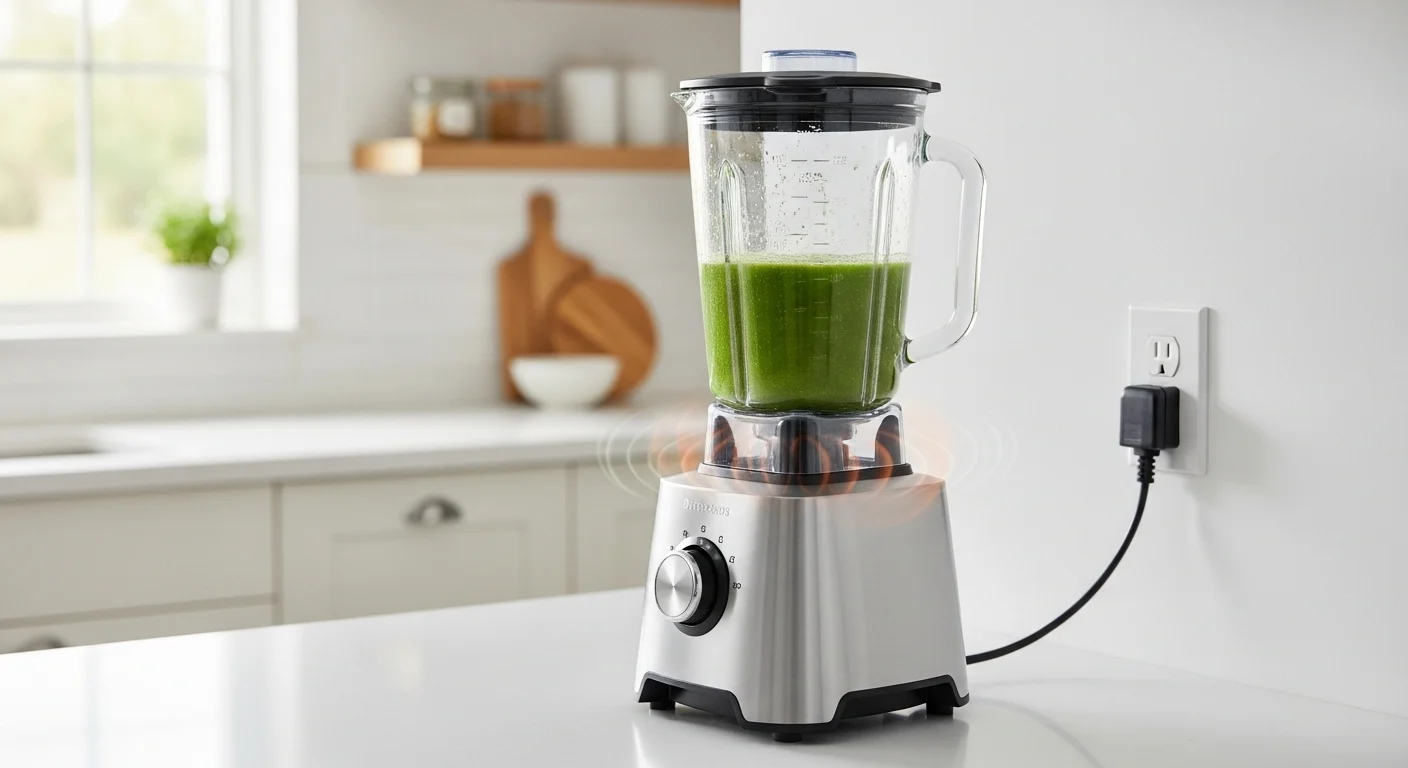
Blenders are powerful machines, but they can get tired. Overheating usually happens when you ask too much of your blender. This can be from blending for too long without breaks.
It can also happen if you try to blend very hard or frozen ingredients for an extended period. Sometimes, a blender might overheat if there’s something blocking the blades, making the motor work harder. For new blender users, figuring out why it stopped working and what to do next can be confusing.
The good news is, most overheating issues have simple fixes.
Understanding Blender Safety Features
Blenders are designed with safety in mind. Many have a special feature to protect the motor from burning out. This is called thermal overload protection.
When the motor gets too hot, this feature automatically shuts the blender off. It’s like a built-in safety switch. This prevents permanent damage to your appliance.
Knowing this feature exists helps you understand why your blender suddenly stopped working.
The Role of the Motor
The motor is the heart of your blender. It’s a small but strong engine that spins the blades at high speeds. When you blend, the motor uses electricity to create this spinning action.
Like any engine, it can get hot, especially with continuous use or when it has to work extra hard. If the motor gets too hot, the safety feature kicks in and stops it. This is a sign that the blender needs a rest, not that it’s broken.
Steps to Reset an Overheated Blender
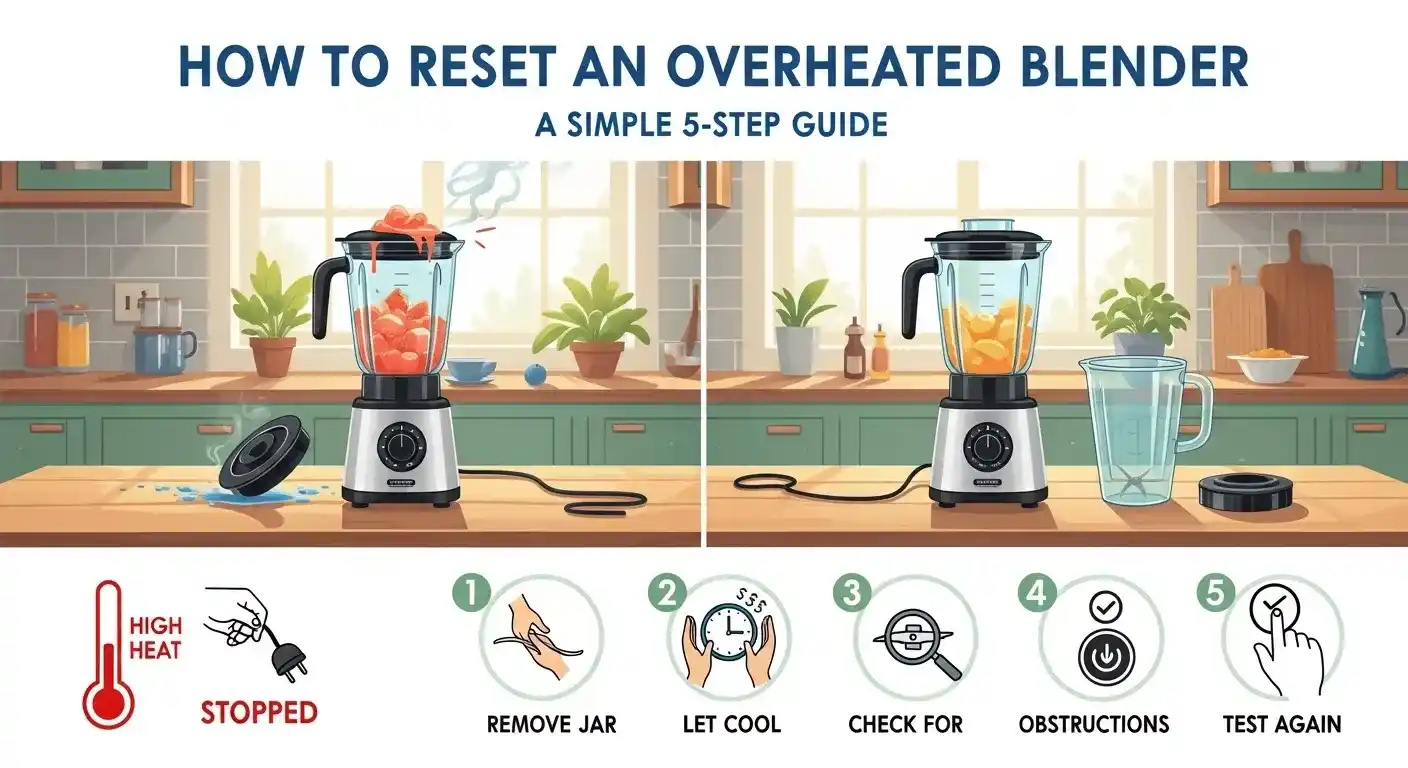
Resetting an overheated blender is a straightforward process. It mainly involves giving the appliance time to cool down. Here are the simple steps to follow:
Step 1: Unplug the Blender
The very first thing you must do is disconnect your blender from the power outlet. This is a crucial safety step. It ensures that no electricity is flowing to the motor while it’s cooling down.
Unplugging also prevents accidental startups.
Step 2: Remove the Blender Jar
Once unplugged, carefully remove the blender jar from the base. This allows air to circulate around the motor housing and the jar. It can help the appliance cool down faster.
Make sure any leftover ingredients are out of the jar if you plan to clean it.
Step 3: Let It Cool Down
This is the most important step. You need to give your blender time to cool completely. For most blenders, this means waiting at least 15 to 30 minutes.
For some, it might take up to an hour, especially if it was very hot. You can leave the jar off the base during this cooling period. Do not try to turn it on again before it has cooled down, as this can cause more damage.
Step 4: Check for Obstructions
While your blender is cooling, take a moment to inspect the blades and the jar. Sometimes, a blender overheats because something is stuck. Check if any large pieces of food are jamming the blades or if the lid isn’t sealed properly, allowing air to get in and make the motor work harder.
Clean any food debris that might be stuck around the blades or the base of the jar.
Step 5: Reassemble and Test
After the blender has cooled sufficiently, put the jar back onto the base. Plug the blender back into the power outlet. Now, test it with a small task.
Try blending a little water or a very soft ingredient for a short time. If it starts working normally, you have successfully reset your overheated blender.
When to Seek Further Help
If your blender continues to overheat after following these steps, or if it shuts off very quickly even after cooling, there might be a more serious issue. It could be a problem with the motor or another internal component. In such cases, it’s best to consult your blender’s user manual for troubleshooting tips.
If the manual doesn’t help, contact the manufacturer’s customer support or consider professional repair. Sometimes, a blender might simply be old and nearing the end of its lifespan.
Troubleshooting Common Overheating Scenarios
Different situations can lead to a blender overheating. Knowing these common scenarios can help you prevent them in the future.
Long Blending Times
Using your blender for extended periods without stopping is a primary cause of overheating. Blending a large batch of soup or a very thick smoothie for several minutes straight can strain the motor. It’s always a good idea to blend in short bursts.
Pulse the ingredients first, then blend for about 30 seconds to a minute, and then give the blender a short break. This allows the motor to cool down between blending cycles.
Tough or Frozen Ingredients
Blending ingredients like ice, frozen fruits, nuts, or hard vegetables requires a lot of power. If your blender isn’t designed for heavy-duty tasks, it can overheat quickly. Make sure to cut hard ingredients into smaller pieces before blending.
For frozen items, let them thaw slightly before adding them to the blender. If you’re making a very thick mixture, add a little liquid to help the blades move more freely.
Incorrect Lid Placement
A loose or improperly sealed lid can cause problems. If the lid isn’t on tight, ingredients can splash out, and air can get into the jar. This can make the motor work harder to create the necessary suction and blending action.
Always ensure the lid is securely locked in place before you start blending.
Overfilling the Blender Jar
Putting too many ingredients into the blender jar can overload it. When the jar is too full, the blades can’t spin freely. This makes the motor work much harder, leading to overheating.
Always check the maximum fill line on your blender jar and don’t exceed it. If you have a large recipe, divide it into smaller batches.
Age and Wear of the Blender
Like all appliances, blenders have a lifespan. Over time, the motor can wear out, making it more prone to overheating. If your blender is old and you’ve noticed it overheating more frequently, it might be a sign that it’s time to replace it.
Regular maintenance, as outlined in your user manual, can help extend the life of your blender.
Preventative Measures to Avoid Overheating
Taking simple steps can prevent your blender from overheating in the first place. These tips are easy to incorporate into your kitchen routine.
- Blend in short intervals, giving the motor breaks.
- Cut hard ingredients into smaller pieces.
- Add enough liquid to help ingredients blend smoothly.
- Ensure the lid is securely fastened.
- Do not overfill the blender jar.
- Clean the blender regularly after each use.
These simple habits will help your blender last longer and work better.
Frequently Asked Questions
Question: How long should I wait before using my blender again after it overheats?
Answer: You should wait at least 15 to 30 minutes for the blender to cool down completely. If it was very hot, an hour might be needed.
Question: Can I put my blender jar in the freezer to cool it down faster?
Answer: No, you should not put the blender jar in the freezer. Allow it to cool down at room temperature to avoid damaging the materials.
Question: What if my blender still won’t turn on after cooling?
Answer: If the blender doesn’t turn on after adequate cooling, there might be a more serious issue. Check your user manual or contact customer support.
Question: Is it okay to blend ice cubes in my blender?
Answer: It depends on your blender model. Check your manual. If allowed, blend ice in small batches with liquid and give the blender breaks.
Question: How often should I clean my blender to prevent overheating?
Answer: Clean your blender after every use. Food residue can sometimes affect motor performance and contribute to overheating.
Final Thoughts
When your blender stops unexpectedly, it’s usually just telling you it needs a rest. Following the simple steps of unplugging, removing the jar, and letting it cool will often solve the problem. Checking for obstructions and reassembling correctly are the final checks.
This straightforward approach ensures you know how to reset an overheated blender quickly and safely, getting you back to enjoying your favorite blended creations without delay.