Many people wonder if slow cooking is healthy. It seems easy, but figuring out if your meals are good for you can be tricky. We want to make it super simple for you.
This guide will walk you through everything you need to know, step by step. Get ready to learn how delicious and good-for-you slow cooker meals can be.
Key Takeaways
- Slow cooking preserves nutrients well.
- Lower temperatures can reduce nutrient loss compared to high-heat cooking.
- It helps tenderize tougher, leaner cuts of meat.
- Moist cooking methods in slow cookers retain water-soluble vitamins.
- Proper food safety is essential for healthy slow cooking.
- Slow cooking can be a healthy way to prepare balanced meals.
Is Slow Cooking Healthy Nutrient Retention
Slow cooking is often asked about when people think about healthy eating. This method of cooking uses low heat over a long period. Many wonder how this affects the nutrients in food.
We will look at why this cooking style is good for keeping nutrients in your meals. It’s easier than you might think to make super healthy dishes.
How Nutrients Behave During Slow Cooking
When food cooks, especially with heat, some nutrients can be lost. This is normal for most cooking methods. Slow cooking, however, uses a gentle, low temperature.
This means fewer delicate nutrients might break down compared to frying or boiling at high heat. The moisture in the slow cooker also helps keep things like water-soluble vitamins from escaping into the air or cooking liquid.
Vitamins like C and B vitamins are especially sensitive to heat. However, because slow cooking is moist heat, many of these vitamins stay within the food. They don’t evaporate or get drained away as easily.
This is a big plus for making meals that are packed with good stuff.
Minerals are generally more stable with heat. They tend to stay put even when cooked for a long time. So, when you make a hearty stew or a pot roast, the minerals in your vegetables and meat will likely remain in your dish.
The main idea is that the gentle heat and moist environment of a slow cooker are kind to nutrients. This makes it a great way to cook foods and keep their nutritional value high. You get more of the good things from your ingredients when you cook them this way.
Comparing Slow Cooking to Other Methods
When we compare slow cooking to other common methods, its health benefits become clearer. High-heat methods like grilling or pan-frying can sometimes lead to more nutrient loss. They can also create compounds that are less healthy if not done carefully.
For example, charring food at very high temperatures can form harmful substances. Slow cooking avoids these high temperatures entirely.
Boiling can also cause some nutrients, particularly water-soluble ones, to leach out into the water. If you discard the cooking water, you lose those vitamins. Slow cooking uses less water and keeps the liquid with the food, so these nutrients stay put.
Steaming is another healthy cooking method that preserves nutrients well. Slow cooking is similar in that it uses moist heat. However, slow cooking goes a step further by cooking food for much longer.
This can help break down tough fibers in meats and vegetables, making them easier to digest and absorb nutrients from.
Roasting at high temperatures can sometimes dry out food. It can also cause browning reactions that some people enjoy for flavor but might lose some sensitive nutrients. Slow cooking keeps food moist, which helps preserve vitamins and minerals that can be damaged by dryness and intense heat.
So, while many cooking methods are healthy, slow cooking offers a unique advantage. It gently cooks food, retaining a high percentage of its original nutritional value. This makes it a fantastic choice for health-conscious cooks.
Food Safety in Slow Cooking
Ensuring your slow cooker meals are safe to eat is very important. It’s not just about keeping nutrients; it’s about preventing illness. Slow cookers work by keeping food warm for a long time.
This means you need to be careful about how you start the cooking process.
The “danger zone” for food is between 40°F (4°C) and 140°F (60°C). Bacteria can grow quickly in this temperature range. Your slow cooker needs to heat food up to at least 140°F (60°C) within the first couple of hours of cooking.
If food sits in the danger zone for too long, it can become unsafe.
To make sure your food is safe, always start with cold ingredients. If you’re using frozen meat, it’s best to thaw it first. Putting large amounts of frozen food into a cold slow cooker can prevent it from heating up quickly enough.
This can leave the food in the danger zone for too long.
Also, make sure your slow cooker is large enough for the amount of food you are cooking. If it’s too full, the heat won’t circulate properly. This can lead to uneven cooking and unsafe spots.
When cooking meat, it should reach an internal temperature of 165°F (74°C) to be safe. For ground meats, it’s even higher. Using a food thermometer is the best way to check.
You can also check vegetables. They should be tender, which usually means they have reached a safe temperature.
Cleaning your slow cooker parts thoroughly after each use is also key. This prevents bacteria from building up. By following these simple safety tips, you can enjoy delicious and healthy slow-cooked meals with confidence.
Is Slow Cooking Healthy Lean Meat Preparation
One of the great things about slow cooking is how it handles different types of meat. It’s especially good for tougher cuts that might be less expensive. Let’s explore how slow cooking makes these meats tender and healthy to eat.
Tenderizing Tougher Cuts
Tougher cuts of meat have more connective tissue. This tissue is made of collagen. When you cook these meats at high temperatures quickly, they can become dry and chewy.
The collagen doesn’t have enough time to break down into gelatin.
Slow cooking, however, uses a long, gentle heat. This low temperature for many hours is perfect for breaking down that tough collagen. As the collagen breaks down, it turns into gelatin.
Gelatin is what makes slow-cooked meats so tender and moist. It actually adds moisture to the meat as it cooks.
This means you can use less fatty cuts of meat. Because the cooking process adds moisture, you don’t need as much fat for flavor or tenderness. This is a big win for making healthier meals.
You get a tender, flavorful dish without all the extra fat you might expect.
Think about cuts like chuck roast, brisket, or pork shoulder. These are typically tough. But when cooked in a slow cooker for 6-8 hours, they become fall-apart tender.
This makes them perfect for shredding into tacos, serving with vegetables, or enjoying in a hearty stew.
So, the ability of slow cooking to tenderize is a major health advantage. It allows us to enjoy budget-friendly, lean cuts of meat in a delicious and palatable way. It makes healthy eating more accessible and enjoyable for everyone.
Reducing Added Fats
Because slow cooking makes meat so tender and moist naturally, you can often skip adding extra fats. Many recipes might call for butter, oil, or fatty ingredients to keep meat from drying out. With a slow cooker, this is usually not necessary.
You can trim visible fat from your meat before cooking. The slow cooking process will render out some of the remaining fat. This fat then pools at the bottom of the slow cooker.
You can easily skim this fat off before serving your meal. This step further reduces the fat content of your dish.
This is a significant health benefit. Lowering the amount of saturated fat in your diet is good for your heart. It can help manage cholesterol levels and reduce the risk of heart disease.
For example, if you’re making shredded chicken for sandwiches, you can use boneless, skinless chicken breasts or thighs. These are already relatively lean. The slow cooker will keep them moist and tender without needing any added oil.
Once cooked, you can shred them easily with forks.
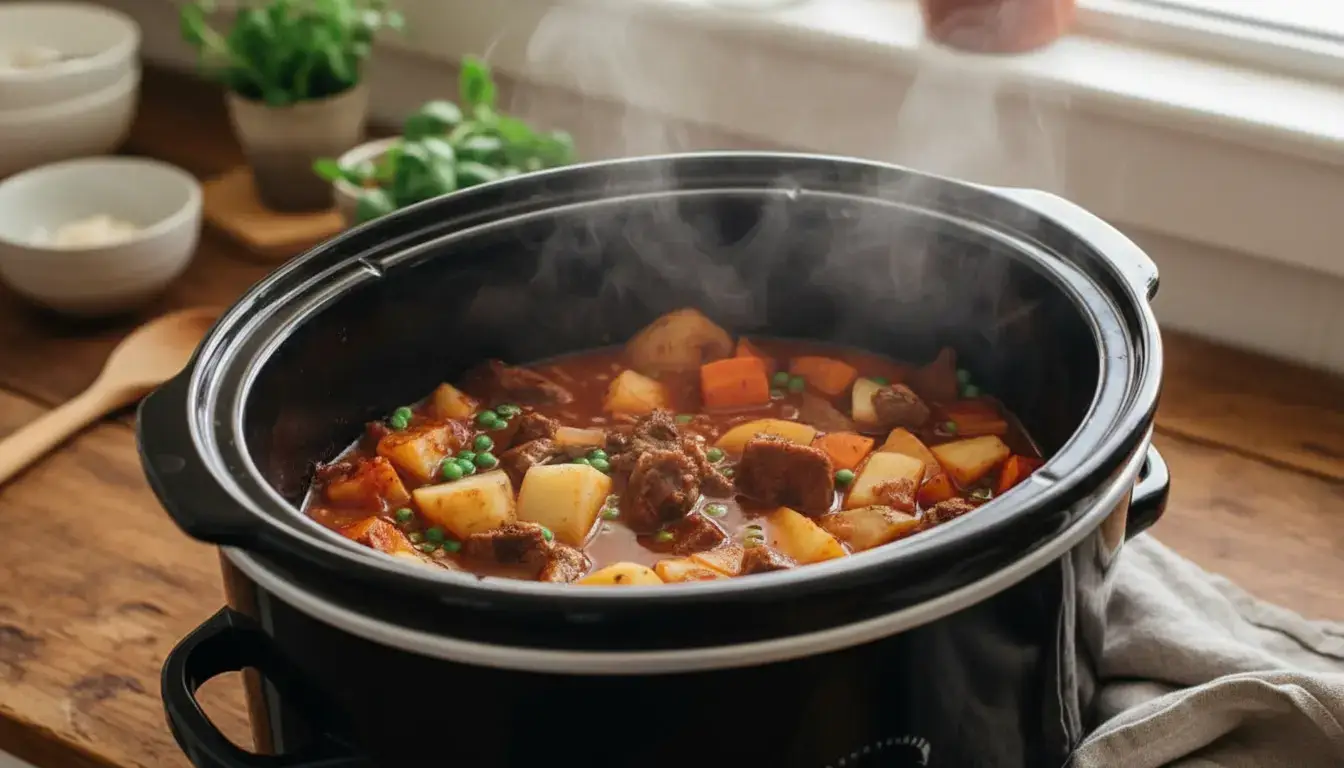
Similarly, when making a beef stew, you can choose leaner cuts of beef. Trim any excess fat. The vegetables and broth in the stew will provide plenty of moisture.
The long cooking time will ensure the beef is tender.
By simply choosing leaner meats and taking advantage of the slow cooker’s natural moistening abilities, you can drastically cut down on unhealthy fats. This makes slow cooking a powerful tool for preparing genuinely healthy meals.
Using Leaner Protein Sources
Slow cookers are not just for red meat. They are excellent for cooking all sorts of lean protein sources. This includes chicken, turkey, fish, and even plant-based proteins.
Chicken breast is a very lean protein. Cooking it in a slow cooker prevents it from becoming dry and rubbery. You can add vegetables, broth, and seasonings, and the chicken will cook perfectly.
It’s great for meal prep, as you can make a large batch to use throughout the week.
Turkey breast is another lean option that benefits from slow cooking. It stays moist and flavorful, making it a healthy alternative to fattier meats. It’s perfect for pot pies or to shred for sandwiches.
While fish is often cooked quickly, some heartier fish can be cooked in a slow cooker. This is usually done for shorter periods at higher settings. It helps keep the fish from drying out.
However, be mindful that some delicate fish might overcook if left too long.
For plant-based diets, slow cookers are fantastic for cooking beans, lentils, and chickpeas. These ingredients become tender and creamy, perfect for soups, stews, or dips like hummus. This makes it easier to incorporate more plant-based proteins into your diet, which is very healthy.
The versatility of the slow cooker means you can easily swap out ingredients. You can adapt many recipes to use leaner protein choices. This flexibility is a key reason why slow cooking is considered a healthy cooking method.
Is Slow Cooking Healthy Vegetable Preparation
Vegetables are a cornerstone of healthy eating. Slow cooking is a wonderful way to prepare them. It makes them tender and allows them to absorb wonderful flavors from your dishes.
Preserving Vitamins and Minerals
When you cook vegetables, especially with water, some vitamins can be lost. Water-soluble vitamins like B vitamins and vitamin C can leak out into the cooking liquid. Minerals can also be lost this way.
Slow cooking offers a gentle approach. The vegetables are typically cooked in a liquid, like broth or water. However, because the cooking is slow and contained, much of that liquid is kept with the vegetables.
This means the vitamins and minerals that might have leached out stay in the dish, ready for you to eat.
For example, when you make a vegetable soup or a stew in a slow cooker, all the goodness from the vegetables stays within the broth. You consume both the solids and the liquid, getting the full nutritional benefit. This is far better than draining away nutrient-rich cooking water.
Also, the low cooking temperature is kinder to heat-sensitive vitamins. While some loss is inevitable with any cooking, slow cooking minimizes this compared to methods that use very high heat for short periods. This helps ensure your vegetables remain a good source of essential nutrients.
Consider root vegetables like carrots, potatoes, and sweet potatoes. They are packed with vitamins and fiber. Slow cooking makes them incredibly tender and easy to digest.
Their nutrients are well-preserved throughout the long cooking process.
This makes slow cooking an excellent choice for maximizing the health benefits of the vegetables you use. You get soft, flavorful, and nutrient-dense vegetables in every bite.
Enhancing Flavor Absorption
One of the magical aspects of slow cooking is how it allows flavors to meld and deepen over time. Vegetables, in particular, are like sponges when it comes to soaking up taste.
As vegetables cook slowly in a savory broth, herbs, spices, and aromatics, they absorb all those wonderful tastes. This means you can often use less salt. The natural flavors of the ingredients, combined with the slow-cooked essence, create a rich and satisfying taste.
Imagine a simple vegetable stew. Onions, garlic, carrots, celery, and potatoes are added to a slow cooker with some vegetable broth and herbs like thyme and rosemary. Over several hours, the onions and garlic break down, releasing their sweetness.
The carrots and potatoes soften and absorb the herby, savory broth. The result is a dish bursting with flavor, where each vegetable tastes even better than it would on its own.
This flavor enhancement is also a health benefit. When food tastes great, you are more likely to enjoy eating it. This encourages healthier eating habits.
You’re not just eating nutritious food; you’re enjoying it immensely.
Even simple steamed vegetables cooked in a slow cooker with a bit of broth and a bay leaf can take on a depth of flavor that’s hard to achieve otherwise. This makes vegetables more appealing, especially for picky eaters.
The slow, moist environment is perfect for these flavor compounds to develop and spread throughout the dish. It’s a simple yet profound way to make healthy food incredibly delicious.
Making Vegetables More Digestible
Some vegetables can be tough to digest for certain people. Raw vegetables, or those cooked quickly, might cause gas or bloating. Slow cooking can make vegetables much easier on your digestive system.
The long, slow cooking process breaks down tough fibers in vegetables. This makes them softer and easier for your body to process. For people with sensitive stomachs, this can be a game-changer.
Consider cruciferous vegetables like broccoli and cauliflower. Some people find them difficult to digest. When cooked slowly in a stew or soup, they become very soft and tender.
This can significantly reduce digestive discomfort. The nutrients within these vegetables also become more accessible for your body to absorb.
Beans and lentils are another example. While they are incredibly healthy, they can sometimes cause digestive issues. Cooking them for a long time in a slow cooker breaks down their complex carbohydrates and anti-nutrients.
This makes them much easier to digest and can help your body absorb their protein and fiber more effectively.
Sweet potatoes and other starchy vegetables also benefit. They become soft and creamy, almost like a puree. This texture is very gentle on the stomach.
By making vegetables more digestible, slow cooking ensures you get the maximum nutritional benefit from them. It’s a way to enjoy all the health perks of vegetables without the common digestive drawbacks. This makes healthy eating more comfortable and sustainable.
Is Slow Cooking Healthy Balanced Meal Creation
Creating balanced meals is key to good health. Slow cooking makes it simple to put together meals that have all the right components. We will look at how you can easily build nutritious meals with your slow cooker.
Combining Protein Vegetables and Carbs
A truly healthy meal includes protein, plenty of vegetables, and some healthy carbohydrates. Slow cookers are perfect for combining these elements in one pot.
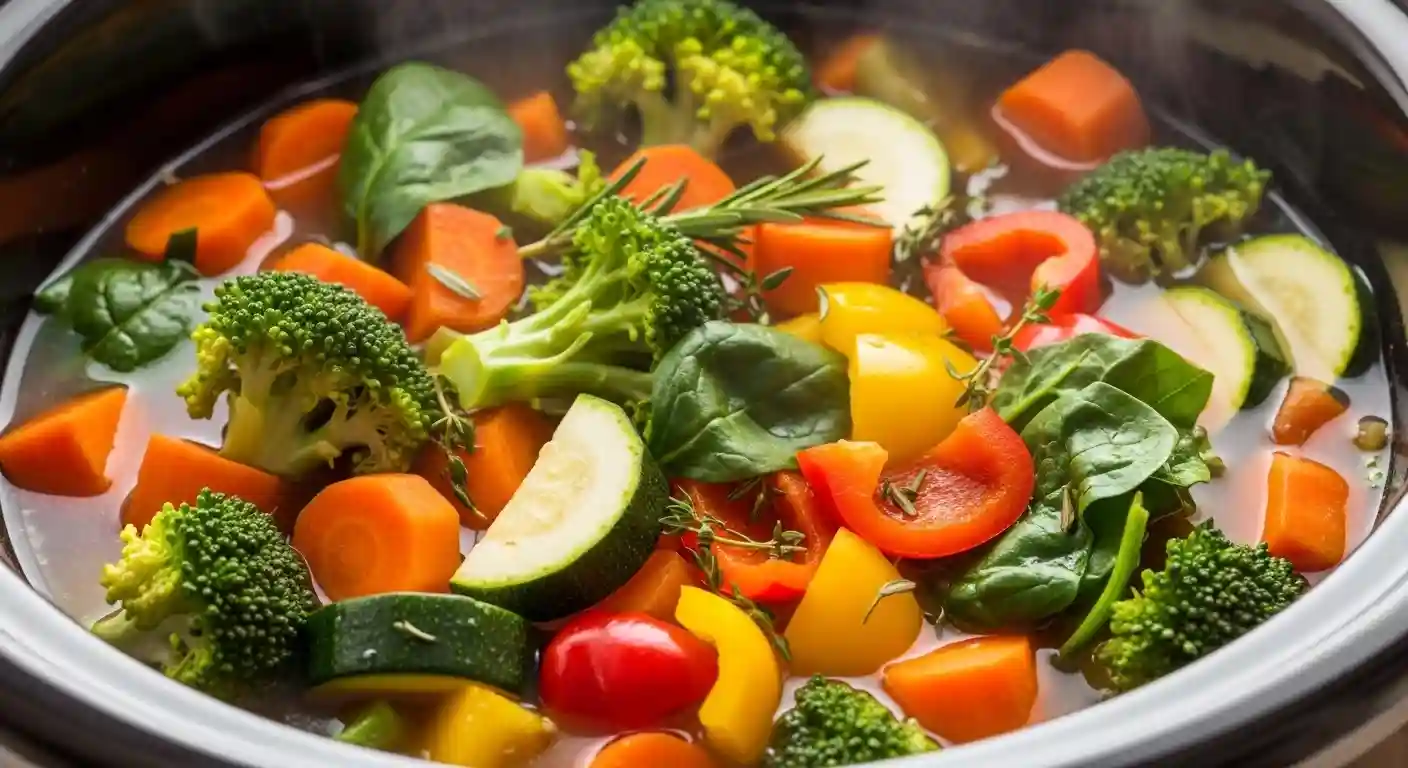
You can start with a lean protein, like chicken breast, lean beef, or beans. Then, add a variety of colorful vegetables. Think carrots, bell peppers, zucchini, spinach, or broccoli.
Finally, include a healthy carbohydrate source. This could be potatoes, sweet potatoes, brown rice (added towards the end of cooking), or whole wheat pasta (also added later).
For example, a classic slow cooker meal could be a chicken and vegetable stew. You put chicken pieces in the pot with chopped carrots, celery, potatoes, and some low-sodium broth. You can also add some peas or corn near the end.
This single pot dish provides protein, fiber, vitamins, and minerals. It’s a complete meal ready in one go.
Another example is a lentil and vegetable soup. Lentils provide protein and fiber. You can add diced tomatoes, onions, garlic, spinach, and any other vegetables you like.
This makes for a hearty, filling, and nutrient-dense meal that is entirely plant-based.
The beauty of slow cooking is that these components cook together beautifully. The flavors meld, and everything becomes tender and delicious. This makes it easy to serve a well-rounded, healthy meal without a lot of fuss or multiple pans.
By planning your meals to include these three essential food groups, you can ensure you are getting a balanced intake of nutrients. The slow cooker simplifies this process immensely.
Controlling Portion Sizes
Portion control is another vital aspect of healthy eating. Slow cookers often come in large sizes, which can be a double-edged sword. While they allow you to make large batches, it’s important to be mindful of how much you serve yourself.
One advantage is that you can make a big batch of a healthy meal. Then, you can portion it out into smaller containers for grab-and-go lunches or dinners throughout the week. This helps you avoid overeating at any single meal.
When serving from the slow cooker, use a measuring cup or a food scale to get an accurate portion size. This is especially helpful when you are trying to manage your weight or adhere to specific dietary guidelines.
For instance, if you make a hearty beef and vegetable stew, a standard serving might be about 1.5 to 2 cups. Ensure your bowl or container holds this amount. Fill the rest of your plate with a simple side salad or extra non-starchy vegetables to make it a more filling and balanced meal.
If you are cooking for one or two people, consider using a smaller slow cooker. This can help prevent you from making excessive amounts of food that might lead to overconsumption. Alternatively, you can intentionally cook smaller portions in a larger slow cooker and then divide and freeze the rest immediately.
By being conscious of portion sizes, you can enjoy the convenience and health benefits of slow cooking without inadvertently eating too much. It’s about mindful eating, even with delicious, easy-to-prepare meals.
Using Healthier Cooking Liquids and Seasonings
The liquids and seasonings you use in your slow cooker can significantly impact the healthiness of your meal. Making smart choices here boosts the nutritional value and reduces unhealthy components.
Instead of using heavy creams or fatty broths, opt for lower-sodium vegetable or chicken broths. You can also use water with added herbs and spices for flavor. Tomato-based liquids, like crushed tomatoes or tomato sauce, are also excellent choices.
They add flavor and nutrients without a lot of extra fat or sodium.
When it comes to seasonings, focus on herbs and spices. Fresh or dried herbs like basil, oregano, thyme, rosemary, and cilantro add wonderful flavor without adding calories or sodium. Spices like garlic powder, onion powder, paprika, cumin, and turmeric are packed with antioxidants and can add a delicious depth to your dishes.
Limit the use of salt. Taste your food as it cooks, and add salt gradually only if needed. Many recipes can be flavorful enough without a lot of added salt.
Using ingredients like lemon juice, vinegar, or a touch of natural sweetener can also help balance flavors.
Avoid pre-made seasoning mixes that are often high in sodium and contain fillers. Making your own spice blends ensures you control exactly what goes into your food. For example, a blend of garlic powder, onion powder, paprika, and dried oregano is far healthier than many store-bought rubs.
By choosing healthy liquids and focusing on herbs, spices, and natural flavor enhancers, you can create incredibly tasty and genuinely healthy meals in your slow cooker. This approach aligns perfectly with the goal of making slow cooking a healthy choice.
Slow Cooker Health Considerations
While slow cooking is largely healthy, there are a few things to keep in mind. These considerations help ensure your meals are as good for you as possible.
Potential for Overcooking Nutrients
Even though slow cooking is gentle, very long cooking times can eventually degrade some heat-sensitive nutrients. For instance, vitamin C and some B vitamins are delicate. If a dish cooks for 10-12 hours, there might be a slightly greater loss of these vitamins compared to a meal cooked for 4-6 hours.
However, it’s important to put this in perspective. Most cooking methods have some nutrient loss. The overall benefit of slow cooking often outweighs this minor potential loss.
The long cooking time also breaks down tough fibers, making other nutrients more accessible.
To minimize potential loss, consider adding delicate ingredients towards the end of the cooking time. For example, if a recipe calls for spinach or fresh herbs, add them in the last 30 minutes. This way, they cook just enough to wilt or release their flavor but don’t overcook.
Similarly, if you are adding sensitive vitamins through fortified ingredients or supplements, be aware of the cooking time. However, for whole foods, the preservation benefits generally hold true.
The key is finding a balance. Follow recipe timings, and don’t leave food cooking unnecessarily long. Most recipes are designed to optimize both texture and nutrient retention.
Use of Processed Ingredients
A common pitfall with any convenience cooking method, including slow cooking, is the temptation to use processed ingredients. These can quickly turn a healthy meal into something less nutritious.
Many pre-made sauces, spice mixes, and canned goods can be high in sodium, sugar, and unhealthy fats. For example, using a can of condensed cream soup as a base might add a lot of sodium and preservatives. A jar of sweet chili sauce can be loaded with sugar.
To keep your slow cooker meals healthy, aim to use whole, unprocessed ingredients as much as possible. This means using fresh vegetables, lean meats, dried beans, and making your own sauces and seasonings from scratch.
If you do use canned goods, look for “low sodium” or “no added salt” options. For tomato products, choose those with minimal added ingredients. For sauces, try making your own simple versions with broth, herbs, and spices.
Reading labels is crucial. Be aware of what you’re adding to your slow cooker. Small changes, like opting for low-sodium broth or using fresh garlic instead of garlic powder, can make a big difference in the overall health profile of your meal.
By focusing on whole foods, you ensure that the convenience of slow cooking translates into genuinely healthy eating.
Understanding Food Safety Temperature Ranges
We touched on food safety earlier, but it bears repeating because it’s so critical to healthy slow cooking. Bacteria thrive in the temperature “danger zone” between 40°F (4°C) and 140°F (60°C). Your slow cooker needs to move food through this zone quickly.
When you start your slow cooker, the food must reach a safe temperature of 140°F (60°C) within two hours. This is why it’s important to use cold ingredients and thaw frozen meats. Cold ingredients take longer to heat up.
Always ensure your slow cooker is set to the correct temperature for the food. Low typically means 6-8 hours, and High typically means 3-4 hours. Both settings should bring food to a safe temperature.
Check your appliance’s manual for specific heating times.
Once cooked, food should be kept hot at 140°F (60°C) or above until served. If you are refrigerating leftovers, cool them rapidly. Don’t leave them sitting out at room temperature for too long.
Using a food thermometer is the best way to ensure your food is safely cooked. Pork and poultry should reach an internal temperature of 165°F (74°C). Ground meats should reach 160°F (71°C).
Whole cuts of beef, lamb, and veal can be cooked to your preference, but still need to reach a safe internal temperature.
By understanding and adhering to these temperature guidelines, you can confidently prepare safe and healthy meals in your slow cooker.
Frequently Asked Questions
Question: Does slow cooking destroy vitamins
Answer: Slow cooking generally preserves vitamins well because it uses low, moist heat. Some delicate vitamins might be slightly reduced over very long cooking times, but overall, it’s a nutrient-friendly method compared to high-heat cooking. Adding ingredients like spinach near the end can help retain more of these sensitive nutrients.
Question: Is slow cooker meat unhealthy
Answer: Slow cooker meat can be very healthy. The cooking method tenderizes lean cuts, reducing the need for added fats. You can also trim visible fat and skim excess fat after cooking.
The key is choosing lean meats and avoiding unhealthy sauces or excessive sodium.
Question: Are vegetables cooked in a slow cooker healthy
Answer: Yes, vegetables cooked in a slow cooker are very healthy. The moist cooking environment helps retain their vitamins and minerals. They also absorb flavors well, making them delicious and encouraging you to eat more of them.
Plus, slow cooking makes them more digestible for many people.
Question: Is it healthier to slow cook or bake
Answer: Both slow cooking and baking can be healthy, but they offer different benefits. Slow cooking excels at tenderizing tough meats and preserving nutrients through moist heat. Baking, especially at high temperatures, can create browning which some enjoy, but might lead to more nutrient loss and potential for drying out leaner cuts if not managed carefully.
Question: Can I put raw chicken in a slow cooker
Answer: Yes, you can put raw chicken in a slow cooker. It’s important to ensure the chicken is fully submerged in liquid and that the slow cooker reaches a safe internal temperature of 165°F (74°C) within the first two hours of cooking. This ensures the chicken cooks safely and evenly.
Summary
Is slow cooking healthy? Yes, it is a very healthy way to prepare food. It preserves nutrients, tenderizes lean meats, and makes vegetables digestible and flavorful.
By focusing on whole ingredients and proper food safety, you create balanced, delicious meals easily. Enjoy the simple benefits of your slow cooker.