Skip to content
Many people planning a new kitchen or bathroom face a common question: Are undermount sinks better than traditional drop-in sinks? The answer isn’t as simple as “yes” or “no.” Each type of sink has unique advantages and drawbacks. Understanding these differences helps you make a confident decision for your home, your lifestyle, and your budget.
Let’s explore what makes undermount sinks special, why so many modern kitchens feature them, and where they might not be the best choice. You’ll find clear explanations, real examples, and side-by-side comparisons to guide you.
What Is An Undermount Sink?
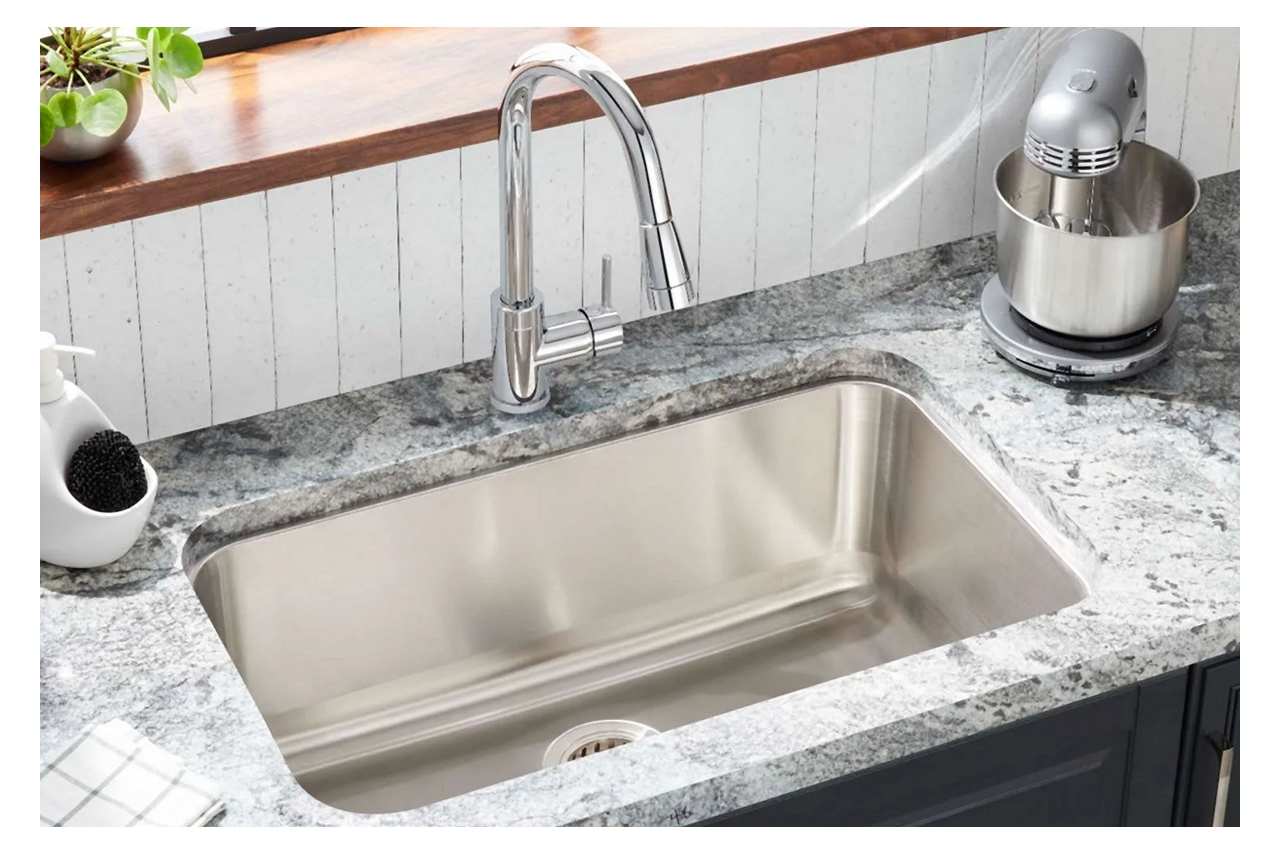
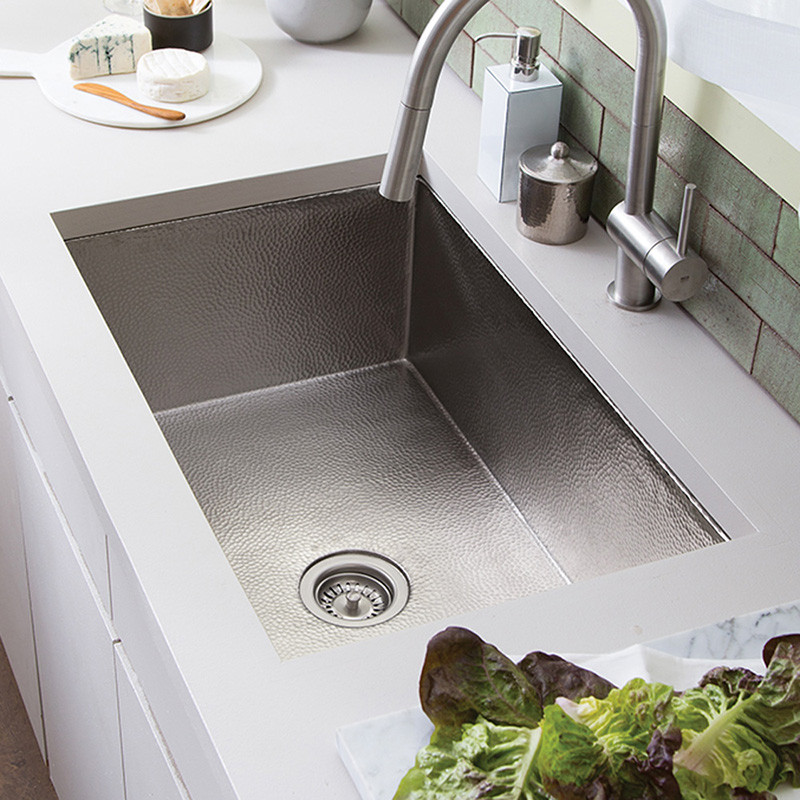
An undermount sink is installed beneath the countertop. The edge of the sink is not visible from above, creating a smooth transition from counter to sink. This style is most often paired with solid surfaces like granite, marble, or quartz.
In contrast, a drop-in sink (also called top-mount or self-rimming) sits on top of the counter, with a visible lip resting on the surface.
Benefits Of Undermount Sinks
1. Sleek, Modern Appearance
One big reason people love undermount sinks is their clean, seamless look. Without a rim on top, the countertop looks bigger and more open. Modern kitchens often use undermount sinks to achieve a minimalist style.
2. Easier Countertop Cleaning
With no lip to catch crumbs or spills, it’s simple to sweep water and food scraps directly into the sink. This is especially helpful for busy kitchens, where quick cleaning matters.
3. Better Use Of Counter Space
Because the rim is hidden, you gain a bit more usable counter area. While it’s not a huge amount, every inch counts in small kitchens.
4. Flexible Sink Shapes And Sizes
Undermount sinks come in many styles—single, double, deep, or wide. This flexibility helps match the sink to your cooking and cleaning habits.
5. Higher Perceived Value
Homes with undermount sinks often look more upscale to buyers. If you plan to sell, this small detail can make your kitchen feel more luxurious.
Drawbacks Of Undermount Sinks
1. Higher Installation Cost
Undermount sinks require more skill and time to install. The countertop must be cut precisely, and the sink needs strong support. This usually means higher labor costs.
2. Limited Countertop Materials
Not all counters work with undermount sinks. Materials like laminate or tile often can’t support this style, while granite, quartz, and solid surface are ideal.
3. Risk Of Water Damage
If the seal between the sink and counter is not perfect, water can leak and cause damage. Over time, moisture can lead to mold or swelling, especially with wooden cabinets.
4. Harder To Replace
Changing an undermount sink means disconnecting plumbing and sometimes removing part of the countertop. With drop-in sinks, replacement is simpler.
5. Needs Regular Maintenance
The seam between sink and counter must be checked and resealed to prevent leaks. Some owners forget this step, leading to costly repairs.
Undermount Vs. Drop-in Sinks: Side-by-side Comparison
Here’s a quick look at how these two types compare:
| Feature | Undermount Sink | Drop-In Sink |
|---|---|---|
| Installation | Complex, needs pro | Simple, DIY-friendly |
| Countertop Cleaning | Easy, no rim | Rim catches dirt |
| Looks | Modern, seamless | Traditional, visible rim |
| Cost | Higher total price | Lower total price |
| Countertop Material | Stone, solid surface | Works with most |
| Replacement | Difficult | Easy |
Cost Breakdown: What To Expect
How much more does an undermount sink cost? Let’s compare typical prices.
| Sink Type | Average Sink Price | Typical Installation Cost | Total Cost Range |
|---|---|---|---|
| Undermount | $200 – $700 | $250 – $600 | $450 – $1300 |
| Drop-In | $60 – $500 | $100 – $300 | $160 – $800 |
These are U. S. averages. Costs may be higher in cities or for special materials. Notice that undermount sinks almost always cost more to install, even if the sink itself is not much more expensive.
Where Undermount Sinks Shine
Modern Kitchen Remodels
If you want a contemporary kitchen look, undermount sinks are hard to beat. They pair beautifully with stone countertops and stainless steel appliances.
Open Plan Spaces
In homes where the kitchen flows into a living area, undermount sinks help keep lines clean and the space feeling open.
Busy Households
If you cook a lot, or have children, the easy cleaning of undermount sinks is a real bonus. You’ll spend less time scrubbing around the edges.
Where Drop-in Sinks Might Be Better
Budget Remodels
If you want to upgrade your sink without changing the countertop, a drop-in is usually the best choice. Installation is faster and cheaper.
Laminate Or Tile Counters
These materials can’t handle the weight or moisture of undermount sinks. Drop-ins are safer and last longer in these cases.
Diy Projects
If you plan to install the sink yourself, drop-ins are much easier. Undermount sinks need special tools and skills to get a good seal.
Real-world Examples
Case 1: A family in Chicago replaced a laminate counter with quartz and chose an undermount sink. They loved the new look and found cleaning much easier. However, the installation cost $400 more than a drop-in would have.
Case 2: A couple in a small apartment kept their drop-in sink when updating cabinets. The project stayed within budget, and they didn’t need to upgrade their old laminate countertop.
Non-obvious Insights For Homeowners
Many people overlook the effect of sink weight. Undermount sinks, especially deep or double-bowl models, are heavier than drop-ins. Make sure your cabinets are strong enough, or ask your installer for extra support.
Another detail: the edge profile of your countertop. With undermount sinks, you can choose a straight edge, a rounded edge, or even a beveled edge. This changes how the counter meets the sink and can affect cleaning and looks.
Common Mistakes To Avoid
- Ignoring countertop compatibility. Not all counters work with undermount sinks.
- Forgetting regular sealing. The seam needs checking every year.
- Choosing the wrong size. Undermount sinks require precise cutouts. Mistakes can be expensive to fix.
- Skipping support brackets. Without proper support, the sink can pull away from the counter over time.
Credit: www.fergusonhome.com
Is An Undermount Sink Better For You?
There’s no universal answer. Consider these questions:
- Is your countertop compatible? (Solid stone or engineered surface)
- Do you value easy cleaning and a modern look?
- Are you willing to pay more for installation?
- Is long-term maintenance OK with you?
If you answered “yes” to most, an undermount sink may be the right choice. If your budget is tight, or you have laminate counters, a drop-in may be smarter.
Maintenance Tips For Undermount Sinks
To get the most from an undermount sink:
- Wipe the seam regularly to keep it dry.
- Check for gaps or cracks in the seal every few months.
- Reseal with silicone as needed.
- Avoid dropping heavy pots in the sink to prevent loosening.
Credit: www.contemporist.com
Environmental Factors
Undermount sinks usually last a long time if installed well. However, if you need to replace your countertop in the future, removal can be tricky and may waste materials. Drop-in sinks are easier to switch out, which can be less wasteful if you like to update your kitchen often.
For more on sink materials and their environmental impact, see this Wikipedia page.
Undermount Sinks In Bathrooms
While most popular in kitchens, undermount sinks also appear in bathrooms. They give vanities a clean look and are easy to wipe down. However, the same installation and maintenance issues apply.
:max_bytes(150000):strip_icc()/double-sink-plumbing-differences-and-how-to-install-5209390-02-4f80d5c8fb654eb08dd30a44b7835f01.jpg)
Credit: www.thespruce.com
Frequently Asked Questions
Is An Undermount Sink Harder To Install Than A Drop-in?
Yes. Undermount sinks need precise cutting, strong support, and a perfect seal. Most people hire a professional, while many drop-in sinks can be installed by handy homeowners.
Can I Use An Undermount Sink With Laminate Countertops?
No, it’s not recommended. Laminate is not strong enough or waterproof enough to support an undermount sink. Water can damage the edges and cause swelling or mold.
How Do I Clean Around An Undermount Sink?
Just wipe crumbs or spills directly from the counter into the sink. For the seam, use a small brush or cloth. Check regularly for mold or mildew, and reseal if you notice gaps.
Do Undermount Sinks Increase Home Value?
They can boost the perceived value of your kitchen, especially with stone countertops. Many buyers see them as a sign of quality, but the value increase depends on your market.
Are There Different Styles Of Undermount Sinks?
Yes. You’ll find single or double bowls, deep or shallow models, and shapes from rectangle to oval. Stainless steel is most common, but porcelain and granite composite options also exist.
Choosing the right sink is a key part of any kitchen or bathroom remodel. By understanding the true benefits and drawbacks of undermount sinks, you can make a choice that fits your needs, style, and budget for years to come.