Skip to content
Choosing a new kitchen sink is not as simple as it seems. For many homeowners, the decision comes down to a classic debate: single bowl vs double bowl kitchen sink. Each option has unique strengths and weaknesses, and the right choice depends on your cooking habits, kitchen size, cleaning style, and even the future resale value of your home. If you are planning a kitchen renovation or building a new home, understanding the differences between these two popular sink types can save you money, time, and frustration.
In this guide, you’ll find a detailed look at the practical aspects of single and double bowl sinks. We’ll explore how they fit into different kitchen layouts, their advantages and disadvantages, and the little things that most people don’t think about until it’s too late—like cleaning routines and plumbing needs.
Whether you’re a passionate home cook or someone who just wants the dishes done quickly, this comparison will help you make a confident, informed decision.
What Is A Single Bowl Kitchen Sink?
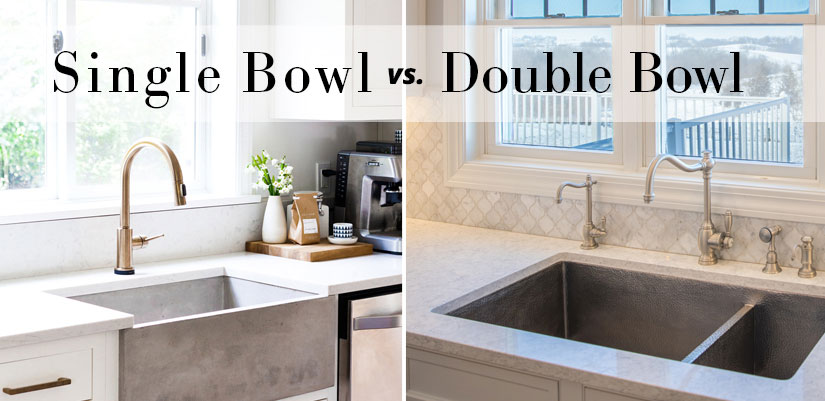
A single bowl sink is exactly what it sounds like—a sink with one large, uninterrupted basin. This style has become more popular in modern kitchens, especially for those who want a clean, minimalist look or have limited counter space.
You’ll often find single bowl sinks in apartments, small homes, and kitchens where space is at a premium. They also come in many sizes and materials, from compact stainless steel models for tiny spaces to deep, farmhouse-style sinks for busy households.
Key Features
- One large, open basin
- No divider in the middle
- Usually ranges from 20 to 36 inches wide
- Available in various shapes (rectangular, square, round)
- Can be under-mount or top-mount
Common Uses
Single bowl sinks are ideal for washing large pots, baking trays, and anything that doesn’t fit in a dishwasher. They’re also easy to clean because there are fewer corners and edges.
What Is A Double Bowl Kitchen Sink?
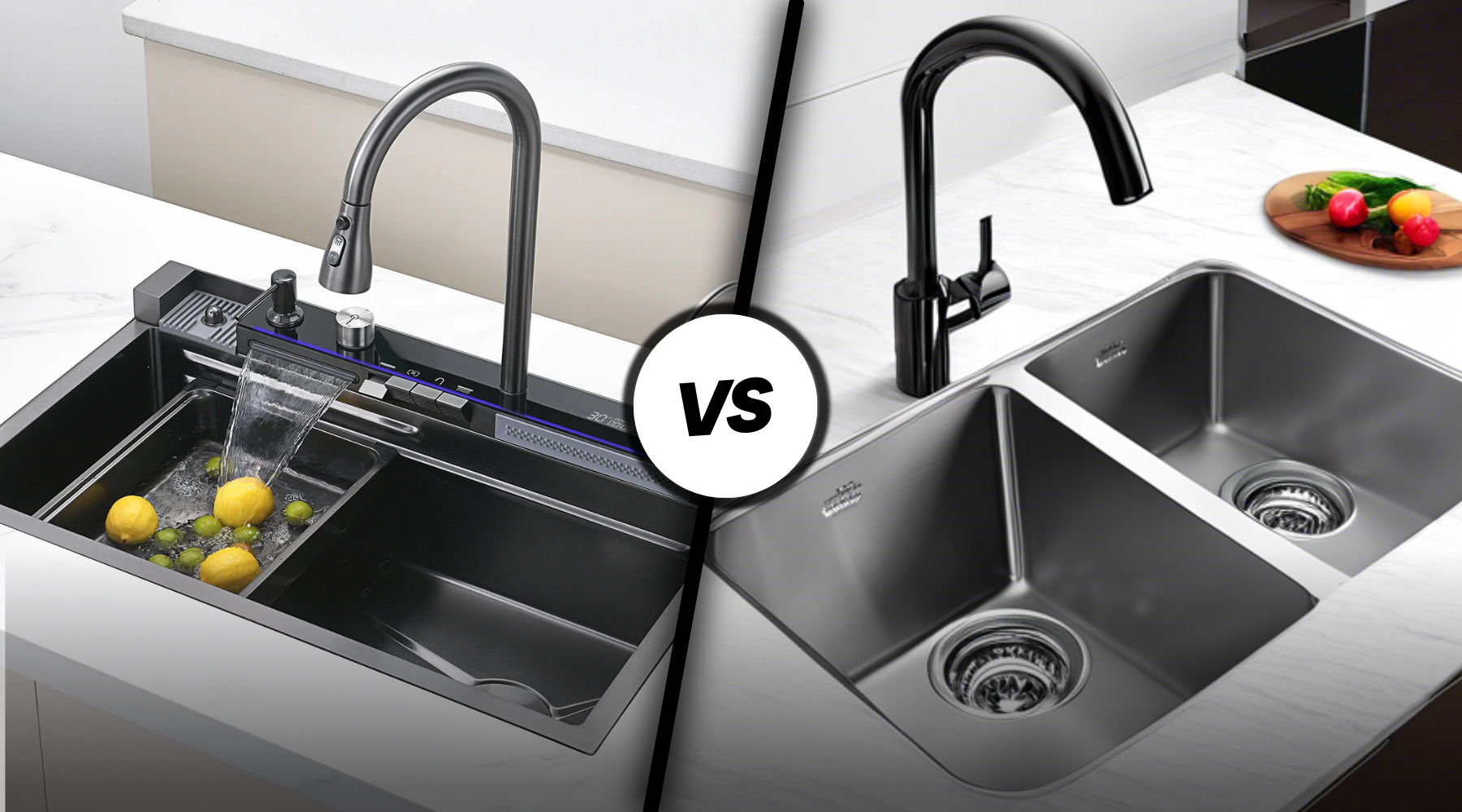
A double bowl sink has two separate basins, usually divided by a partition. The bowls can be the same size or different sizes (for example, one large and one small). This style is a favorite in family homes and kitchens where multitasking is important.
Double bowl sinks have been around for decades, and many people like them because they let you separate tasks—like washing dishes in one bowl and rinsing in the other.
Key Features
- Two basins, divided by a wall
- Can be equal or unequal sizes (e.g., 60/40 split)
- Typically range from 30 to 36 inches wide
- Available in many materials (stainless steel, composite, porcelain)
- Can be under-mount, top-mount, or farmhouse style
Common Uses
Double bowl sinks are useful if you wash dishes by hand or want to use one side for food prep and the other for cleanup. They also make it easy to soak items in one bowl while keeping the other free.
Credit: www.sinkple.com
Single Bowl Kitchen Sink: Advantages
Choosing a single bowl kitchen sink offers several benefits that are easy to overlook, especially for modern lifestyles.
1. More Space For Big Items
A single, open basin means you can easily fit large pans, baking sheets, and awkward-shaped pots. If you cook often or host gatherings, this extra space can make cleanup faster and less frustrating.
2. Simpler Cleaning
With only one basin and no divider, there are fewer corners for grime to collect. Wiping down a single bowl sink is usually quicker and easier, which is a real plus for busy kitchens.
3. Better For Small Kitchens
If your kitchen is tight on space, a single bowl sink takes up less room on the countertop. It can also free up space below for storage or a garbage disposal.
4. Modern, Minimalist Look
Many homeowners prefer the sleek appearance of a single bowl sink. It works well with modern kitchen designs and can even make a small kitchen feel more open.
5. Flexible Installation
Single bowl sinks are available in many sizes, making them versatile for different cabinet widths. You can find compact models for tiny spaces or deep, farmhouse-style versions for large kitchens.
Single Bowl Kitchen Sink: Disadvantages
While there are many positives, single bowl sinks are not perfect for everyone.
1. Less Task Separation
With only one basin, it’s harder to separate tasks like washing and rinsing or soaking and prepping food. This can be a problem if you hand-wash a lot of dishes.
2. Water Use
If you like to fill the sink with soapy water for washing, you’ll need to use more water to fill a large single bowl compared to filling just one side of a double bowl.
3. No Backup Bowl
When the sink is full of dirty dishes, you lose the ability to use a second bowl for other tasks, such as draining pasta or washing vegetables.
Double Bowl Kitchen Sink: Advantages
A double bowl kitchen sink is popular for a reason. Its design brings unique benefits, especially for families or those who prefer traditional dishwashing routines.
1. Task Separation
The biggest advantage is the ability to separate tasks. One bowl can hold soapy water for washing, while the other can be used for rinsing or soaking.
2. Multitasking
You can use one bowl for food prep (like rinsing vegetables) and the other for dirty dishes, making kitchen work more organized and hygienic.
3. Efficient Hand Washing
For those who don’t use a dishwasher, the double bowl setup is convenient. You can fill one side with soapy water and the other with clean water for easy rinsing.
4. Reduces Cross-contamination
Keeping raw meat or dirty dishes separate from other food items is easier. This is especially useful for families with young children or anyone with food safety concerns.
5. Backup Bowl
If one side is occupied (for example, full of soaking dishes), you still have another bowl available for other tasks.
Double Bowl Kitchen Sink: Disadvantages
Despite their popularity, double bowl sinks have some drawbacks that are easy to miss until you use one daily.
1. Less Space For Large Items
Each bowl is smaller than a single bowl of the same width, making it harder to wash large pots or pans. You may have to turn items at odd angles to fit them in.
2. More Edges To Clean
The partition and extra edges can collect grime and require more effort to keep spotless.
3. Can Look Busy
For those who like a minimalist kitchen, a double bowl sink can appear more cluttered.
4. Takes Up More Counter Space
Double bowl sinks usually require a larger cabinet and more countertop width, which might not work in small kitchens.
5. Plumbing Complexity
Some double bowl sinks need more complex plumbing, especially if you want to install a garbage disposal on both sides.
Side-by-side Comparison: Single Bowl Vs Double Bowl
To help you quickly see the differences, here’s a direct comparison between the two sink types:
| Feature | Single Bowl Sink | Double Bowl Sink |
|---|---|---|
| Space for Large Items | Excellent | Limited |
| Task Separation | Poor | Excellent |
| Ease of Cleaning | Easy | Requires more effort |
| Best For | Small kitchens, big cookware | Hand washing, multitasking |
| Space Needed | Less | More |
Real-life Examples: Which Sink Suits Your Home?
To see how these sinks perform in daily life, consider these common scenarios:
Example 1: Busy Family Kitchen
A family of four who cooks most meals at home and often washes dishes by hand will likely benefit from a double bowl sink. The ability to soak, wash, and rinse at the same time makes cleanup less stressful. If you have kids helping with chores, separating tasks keeps things organized and sanitary.
Example 2: Small Apartment Kitchen
A single person living in a small apartment with little counter space may find a single bowl sink more practical. It saves space, is easy to clean, and allows large pots to be washed without splashing water everywhere.
Example 3: Home Chef With Dishwasher
If you mostly use a dishwasher and only need the sink for prepping food or washing the occasional pan, a single bowl sink offers simplicity and more room for big items.
Example 4: Large Family With Frequent Entertaining
For those who love hosting parties and preparing big meals, a double bowl sink makes multitasking easier. You can have one side dedicated to dirty dishes and the other ready for rinsing glasses or prepping ingredients.
Credit: nativetrailshome.com
Hidden Factors Most People Forget
Many homeowners focus on size and appearance, but there are less obvious factors that can make a big difference:
- Depth: Deeper sinks (8–10 inches) hold more dishes but can strain your back if you’re short or do a lot of washing.
- Material: Stainless steel is durable and easy to clean, but porcelain and composite sinks can add style and color.
- Accessories: Some sinks come with built-in cutting boards, drying racks, or colanders. Single bowls usually fit more accessories, but double bowls can support multi-task setups.
- Garbage Disposal: Easier to install on a single bowl. With double bowls, you may need to choose which side gets the disposal.
- Resale Value: In some markets, double bowl sinks are seen as more desirable, but modern buyers are increasingly open to large single bowl sinks, especially with the rise of dishwashers.
Data: Kitchen Sink Preferences In Modern Homes
Recent surveys reveal changing trends in kitchen sink choices. According to a 2023 report by the National Kitchen & Bath Association:
- 53% of new kitchens installed a single bowl sink
- 41% preferred double bowl sinks
- 6% chose other configurations (triple bowl, integrated drainboards, etc.)
The main reasons for choosing a single bowl were ease of cleaning and better fit for large cookware. Double bowl fans valued multitasking and task separation.
Cost Comparison: Single Bowl Vs Double Bowl
Costs can vary widely based on material, brand, and installation type. Here’s a general price comparison:
| Sink Type | Average Cost (including installation) |
|---|---|
| Single Bowl | $200 – $600 |
| Double Bowl | $300 – $900 |
Note: Custom materials (like granite or copper) and farmhouse styles can increase costs for both types.
How To Choose The Right Sink For Your Kitchen
Selecting between a single bowl and double bowl sink is about more than just style. Here are practical steps to make the best choice:
- Measure Your Space: Check your cabinet size and countertop area to see what will fit comfortably.
- Think About Your Habits: Do you mostly use a dishwasher? Go for a single bowl. Wash dishes by hand? Consider a double bowl.
- Consider Future Needs: If you plan to sell your home, research what’s popular in your area.
- Check Plumbing Requirements: Double bowl sinks may need more complex plumbing, which can add to installation costs.
- Test Accessories: Try out drying racks, strainers, and cutting boards with your chosen sink to see what fits your workflow.

Credit: www.creategoodsinks.com
Common Buyer Mistakes To Avoid
Even experienced homeowners can make mistakes when choosing a kitchen sink. Watch out for these:
- Ignoring Depth: Too deep or too shallow can both be uncomfortable.
- Not Considering Faucet Reach: Some sinks require special faucets to reach both bowls.
- Forgetting About Garbage Disposal: Not all sinks are equally easy to fit with a disposal.
- Overlooking Maintenance: More edges and corners mean more cleaning.
- Choosing Style Over Function: A beautiful sink isn’t helpful if it doesn’t suit your routine.
Expert Tips For Installation And Maintenance
- Hire a Pro for Plumbing: Especially for double bowl sinks—avoid leaks and drainage issues.
- Seal Edges Well: Prevents water damage to cabinets.
- Clean Regularly: Use mild soap and non-abrasive pads to avoid scratching.
- Avoid Harsh Chemicals: These can damage finishes, especially on composite or porcelain sinks.
- Inspect Accessories: Make sure cutting boards and racks are made for your sink’s size and shape.
Frequently Asked Questions
What Size Kitchen Sink Is Best For Most Homes?
For most families, a 30–33 inch wide sink is a good balance. A single bowl in this size can handle big pots, while a double bowl fits most cabinets.
Can I Install A Garbage Disposal In Both Bowls Of A Double Bowl Sink?
Usually, you install a garbage disposal in one bowl only. It’s possible to set up disposals in both, but it adds cost and complexity. Most people only need one.
Which Is Easier To Clean: Single Or Double Bowl Sink?
A single bowl sink is generally easier to clean because it has fewer edges and no divider. Double bowls require more attention to keep corners and the partition spotless.
Do Double Bowl Sinks Require Special Plumbing?
Yes, double bowl sinks often need extra plumbing parts like a second drain or a special trap. This can increase installation costs compared to a single bowl.
Where Can I See More Examples Of Kitchen Sinks In Real Homes?
You can find hundreds of real kitchen sink installations, with photos and reviews, on Houzz.
Whether you choose a single bowl or double bowl kitchen sink, the best option is the one that fits your space, habits, and cleaning style. Take time to consider all the details—not just the look—and you’ll enjoy a kitchen that works beautifully for years to come.