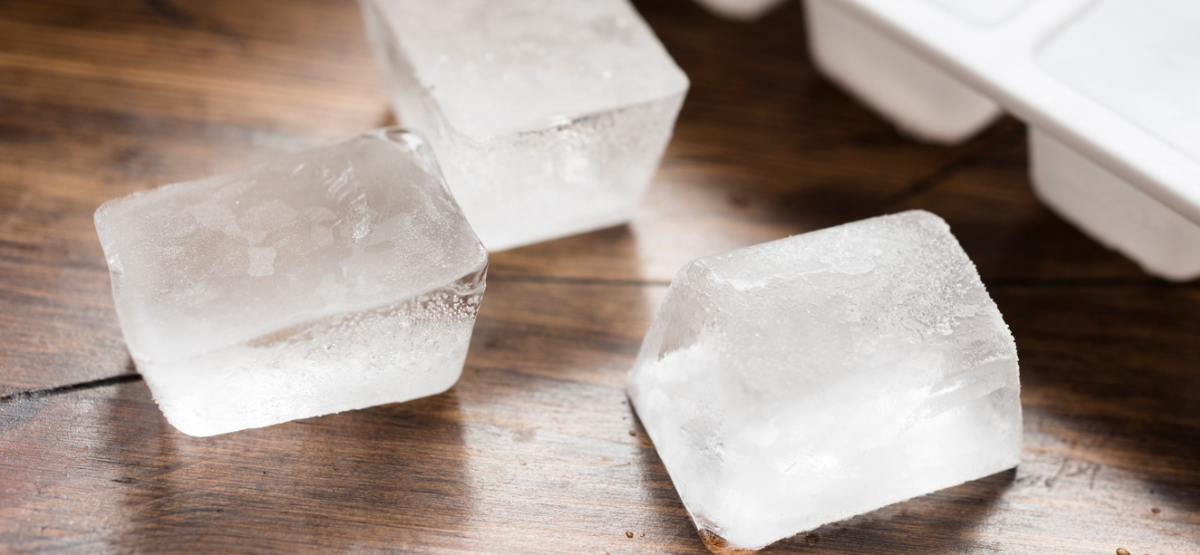
Cloudy ice cubes are a common issue for many people using ice makers at home. You may fill your glass expecting clear, sparkling ice, but instead find cloudy, white cubes floating in your drink. While it’s usually harmless, cloudy ice can be unappealing and sometimes makes you question the quality of your water or machine. The good news is, you can fix cloudy ice cubes with the right knowledge and steps.
This article will guide you through all the essential points: why ice turns cloudy, how to get clear ice, and what to do if your ice maker keeps producing cloudy cubes.
Why Ice Cubes Turn Cloudy
Understanding why your ice is cloudy is the first step to fixing it. Most cloudy ice is caused by trapped air and impurities in the water. When water freezes quickly, air bubbles and minerals get trapped in the middle, creating that cloudy look. Here are the main reasons:
- Fast freezing: Home ice makers freeze water from the outside in, trapping air and minerals in the center.
- Minerals in water: Hard water, which has a lot of minerals like calcium, leads to more cloudiness.
- Impurities: Chlorine, sediment, and other particles can also get trapped.
- Air bubbles: Dissolved air in water forms bubbles as the water freezes.
Professional ice makers in bars and restaurants use special techniques to freeze water slowly, layer by layer, pushing out air and impurities. Most home ice makers don’t do this, but you can improve your results with a few simple steps.
How To Make Clear Ice Cubes At Home
You don’t need an expensive machine to get clear ice cubes. Here are practical steps to try at home:
1. Use Filtered Water
Filtered water has fewer minerals and impurities. If your tap water is hard or tastes odd, it will likely make cloudy ice. Install a water filter for your ice maker, or use bottled water.
2. Boil Your Water First
Boiling water removes most of the dissolved air. For best results:
- Boil water and let it cool.
- Boil it a second time.
- Let it reach room temperature before freezing.
This process pushes out air that causes cloudiness.
3. Use Directional Freezing
Directional freezing is a technique that freezes water from one direction, pushing air and impurities to one end. Here’s a simple way to try it:
- Place your ice tray inside a small cooler (like a lunch box) with the lid off.
- Fill with boiled, filtered water.
- Put the cooler in the freezer with the top open.
- The ice will freeze from the top down, pushing air to the bottom.
After a few hours, remove the ice and cut off the cloudy part at the bottom. You’ll have mostly clear ice cubes.
4. Keep Your Freezer At The Right Temperature
If your freezer is too cold, water freezes too quickly. Set your freezer to around 0°F (-18°C). This allows the ice to freeze a bit slower, which helps make clearer cubes.
5. Clean Your Ice Maker Regularly
Mineral build-up and dirt inside the ice maker can lead to cloudy ice. Clean your machine every few months:
- Unplug the ice maker.
- Remove all ice and trays.
- Wash with warm water and mild soap.
- Rinse and dry before using again.
Regular cleaning prevents old minerals and dirt from getting into your ice.
Troubleshooting Common Problems With Cloudy Ice
Even with the right steps, sometimes ice still turns cloudy. Here’s a comparison of the most common causes and their solutions:
| Problem | Likely Cause | Solution |
|---|---|---|
| Cloudy ice despite using filtered water | Fast freezing or old filter | Replace filter, try slower freezing |
| Ice with white spots | Mineral deposits | Use distilled water, clean ice maker |
| Strange taste or smell | Dirty ice maker, freezer odors | Clean ice maker, store food in sealed containers |
| Cloudy only in the middle | Trapped air | Boil water before freezing |
Knowing these solutions helps you target the real cause, not just guess.
Comparing Water Types For Ice Clarity
The type of water you use makes a big difference. Here’s a quick comparison:
| Water Type | Clarity | Notes |
|---|---|---|
| Tap water (hard) | Poor | High minerals, more cloudiness |
| Filtered water | Better | Removes some impurities |
| Distilled water | Best | Almost no minerals, very clear ice |
| Bottled water | Good | Depends on brand and source |
If you want the clearest ice, distilled water is usually the best choice, especially for special occasions.

Credit: www.youtube.com
Extra Steps For Built-in Ice Makers
Many fridges have built-in ice makers. These machines have their own water lines and filters. To get clearer ice:
- Replace the filter as recommended (usually every 6 months).
- Flush the water line after changing the filter. Run a few batches of ice and throw them away.
- Check the water pressure—low pressure can cause problems with ice formation.
- Clean the ice bin and ice maker parts to remove old ice and mineral deposits.
- If your fridge has a “fast ice” setting, turn it off. Fast freezing usually causes more cloudy cubes.
Some newer refrigerators have settings for “clear ice” or “gourmet ice. ” These models use directional freezing inside the machine, giving you bar-quality ice at home.
Avoiding Common Mistakes
People often make small mistakes that keep their ice cloudy, even after trying to fix it. Here are some to watch for:
- Not cleaning the ice maker: Old ice and mineral build-up will keep making ice cloudy.
- Using water straight from the tap: Even if your tap water tastes good, it often has minerals that cloud ice.
- Freezing too quickly: Filling the ice tray and putting it in the coldest part of the freezer makes ice freeze fast, trapping air.
- Ignoring the freezer temperature: If it’s too cold, ice forms too quickly.
- Neglecting the water line: Sediment and buildup in your fridge’s water line can cause cloudiness.
- Not boiling water: Skipping this step means more trapped air.
Non-obvious tip: If you’re making ice for a party, make it a day in advance and keep it in a sealed bag in the freezer. This gives time for any extra air to escape, and the ice stays clearer.

Credit: www.euhomy.com
When To Call A Professional
If you’ve tried all the steps and your ice is still cloudy, your ice maker might need service. Signs you need help:
- Ice is always cloudy, even with distilled water.
- Ice tastes bad, even after cleaning.
- Ice maker is slow or stops working.
A technician can check for problems with the water valve, filter system, or freezer settings.
The Science Behind Clear Ice
Clear ice is not just about looks. Air and impurities trapped in ice make it melt faster and dilute drinks quickly. Clear ice is denser, melts slower, and keeps your drinks tasting better. That’s why bars and restaurants use special machines for clear ice.
You can get similar results at home with the right methods.
One thing many people don’t realize: even city water that’s safe to drink can have enough minerals or chlorine to cloud your ice. Water quality changes seasonally, so your results can vary throughout the year.
Practical Tips For Perfect Ice Every Time
- Use distilled or filtered water for best results.
- Boil water, let it cool, then freeze.
- Try directional freezing with a cooler for the clearest cubes.
- Clean your ice maker regularly.
- Avoid freezing in a rush.
- Store ice in a sealed bag to keep it clear and odor-free.
For those who want the ultimate clear ice, there are special molds and countertop machines that use directional freezing. These can be found online or in specialty stores. While not necessary, they can make the process easier.
Frequently Asked Questions
What Causes Cloudy Ice Cubes In My Ice Maker?
Cloudy ice is usually caused by air bubbles and minerals trapped during fast freezing. Most home ice makers freeze water quickly, so air and impurities get trapped in the center, making the ice look cloudy.
Can I Use Bottled Water To Make Clear Ice?
Yes, bottled water often makes clearer ice than tap water. However, results depend on the brand and water source. For the clearest ice, use distilled water or filter your water and boil it before freezing.
Credit: www.memphisice.com
How Often Should I Clean My Ice Maker?
Clean your ice maker at least every 3-6 months. If your ice tastes or smells odd, or if you notice cloudier ice than usual, clean it more often. Follow the manufacturer’s instructions for best results.
Is Cloudy Ice Safe To Use?
Yes, cloudy ice is usually safe. The cloudiness comes from air and minerals that are already in your water. If you notice a bad taste or strange smell, clean your ice maker and check your water source.
Are There Machines That Make Clear Ice At Home?
Yes, some countertop and built-in ice makers use directional freezing to make clear ice. These are more expensive but can produce bar-quality ice. For more information, see this Wikipedia page on ice cubes.
Clear ice is a sign of pure water and good technique, but cloudy ice is not a health risk. With the right steps, you can upgrade your drinks at home and enjoy crystal-clear cubes every time. Try these methods, and you’ll be surprised how much better your ice can look—and taste.