Skip to content
When your ice maker freezes up, it can be frustrating. You expect a cold drink, but instead, you find a block of ice or no ice at all. This is a common issue in many homes, and you are not alone.
The good news is, most ice maker freezing problems can be solved at home with a bit of knowledge and the right steps. This article will guide you through the main causes, how to fix them, and what you can do to prevent the problem in the future.
You will also find answers to some of the most common questions at the end.
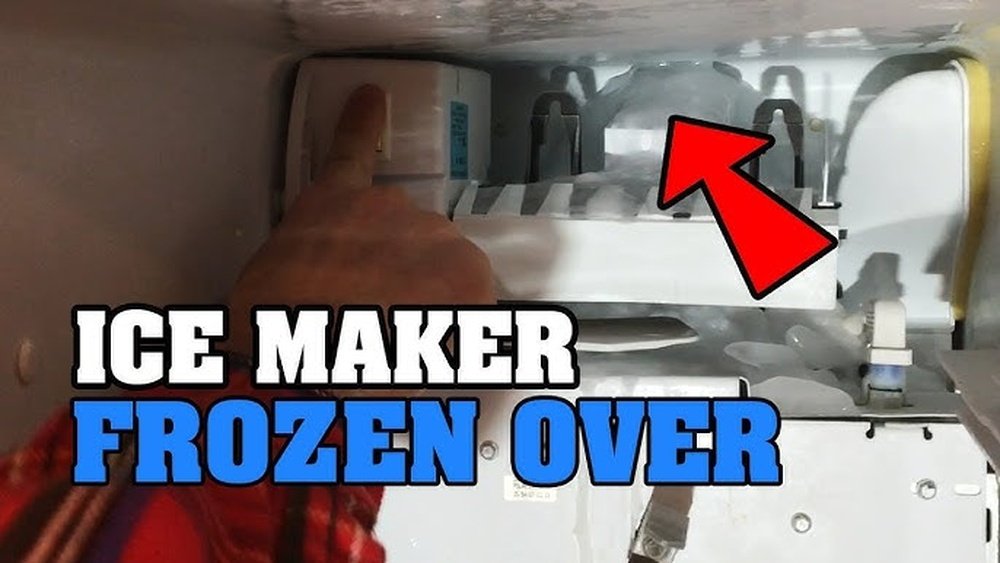
Why Ice Makers Freeze Up
Ice makers seem simple, but several things can go wrong. Before you try to fix your ice maker, it helps to understand why it freezes up.
Common Causes
- Clogged water line: When the water line is blocked, water can’t flow as it should. This can lead to ice building up in the wrong places.
- Faulty water inlet valve: If the valve does not close completely, water leaks into the ice maker and freezes.
- Incorrect temperature settings: If your freezer is too cold, the ice maker can freeze solid.
- Defective thermostat or sensor: A faulty thermostat may not control the temperature correctly.
- Ice stuck in the ejector arm: Pieces of ice can get stuck, blocking new ice from forming or causing overflows.
- Water filter issues: A dirty or old filter slows water flow, leading to freezing problems.
- Low use: If you don’t use ice often, old ice can clump together and freeze up the system.
How To Spot The Problem
Signs your ice maker is freezing up include:
- No ice coming out
- Solid block of ice in the tray or bin
- Odd noises from the freezer
- Ice cubes stuck together
Step-by-step Guide To Fixing A Frozen Ice Maker
You don’t always need a professional. Here are the practical steps to get your ice maker working again.
1. Turn Off The Ice Maker
For safety, always unplug the refrigerator or turn off the ice maker before you start. This stops the ice maker from running while you work.
2. Remove The Ice Bin
Take out the ice bin and inspect it. If there’s a block of ice, let it melt. You can use warm water to speed up the process, but never use sharp tools.
3. Check For Ice Jams
Look inside the ice maker for any ice stuck in the ejector arm or chute. Remove any chunks carefully.
4. Inspect The Water Line
A blocked water line is a common cause of freezing. Disconnect the water line (follow your manual for the safe way to do this) and check for ice or debris inside.
Thawing The Water Line
If you find ice, use a hair dryer on a low setting to gently thaw the line. Keep the dryer moving and don’t overheat any area.
5. Check The Water Inlet Valve
The water inlet valve controls water flow. If it’s faulty, you may see drips or leaks. Replace the valve if it does not shut off properly.
6. Clean Or Replace The Water Filter
A clogged filter can cause low water flow, leading to freezing. Replace the filter if it’s old or dirty. Most filters need changing every 6 months.
7. Adjust Freezer Temperature
Set your freezer to the right temperature: 0°F (-18°C) is ideal. If it’s colder, the ice maker may freeze up.
8. Test The Thermostat And Sensors
If the ice maker still freezes up, the thermostat or sensors might be defective. You may need a multimeter to test these parts for continuity. If you’re not sure, call a technician.
9. Reassemble And Test
Put everything back. Plug in the fridge, turn on the ice maker, and wait a few hours to see if it makes ice properly.
Comparing Main Causes And Solutions
To make it clearer, here is a comparison of typical causes and the best fixes:
| Cause | How to Fix | Difficulty |
|---|---|---|
| Clogged water line | Thaw line, clear debris | Easy |
| Faulty inlet valve | Replace valve | Medium |
| Wrong temperature | Adjust freezer setting | Easy |
| Dirty water filter | Replace filter | Easy |
| Thermostat issue | Test and replace | Medium/Expert |
Preventing Your Ice Maker From Freezing Up
It’s easier to prevent problems than to fix them. Here’s what you can do to keep your ice maker running smoothly.
1. Regularly Change The Water Filter
Old filters reduce water flow and cause freezing. Mark your calendar to change the filter every 6 months.
2. Use Your Ice Maker Frequently
If you rarely use ice, run the ice maker at least once a week. This keeps water moving and prevents ice from clumping.
3. Keep The Freezer At The Right Temperature
Set your freezer to 0°F (-18°C). Check the temperature with a thermometer for accuracy.
4. Defrost The Freezer When Needed
If you see frost building up, defrost the freezer. Too much frost affects how the ice maker works.
5. Clean The Ice Bin And Parts
Wash the ice bin with warm, soapy water every month. Wipe down the ice maker parts with a damp cloth. This stops mold and keeps ice tasting fresh.
6. Check The Water Line For Kinks
Make sure the water line is straight and not pinched behind the fridge. A kinked line slows water and leads to freezing.
7. Schedule A Yearly Maintenance Check
Have a technician check your ice maker once a year, especially if you notice repeated problems.

Credit: www.hillcountryrepairs.com
Ice Maker Types And How Freezing Issues Differ
Not all ice makers are the same. The way they freeze up can vary based on the type you have.
| Ice Maker Type | Common Freezing Issues | Special Fixes |
|---|---|---|
| Built-in (in-freezer) | Ice blocks in bin, jammed ejector arm | Check arm and bin, adjust freezer temp |
| Countertop | Water line freezing, stuck cubes | Regular cleaning, keep at room temp |
| Under-counter | Drain line freezing | Check drainage, defrost regularly |
Advanced Tips For Persistent Problems
Sometimes, basic fixes are not enough. Here are expert-level suggestions for tough cases.
Insulate The Water Line
If your kitchen is cold, the water line may freeze easily. You can wrap the line with pipe insulation to keep it warm. This is especially useful in basements or garages.
Check The Door Seal
A poor freezer door seal lets in warm air, causing frost buildup. Clean the seal and check for cracks. Replace if damaged.
Replace The Ice Maker Module
If your ice maker keeps freezing up and all else fails, the module may be faulty. Replacing it can solve deep electrical or mechanical issues.
Install A Water Line Heater
In rare cases, you can add a water line heater. This device gently warms the line to stop freezing, but it’s best installed by a professional.
Real-world Example
A family in Minnesota noticed their ice maker froze every winter. They tried changing the filter and adjusting the temperature, but the problem continued. After some research, they found the water line behind the fridge was against an outside wall.
By adding pipe insulation and moving the fridge two inches away from the wall, the freezing stopped for good. This shows how small changes in placement and insulation can make a big difference.
Common Mistakes To Avoid
Many people make the same errors when trying to fix their ice maker. Here’s how to avoid them:
- Using sharp tools to chip ice: This can damage the ice maker and cause leaks.
- Ignoring the water filter: Old filters are often the cause of freezing and poor ice quality.
- Setting the freezer too cold: Lower is not always better. Stick to 0°F.
- Forgetting to plug the fridge back in: After repairs, double-check that everything is connected.
- Skipping regular cleaning: Mold and debris can block moving parts and water flow.
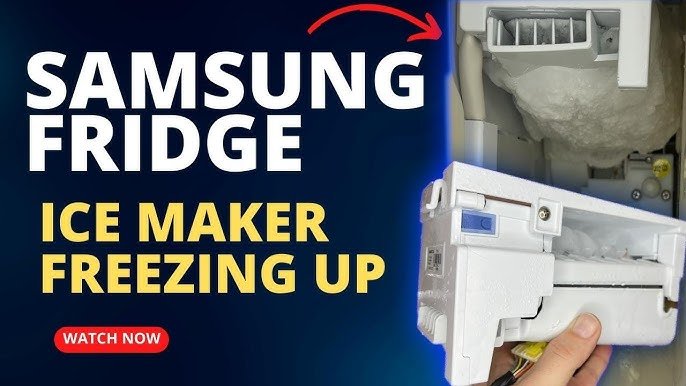
Credit: www.youtube.com
Quick Troubleshooting Table
If your ice maker is still not working, use this quick guide:
| Symptom | Possible Cause | Action |
|---|---|---|
| No ice at all | Blocked line, faulty valve | Clear line, replace valve |
| Ice clumps in bin | Low use, high temp | Empty bin, use ice more often |
| Small ice cubes | Low water flow | Change filter, check line |
| Odd taste or smell | Dirty parts, old filter | Clean, replace filter |
When To Call A Professional
If you have tried all the above steps and your ice maker still freezes up, it may be time to call a technician. Electrical faults, broken sensors, or complex valve issues need expert help. Trying to fix these parts yourself can lead to bigger problems or even void your warranty.
If your ice maker is still under warranty, check with the manufacturer before doing any repairs. In some cases, they may send someone for free or at a lower cost.
Frequently Asked Questions
Why Does My Ice Maker Freeze Up So Often?
Frequent freezing usually means there’s a constant problem, like a clogged water line, old filter, or wrong temperature setting. Check each of these areas and follow the steps above to fix the root cause.
Can I Use Hot Water To Melt The Ice In My Ice Maker?
It’s safe to use warm water to melt ice, but avoid boiling water, as it can crack plastic parts. Always remove the ice bin first and never pour water directly into the ice maker while it’s plugged in.
How Often Should I Clean My Ice Maker To Avoid Freezing?
Clean your ice bin and parts once a month. Replace the water filter every 6 months or as the manufacturer suggests. Regular cleaning prevents build-up that leads to freezing.
Is It Normal For Some Frost To Build Up In The Ice Maker?
A small amount of frost is normal, but thick layers or solid ice are not. Too much frost means a problem with temperature, airflow, or water flow.
Where Can I Find More Detailed Repair Guides?
For more in-depth repair instructions, you can visit Family Handyman, which offers step-by-step guides with photos and videos.
Fixing a frozen ice maker is possible with patience and careful steps. By understanding the causes, trying the right solutions, and keeping up with maintenance, you can enjoy fresh ice all year round without frustration.