Microwaves have made cooking and reheating food faster and more convenient than ever. But with that convenience comes a common question: Can you put metal in the microwave? If you’ve ever seen sparks or heard loud noises when metal accidentally made its way into your microwave, you know this is a topic worth understanding. The answer isn’t as simple as “never” or “always”—and knowing the details can keep your kitchen safe and your appliances working longer.
Many people have heard stories or warnings from friends and family about metal in the microwave. Some say it will destroy your microwave instantly, while others use metal-trimmed plates without any issue. To clear up the confusion, let’s explore how microwaves interact with metal, what really happens when you microwave different types of metal objects, and what guidelines you should follow to avoid accidents.
We’ll also look at the science behind those dramatic sparks and the rare times when metal might actually be safe. By the end, you’ll know exactly what to do when you’re faced with a forgotten fork on your plate or a meal wrapped in foil.
How Microwaves Work
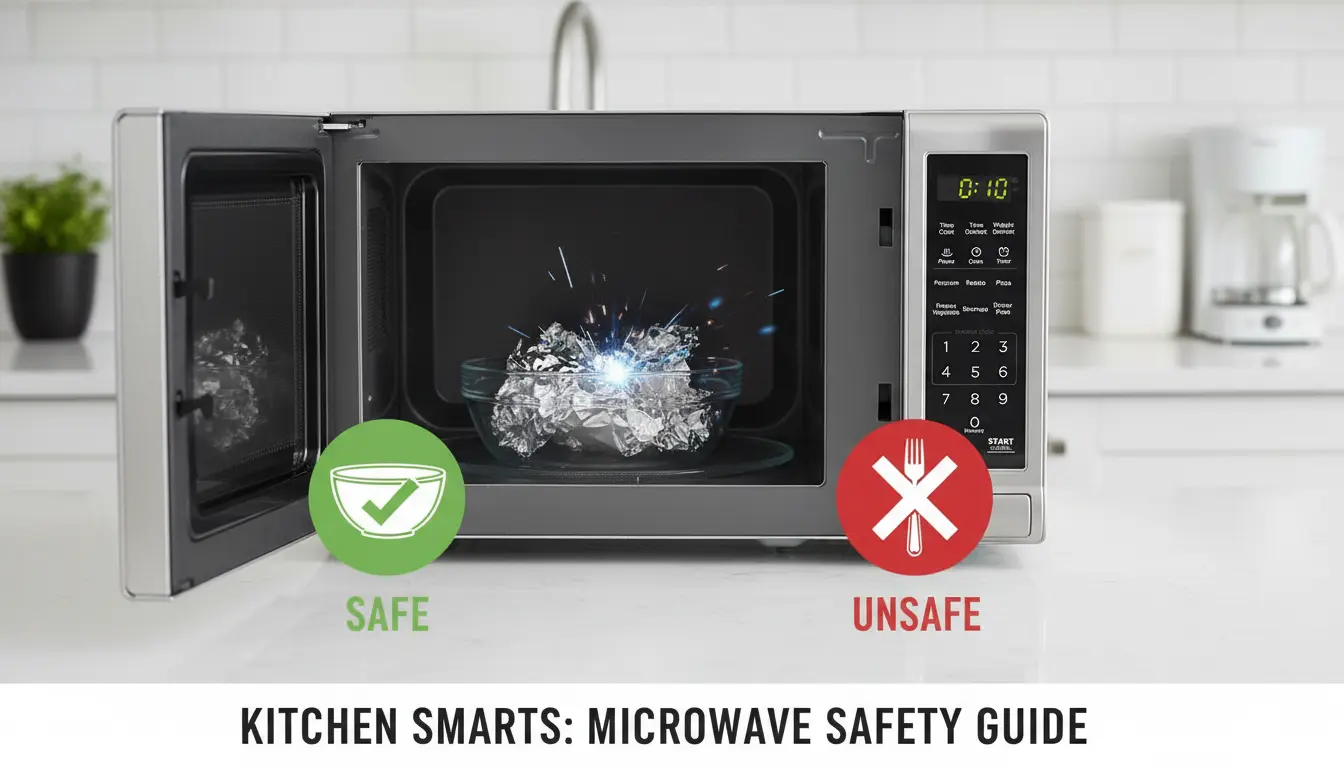
To understand why metal in the microwave is risky, it helps to know how a microwave oven functions. At the core of every microwave is a device called a magnetron. This part generates microwaves—high-frequency radio waves—that bounce around inside the oven. These waves are absorbed by water, fat, and sugar molecules in your food, making them vibrate and heat up quickly.
But microwaves don’t heat every material the same way. Glass, ceramic, and some plastics let microwaves pass through, which is why they’re safe for microwave use. Food absorbs the energy and gets hot, while the container usually remains cooler. Metal, however, behaves differently.
What Happens When You Put Metal In The Microwave
Reflection And Sparks
Metal reflects microwaves instead of absorbing them. When you put a piece of metal inside, the microwaves bounce off its surface. This reflection can cause several problems:
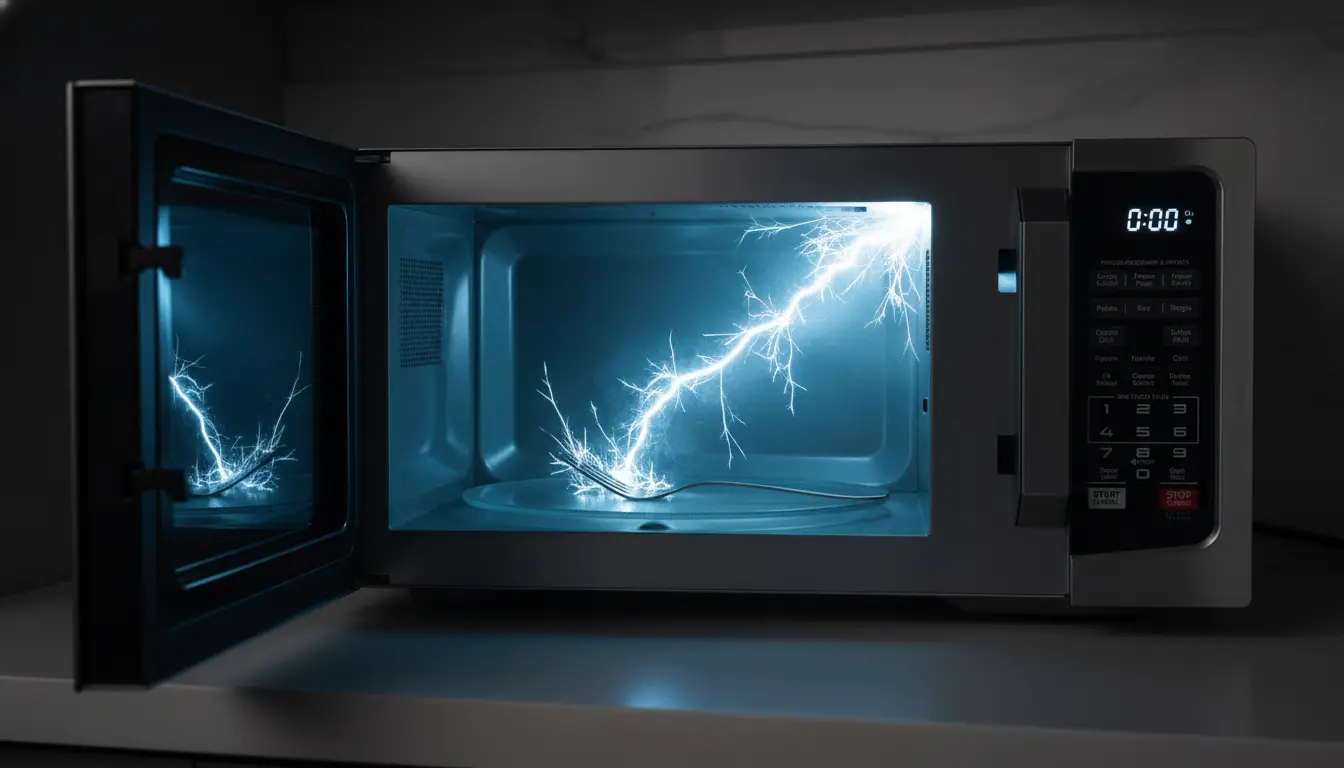
- Arcing (Sparking): If the metal has sharp edges or points (like a fork), the electric field can become very strong at those points. This can create sparks—called arcing—which may ignite food or even damage your microwave.
- Fire Risk: Sparks can ignite grease or bits of food, leading to a fire.
- Damage to the Magnetron: If the microwaves can’t be absorbed by food, they may bounce back into the magnetron, causing it to overheat and fail.
Types Of Metal Objects
Not all metal objects are equally dangerous in the microwave. Some are more likely to cause problems than others. Here’s a breakdown:
| Metal Object | What Happens in Microwave | Risk Level |
|---|---|---|
| Forks, Spoons, Knives | Sparks, possible fire | High |
| Aluminum Foil (crumpled) | Arcing, possible fire | High |
| Aluminum Foil (flat, small) | May be safe briefly | Medium |
| Metal-trimmed Plates | Sparks at trim | Medium-High |
| Metal Travel Mugs | No heating, risk of fire | High |
| Microwave-safe Metal Racks | Usually safe (special design) | Low |
Why Metal Causes Arcing And Sparks
How Electric Fields Build Up
When microwaves hit a metal object, they create electric currents on the surface. If the metal is smooth and rounded (like a spoon), the current can flow safely with little effect. But at sharp edges or thin points, the electric field becomes concentrated. This can ionize air nearby, causing electrons to jump—the visible spark you see.
The Role Of Shape And Thickness
The shape of the metal matters. Flat, smooth pieces (like a clean, flat tray) are less likely to cause sparks than wrinkled foil or a fork. Thin metal can heat up quickly and even melt or burn, while thick, solid pieces tend to reflect microwaves without getting hot.
Even so, thick metal can still cause arcing if it’s too close to the microwave’s walls.
The Myth Of “microwave Explosions”
Stories about microwaves “exploding” are usually exaggerated. Most modern microwaves have safety features that shut them off if arcing is detected. However, repeated sparks can damage the interior, especially the waveguide cover (the part that directs microwaves). Over time, this can cause the oven to fail.
Exceptions: When Is Metal Safe In The Microwave?
Microwave-safe Metal Racks
Some microwaves come with metal racks for multi-level cooking. These racks are specially designed with rounded edges and specific metal types. The racks usually sit in plastic holders, keeping them from touching the oven walls. As long as you follow the manufacturer’s instructions, these racks are safe to use.
Small Amounts Of Flat Foil
Many microwave meal instructions say you can use a small, flat piece of aluminum foil to shield parts of food from overcooking (like chicken wings or pie crusts). This is usually safe if:
- The foil is less than one inch thick
- It’s kept flat and smooth
- It doesn’t touch the oven walls
- Only a small area is covered
Commercial Packaging
Some frozen meals come in packaging with metallic liners or susceptors (special metal-coated paper). These are tested for safety and designed to heat food evenly. Always follow the instructions on the package.
| Situation | Safe Use of Metal | Precautions |
|---|---|---|
| Shielding food with foil | Yes, if flat and small | Keep away from walls |
| Manufacturer’s metal rack | Yes | Follow instructions |
| Commercial microwaveable tray | Yes | Do not reuse |
| Metal utensils or dishes | No | Remove before heating |
What Types Of Metal Should Never Go In The Microwave?
While some metal objects are safe in special situations, others should never be microwaved:
- Twist Ties: They contain a thin wire that sparks easily.
- Crumpled Foil: The wrinkles make sparks almost certain.
- Utensils: Forks, knives, and spoons can all cause arcing.
- Travel Mugs: Most are stainless steel and block heat transfer, making them unsafe.
- Metal Takeout Containers: Even if they look microwave-safe, they can spark or reflect microwaves unevenly.
Microwave Vs. Oven-safe: Why The Difference Matters
Many people think that if a dish is oven-safe, it’s also microwave-safe. This isn’t true. Oven-safe means the dish can handle high temperatures, but not the unique way microwaves heat food. Metal pans, for example, work well in a regular oven but cause problems in a microwave.
Microwave-safe containers are tested to ensure they don’t melt, spark, or leach chemicals. Look for the microwave-safe symbol (usually a wavy line) on dishes and packaging.
Common Mistakes And Myths
Myth 1: “a Little Metal Is Fine Every Time”
Some believe that a small fork or spoon left in the microwave is harmless. In reality, even a small utensil can cause sparks and damage your appliance. Always check for stray metal before heating.
Myth 2: “microwaves Can’t Heat Metal”
It’s true that microwaves don’t heat metal the same way as food, but metal can still get hot from contact with the food or from electrical currents on its surface. Thin foil can become dangerously hot and catch fire.
Mistake: Using Damaged Or Old Microwaves
Older microwaves may not have the same safety features as newer models. If your microwave’s interior is damaged or the waveguide cover is cracked, sparks from metal can cause bigger problems.
Myth 3: “microwave Explosions Are Common”
While rare, a fire can happen if sparks ignite food or grease. Modern microwaves usually shut off automatically if they detect arcing, but this isn’t guaranteed.
Real-world Examples Of Metal In The Microwave
Accidentally Microwaving A Fork
A common accident is forgetting a fork on a plate. The result is usually a burst of sparks, a loud noise, and possibly a burned spot on the plate. If you notice this happening, turn off the microwave immediately and remove the metal once it’s cool.
Heating Food In A Metal Takeout Container
Many takeout containers have a metal bottom. If microwaved, these can block the microwaves, causing uneven heating. Worse, sparks may jump between the container and the microwave’s walls.
Cooking With Foil-wrapped Food
Some people try to reheat sandwiches still wrapped in foil. This almost always leads to sparking and could start a fire. Always remove foil before microwaving.

Credit: blog.black-blum.com
How To Respond If You See Sparks Or Fire
If you accidentally put metal in the microwave and see sparks:
- Turn off the microwave immediately.
- Do not open the door right away if you see flames—wait a few seconds for the fire to suffocate.
- Unplug the microwave if safe to do so.
- Check for damage before using the microwave again.
- Contact a professional if you see burn marks or the appliance isn’t working properly.
Practical Guidelines For Safe Microwave Use
To keep your microwave and kitchen safe, follow these steps:
- Check all dishes and packaging for metal before microwaving.
- Use microwave-safe containers—glass, ceramic, or microwave-safe plastic.
- Follow package instructions for ready meals, especially if they mention foil or metallic packaging.
- Never microwave crumpled foil, twist ties, or metal utensils.
- Keep metal racks and special packaging only if designed for your microwave.
- Clean the microwave regularly to avoid grease buildup, which can catch fire if sparks occur.

Credit: www.youtube.com
The Science Behind Microwave-safe Metals
Some advanced microwave ovens and food packaging use microwave-safe metals. These are carefully engineered to avoid sharp edges and control how microwaves are reflected. For example, susceptor packaging in frozen pizzas uses a thin layer of metal to crisp crusts by converting microwaves to heat.
Manufacturers test these materials to make sure they don’t cause arcing or fires. However, these are for single use and should not be reused or repurposed for other foods.
The Dangers Of Reusing Metallic Packaging
It might be tempting to reuse a metal tray or special liner from a microwave meal. This is unsafe. The liner is only tested for the original product, and reusing it could lead to sparks or uneven heating. Dispose of metallic packaging after use.
Comparing Microwave-safe And Unsafe Materials
Understanding which materials are safe can prevent accidents. Here is a quick reference:
| Material | Microwave-Safe? | Notes |
|---|---|---|
| Glass | Yes | Best choice for most foods |
| Ceramic | Yes | Check for metallic trim |
| Plastic | Sometimes | Look for “microwave-safe” label |
| Paper | Yes | Avoid printed inks or recycled paper |
| Aluminum Foil | Rarely | Only flat, small pieces as directed |
| Metal Utensils | No | Remove before use |
| Styrofoam | No | Can melt or release chemicals |
Why Some Commercial Foods Use Metal In The Microwave
Certain packaged foods use metal intentionally. The most common example is a crisping sleeve found in microwave pizzas or sandwiches. This thin metal layer absorbs microwaves and gets hot, browning the crust.
These products are engineered to be safe for a single use. Still, if the packaging is damaged or reused, it can cause sparks. Always follow cooking instructions exactly.
International Guidelines And Recommendations
Countries and organizations set safety standards for microwave ovens and packaging. For example, the U.S. Food and Drug Administration (FDA) tests and regulates microwave safety. They recommend avoiding all metal in the microwave unless the manufacturer’s instructions say otherwise.
Some manufacturers outside the U. S. design microwaves to work with special racks or trays, but these are clearly labeled. If you’re using a microwave in a different country, always check the manual.
For more on the science and safety of microwaves, you can visit the Wikipedia page on microwave ovens.
Frequently Asked Questions
Can I Put A Spoon In The Microwave If It’s In A Cup Of Liquid?
It’s risky. While a spoon in a mug of liquid may not always spark, it can still cause arcing—especially if the spoon touches the microwave’s sides. It’s best to remove all metal utensils before microwaving.
Is It Safe To Microwave Food In Aluminum Foil?
Only if the packaging or recipe specifically says it’s safe, and the foil is flat and doesn’t touch the walls. Never use crumpled foil or cover the entire food item, as this increases the risk of sparks and fire.
What Should I Do If I Accidentally Microwaved Metal?
Turn off the microwave immediately. Wait for any sparks to stop. Check the interior for damage or burn marks. If you see damage, have your microwave checked by a technician before using it again.
Can I Use Metal-trimmed Dishes In The Microwave?
No. Even a thin metallic trim can cause sparks and damage the microwave. Use plain glass or ceramic dishes without any metal decoration.
Why Do Some Microwave Meals Come In Metallic Packaging?
Some meals use special microwave-safe metal packaging to improve cooking results. These are carefully tested and safe for one-time use as directed. Never reuse metallic packaging, and always follow the instructions.
Microwaves make life easier, but safety is crucial—especially when it comes to metal. While it might seem convenient to heat food in its original packaging or with a metal utensil, the risks far outweigh the benefits. Sparks, arcing, and fires can damage your appliance or even your home.
Remember, always use microwave-safe containers, check packaging, and when in doubt, leave the metal out. By following these guidelines, you’ll enjoy quick meals and a safe kitchen for years to come.