There’s something magical about cookies. The warm smell, the gooey center, the crispy edges—they bring comfort and joy to almost anyone. But what if you don’t have an oven? Or maybe you want a quick treat, without waiting half an hour for baking. That’s where the question comes in: Can you make cookies in the microwave? The answer might surprise you.
This guide explores the science, the practical methods, and the common pitfalls of microwaving cookies. Whether you’re a college student, a busy parent, or just someone craving cookies right now, you’ll discover how to make them faster and with less mess.
Why Make Cookies In The Microwave?
When you think of cookies, you probably imagine baking trays and a hot oven. But microwaving cookies is not just a shortcut—it’s sometimes a necessity. Here are a few reasons people turn to the microwave:
- Speed: You can have a cookie ready in less than five minutes.
- Convenience: No preheating, no baking trays, no waiting.
- Space-saving: Ideal for small apartments, dorm rooms, or offices.
- Energy efficiency: Microwaves use much less energy than ovens.
- Single servings: You can make just one or two cookies, avoiding leftovers.
Microwave cookies aren’t just a last resort. For some, they’re the preferred method, especially when cravings strike late at night or when you’re short on time.
The Science Behind Microwave Cookies
Microwaves cook food differently from ovens. Understanding this can help you make better cookies.
- How Microwaves Work: Microwaves use electromagnetic waves to heat water molecules inside food. This causes the food to heat up quickly, often from the inside out.
- Oven vs. Microwave: Ovens use dry heat to bake, creating browned, crispy edges. Microwaves don’t brown food, so cookies stay pale and often softer.
- Texture Differences: Microwave cookies are usually soft and chewy, not crispy. They may harden as they cool, but they won’t have the same crunch as oven-baked cookies.
Here’s a quick comparison:
| Method | Time to Cook | Texture | Browning | Serving Size |
|---|---|---|---|---|
| Microwave | 1–3 minutes | Soft, chewy | No | 1–2 cookies |
| Oven | 10–15 minutes | Crispy edges, soft center | Yes | 12–24 cookies |
Knowing these differences helps you set expectations. If you want a quick, soft treat, microwave cookies are perfect. If you crave crispy, golden cookies, the oven is still king.
Basic Microwave Cookie Recipe
Let’s get hands-on. Here’s a simple recipe for a classic chocolate chip cookie in the microwave. This makes one large cookie—perfect for a single serving.
Ingredients
- 1 tablespoon unsalted butter (softened)
- 1 tablespoon brown sugar
- 1 tablespoon white sugar
- 1/8 teaspoon vanilla extract
- Pinch of salt
- 3 tablespoons all-purpose flour
- 1/4 teaspoon baking powder
- 1 tablespoon milk
- 1 tablespoon chocolate chips
Steps
- Mix butter and sugars in a microwave-safe mug or bowl.
- Add vanilla and salt. Stir well.
- Add flour and baking powder. Mix until combined.
- Add milk, stir until you get a thick dough.
- Fold in chocolate chips.
- Shape the dough into a cookie shape in the center of the mug/bowl.
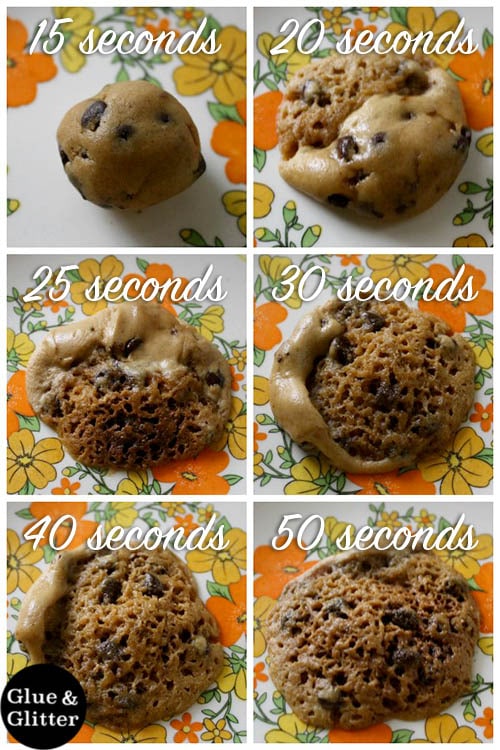
- Microwave for 40–60 seconds. Check at 40 seconds; if the cookie is still wet, microwave for 10–20 seconds more.
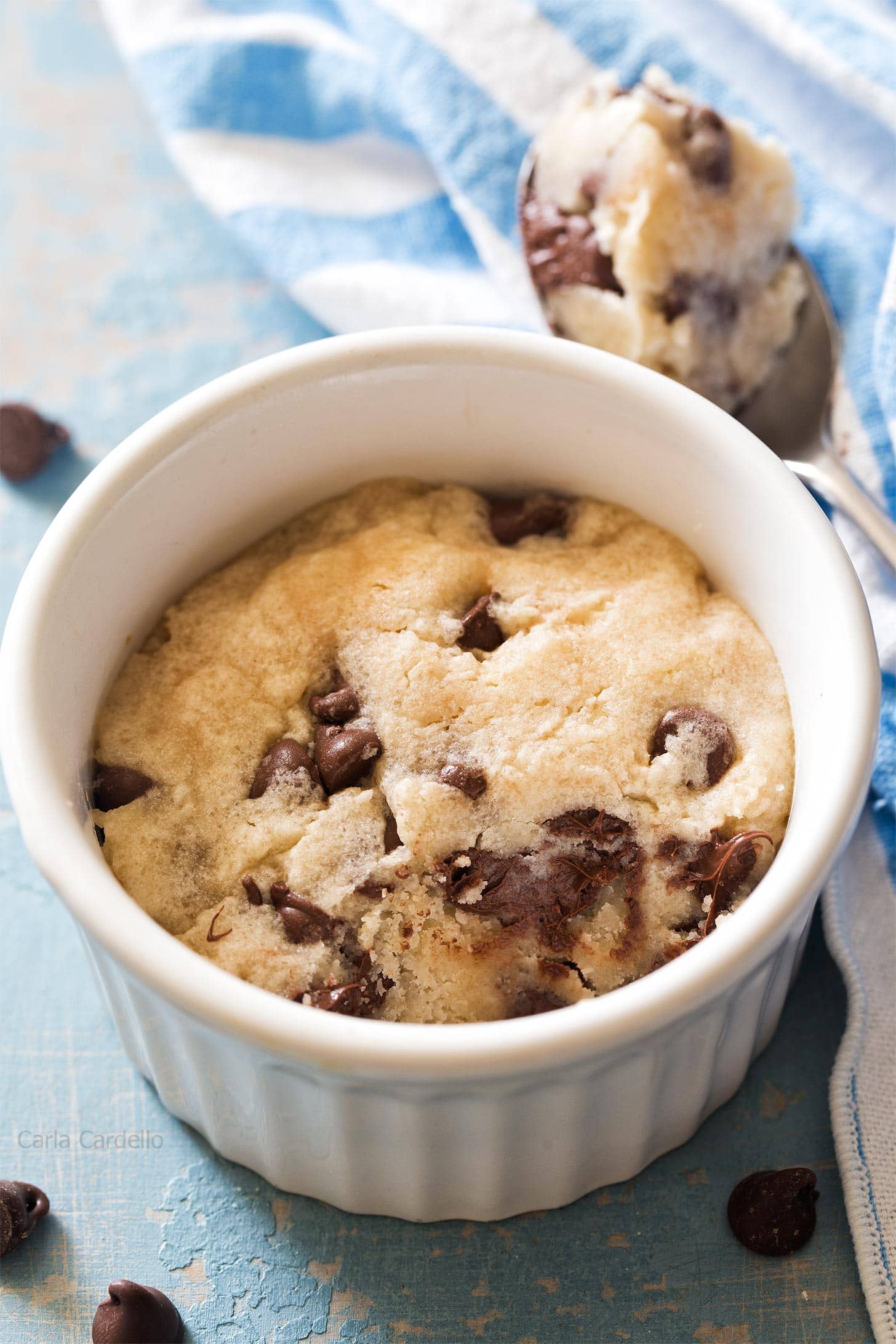
- Let it cool for 2 minutes. The cookie will firm up as it cools.
Tips
- Don’t overcook. The cookie can become tough or rubbery.
- Let it sit after microwaving. The texture improves as it cools.
- For extra flavor, add a pinch of cinnamon or a few chopped nuts.
This method works for many cookie types. You can try peanut butter, snickerdoodle, or even oatmeal cookies. Adjust the mix-ins and flavors as you like.
Key Differences Between Microwave And Oven Cookies
Microwave cookies are not just faster—they’re different in many ways. Here are a few important points:
- Moisture: Microwave cookies often contain more moisture. This keeps them soft but can make them sticky.
- Size: You usually make smaller or single cookies. Larger cookies can cook unevenly.
- Browning: No browning occurs in the microwave. If you want color, add a bit of cocoa powder or coffee for a darker look.
- Cooking time: Just a few seconds can change the result. Always start with less time and add more if needed.
- Serving style: These cookies are best eaten soon after cooking. They dry out faster than oven-baked cookies.
Here’s a quick look at how different cookies turn out in the microwave:
| Cookie Type | Microwave Result | Oven Result |
|---|---|---|
| Chocolate Chip | Soft, gooey, pale | Crispy edges, golden brown |
| Peanut Butter | Very soft, chewy | Firm, crumbly |
| Oatmeal | Moist, dense | Chewy, crisp edges |
| Snickerdoodle | Soft, cinnamon flavor | Chewy, golden crust |
Common Mistakes When Making Microwave Cookies
Even experienced bakers can make mistakes when switching to the microwave. Here are some things to watch out for:
- Using metal cookware: Never use metal in the microwave. Use ceramic or glass.
- Overcooking: A few seconds too long and your cookie can turn rubbery or dry.
- Too much dough: Don’t try to make a big cookie. It won’t cook evenly and can stay raw in the middle.
- Wrong ingredients: Baking soda needs oven heat to work well. Use baking powder for microwave recipes.
- Skipping resting time: Cookies are often very soft right after microwaving. Let them cool for a couple of minutes.
Many beginners miss the importance of the resting period. The cookie might look undercooked, but it firms up quickly as it cools. Also, adjust the power settings if your microwave is very strong. High power can burn the edges.
Variations: Microwave Cookie Recipes For Different Diets
One great thing about microwave cookies is how flexible they are. You can adapt recipes for special diets with little effort.
Gluten-free Microwave Cookie
- Substitute gluten-free flour for all-purpose flour.
- Add a pinch of xanthan gum for better texture.
- Use the same basic steps as the main recipe.
Vegan Microwave Cookie
- Replace butter with coconut oil or vegan margarine.
- Use non-dairy milk (almond, soy, oat).
- Ensure chocolate chips are dairy-free.
Low-sugar Microwave Cookie
- Use erythritol or stevia instead of sugar.
- Add extra vanilla or cinnamon for flavor.
These adaptations are easy because you’re only making one or two cookies at a time. You can experiment without wasting ingredients.
Tools And Equipment For Microwave Cookies
You don’t need much to make cookies in the microwave, but a few tools help:
- Microwave-safe mug or bowl: Ceramic or glass works best.
- Small mixing spoon or fork: For blending dough.
- Measuring spoons: Accuracy is important for small batches.
- Microwave: Most models work, but wattage affects cooking time.
Avoid plastic containers unless they’re labeled microwave-safe. Some plastics can melt or release harmful chemicals. For the best results, shape the dough into a flat cookie, not a ball, so it cooks evenly.
How To Improve Microwave Cookie Texture
If your first cookie turns out too soft or rubbery, don’t worry. There are tricks to get a better texture:
- Use less liquid: Start with a smaller amount of milk or butter.
- Add a tiny bit of cornstarch: This helps the cookie hold together.
- Mix well: Make sure all ingredients are blended, so there are no dry spots.
- Try chilling the dough: A quick chill (5 minutes in the freezer) before microwaving can help the cookie stay thicker.
- Let it cool completely: The cookie will become firmer as it cools.
Microwave cookies will never be exactly like oven-baked ones. But with these tweaks, you can get a tasty treat with a pleasing texture.
Credit: www.glueandglitter.com
Are Microwave Cookies Safe?
Some people worry about microwaving dough. Is it safe? Yes—if you use the right ingredients and cook for the correct time.
- Eggs: Most microwave cookie recipes use little or no egg. If you do use eggs, make sure the cookie is cooked through.
- Raw flour: Microwave cookies cook flour enough to be safe. If you’re concerned, you can microwave the flour alone for 30 seconds before using.
- Metal safety: Never use metal utensils or cookware in the microwave.
Microwave cookies are as safe as any other cooked food, as long as you follow basic cooking rules.
Real-world Examples: Microwave Cookies In Action
Microwave cookies are popular everywhere, especially among young adults and busy professionals. Here are some real-life situations:
- College dorms: Students make quick cookies in mugs to satisfy late-night cravings.
- Offices: Workers use break room microwaves for a fast treat during lunch.
- Travelers: People staying in hotels or hostels use microwaves to cook cookies with minimal ingredients.
A survey by a major food blog found that over 30% of respondents had tried making cookies in the microwave at least once. Most said they would do it again for speed and convenience.
Comparing Microwave Cookies With Store-bought And Oven Cookies
How do microwave cookies stack up against other options? Here’s a comparison:
| Type | Prep Time | Cost per Cookie | Flavor | Texture |
|---|---|---|---|---|
| Microwave | 5 minutes | $0.30 | Homemade, fresh | Soft, chewy |
| Oven-baked | 20 minutes | $0.25 | Homemade, rich | Crispy, chewy |
| Store-bought | 0 minutes | $0.50 | Processed, consistent | Crunchy, dry |
Microwave cookies are the fastest and cheapest way to get a fresh, homemade treat. Store-bought cookies are convenient, but they lack the freshness and customization.
Non-obvious Insights For Microwave Cookie Success
Most guides miss a few key points:
- Microwave wattage matters: If your microwave is high-powered (1000+ watts), cookies cook faster. Start with less time.
- Let the cookie sit under a bowl: After microwaving, cover the cookie with a plate or bowl for 1–2 minutes. This traps steam and improves texture.
- Use dark sugars: Brown sugar adds moisture and flavor, making microwave cookies taste richer.
These small tweaks make a big difference in flavor and texture.
Credit: www.chocolatemoosey.com
Advanced Tips: Getting Creative With Microwave Cookies
Once you master the basic recipe, you can try more advanced techniques:
- Stuffed cookies: Add a piece of chocolate or caramel in the center.
- Layered cookies: Mix two doughs (like chocolate and peanut butter) for a marbled effect.
- Mini cookie cakes: Double the recipe for a thicker, cake-like treat.
Don’t be afraid to experiment. Since microwave cookies are small, mistakes are low-risk. You can try different flavors, mix-ins, and shapes.
Environmental Benefits Of Microwave Cookies
Making cookies in the microwave isn’t just fast—it’s eco-friendly. Studies show microwaves use up to 80% less energy than ovens for small batches. If everyone switched to microwaving single servings, it would reduce household energy use. Also, microwaving creates less waste, since you’re making only what you need.

Credit: www.youtube.com
Microwave Cookie Myths Debunked
Some myths persist about microwaving cookies. Let’s clear them up:
- Myth: Microwave cookies are unhealthy. Reality: They use the same basic ingredients as oven cookies.
- Myth: Microwave cookies taste bland. Reality: With the right recipe, they can be flavorful and rich.
- Myth: You can’t brown cookies in the microwave. True—but you can use cocoa powder or spices to add color.
The main limitation is texture, not taste or health.
When Not To Use The Microwave For Cookies
Microwaving cookies is great for speed, but not for every situation. Avoid the microwave if:
- You want a large batch for a party.
- You need crispy, golden edges.
- You’re using a recipe with lots of eggs or delicate ingredients.
Microwave cookies are best for small servings and quick snacks.
How To Store Microwave Cookies
Microwave cookies are best eaten fresh, but you can store them:
- Room temperature: Keep in an airtight container for up to 24 hours.
- Refrigerator: Store for up to 3 days. Warm in the microwave for 5–10 seconds before eating.
- Freezer: Freeze dough, not baked cookies. Microwave frozen dough for 60–90 seconds.
Since microwave cookies dry out quickly, wrap them tightly if you need to save them.
Health Considerations
Microwave cookies can be as healthy or unhealthy as you want. You control the ingredients:
- Use whole wheat flour for more fiber.
- Add nuts or dried fruits for nutrition.
- Reduce sugar or use sweeteners for lower calories.
One cookie contains about 150–200 calories, depending on ingredients. Compare this to store-bought cookies, which often have more sugar and preservatives.
Frequently Asked Questions
Can You Use Regular Cookie Dough In The Microwave?
Yes, but results may vary. Regular dough is made for oven baking, so it may be too dense or dry. For the best results, use recipes designed for the microwave. If you try regular dough, reduce the size and cook for shorter times.
How Do You Know When A Microwave Cookie Is Done?
The cookie should look set, not wet, but still soft. It may appear undercooked at first. Let it cool for a minute or two—the texture improves as it cools. If it’s still wet after cooling, microwave for 10 seconds more.
Can You Make Cookies Without Eggs In The Microwave?
Definitely. Most microwave cookie recipes skip eggs because they cook too fast. You can use milk or a small amount of oil for moisture. If you want to use eggs, use just a tiny bit (about 1/4 of a whole egg).
Is It Safe To Eat Microwave Cookies?
Yes, as long as you cook them properly and use safe ingredients. Avoid raw eggs unless the cookie is fully cooked. If you’re worried about raw flour, microwave the flour alone for 30 seconds before using.
Where Can I Find More Microwave Cookie Recipes?
Many food blogs and official recipe sites offer microwave cookie recipes. For a huge collection of tested recipes, visit Allrecipes.
Microwave cookies are a fast, flexible, and fun way to satisfy your sweet tooth. They may not replace oven-baked cookies for every occasion, but they’re perfect for quick treats and single servings. With a little practice, you can master the art of microwave cookies and enjoy them anytime, anywhere.