Moving a refrigerator can seem simple at first. But once you realize its weight, size, and how fragile some parts are, you’ll see it’s much more than just picking up and pushing. Doing it wrong can lead to damage, leaks, or injuries.
In this guide, you’ll learn step-by-step how to move a refrigerator safely, avoid mistakes, and protect your appliance and your home. Whether you’re relocating to a new house or just rearranging your kitchen, these practical tips will make the process smooth and trouble-free.
Preparing Your Refrigerator For Moving
Before you even think about lifting, the right preparation makes all the difference. Rushing can lead to broken shelves or spoiled food. Here’s how to get ready:
1. Empty Everything
Remove all food, drinks, and ice. If you’re moving across town, try to use up perishables in advance. For longer moves, pack any remaining food in coolers with ice packs.
2. Unplug And Defrost
Turn off the refrigerator. Unplug it from the wall. If your fridge has a freezer, defrost it at least 24 hours before moving. Water from melting ice can damage floors or drip onto boxes.
3. Clean And Dry
Wipe down all surfaces. Remove shelves and drawers to prevent them from shifting during the move. Let everything dry completely to avoid mold and smells.
4. Secure Loose Parts
Wrap shelves, trays, and bins separately. Tape down doors with painter’s tape or bungee cords (never use duct tape—it leaves sticky residue).
5. Protect The Coils And Cords
Carefully tape the power cord to the back of the fridge. If your refrigerator has exposed coils, pad them with bubble wrap or cardboard.
Non-obvious insight: Many people forget to check and empty the ice maker and water filter. Remove both before moving to prevent leaks and spills.
Choosing The Right Moving Equipment
The right tools can make moving a refrigerator much safer and easier. Here’s what you’ll need:
- Appliance dolly: Designed for heavy items, it has straps and wheels for easy movement.
- Furniture sliders: Place under the fridge to help slide it across floors without scratching.
- Moving straps: Help distribute weight evenly, reducing strain.
- Thick blankets or pads: Protect the appliance from bumps and scratches.
Appliance Dolly Vs. Standard Dolly
Not all dollies are equal. Here’s a quick comparison:
| Type | Weight Capacity | Strap Support | Best For |
|---|---|---|---|
| Appliance Dolly | 500-800 lbs | Yes | Refrigerators, Washers |
| Standard Dolly | 300-400 lbs | No | Boxes, Furniture |
Pro tip: Rent an appliance dolly from a hardware store if you don’t own one. It’s worth the small cost for safety.
How To Move A Refrigerator: Step-by-step
Moving a refrigerator is a team effort. Never try to move it alone. Here’s how to do it right:
1. Measure Doorways And Pathways
Measure your fridge’s height, width, and depth. Then check the route to see if it fits. Remove doors from the hinges if needed. This avoids getting stuck halfway.
2. Clear The Path
Remove obstacles like rugs, shoes, or boxes. Make sure the floor is dry and not slippery.
3. Position The Dolly
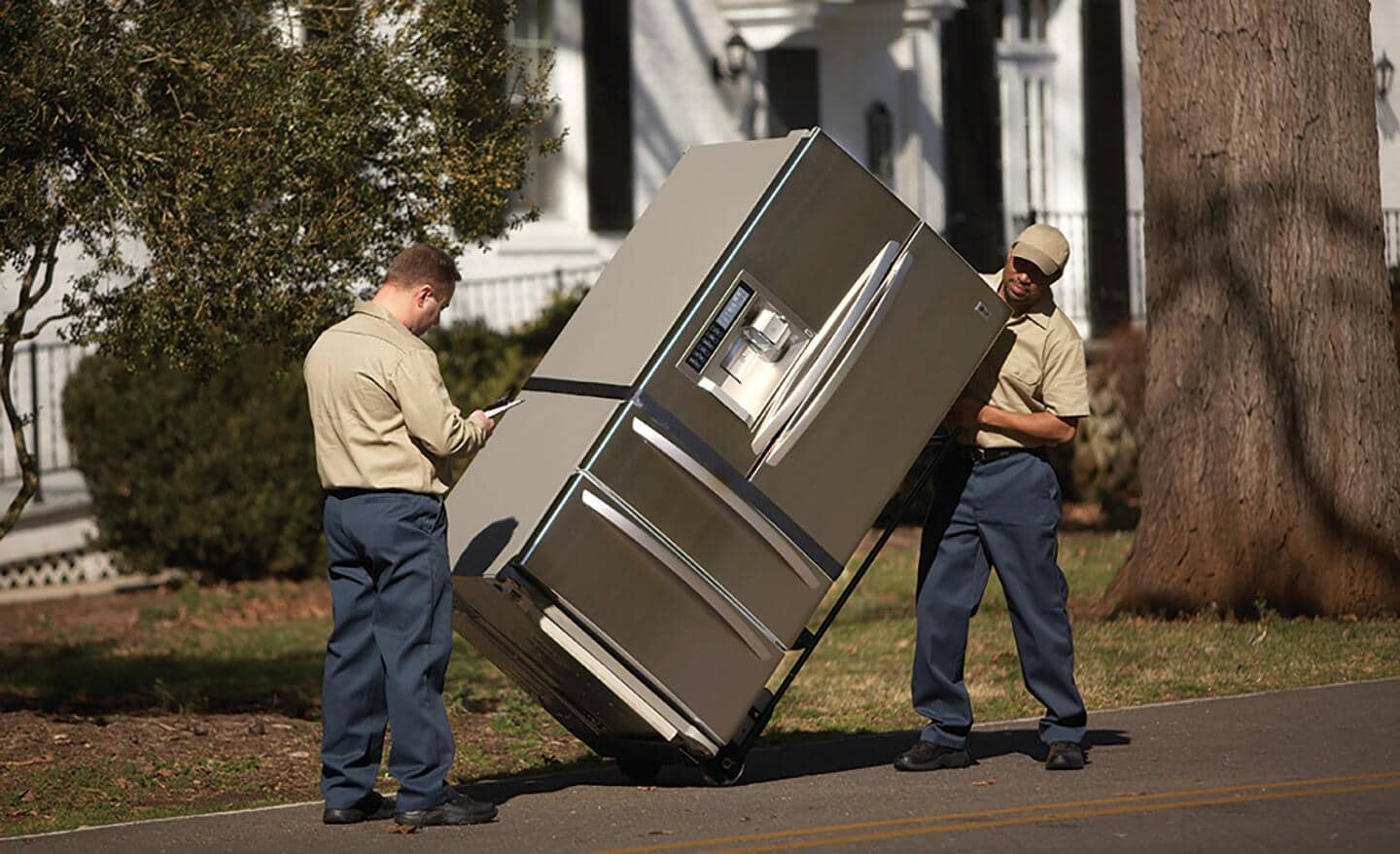
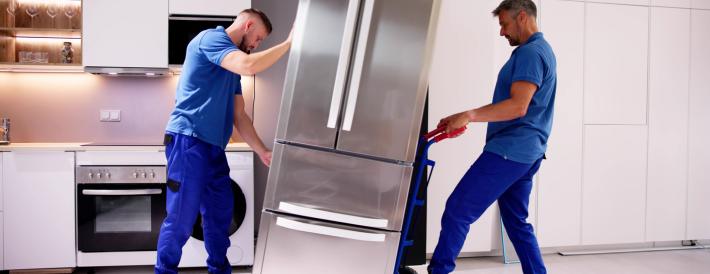
Tilt the fridge gently and slide the dolly under. Secure the straps around the refrigerator. Keep the fridge upright to protect the compressor.
4. Lift Carefully
With one person guiding and one person pushing, tilt back slightly. Move slowly and avoid jerky movements.
5. Navigating Stairs
On stairs, always keep the fridge upright. One person should be below, guiding the dolly, and another above, steadying. Move step by step.
6. Take Breaks If Needed
If the fridge is very heavy, stop and rest. Rushing increases risk.
7. Loading Into The Truck
Use a ramp if possible. Secure the refrigerator in the truck with straps so it doesn’t shift during transit.
Upright Vs. Laying Down
Here’s how position affects the move:
| Position | Pros | Cons |
|---|---|---|
| Upright | Keeps compressor safe; No oil leaks | Needs careful balance |
| Laying Down | May fit better in some vehicles | Risk of compressor oil leaking; Needs extra time before plugging in |
Important detail: If you must lay the fridge down, let it stand upright for at least 24 hours before plugging in. This lets compressor oil settle back.
Protecting Floors And Walls
Refrigerators are heavy and can easily scratch floors or dent walls. Protect your home with these steps:
- Place furniture sliders under each corner if sliding across hardwood or tile.
- Use moving blankets to cover corners and sides of the fridge.
- Wrap doorways with towels or cardboard to avoid scuffs.
Non-obvious insight: Some fridge wheels can leave marks on vinyl floors. Always check and use pads or sliders.
Credit: www.homedepot.com
Common Mistakes And How To Avoid Them
Even experienced movers make errors. Here are mistakes to watch for:
1. Plugging In Too Soon
If you lay the fridge down, plugging in right away can damage the compressor. Wait at least 24 hours.
2. Forgetting To Secure Shelves
Loose shelves can crack or break. Always remove and wrap them.
3. Using The Wrong Dolly
A basic dolly may not support the weight. Use an appliance dolly with straps.
4. Moving Alone
Refrigerators are heavy (up to 300 lbs). Always have help.
5. Ignoring Door Removal
If the fridge doesn’t fit through doors, removing the doors can save time and prevent damage.
After The Move: Setting Up Your Refrigerator
Once your refrigerator arrives at its new spot, careful setup is key:
1. Let It Stand
If the fridge was tilted, let it sit upright for 24 hours before plugging in.
2. Reconnect Water And Ice
If your fridge has a water line or ice maker, reconnect and check for leaks.
3. Replace Shelves And Drawers
Put everything back carefully. Clean again if needed.
4. Plug In And Wait
After plugging in, wait several hours before adding food. Let the temperature stabilize.
5. Check Settings
Reset temperature controls as needed. The ideal fridge temperature is 37°F (3°C), and freezer is 0°F (-18°C).
Credit: twomenandatruck.com
Safety Tips For Moving A Refrigerator
Moving a refrigerator can cause injuries if you’re not careful. Follow these safety tips:
- Wear closed-toe shoes and gloves.
- Lift with your legs, not your back.
- Keep children and pets away from the moving path.
- If the fridge is too heavy, consider hiring professional movers.
Weight Data
Most household refrigerators weigh between 150–300 lbs. Some commercial fridges can weigh up to 800 lbs. Always know the weight before moving.
How To Move A Refrigerator Through Tight Spaces
Sometimes, hallways or doors are too narrow. Here’s what to do:
- Remove refrigerator doors (follow the manufacturer’s instructions).
- Take off handles and hinges if needed.
- Move slowly and angle the appliance as needed.
- If possible, remove interior doors from their hinges.
Example: The average fridge width is 30–36 inches, while standard doors are 32–36 inches wide. Measuring both can save big headaches.

Credit: www.youtube.com
When To Call Professionals
Some moves are too risky for homeowners. If you have:
- A very heavy refrigerator
- Lots of stairs
- Tight spaces
- No experience with moving appliances
Consider hiring professional movers. They have the tools and experience to protect your appliance and your home.
Quick Reference: Refrigerator Moving Checklist
Here’s a simple checklist to keep handy:
- Empty refrigerator and freezer
- Unplug and defrost
- Remove and wrap shelves
- Secure doors and cord
- Measure pathways
- Clear moving path
- Use appliance dolly and straps
- Protect floors and walls
- Move with a helper
- Let fridge stand 24 hours after moving
- Plug in and reset settings
Frequently Asked Questions
How Long Should I Wait Before Plugging In A Refrigerator After Moving?
If you moved the fridge upright, you can plug it in right away. If it was on its side, let it stand upright for at least 24 hours. This prevents compressor oil damage.
What Is The Safest Way To Move A Refrigerator Downstairs?
Always keep the refrigerator upright. Use an appliance dolly with straps. Have one person guide from below and another steady from above. Move step by step, never rush.
Can I Move A Refrigerator By Myself?
It’s not recommended. Refrigerators are heavy and awkward. Always ask for help or hire professionals. Moving alone increases risk of injury and damage.
Do I Need To Remove Refrigerator Doors To Move It?
Only if the appliance won’t fit through doorways or tight spaces. Measure first. Follow the manufacturer’s guide for safe door removal.
What Should I Do If My Refrigerator Leaks After Moving?
Check the water line, ice maker, and seals. Small leaks often come from loose connections. If you can’t find the cause, contact a professional repair service.
Moving a refrigerator isn’t just about muscle—it’s about planning, safety, and the right tools. With careful preparation, teamwork, and attention to detail, you’ll protect your appliance and your home. Taking the time to do it right means your fridge will work well for years to come.