Skip to content
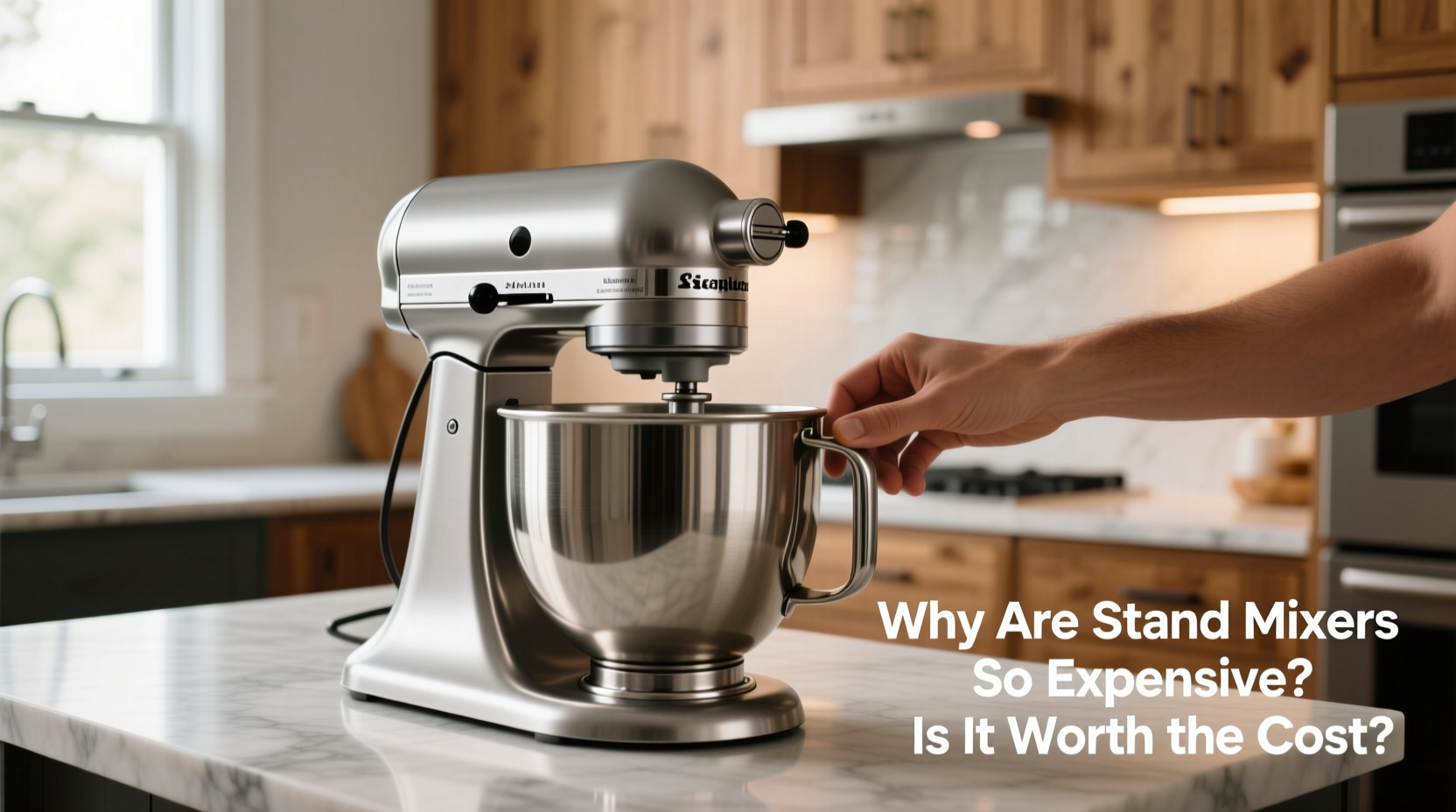
Every home cook dreams of owning a stand mixer. You see them in kitchens on cooking shows, in glossy ads, and on wedding registries. But when you look at the price tag—often hundreds of dollars or more—you may wonder: Why are stand mixers so expensive? It’s not just branding or marketing hype. Stand mixers cost more because of what goes into making them, their features, and what they deliver in performance. Let’s explore the real reasons behind their high prices, and help you decide if they’re worth the investment.
Crafting Quality: Materials And Construction
A stand mixer is not a simple appliance. It’s designed to handle heavy doughs, whip delicate creams, and last for years—even decades. The materials used play a big role in the price.
Most premium stand mixers use die-cast metal housing instead of plastic. Metal is stronger, lasts longer, and reduces vibration. Cheaper mixers might use lightweight plastics, which can crack or warp.
Inside, the gears are often made of hardened steel or other durable metals. These gears must handle high torque and resist wear from repeated use. That’s why a quality mixer often feels heavier—it’s packed with robust parts.
Another factor is the motor. High-end mixers use powerful motors, sometimes up to 1,000 watts. More power means the mixer can knead thick doughs without overheating or slowing down. Cheaper mixers may use weaker motors, which are cheaper but struggle with tough tasks.
Comparing Materials And Build
Here’s a quick comparison of typical materials used in stand mixers:
| Component | Low-End Mixer | Premium Mixer |
|---|---|---|
| Housing | Plastic | Die-cast Metal |
| Gears | Plastic/Aluminum | Steel/Brass |
| Motor Power | 200–400 watts | 500–1,000+ watts |
The difference in materials and construction is clear. Stronger, heavier parts cost more to make and ship, but they lead to longer-lasting mixers.
Precision Engineering And Performance
A stand mixer does more than spin a bowl. It uses planetary mixing action, which means the beater rotates around the bowl while spinning on its own axis. This ensures every ingredient is mixed evenly.
Designing this action requires precise engineering. The alignment must be perfect, or the mixer won’t mix properly. High-end mixers use tight tolerances and quality control to guarantee performance. This adds cost during manufacturing.
Also, premium mixers often include multiple speeds and settings. Some models have up to 10 speed levels, letting you whip eggs or knead bread with fine control. Speed control needs a reliable motor and electronics, which adds to the cost.
Stand Mixer Performance Compared
| Feature | Low-End Mixer | High-End Mixer |
|---|---|---|
| Mixing Action | Simple rotation | Planetary action |
| Speed Settings | 3–5 speeds | 10+ speeds |
| Consistency | Uneven mixing | Even, thorough mixing |
A key insight: Even if a cheap mixer looks similar, its internal engineering is usually less advanced, leading to poorer results and shorter life.
Attachments, Accessories, And Versatility
A stand mixer is more than a bowl and a beater. Many models come with or support attachments such as pasta makers, meat grinders, and juicers. These attachments turn the mixer into a kitchen powerhouse.
High-end brands design their mixers with universal hubs so you can add new attachments as your needs change. This means you get more than just a mixer—it’s a multi-tool.
The quality of included accessories (like dough hooks, whisks, and pouring shields) also impacts price. These are often made of stainless steel and designed for easy cleaning.
Attachment Versatility Comparison
| Type | Low-End Mixer | Premium Mixer |
|---|---|---|
| Basic Accessories | 1–2 (plastic) | 3–5 (stainless steel) |
| Optional Attachments | Few or none | 10+ (pasta, meat, etc.) |
| Multi-use | Limited | Wide range |
Buying a mixer that supports many attachments may cost more up front, but it saves on buying separate gadgets later.
Brand Reputation And Customer Support
When you buy a stand mixer, you’re also paying for the brand name. Some brands, like KitchenAid or Cuisinart, have built their reputation over decades. They’re trusted because their products are reliable and their customer service is strong.
Brands invest in product testing, warranties, and support staff. If something goes wrong, you can often get help, repairs, or replacements. This service is built into the price.
Premium brands also offer long warranties—sometimes up to 5 years or more. Cheaper brands may have shorter warranties or none at all. This extra peace of mind matters, especially for appliances that get heavy use.
It’s also true that brands spend money on research and innovation. New features, improved motors, and better designs don’t come free. The cost is reflected in the price, but you benefit from a mixer that’s safer, easier to use, and more reliable.
Credit: www.alibaba.com
Manufacturing Costs And Distribution
Stand mixers are mostly made in countries with higher labor costs. For example, many premium models are assembled in the US or Europe. Skilled workers and strict quality checks add to the price.
Shipping heavy mixers is expensive, too. Metal parts weigh more, and careful packaging is needed to prevent damage. This raises both manufacturing and distribution costs.
Another factor is the scale of production. Some high-end mixers are produced in smaller batches, which costs more per unit. Cheaper mixers made in mass quantities can be sold for less, but usually at the expense of quality.
Stand Mixer Prices: Real Data
To understand the price range, let’s look at some real-world examples:
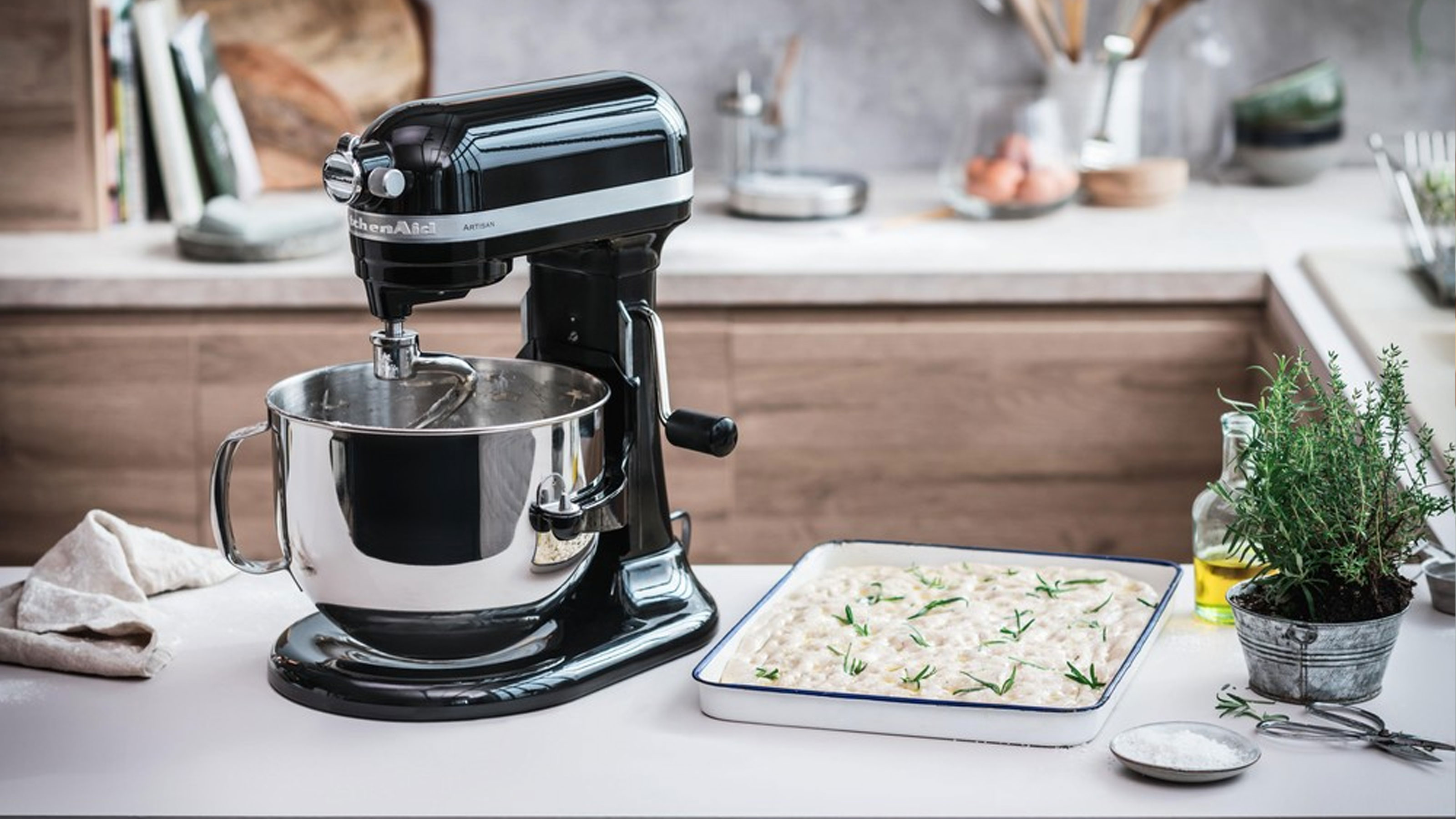
- KitchenAid Artisan Stand Mixer: Around $450–$500
- Cuisinart Precision Master Stand Mixer: $300–$350
- Hamilton Beach Stand Mixer: $110–$140
- Generic stand mixer (online brands): $70–$120
You can see that premium mixers cost 3–5 times more than entry-level models. The difference is not just the brand—it’s the build, performance, and service.
Credit: www.thetakeout.com
Common Misconceptions About Stand Mixer Prices
Many people believe stand mixers are expensive because of marketing. While branding plays a role, the main reason is quality and durability. A well-built mixer can last 10, 20, or even 30 years. That longevity means you pay more upfront but save over time.
Another misconception is that all mixers are equal if they look similar. In reality, two mixers may look alike but perform very differently. Internal parts, motor strength, and mixing action are rarely visible from the outside.
Long-term Value And Cost Savings
A stand mixer is an investment. You spend more at first, but you save money and time in the long run. Here’s how:
- Durability: Premium mixers rarely need repairs or replacement.
- Versatility: Multiple attachments mean you don’t need extra appliances.
- Consistency: Better mixing leads to fewer baking failures and wasted ingredients.
- Resale value: Quality mixers can be sold used for a good price.
One non-obvious insight: Many professional bakers and chefs use the same mixer for decades. A cheap mixer may only last a year or two, leading to repeat purchases.
Credit: www.homesandgardens.com
Are Stand Mixers Worth The Price?
If you bake or cook often, a stand mixer is worth the investment. The price reflects quality materials, precision engineering, and brand support. If you only bake occasionally, a hand mixer or entry-level model might be enough.
Before buying, consider:
- How often will you use it?
- What tasks do you need it for?
- Do you plan to use attachments?
- Is warranty and customer support important to you?
Don’t be fooled by low prices and flashy ads. Check the build quality, motor strength, and reputation.
Frequently Asked Questions
Why Do Some Stand Mixers Cost Over $500?
Mixers over $500 use premium materials like die-cast metal, high-powered motors, and advanced engineering. They often support many attachments and come with long warranties. The price reflects both quality and brand reputation.
Can A Cheap Stand Mixer Do The Same Job?
A cheap mixer can handle light tasks, like whipping cream or mixing cake batter. But for heavy doughs or frequent use, they often struggle. The motor may overheat, and plastic parts can break. For professional results, a premium mixer is better.
What Should I Look For When Buying A Stand Mixer?
Check the motor power, mixing action (planetary is best), build materials, speed settings, and available attachments. Also look for a reliable warranty and good customer support. Don’t rely only on looks—internal parts matter most.
How Long Does A Stand Mixer Usually Last?
A premium stand mixer can last 10–30 years with proper care. Cheaper mixers may only last a few years. The lifespan depends on build quality, usage, and maintenance.
Are Stand Mixers Really Necessary For Home Baking?
For casual baking, a hand mixer may be enough. But for bread, pizza dough, or frequent baking, a stand mixer saves time and effort. It mixes evenly and handles heavy doughs better. For those who bake often, it’s almost essential.
If you want more technical details, the Wikipedia Stand Mixer page has in-depth information.
A stand mixer is expensive, but it’s not just a luxury—it’s a tool built for serious cooks and bakers. The higher price means better build, longer life, and more versatility. If you choose carefully and use it often, it’s a smart investment for your kitchen.