Skip to content
Keeping your juicer blades sharp is essential for getting the best juice from fruits and vegetables. Dull blades can make your juicer work harder, reduce juice quality, and even damage the machine over time. Many people believe that sharpening juicer blades is a task for professionals, but with the right steps and careful handling, you can do it at home.
This guide will walk you through everything you need to know about sharpening juicer blades, from tools and safety tips to step-by-step instructions and expert insights.
Why Sharp Juicer Blades Matter
A juicer’s blades are its heart. When blades are sharp, they cut through produce cleanly, extracting more juice and leaving less pulp. Dull blades often result in wasted fruit, less juice, and increased strain on the motor. Studies show that sharp blades can increase juice yield by up to 18% compared to dull blades. For people who juice regularly, keeping blades sharp can save money, time, and improve the taste and quality of their juice.
How To Know If Your Juicer Blades Need Sharpening
Juicer blades don’t stay sharp forever. Here are some clear signs your blades might need attention:
- Juicing takes longer than usual
- Excess pulp left in the juicer
- Unusual noises during operation
- Juice looks watery or separated
- The juicer’s motor struggles or overheats
Most blades need sharpening every 6–12 months, depending on how often you use your juicer.

Credit: www.amazon.com
Tools Needed For Sharpening Juicer Blades
You don’t need expensive equipment to sharpen juicer blades. Here’s what you’ll need:
- Small sharpening stone (whetstone)
- Fine-grit sandpaper (400–600 grit)
- Soft cloth or towel
- Rubber gloves for safety
- Screwdriver (if blade removal is needed)
- Mild soap and water for cleaning
Optional tools:
- Dremel rotary tool with a polishing attachment (for advanced users)
- Food-grade oil for lubricating after sharpening
Preparing Your Juicer For Blade Sharpening
Before sharpening, it’s important to prepare your juicer and work area:
- Unplug the juicer to avoid accidents.
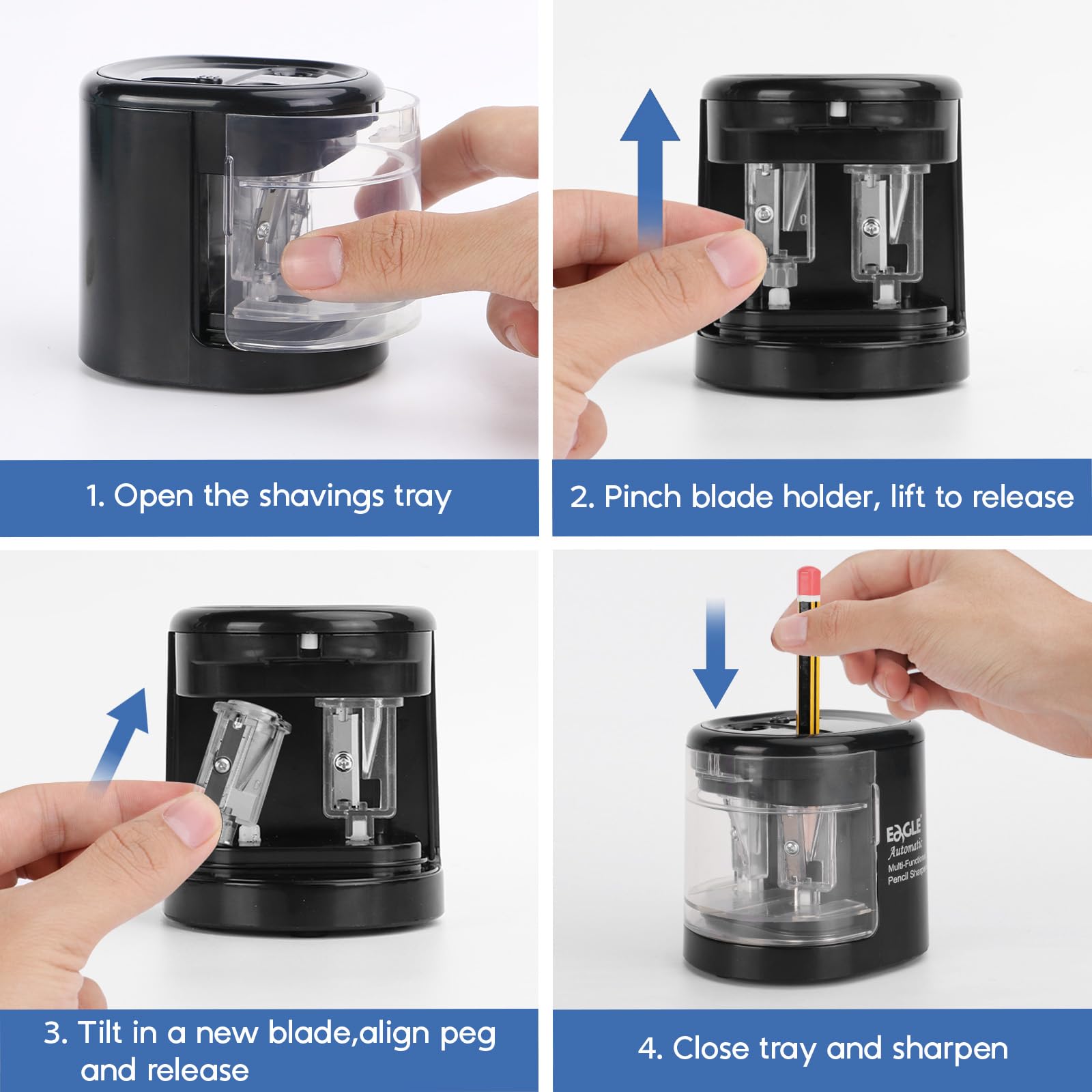
- Remove the blade assembly carefully. Most juicers have a central screw or latch; check your manual if unsure.
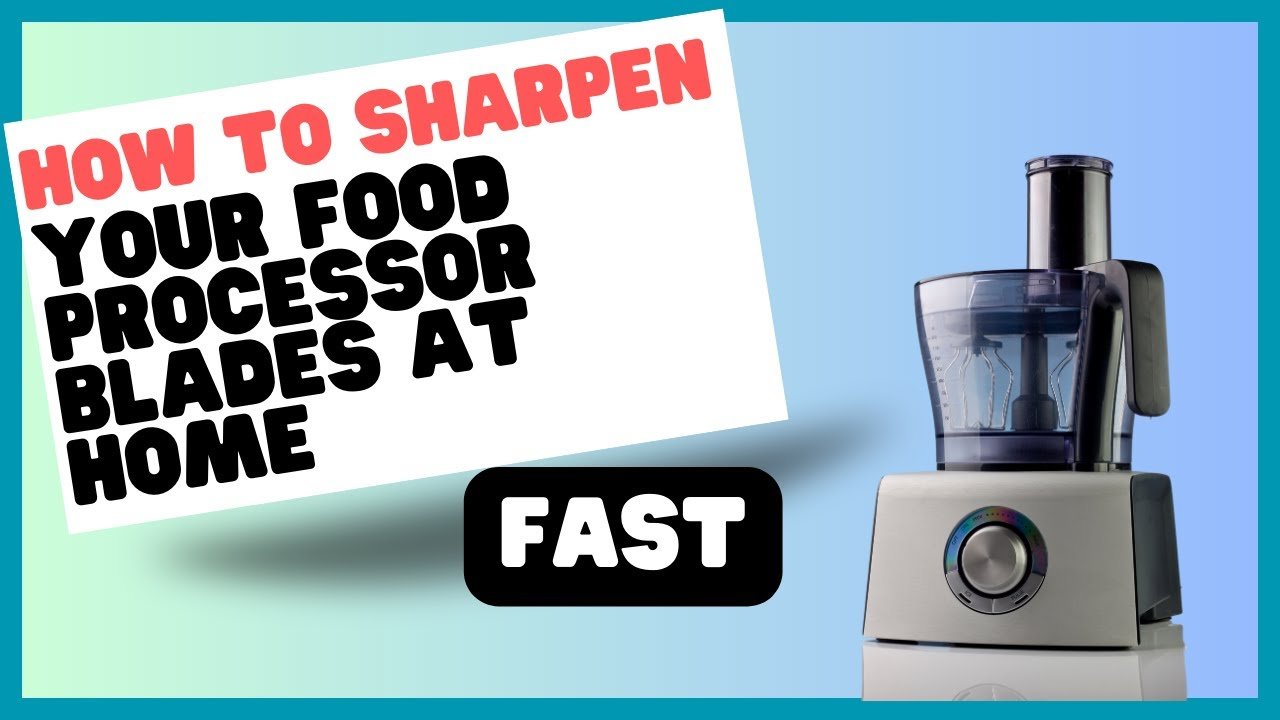
- Clean the blades thoroughly with soap and water. Remove all fruit residue and pulp.
- Dry the blades with a soft towel. Moisture can affect sharpening results.
Credit: www.youtube.com
Step-by-step Guide To Sharpening Juicer Blades At Home
Sharpening juicer blades is a process that requires care and patience. Follow these steps:
1. Inspect The Blades
Look for nicks, dents, or warping. If the blade is severely damaged, replacement may be safer. Minor dullness can usually be fixed at home.
2. Choose Your Sharpening Tool
For most juicer blades, a small sharpening stone or fine-grit sandpaper works best. Avoid rough tools that could scratch or damage the blade.
3. Sharpen With A Whetstone
- Hold the blade firmly (wear gloves for safety).
- Wet the stone with water to reduce friction.
- Move the blade across the stone in a gentle, circular motion.
- Sharpen both sides evenly for 2–3 minutes each.
4. Sharpen With Sandpaper
- Place sandpaper on a flat surface.
- Rub the blade gently against the sandpaper, following the blade’s angle.
- Repeat for 1–2 minutes per side.
5. Use A Dremel (optional)
Advanced users can use a Dremel rotary tool with a polishing attachment for extra sharpness. Keep the speed low and avoid overheating the blade.
6. Clean And Lubricate
- Rinse the blade under running water to remove metal particles.
- Dry thoroughly.
- Apply a small amount of food-grade oil to prevent rust.
7. Reassemble The Juicer
Carefully put the blade back into the juicer. Make sure it’s secured tightly. Plug in the juicer and test with a soft fruit like apple or cucumber.
Safety Tips For Sharpening Juicer Blades
Juicer blades are sharp, even when dull. Here’s how to stay safe:
- Always unplug the juicer before removing blades.
- Wear rubber gloves to protect your hands.
- Avoid rushing—sharp tools and blades require patience.
- Never use a blade if it is cracked or bent.
- Keep sharpening tools away from children.
Comparing Different Sharpening Methods
Not all sharpening methods work equally well. Here’s a quick comparison:
| Method | Ease of Use | Result Quality | Risk Level |
|---|---|---|---|
| Sharpening Stone | Moderate | High | Low |
| Sandpaper | Easy | Medium | Low |
| Dremel Tool | Advanced | Very High | Medium |
| Professional Service | Very Easy | Highest | Very Low |
Common Mistakes To Avoid
Many beginners make mistakes when sharpening blades. Here are some you should watch out for:
- Using too much force: Pressing too hard can bend or break blades.
- Sharpening at the wrong angle: Most juicer blades have a specific angle—follow the original edge.
- Skipping cleaning: Dirt and pulp can interfere with sharpening.
- Neglecting lubrication: Dry blades can rust quickly.
- Not checking for damage: Sharpening a cracked blade is dangerous.
Experienced users always check blades for hidden cracks and use gentle motions to preserve blade shape.
How Often Should You Sharpen Juicer Blades?
Frequency depends on use and blade material. Stainless steel blades last longer than regular steel. Here’s a useful chart:
| Blade Material | Sharpening Frequency | Expected Lifespan |
|---|---|---|
| Stainless Steel | Every 12 months | 5–7 years |
| Regular Steel | Every 6 months | 3–5 years |
| Titanium Coated | Every 18 months | 8–10 years |
If you juice daily, consider sharpening every 4–6 months. For occasional juicers, once a year is often enough.
Practical Tips For Maintaining Sharp Juicer Blades
Sharpening is only part of blade care. Here are some practical tips to keep blades sharp longer:
- Clean after every use to prevent buildup.
- Avoid hard fruits like frozen berries or large pits.
- Store the juicer in a dry area to reduce rust risk.
- Inspect blades monthly for signs of dullness.
- Use food-grade oil after every sharpening session.
Many people overlook the importance of regular inspection. Checking blades monthly can help spot issues before they become serious.
When To Replace Juicer Blades
Sometimes sharpening is not enough. Replace blades if:
- There are deep cracks or chips.
- The blade is warped or bent.
- Sharpening does not restore performance.
Most juicer manufacturers sell replacement blades. Always buy blades that match your juicer model for safety and best performance.
Environmental Impact Of Blade Maintenance
Sharpening and maintaining blades at home can reduce waste. Instead of throwing away dull blades, sharpening extends their lifespan. According to the EPA, Americans throw away over 2 million small appliances yearly. Proper blade care can help minimize this waste and save money.
If you must replace blades, recycle old ones if possible. Many local centers accept steel and metal parts.
Credit: www.amazon.com
Expert Insights: What Beginners Often Miss
Most beginners focus only on sharpening, but blade maintenance is equally important. Two non-obvious tips:
- Blade balance: After sharpening, check if the blade spins evenly. An unbalanced blade can cause vibration and damage the juicer.
- Edge polish: Polishing the blade edge (with a fine cloth or Dremel) after sharpening helps improve juice quality and reduces pulp.
Another overlooked tip is proper storage. Storing blades in a dry, padded container prevents accidental damage and rust.
Frequently Asked Questions
How Do I Know If My Juicer Blade Is Too Damaged To Sharpen?
If you see deep cracks, chips, or warping, sharpening will not help. Blades with serious damage should be replaced. Minor dullness or surface scratches can be fixed at home.
Can I Use Household Knife Sharpeners For Juicer Blades?
Most knife sharpeners are designed for straight blades, while juicer blades are often curved or serrated. Using the wrong sharpener can damage the blade. Stick to small sharpening stones or fine sandpaper.
Is It Safe To Sharpen Juicer Blades At Home?
Yes, it is safe if you follow proper safety steps: unplug the juicer, wear gloves, and handle blades carefully. Never rush the process or use damaged blades.
How Long Does The Sharpening Process Take?
Sharpening usually takes 10–20 minutes per blade, including cleaning and reassembly. Experienced users may finish faster, but beginners should take their time.
Where Can I Find Replacement Juicer Blades?
Check your juicer’s manufacturer website or official stores. For example, visit Omega Juicer Official Site for genuine parts. Always match the blade model to your juicer for safety.
Taking care of your juicer blades is a simple but valuable task. With a little effort, you can keep your juicer working efficiently, save money, and enjoy better juice every day. Sharpening at home is safe and practical—just follow the steps, use the right tools, and check for damage regularly.
Your juicer and your health will thank you.