Skip to content
If you own a juicer, you already know the joy of fresh, homemade juice. But after weeks or months of use, you might notice your juicer isn’t performing like before. Maybe the blades spin slower, the juice output drops, or parts look dull and chalky. That’s because mineral scale—deposits from hard water and fruit residue—builds up inside. If left untreated, this scale can damage your juicer, ruin the taste of your juice, and even shorten the machine’s life.
Many people reach for harsh chemicals to descale their juicer. But there are safer, natural ways that work just as well—and protect your health and the environment. In this guide, you’ll learn exactly how to descale a juicer naturally, step by step. You’ll find out what ingredients to use, how often to clean, and even how to keep scale from coming back. By the end, you’ll feel confident that your juicer is as clean as the day you bought it.
Why Descaling Your Juicer Matters
Descaling isn’t just about looks. When scale builds up, it can block your juicer’s filters and blades. This slows down juicing, makes the motor work harder, and can even cause the machine to overheat. Scale also traps bacteria and old juice, which can make your next batch taste sour or even unsafe.
A recent study found that kitchen appliances with scale buildup can use up to 30% more electricity and break down 50% faster than clean ones. Plus, if you use hard water, you’re at higher risk—because hard water contains more minerals like calcium and magnesium that form scale quickly.
Keeping your juicer scale-free means:
- Better juice taste and freshness
- Longer machine life
- Less energy use
- Safer, cleaner juice
- Faster, easier cleaning
Natural descaling methods use safe, plant-based acids and common kitchen ingredients, so you avoid harsh fumes and residue in your juice.
What Causes Scale In A Juicer?
Scale forms mostly from hard water and fruit or vegetable residues. When water dries on metal or plastic parts, minerals like calcium and magnesium stick to surfaces. Over time, these minerals harden into white or yellowish scale that’s tough to remove with simple washing.
Fruits and vegetables also leave behind natural acids, sugars, and tiny bits of pulp. If these aren’t cleaned off right away, they dry up and join with minerals to make the scale even thicker.
Key contributors:
- Hard tap water (high in minerals)
- Juicing citrus fruits (which can speed up scale)
- Slow or incomplete cleaning
- Leaving parts wet or dirty overnight
If you notice white spots, a chalky film, or a strange taste, it’s time to descale.
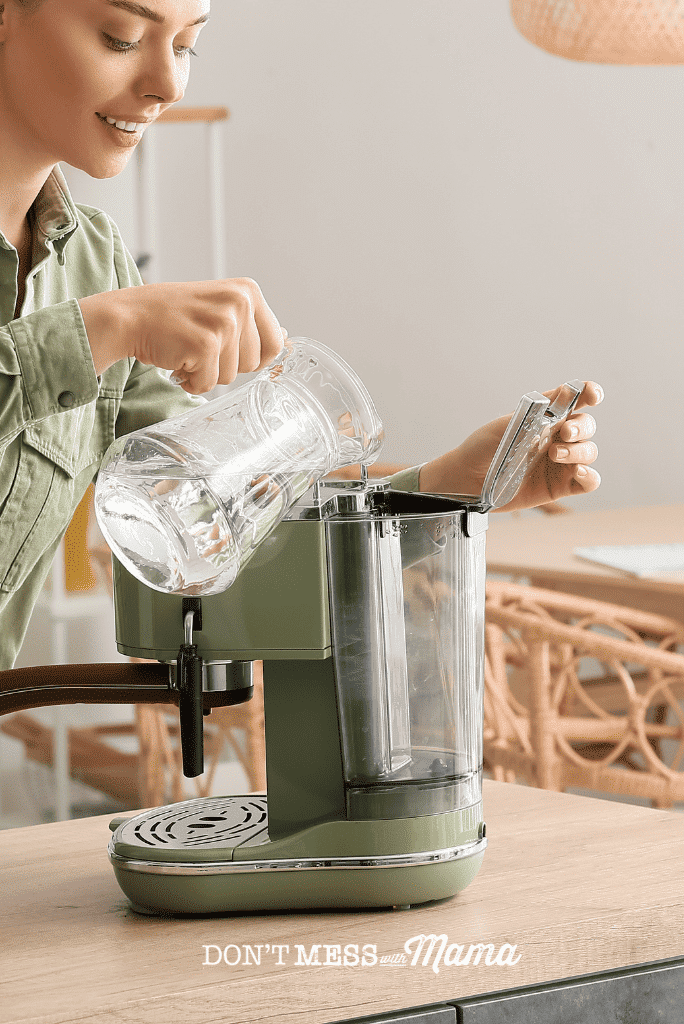
Credit: dontmesswithmama.com
Natural Ingredients That Remove Scale
You don’t need special descaling products. Three common kitchen items work just as well:
- White vinegar (5% acetic acid)
- Lemon juice (citric acid)
- Baking soda (mild abrasive, pH buffer)
Each has unique strengths. Vinegar and lemon juice dissolve minerals. Baking soda helps scrub and neutralize odors.
Here’s how they compare:
| Ingredient | Descaling Power | Main Use | Odor |
|---|---|---|---|
| White vinegar | High | Dissolves scale | Strong, temporary |
| Lemon juice | Medium | Dissolves, freshens | Pleasant, citrus |
| Baking soda | Low (alone) | Scrubbing, odor control | None |
You can use these alone or combine them for tough jobs.
Step-by-step: How To Descale A Juicer Naturally
Ready to bring your juicer back to its best? Follow these detailed steps for safe, chemical-free descaling. You’ll need about 30–45 minutes.
1. Unplug And Disassemble The Juicer
Always unplug your juicer before cleaning. Take it apart carefully, removing:
- Pulp container
- Juice jug
- Feed chute
- Blades/strainer
- Lid
- Any removable internal parts
Check your manual if you’re unsure about taking it apart. Place all parts on a clean towel.
2. Pre-rinse To Remove Loose Residue
Rinse each part under warm running water. Use a soft brush or sponge to knock off any leftover pulp or seeds. This makes descaling more effective.
Tip: Don’t use steel wool or rough scrubbers—they can scratch plastic or metal.
3. Prepare Your Natural Descaling Solution
Choose your preferred ingredient or combine two for extra power. Here’s how to mix them:
- Vinegar Solution: Mix 1 part white vinegar with 1 part warm water (for example, 1 cup vinegar to 1 cup water).
- Lemon Solution: Squeeze fresh lemons to make enough juice, or use bottled 100% lemon juice. Mix 1 part lemon juice with 2 parts water.
- Baking Soda Paste: Mix 2 tablespoons of baking soda with just enough water to make a thick paste.
For most jobs, vinegar or lemon works best. Baking soda is ideal for gentle scrubbing.
4. Soak Juicer Parts
Place the metal and plastic parts (except the motor base) into a large bowl or sink. Pour the vinegar or lemon solution over them until fully submerged. Let them soak for 20–30 minutes.
If some parts float, put a heavy, clean cup on top to keep them under.
This soak helps dissolve stubborn mineral deposits and dried juice.
5. Scrub And Rinse
After soaking, use a soft brush or old toothbrush to scrub away loosened scale. Focus on:
- Mesh filters
- Blades
- Edges where pulp collects
- Spouts or corners
For extra-tough spots, dip your brush in baking soda paste and scrub gently. The mild grit lifts away residue without scratching.
Rinse each part under warm water until all vinegar or lemon smell is gone.
6. Wipe The Motor Base
Never soak the motor or electrical parts. Instead, dip a cloth in your vinegar or lemon solution, wring it out, and wipe the outside of the base. For stubborn spots, use the baking soda paste, then wipe clean with a damp cloth.
Make sure all surfaces are dry before reassembling.
7. Dry And Reassemble
Pat each part dry with a soft towel, then air-dry for at least 15 minutes. This step is important—moisture left inside can cause new scale to form quickly.
Once dry, carefully put your juicer back together. Make sure all parts fit tightly, with no leftover moisture.
8. Run A Test Cycle
Before making juice, run the juicer with plain water (no fruit) for 30 seconds. This flushes away any leftover descaler and ensures everything works smoothly.
If you notice any strange taste or smell, rinse again.

Credit: www.eviekevish.com
How Often Should You Descale A Juicer?
How often you need to descale depends on how much you juice and your water quality.
- Daily juicing: Descale every 2–3 weeks
- Weekly juicing: Descale monthly
- Hard water homes: Descale every 2 weeks, even with less use
Some juicers, especially with fine mesh filters, may need more frequent cleaning. If you see white spots, chalky buildup, or lower juice output, descale right away.
Preventing Scale Buildup: Smart Habits
Regular descaling keeps your juicer healthy, but a few simple habits can slow scale formation:
- Rinse parts immediately after juicing. Don’t let pulp or juice dry.
- Use filtered or distilled water if you have hard tap water.
- Dry all parts completely before storing.
- Store juicer open (don’t seal with lid) to let air circulate.
- Wipe the motor base weekly to remove hidden drips.
Here’s a quick look at how different water types affect scale:
| Water Type | Mineral Content | Scale Risk |
|---|---|---|
| Hard tap water | High | Very high |
| Soft tap water | Medium | Moderate |
| Filtered water | Low | Low |
| Distilled water | Very low | Minimal |
Switching to filtered or distilled water for your final rinse can cut scale by over 70%.
Common Mistakes To Avoid
People often make small errors that lead to faster scale buildup or even damage. Here’s what to avoid:
- Using boiling water on plastic parts: Can warp or crack them.
- Skipping the soak: Quick rinses don’t dissolve mineral scale.
- Using metal brushes: Scratches invite more buildup.
- Forgetting to rinse after descaling: Vinegar or lemon taste can linger.
- Storing juicer wet: Promotes scale and bacteria.
A surprising mistake is using too much baking soda. While it’s a great cleaner, too much can leave a powdery film that’s hard to rinse away. Use it only as needed.
When To Replace Juicer Parts
Even with great cleaning, some parts wear out from use and scale. Mesh filters, blades, and seals are most at risk. If you notice:
- Blades feel dull or bent
- Mesh is clogged and won’t clean
- Rubber seals look cracked
- Persistent bad smell
…it’s time to order replacements. Most brands sell these parts online. Replacing them every 1–2 years keeps your juicer working like new.
What If Scale Won’t Come Off?
Occasionally, you may find thick, stubborn scale that just won’t budge with one soak. Don’t panic—try these steps:
- Soak parts in pure vinegar (no water) overnight.
- Scrub gently with baking soda paste.
- Repeat the process if needed.
For extreme cases, you can try a commercial descaler, but make sure it’s food-safe and rinse extremely well. For most users, repeated natural soaks do the trick.
If your juicer is still under warranty, contact the manufacturer for advice before using any strong cleaners.
Are Natural Descalers Safe For All Juicers?
Most centrifugal and masticating juicers (the two main types) can be safely cleaned with vinegar, lemon, and baking soda. But always check your owner’s manual for warnings. Some high-end juicers with special coatings may need gentler treatment.
Here’s a quick comparison:
| Juicer Type | Natural Descaling Safe? | Notes |
|---|---|---|
| Centrifugal | Yes | Use vinegar, lemon, baking soda |
| Masticating (slow) | Yes | Avoid soaking gear housing |
| Citrus press | Yes | Good for all parts |
| Commercial/metal body | Usually | Check for protective coatings |
If in doubt, test your descaler on a small, hidden area first.
Real-world Example: Descaling In Action
Let’s say you’ve noticed your juice is tasting a bit odd, and the machine isn’t working as fast as before. You open the juicer and see white buildup on the mesh filter and blades. Here’s how you’d tackle it:
- Disassemble and soak all removable parts in a vinegar-water mix for 30 minutes.
- Scrub the mesh filter with a toothbrush dipped in baking soda paste.
- Rinse well under warm water and dry completely.
- Wipe the base with a damp cloth.
- Reassemble and run a water-only test.
After this simple process, most users report that juice tastes fresher, the machine runs quieter, and cleaning is much easier next time.
Environmental Benefits Of Natural Descaling
Using natural ingredients helps more than just your juicer. Vinegar, lemon, and baking soda are biodegradable and safe for home plumbing and septic systems. Commercial descalers often contain strong acids and perfumes that can pollute water and harm aquatic life.
A 2021 report found that switching to vinegar or lemon for household cleaning can cut hazardous chemical use by over 60%. You also save money—natural descalers cost just pennies per use.
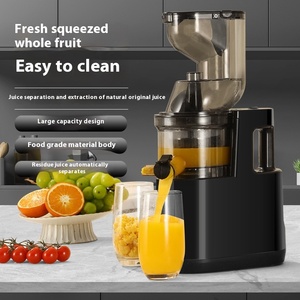
Credit: www.alibaba.com
Troubleshooting: What If Your Juicer Still Has Problems?
If your juicer keeps slowing down or making noise after a full descale, check these common issues:
- Loose parts: Reassemble carefully; even a small gap can cause leaks or noise.
- Hidden scale in motor shaft: Some models need professional cleaning here.
- Worn-out blades: Descaling can’t fix dull blades—replace them.
- Clogged spout: Pulp can hide inside; clean with a pipe cleaner.
For electric problems, never open the motor yourself—contact a repair center.
When To Seek Professional Help
If you have a high-end or commercial juicer, or if you’ve tried natural cleaning several times with no luck, it may be time to call the manufacturer or a repair shop. Persistent issues like burning smells, smoke, or loud grinding should be checked by a pro. Most basic descaling is safe to do yourself, but for anything involving the motor or wiring, expert help is best.
Frequently Asked Questions
How Do I Know If My Juicer Needs Descaling?
Look for white, chalky buildup on blades or filters, a drop in juice output, or strange tastes and smells. If your juicer makes more noise or heats up, it’s a sign that scale is making the motor work harder.
Can I Use Apple Cider Vinegar Instead Of White Vinegar?
Yes, apple cider vinegar works for descaling, but it may leave a stronger odor and is more expensive. White vinegar is usually best because it’s colorless and has a neutral smell after rinsing.
Is It Safe To Descale With Lemon Juice If My Juicer Has Rubber Seals?
Lemon juice is generally safe for rubber seals, but rinse well after soaking. Prolonged contact with any acid can dry out rubber over time. Limit soaking to 30 minutes and always dry seals completely.
What If I Accidentally Get Water Inside The Motor Base?
If water enters the motor base, unplug the juicer immediately and let it dry for at least 24 hours before use. Do not try to turn it on while wet. If you see water inside, contact the manufacturer for advice.
Where Can I Learn More About Appliance Care And Descaling?
You can find more information on safe, natural cleaning and appliance care at the Wikipedia Descaling page, which covers different methods and their effects.
Caring for your juicer doesn’t have to be a chore. With these natural descaling techniques, you’ll enjoy better juice, a longer-lasting machine, and a cleaner kitchen—all without harsh chemicals. Whether you juice daily or just for special occasions, a little regular attention goes a long way.
Your health and your juicer will thank you.