Skip to content
When you walk into a kitchen appliance store, you might see two main types of juicers: slow juicers and fast juicers. If you love fresh juice, you may wonder which one is better. The answer depends on your needs, your budget, and how you use your juicer.
Let’s explore the differences, advantages, disadvantages, and real-life examples. By the end, you’ll know which juicer is right for you.
What Is A Slow Juicer?
A slow juicer is also called a masticating juicer. It works by slowly crushing fruits and vegetables to extract juice. The machine uses a rotating auger that spins at a low speed (usually 40–80 RPM). It squeezes the juice out and separates the pulp. Because the speed is low, the process takes more time.
Slow juicers are famous for producing higher juice quality. They keep more nutrients, enzymes, and flavor. This is because the slow process creates less heat and less oxidation. You get a thicker, richer juice with more color and taste.
What Is A Fast Juicer?
A fast juicer, also known as a centrifugal juicer, uses a different method. It spins a sharp blade at high speed (5,000–15,000 RPM) to shred fruits and vegetables. The juice and pulp are separated by a spinning mesh basket.
Fast juicers are popular because they are quick and easy. You can make juice in seconds. However, the high speed can create heat and air, which may destroy some nutrients and change the taste.
Slow Juicer Vs Fast Juicer: The Core Differences
Choosing between a slow juicer and a fast juicer depends on several factors. Here’s a clear comparison:
| Feature | Slow Juicer | Fast Juicer |
|---|---|---|
| Speed | Slow (40–80 RPM) | Fast (5,000–15,000 RPM) |
| Juice Quality | High, with more nutrients | Lower, less nutrients |
| Noise Level | Quiet | Loud |
| Ease of Cleaning | More parts, takes longer | Fewer parts, quick |
| Fruit & Veg Variety | Good for leafy greens, nuts | Best for hard fruits |
| Price Range | Usually $150–$500 | Usually $40–$150 |
This table shows the main features. But let’s look deeper at how each juicer performs in daily life.
Juice Quality: Taste, Nutrition, And Shelf Life
Slow Juicer
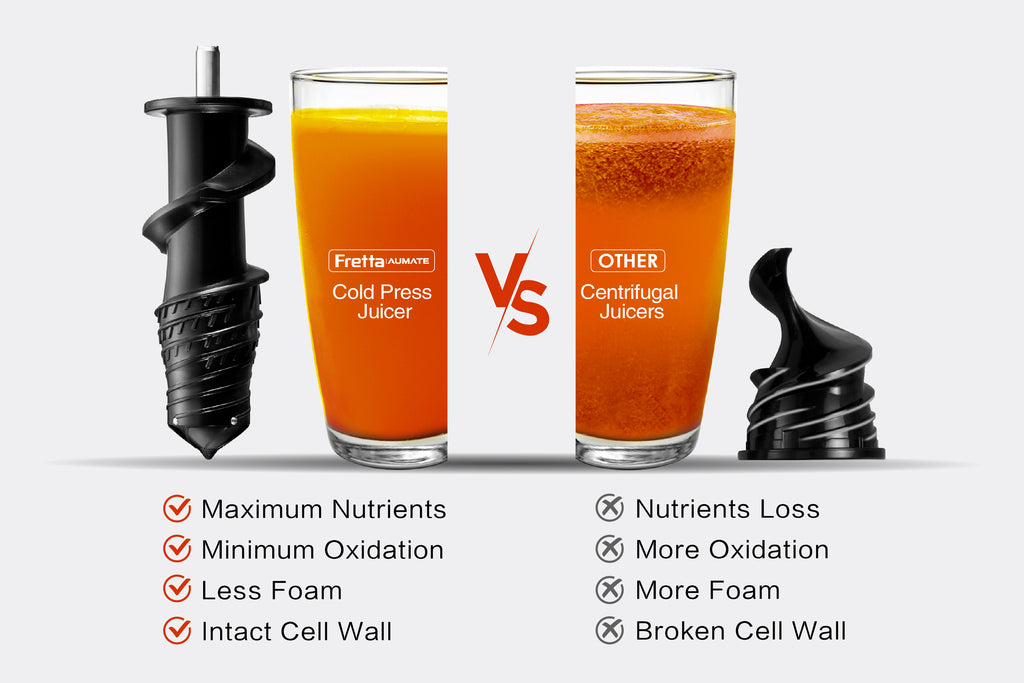
Slow juicers produce juice with a rich taste and bright color. Because the machine works slowly, it keeps more vitamins and enzymes. For example, studies show that slow juicers preserve up to 40% more vitamin C than fast juicers. The juice also has less foam and separates less over time.
Another benefit: slow juicer juice stays fresh for longer. You can store it in the fridge for up to 72 hours. This is helpful if you want to make juice ahead of time.
Fast Juicer
Fast juicers make juice quickly, but the juice tends to have more foam and less flavor. The heat from spinning can destroy some nutrients. Juice from a fast juicer often starts to separate in 15–30 minutes, and the taste can fade.
If you want a glass of juice right away and don’t mind a little loss in nutrition, a fast juicer is fine. But if you care about every vitamin, a slow juicer is better.
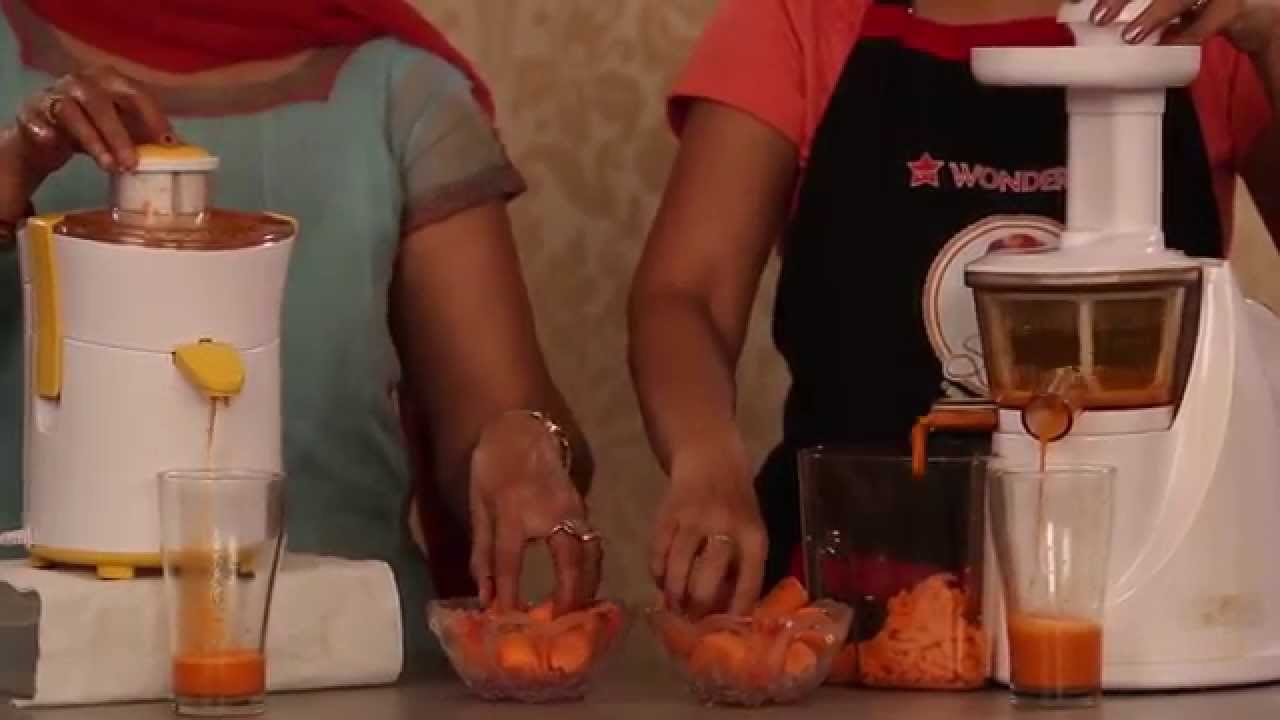
Credit: www.youtube.com
Speed And Convenience
| Aspect | Slow Juicer | Fast Juicer |
|---|---|---|
| Juicing Time | 5–10 mins per batch | 1–2 mins per batch |
| Prep Time | Must cut fruits small | Can use larger pieces |
| Cleaning Time | 10–15 mins | 5–7 mins |
Fast juicers are ideal for busy mornings. You put in the fruit, press the button, and you’re done. Slow juicers require more prep and cleaning, but you get better juice.
Types Of Produce: What Can Each Juicer Handle?
Slow Juicer
Slow juicers are versatile. They can juice:
- Leafy greens (spinach, kale, wheatgrass)
- Soft fruits (berries, grapes)
- Hard vegetables (carrots, beets)
- Nuts and seeds (for nut milk)
A slow juicer handles celery and kale better than a fast juicer. You can even use it for sorbet or baby food.
Fast Juicer
Fast juicers do well with hard, juicy fruits like:
- Apples
- Carrots
- Pineapple
But they struggle with leafy greens and soft fruits. You may get less juice and more waste. Fast juicers cannot make nut milk or sorbet.
Cleaning And Maintenance
Cleaning is a big factor for many people. Slow juicers have more parts—auger, screens, containers, etc. Cleaning takes time and effort. If you juice daily, this can be tiring.
Fast juicers have fewer parts. Most have a simple basket and container. You can rinse and wash quickly. Some parts are dishwasher safe.
Non-obvious tip: If you want to juice every morning, choose a juicer that is easy to clean. Many people stop juicing because cleaning takes too long.
Cost And Value
Slow Juicer
Slow juicers cost more. Prices range from $150 to $500, depending on brand and features. Some premium models cost over $1000. The high price reflects better juice quality and durability.
But you save money in the long run. Slow juicers extract more juice from the same amount of fruit. You buy less produce over time.
Fast Juicer
Fast juicers are affordable, usually $40 to $150. They are a good entry point for beginners. But they may wear out faster. Some models break after one or two years.
Hidden insight: People often buy cheap fast juicers, but later upgrade to a slow juicer for better quality.
Noise Level
Slow juicers are quiet. You can use them early in the morning without waking your family. Fast juicers are loud because the motor spins at high speed. If you live in a small apartment, noise matters.
Durability And Lifespan
A slow juicer is built for heavy use. If you juice daily, it can last 5–10 years. Some brands offer long warranties.
Fast juicers are less durable. Motors may burn out after a year or two, especially if you juice hard vegetables often.
Practical Examples
Example 1: Busy Parent
If you are a parent who needs juice fast for your kids, a fast juicer is great. You can make juice in one minute, clean up quickly, and head out.
Example 2: Health Enthusiast
If you care about nutrients and enjoy leafy greens, a slow juicer is ideal. You can try recipes, make nut milk, and store juice for days.
Example 3: Small Kitchen
If space is tight, check the size. Some slow juicers are bulky. Fast juicers tend to be smaller.
Pros And Cons At A Glance
Here is a quick summary.
| Type | Pros | Cons |
|---|---|---|
| Slow Juicer | – High juice quality – Handles leafy greens – Quiet operation – Juice lasts longer | – Expensive – Slow process – Harder to clean |
| Fast Juicer | – Affordable – Fast juicing – Easy to clean | – Loud – Lower juice quality – Not good for greens |
Credit: aumate.com
Which Juicer Is Right For You?
Ask yourself these questions:
- Do you want the highest nutrition? Choose a slow juicer.
- Do you need juice quickly? Choose a fast juicer.
- Do you want to juice leafy greens and nuts? Slow juicer is best.
- Is budget important? Fast juicer is more affordable.
- Do you hate cleaning? Fast juicer is easier.
Real-world insight: Many people buy a fast juicer, then switch to a slow juicer when they get serious about juicing.
Hidden Factors Beginners Miss
- Oxidation: Fast juicers expose juice to air, which causes oxidation. This makes juice spoil faster. Slow juicers minimize oxidation, so juice keeps its color and taste longer.
- Juice yield: Slow juicers squeeze more juice from the same amount of produce. This means less waste and more value for your money.
How To Choose A Juicer: Key Points
- Think about what you want to juice. For leafy greens, slow juicer is best.
- Consider your lifestyle. If you are always in a hurry, fast juicer suits you.
- Check the size and cleaning process. Some machines are bulky or hard to clean.
- Read reviews and warranty details. Good brands offer long support.
For more scientific info about juicers, see this Wikipedia article.
Frequently Asked Questions
What Is The Main Difference Between Slow And Fast Juicers?
The main difference is the speed and method of juicing. Slow juicers crush and squeeze produce at low speed, keeping more nutrients and flavor. Fast juicers use high-speed spinning blades, which make juice quickly but lose some nutrition.
Can I Juice Leafy Greens In A Fast Juicer?
You can try, but fast juicers do not work well with leafy greens. They produce less juice and more waste. Slow juicers are much better for spinach, kale, and wheatgrass.
Is Juice From A Slow Juicer Healthier?
Yes. Juice from a slow juicer has more vitamins, enzymes, and antioxidants. The slow process protects nutrients from heat and oxidation. Juice also stays fresh longer.
How Long Can I Store Juice From Each Juicer?
Juice from a slow juicer can last up to 72 hours in the fridge. Juice from a fast juicer should be consumed within a few hours because it separates and loses flavor quickly.
Are Slow Juicers Worth The High Price?
If you want quality juice and plan to juice often, a slow juicer is worth the investment. It extracts more juice, saves produce, and lasts longer. If you only juice occasionally, a fast juicer is a good start.

Credit: www.frettajuicers.com
Final Thoughts
Choosing between a slow juicer and a fast juicer is about balance. Slow juicers give you better juice, more nutrients, and greater versatility—but they cost more and take longer. Fast juicers are affordable, fast, and simple—but the juice quality is lower, and they don’t handle all produce.
Think about your needs, your kitchen habits, and your health goals. With this guide, you can make a confident decision and enjoy fresh juice every day.