Is the double kitchen sink becoming a thing of the past? If you’ve recently browsed kitchen design magazines or watched renovation shows, you might have noticed more single-basin sinks or even unique layouts. With changing trends, new appliances, and smaller living spaces, many homeowners are rethinking what’s best for their kitchens.
But before you make a decision based on what’s “in” or “out,” it’s important to understand the real reasons behind these changes and how they might affect your own home.
Double kitchen sinks have long been a familiar sight, especially in family homes. They offer the classic two-bowl setup—one side for washing, the other for rinsing. But are they becoming outdated, or do they still hold value today? Let’s dig deep into this question, looking beyond trends to find out what really matters when choosing the right sink for your kitchen.
A Quick History Of Double Kitchen Sinks
The double kitchen sink became popular in the mid-20th century, at a time when dishwashers were rare. People needed a practical way to wash and rinse dishes by hand, and the double-basin sink was the perfect solution. One bowl held soapy water for washing, while the other was used for rinsing. This setup made kitchen chores easier and more efficient, especially for larger families.
As dishwashers became more common in the 1970s and 1980s, the role of the double sink began to change. Many households still kept the two-bowl design, using one side for dishwashing and the other for food prep or soaking pots.
But as kitchens evolved, so did the options for sinks.
Why Double Sinks Might Feel Outdated
Several factors have led people to ask whether double kitchen sinks are now outdated. Let’s look at the main reasons:
1. The Rise Of Dishwashers
Today, more than 80% of new homes in the US come with a built-in dishwasher. This technology has changed kitchen routines. Most people now rinse or scrape dishes and load them directly into the machine, which makes the second sink bowl less necessary for washing.
2. Kitchen Design Trends
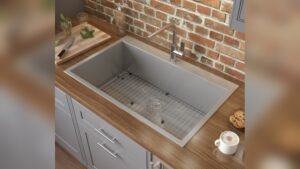
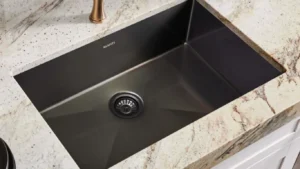
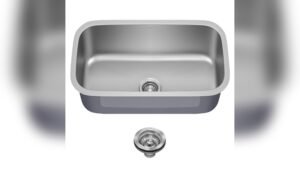
Modern kitchen designs often favor minimalism and clean lines. A single, large sink (sometimes called a “farmhouse” or “apron-front” sink) fits well with this aesthetic. These sinks also make it easier to wash large pots, pans, and baking sheets—something that can be awkward in a double-basin sink.
3. Smaller Homes And Apartments
Urban living often means less space. Many new apartments and condos have compact kitchens. A single-bowl sink saves counter space and can make a small kitchen feel less crowded.
4. Changing Lifestyles
Meal preparation has changed. More people eat out or use meal delivery services, which means fewer dishes to wash at home. The need for a separate rinse basin is not as strong as it once was.
5. Improved Sink Accessories
Modern sink accessories, like integrated cutting boards, colanders, and drying racks, allow one large basin to do the work of two. These add-ons increase functionality without needing two separate bowls.
Credit: www.worldcoppersmith.com
The Case For Keeping Double Kitchen Sinks
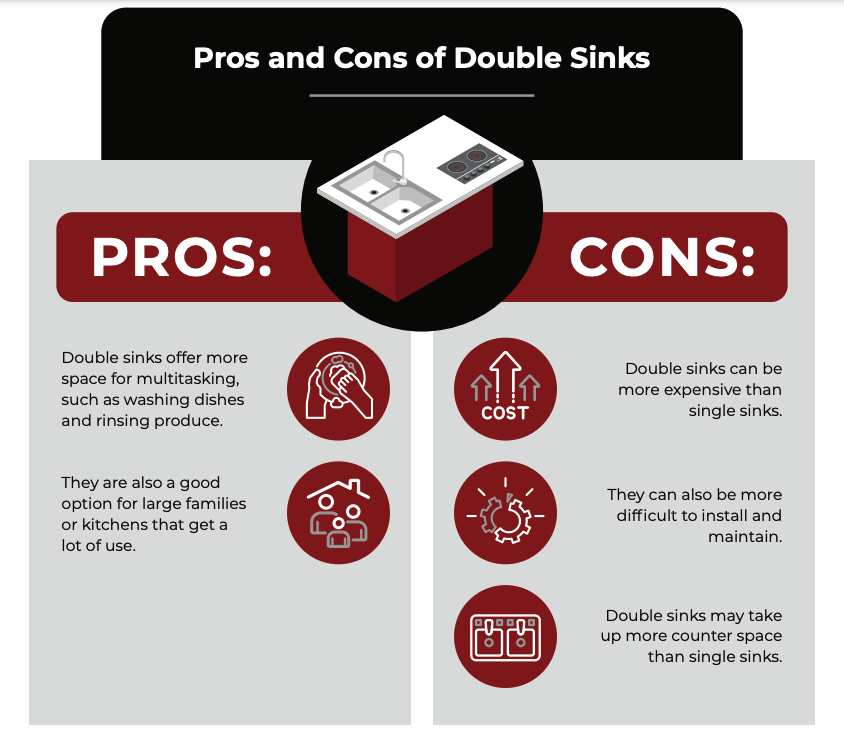
Despite these trends, double kitchen sinks still have supporters. Here’s why:
1. Multi-tasking
A double sink can help you handle several tasks at once. For example, you can thaw meat in one bowl while rinsing vegetables in the other, keeping ingredients separate and reducing the risk of cross-contamination.
2. Handwashing Large Items
Some items—like big pots, wok pans, or delicate glassware—are not dishwasher-safe. With a double sink, you can soak or wash these items in one basin while keeping the other side free.
3. Managing Dirty Dishes
Families with young children or people who cook often may still generate a lot of dirty dishes. A double sink makes it easier to organize dirty and clean dishes, or to soak tough stains while still having a space for other tasks.
4. Tradition And Comfort
Many homeowners are simply used to the double sink. It feels familiar and practical, and they don’t see a reason to change.
Are Double Kitchen Sinks Still Functional Today?
To answer this, let’s look at how double kitchen sinks compare to other options on the market. The table below highlights the main differences between double sinks and single-bowl sinks in modern kitchens.
| Feature | Double Sink | Single Sink |
|---|---|---|
| Multi-tasking | Excellent | Good (with accessories) |
| Cleaning Large Items | Can be difficult if bowls are small | Easy, more space |
| Space Efficiency | Needs more counter width | Better for small kitchens |
| Accessory Options | Fewer options | Wide range available |
| Traditional Use | Best for handwashing | Good for modern routines |
This comparison shows that while double sinks are great for multi-tasking and some traditional uses, single-bowl sinks have advantages for space and handling large cookware.
Common Double Sink Configurations
Not all double sinks are the same. There are several types, each with its own strengths and weaknesses.
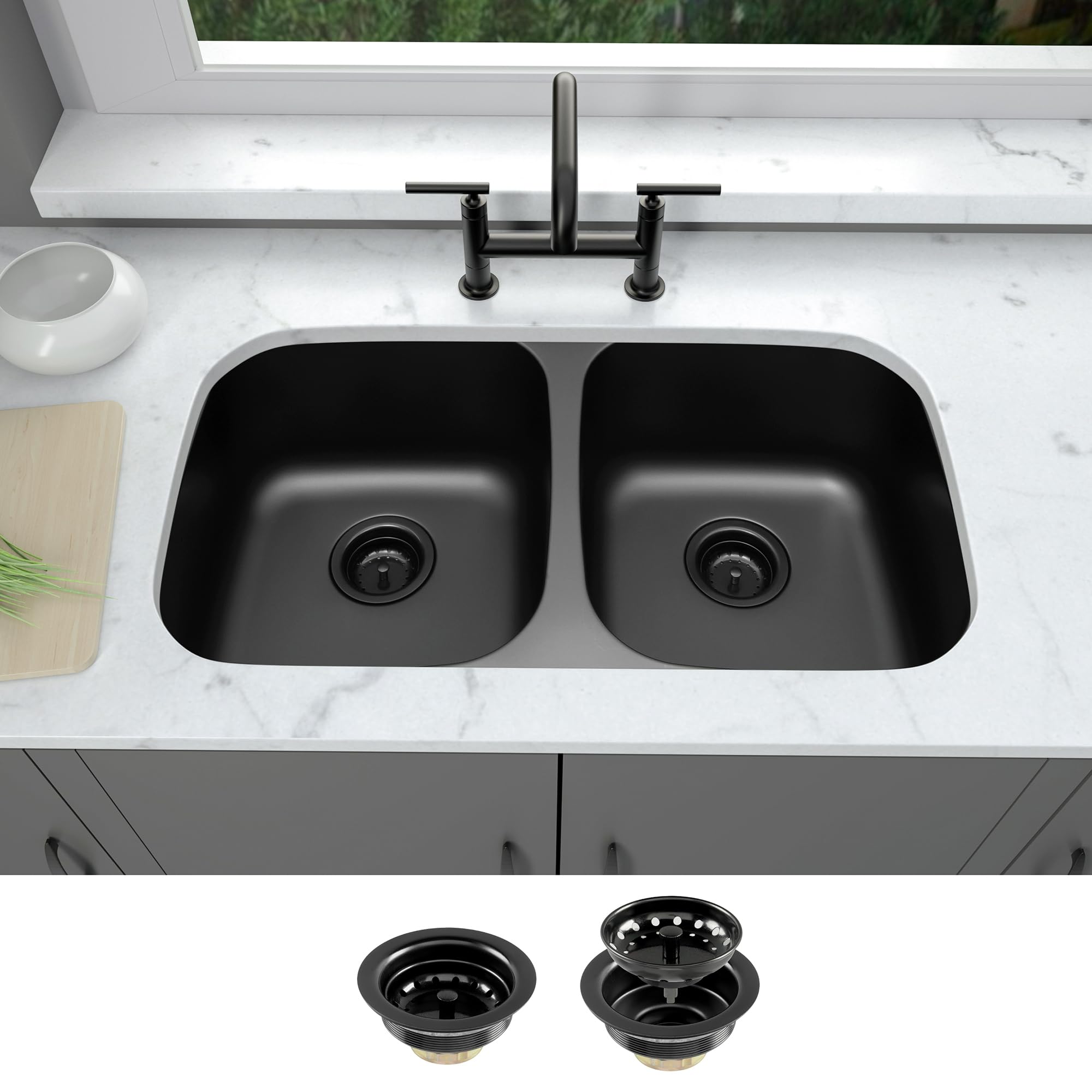
- Equal Bowl: Both sides are the same size. Great for general washing and rinsing.
- Offset/Unequal Bowl: One side is larger. This allows you to soak big pots in the larger bowl while using the smaller one for prep work.
- Low Divider: The divider between the bowls is lower than the sides of the sink. This makes it easier to wash large items while still offering two separate spaces.
Here’s how these styles compare:
| Type | Main Advantage | Main Drawback |
|---|---|---|
| Equal Bowl | Balanced, flexible use | May be too small for large pans |
| Offset Bowl | Fits big items, still has two bowls | Small bowl can feel cramped |
| Low Divider | Easier cleaning of big items | Divider can get in the way |
How Homeowners Are Deciding Today
Homeowners today are less likely to choose a double sink just because it’s “normal. ” Instead, they weigh their options based on their lifestyle, kitchen size, and how they cook.
Key Factors Influencing Sink Choice
- Kitchen size: Small kitchens benefit from a single-bowl sink, while larger kitchens can accommodate either option.
- Dishwasher use: If you use a dishwasher for most cleaning, a single large sink often makes more sense.
- Type of cooking: People who cook a lot from scratch, especially with fresh produce or lots of pots and pans, often prefer the flexibility of a double sink.
- Family size: Larger families may generate more dishes, making a double sink helpful.
- Personal habits: Some people like to soak dishes or keep one side of the sink clear for washing hands or prepping food.
Renovation Data
A recent survey by the National Kitchen & Bath Association found that about 60% of new kitchen remodels still include a double-bowl sink. However, this number is dropping each year as more homeowners opt for a single, extra-large basin.
Non-obvious Insights Most People Miss
Choosing a sink isn’t just about the number of bowls. Here are some details many people overlook:
1. Plumbing Complexity
A double sink requires more plumbing—two drains, sometimes a more complex garbage disposal setup, and extra under-sink space. If you’re remodeling, this can add cost and limit storage space below the sink.
2. Cleaning And Maintenance
Two bowls mean more corners and edges to clean, which can lead to grime buildup. Single-bowl sinks are often easier to keep spotless, especially those with rounded edges.
3. Faucet Placement
With a double sink, the faucet is usually centered between the two bowls. This can make it harder to reach all areas, especially with a large or offset design. Some modern single-bowl sinks allow for more creative faucet placement and even multiple faucets.
Practical Tips: How To Decide What’s Right For You
If you’re planning a kitchen remodel or just swapping out your sink, here’s how to make a smart decision:
- Think about your routine. Do you handwash a lot of dishes? Prepare many ingredients at once? A double sink might help.
- Measure your space. In a small kitchen, every inch counts. A single-bowl sink may open up more counter area.
- Consider future needs. If you plan to sell your home, check what’s popular in your area. Some buyers still prefer double sinks, while others want a single, deep basin.
- Look at accessories. Many modern sinks come with built-in accessories—like sliding cutting boards or roll-up drying racks—that can add flexibility.
- Test in person. Visit a showroom if possible. Sometimes, actually using a sink can change your mind about what feels comfortable.
The Impact Of Materials And Finishes
The look and usefulness of your sink depends not just on its shape, but also on the material. Stainless steel remains the most popular choice for both double and single sinks because it’s tough, easy to clean, and matches many kitchen styles. Other options include:
- Porcelain: Classic look, but can chip if you drop heavy pans.
- Granite composite: Durable, scratch-resistant, comes in various colors.
- Fireclay: Similar to porcelain but even tougher.
- Copper: Unique look, naturally kills bacteria, but needs special care.
A key detail: some materials are only available in single-bowl or special shapes, so your material choice may affect your options.
Environmental Considerations
Double sinks can actually help you use less water if you handwash dishes. One bowl for washing, one for rinsing, means you don’t have to keep the tap running the whole time. If you mostly use a dishwasher, though, a single sink is usually just as efficient.
The Resale Value Question
People often wonder: will a double sink help or hurt my home’s value? The answer depends on your market. In some areas, double sinks are seen as a plus, especially in family homes. In others, buyers want the clean look of a single bowl.
The best approach: check local listings or talk to real estate agents before making a final decision.
Real-life Examples
Family Kitchen
A busy family of five in a suburban home might use a double sink every day. One side holds dirty dishes, the other is for prepping food. This keeps the kitchen running smoothly, especially during big meals.
Small Apartment
A young couple in a city apartment often finds a single-bowl sink more useful. It gives them more workspace and looks modern, fitting the smaller kitchen layout.
Home Chef
Someone who loves to cook from scratch might prefer an offset double sink. They can rinse vegetables and soak pans at the same time, making meal prep more efficient.
Credit: incus.com.tr
What Designers And Experts Say
Most kitchen designers agree: there’s no “one size fits all” answer. The best sink is the one that fits your space, your habits, and your style. Trends come and go, but good design is about meeting your needs.
The National Kitchen & Bath Association recommends thinking about how you really use your kitchen, not just what’s popular. They also note that many people who switch from a double to a single sink don’t go back, especially when they add smart accessories.
The Role Of Sink Accessories
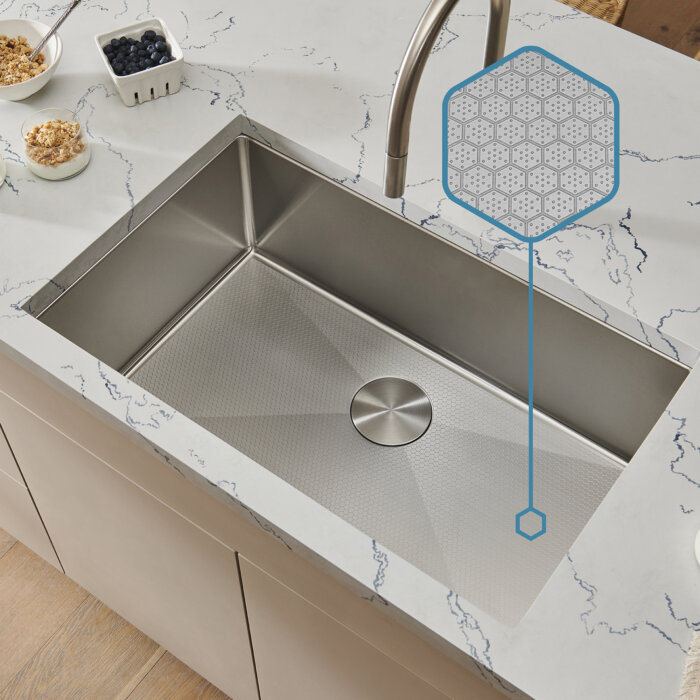
Modern kitchen sinks can be customized with accessories like:
- Integrated cutting boards
- Roll-up drying racks
- Colanders that fit into the sink
- Sink mats and grids
These can make a single-bowl sink almost as versatile as a double, and sometimes even more so. For example, you can turn part of your sink into a prep station, then remove the accessories for easy cleaning.
Here’s a quick comparison of common accessories:
| Accessory | Benefits | Best for |
|---|---|---|
| Cutting board | Prepping food over the sink, easy cleanup | Single or double sinks |
| Colander | Draining pasta, rinsing produce | Single sinks with ledges |
| Drying rack | Air-drying dishes over the basin | Single sinks |
| Sink grid | Protects surface from scratches | Both types |
Credit: www.ruvati.com
The Bottom Line: Are Double Kitchen Sinks Outdated?
Double kitchen sinks are not completely outdated, but they are less common in new homes than before. The shift is mainly due to changing lifestyles, smaller kitchens, and the rise of dishwashers. However, for some families and cooks, a double sink still offers unique benefits.
If you’re renovating or building a kitchen, focus on what works for your daily routine. Don’t just follow trends—consider your space, cooking style, and future needs. Accessories can add flexibility, and materials matter as much as the number of bowls.
For more about the history of kitchen sinks and design choices, you can read this Wikipedia article.
Frequently Asked Questions
What Is The Main Advantage Of A Double Kitchen Sink?
The main advantage is multi-tasking. You can do two things at once, like soaking dishes on one side while rinsing vegetables on the other. This makes it easy to keep clean and dirty items separate.
Is A Single-bowl Or Double-bowl Sink Better For Small Kitchens?
For small kitchens, a single-bowl sink is usually better. It takes up less space, gives you more room on the counter, and makes it easier to wash big pots and pans.
Do Double Sinks Require More Plumbing Work?
Yes, double sinks need extra plumbing. They have two drains, and often need more pipes and fittings under the sink. This can reduce your storage space and add to the cost of installation.
Can I Add Accessories To A Double Sink?
Yes, you can use cutting boards, sink grids, and some colanders with double sinks. However, single-bowl sinks often have more space and special ledges designed for accessories, making them more flexible.
Will Replacing A Double Sink Lower My Home’s Value?
In most cases, switching to a single-bowl sink does not lower home value. Buyers today care more about overall kitchen design and functionality. However, in areas where double sinks are expected, it’s good to check with local real estate experts before making the change.
Double kitchen sinks may not be the trendiest choice, but they’re not obsolete. The right answer depends on your kitchen, your habits, and your future plans. Make your decision based on what works for you, and your kitchen will stay both practical and stylish for years to come.