Are Higher Watt Blenders Better?
Blenders are everywhere—from home kitchens to juice shops. When people shop for a blender, one question often comes up: are higher watt blenders better? You will see blenders advertised with wattage numbers like 300W, 600W, 1000W, and even 1800W. But does a bigger number always mean a better blender? Or is it just marketing?
Let’s break down what blender wattage really means, how it affects performance, and what you should consider before buying. If you want smoothies, nut butters, or soups, this guide will help you make a smart choice.
What Does Blender Wattage Mean?
Wattage is a measure of power consumption. In simple terms, the higher the wattage, the more electrical power the blender uses. Most home blenders range from 200 watts to 1800 watts. Commercial blenders can be even more powerful.
But wattage is not the same as blending ability. It shows how much energy the motor can use, but not exactly how well it blends. Other parts like blade design, jar shape, and speed settings also matter.
Why Do Companies Advertise High Wattage?
Many brands highlight high wattage to show that their blender is powerful. Some people believe more watts mean smoother blends or faster results. Sometimes, it’s true. Other times, a well-designed low-watt blender can outperform a poorly designed high-watt one.
How Wattage Affects Blender Performance
People often think that a higher watt blender will crush anything. In some ways, this is correct. Let’s look at how wattage changes what your blender can do.
1. Smoothness And Texture
A high watt blender can spin the blades faster and with more force. This usually creates smoother textures for smoothies, soups, and sauces. For example, leafy greens and frozen fruits blend better with more power. Lower watt blenders may leave small chunks.
2. Speed And Efficiency
With more wattage, a blender can finish the job faster. For example, a 1200W blender might make a smoothie in 20 seconds, while a 300W blender takes 40 seconds or more. This is helpful when you are in a hurry.
3. Handling Tough Ingredients
Higher watt blenders can crush ice, nuts, and hard vegetables like carrots or beets with less strain. A 1000W or above blender can even make nut butter or blend thick dough. Lower watt models may stall or overheat with tough ingredients.
4. Consistency Over Time
A high watt motor is less likely to slow down or overheat during long blending sessions. This is important if you want to blend several batches or use the blender for commercial purposes.
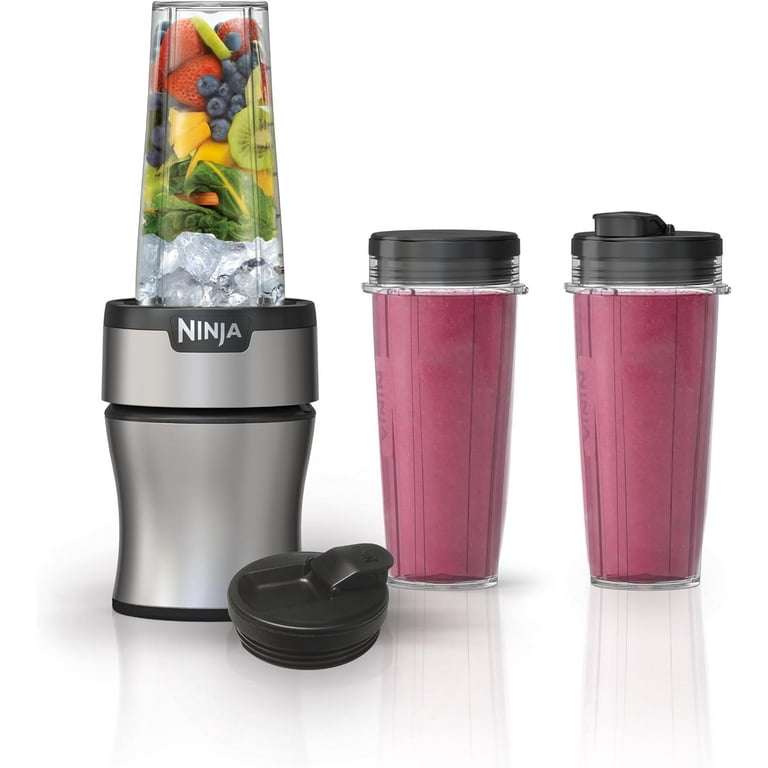
Credit: www.walmart.com
Where Higher Wattage Helps Most
Not all kitchen tasks need a powerful blender. Here are situations where high watt blenders really make a difference:
- Crushing ice: Smoothies with ice or frozen fruit need strong motors. High wattage prevents motor strain.
- Nut butters: Making almond, peanut, or cashew butter requires a lot of force and steady speed.
- Hot soups: Some high watt blenders can even heat soup through friction, blending and warming at the same time.
- Thick doughs: Blending thick batters or doughs can stall weaker motors.
- Large batches: If you blend for a family or events, power helps maintain performance.
When Lower Watt Blenders Are Enough
Low wattage does not always mean low quality. Many people only use their blender for basic tasks, and a high watt model is not always needed.
- Simple smoothies: If you mostly blend soft fruits, yogurt, and milk, a 300-600W blender is usually fine.
- Baby food: Soft vegetables and fruits do not require high power.
- Dressings and sauces: Mixing liquids and soft ingredients does not need much force.
A lower watt blender can also save energy and is often quieter.
Comparing Blender Wattages: What’s The Difference?
To show how wattage affects blending, let’s compare common watt levels side by side.
| Wattage | Best For | Limitations |
|---|---|---|
| 200-400W | Soft fruits, liquids, light smoothies | Struggles with ice, nuts, hard veggies |
| 500-900W | Daily smoothies, sauces, small ice pieces | Not ideal for nut butter, large ice, thick dough |
| 1000-1800W | Frozen fruit, ice, nut butter, hot soups | More expensive, higher energy use |
Other Factors That Matter Besides Wattage
Many beginners focus only on wattage, but there are other things that make a blender better or worse.
1. Blade Quality
Sharp, sturdy blades can cut ingredients more effectively. Dull blades, even with high wattage, will not blend well.
2. Jar Shape
A well-designed jar creates a vortex that pulls food toward the blades. Some jars trap food, leaving chunks unblended.
3. Build Quality
A strong motor base, good seals, and durable materials help the blender last longer. Cheap plastics may break, even with high wattage.
4. Speed Settings
Multiple speed options let you control blending texture. Pulse settings are useful for chunky salsas or soups.
5. Overload Protection
Some blenders have safety features to prevent overheating. This protects both you and the blender.

Credit: www.amazon.com
Real-world Examples: Does Wattage Always Win?
Sometimes, a low-watt blender outperforms a high-watt competitor because of design. For example, a 600W blender with excellent blade design can blend smoothies as well as a 1000W blender with poor blades.
Example: The NutriBullet 600W is known for smooth blends with soft and medium ingredients. Meanwhile, some 1000W budget blenders leave chunks because of blade and jar issues.
Energy Use And Noise
Higher wattage blenders use more electricity. If you blend often, this can raise energy bills. They are also louder. If you live in a small space, a quieter, lower watt blender may be better.
| Wattage | Average Noise (dB) | Estimated Energy Use (per 1 min blend) |
|---|---|---|
| 300W | 70 dB | 0.005 kWh |
| 1000W | 85 dB | 0.017 kWh |
| 1500W | 95 dB | 0.025 kWh |
Price Differences: Is Higher Watt Worth The Money?
Higher watt blenders are more expensive. But is the cost worth it for your needs?
| Wattage | Average Price | Typical User |
|---|---|---|
| 200-400W | $30-$70 | Light users, students, small kitchens |
| 500-900W | $60-$150 | Families, smoothie fans, daily use |
| 1000-1800W | $150-$500 | Health enthusiasts, foodies, heavy use |
If you only blend a banana shake sometimes, a $200, 1500W blender is overkill. But if you want to make green smoothies every day or grind nuts, the investment can pay off.
Common Mistakes When Choosing Blender Wattage
Many beginners make these errors:
- Bigger is always better: Not true. Buy for your real needs.
- Ignoring other features: Motor power is just one part of performance.
- Overpaying for unused power: Many people buy high watt blenders and use only basic functions.
- Not considering space and noise: High watt blenders are larger and louder.
- Overlooking warranty and service: Support and repair options matter for expensive blenders.
How To Choose The Right Blender Wattage For You
Ask yourself these questions:
- What do you blend most often? Ice and nuts need power; soft fruits do not.
- How often do you use your blender? Daily use may need a stronger motor.
- Do you want to make nut butter, dough, or hot soup? If yes, get 1000W or more.
- Is noise an issue in your home? Lower watt models are quieter.
- What is your budget? Do not buy more power than you need.
If you are still unsure, visit a store and try different models with your favorite recipes.
Non-obvious Insights For Buyers
- Jar shape matters as much as motor power. Short, wide jars often blend thick mixtures better than tall, narrow ones, even with the same wattage.
- Some high watt blenders overheat during long runs if they lack cooling fans or overload protection. Always check for these features.
- Commercial blenders are not always better for home kitchens. They are built for speed and heavy use but can be overkill for simple tasks.
- Local repair options can be more important than wattage if you use your blender often.
What The Experts Say
According to the Consumer Reports and top chefs, wattage should match your cooking style. High watt blenders are best for tough jobs and busy kitchens, but for most homes, 500-900W is enough.
If you want to learn more about how blenders work and compare models, you can check Wikipedia’s blender article for technical details.
Final Thoughts
Are higher watt blenders better? The answer is: it depends on your needs. High wattage gives more power for tough jobs, larger batches, and smoother results. But it is not the only thing that matters. Blade design, jar shape, speed control, and build quality are just as important.
If you only make simple smoothies, do not let marketing push you to buy a high watt blender. But if you want to blend anything and everything, invest in a strong, well-built model. Always match your blender to your real kitchen needs.

Credit: www.amazon.com
Frequently Asked Questions
Is A 1000 Watt Blender Too Much For Home Use?
No, a 1000 watt blender is not too much if you want to crush ice, blend frozen fruits, or make nut butters often. For simple blending, it may be more than you need, but it offers flexibility for tougher jobs.
Does Higher Wattage Mean Better Smoothies?
Higher wattage usually means smoother smoothies, especially with fibrous fruits and ice. However, a well-designed 600-900W blender can also make good smoothies if the blade and jar are high quality.
Are High Watt Blenders More Durable?
Not always. Durability depends on motor design, blade quality, and materials. Some high watt blenders use cheaper parts to save costs. Always check reviews and warranty.
Will A Low Watt Blender Damage Easily?
A low watt blender is safe for light tasks. But if you try to blend tough foods like ice or nuts, the motor can overheat or burn out. Use it within its limits for best results.
What Is The Best Wattage For Daily Use?
For most daily blending, 500-900 watts is ideal. It balances power, energy use, and price. Choose higher wattage only if you plan to do heavy-duty blending regularly.