Most people love the convenience of having ice ready at home. Whether it’s a built-in appliance or a countertop gadget, ice makers have become a common part of many kitchens. But a question often comes up: Are ice makers safe to use daily? This is not just about taste or convenience. It’s about your health and your home’s safety. Let’s look deeper into the facts, risks, and tips for using ice makers every day.
How Ice Makers Work
Understanding how an ice maker operates helps you see where safety issues might appear. Most home ice makers connect to your water supply. Water flows into a freezing tray, forms ice, and then drops into a storage bin. Some countertop units ask you to fill them manually, but the process is similar.
There are two main types:
- Built-in/freezer ice makers: These are connected to your fridge or freezer, often with a water line.
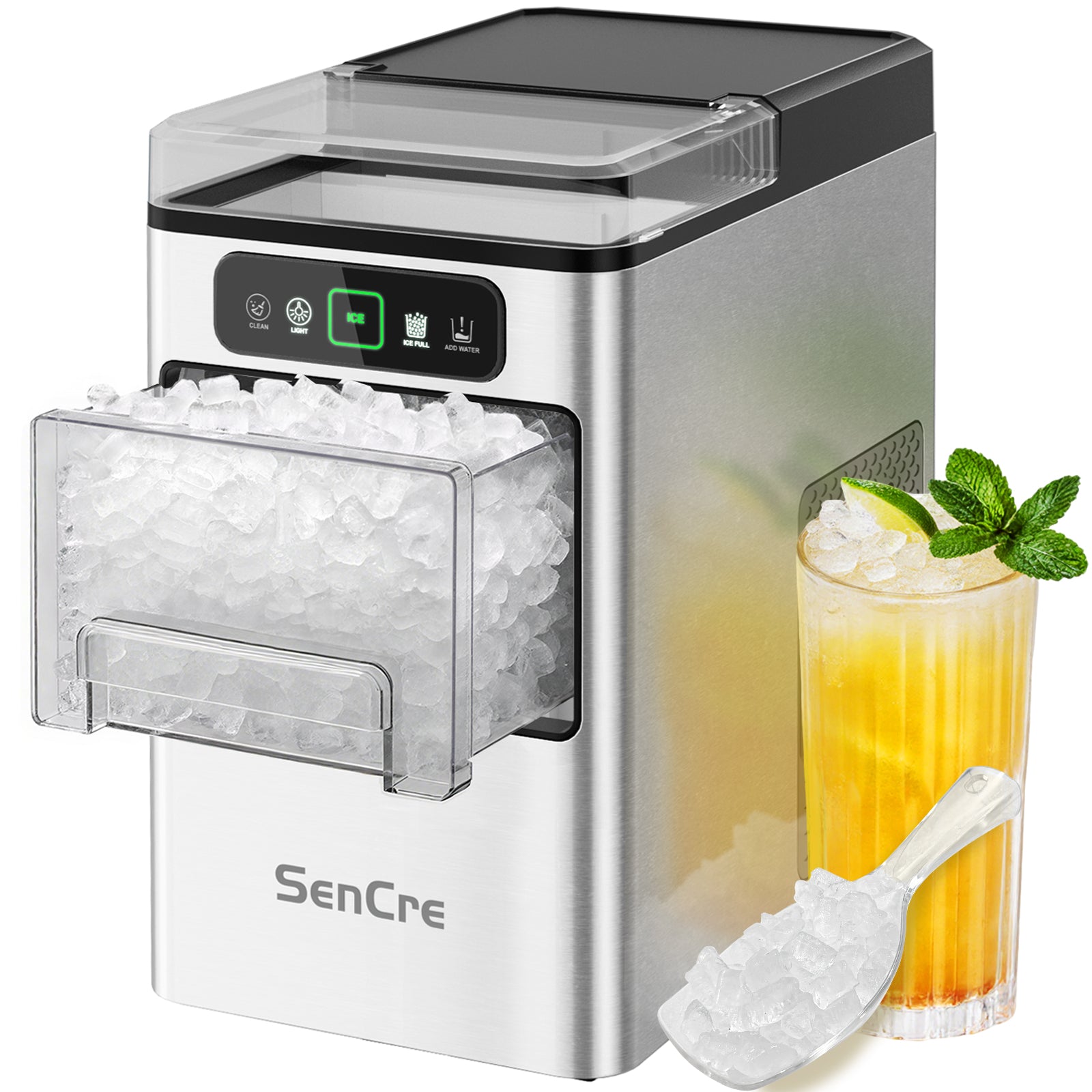
- Portable/countertop ice makers: These are standalone devices that you fill with water.
Both types use electrical parts, sensors, and moving mechanisms. They need water, electricity, and regular cleaning to work safely.
Common Concerns About Ice Maker Safety
1. Water Quality
The quality of water you use is the first safety concern. If your tap water has bacteria, chemicals, or heavy metals, the ice will have them too. Some ice makers have basic filters, but not all do. Using filtered or bottled water can help, but you need to check your ice maker’s manual to see what’s recommended.
2. Bacterial Growth
Ice seems clean and safe because it’s frozen, but bacteria can still grow on surfaces inside the machine. In fact, the cold temperature slows bacteria but doesn’t kill them. Dirty ice makers can spread E. coli, Salmonella, and even mold.
A study by the National Sanitation Foundation (NSF) found that ice bins can be dirtier than toilet seats if not cleaned often. Mold and slime can build up in damp areas, especially if the ice isn’t used quickly.
3. Mechanical Hazards
Ice makers have moving parts, sharp edges, and electrical wiring. If something breaks or wears out, it could cause a shock or injury. Most modern machines have safety switches and guards, but older models may not.
4. Chemical Leaks
Some ice makers use refrigerants or chemicals to cool the water. If there’s a leak, it could mix with your ice or the air in your kitchen. This is rare but can happen in poorly maintained machines.
5. Electrical Safety
Electricity and water are a risky mix. If your ice maker’s wiring is damaged or the machine is used near water spills, there’s a risk of short circuits or even fires.

Credit: decochef.com
Are Ice Makers Safe To Use Every Day?
The answer depends on how you use and care for your ice maker. Most modern ice makers are safe for daily use if you follow the manufacturer’s instructions, clean them often, and use good water. Still, there are important details to consider.
Let’s break down the key factors that affect daily safety:
Water Source And Filtration
- Tap water: Safe in most developed countries, but not everywhere. If your water tastes bad or has a strange smell, use a filter.
- Filters: Some ice makers come with built-in filters. These need regular changing. If you don’t change them, they can actually make water dirtier.
Cleaning And Maintenance
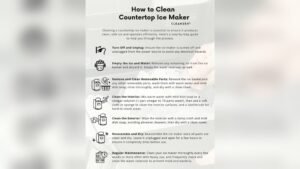
- Frequency: Experts recommend cleaning your ice maker every 1-2 months.
- Hidden parts: Don’t just clean the ice bin. Bacteria can hide in tubes, trays, and water lines.
- Descaling: Minerals can build up, especially in hard water areas. Use the right descaler for your machine.
Machine Age And Condition
- Old machines: Worn parts, old gaskets, and old wiring can be dangerous. Consider replacing machines over 10 years old.
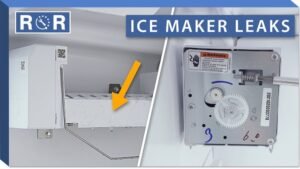
- Regular checks: Listen for strange noises, leaks, or slower ice production. These can be warning signs.
Usage Patterns
- Daily use: Keeps ice fresh and reduces standing water. If you rarely use your ice maker, old ice can get dirty.
- Overloading: Don’t try to make more ice than the machine’s max capacity. This stresses the motor and can cause breakdowns.
Data: Ice Maker Safety Incidents
To get a clearer picture, here’s data from appliance safety groups on ice maker incidents in the U.S. over the last 5 years:
| Type of Incident | Reported Cases | Common Causes |
|---|---|---|
| Bacterial Contamination | 1,200+ | Dirty bins, old water, poor cleaning |
| Electrical Failures | 400+ | Worn wires, water leaks |
| Mechanical Injuries | 180 | Sharp parts, jamming ice |
| Chemical Leaks | 50 | Poor maintenance, refrigerant leaks |
As you can see, bacterial contamination is the most common risk. But most cases are linked to a lack of cleaning.

Credit: www.amazon.com
The Truth About Ice And Bacteria
Many people don’t realize that ice can carry germs just like water. The U.S. Centers for Disease Control and Prevention (CDC) warns that ice can spread Norovirus, Hepatitis A, and other germs if the machine is dirty or if hands touch the ice.
Here’s what often surprises beginners:
- Ice is not sterile. Freezing doesn’t kill most bacteria or viruses.
- Clean hands and scoops are as important as a clean machine. Never use your hands to take ice.
Comparison: Ice Makers Vs. Ice Trays
Some people think using plastic ice trays is safer. Let’s compare the two:
| Feature | Ice Makers | Ice Trays |
|---|---|---|
| Convenience | Very high | Low |
| Speed | Fast (minutes to hours) | Slow (hours) |
| Bacterial Risk | High if not cleaned | Lower, but hands can contaminate |
| Cost | High | Very low |
| Maintenance | Needs regular cleaning | Easy to clean |
Surprisingly, ice trays are not always safer. If you touch the ice with your hands or don’t clean trays, bacteria can still grow.
Credit: mysencre.com
Non-obvious Insights About Daily Ice Maker Safety
- Ice can absorb odors from your freezer or fridge. This isn’t just unpleasant—it can mean your ice is picking up chemicals or mold spores. Always keep your freezer clean and odor-free.
- Standing water inside the ice maker is a major risk. If you turn off your ice maker for a few days, empty and dry it. Mold loves damp, dark places.
- Check the ice for clarity. Cloudy or soft ice can mean water quality problems or a dirty machine.
Steps For Safe Daily Use
If you want to use your ice maker every day, here’s a safe routine:
- Use filtered or bottled water if your tap water is questionable.
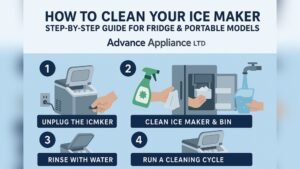
- Clean the ice bin and all accessible parts every 1-2 months. Use a food-safe cleaner.
- Change filters as often as the manual says—usually every 6 months.
- Check for strange smells or tastes in your ice. If you notice any, clean the machine immediately.
- Use a clean scoop—never your hands—to take ice.
- Inspect for leaks or broken parts at least once a month.
- Defrost and dry the machine if you won’t use it for a while.
- Keep pets and children away from the machine’s vents and wiring.
Ice Maker Features That Improve Safety
Some newer ice makers offer features that make daily use safer:
- UV light sterilization: Kills bacteria in water and ice bins.
- Self-cleaning cycles: Help reduce bacteria and mineral buildup.
- Filter change alerts: Remind you to replace water filters.
- Automatic shut-off: Stops making ice if there’s a problem, like a jam or leak.
If you’re shopping for a new ice maker, look for these features. They can make a big difference, especially if you use your ice maker daily.
Common Mistakes When Using Ice Makers Every Day
People often make these errors:
- Skipping cleaning because the ice “looks clean.”
- Using old or dirty water to fill the ice maker.
- Ignoring the manual and using harsh chemicals that damage parts.
- Letting ice sit for weeks without emptying the bin.
- Not replacing filters on time.
Avoiding these mistakes helps keep your ice safe and your machine running longer.
Ice Maker Safety: Home Vs. Commercial
Home ice makers are usually smaller and easier to clean. Commercial ice makers, like those in restaurants or hotels, can be much larger and more complex. Safety rules are stricter for businesses. For home use, you are responsible for keeping the machine clean and maintained.
If you’re interested in restaurant safety standards, the U.S. Food and Drug Administration (FDA) provides guidelines for ice machine cleaning and water quality. You can learn more at the FDA Ice Safety page.
Data: How Often Do People Clean Their Ice Makers?
A recent survey of 1,500 U.S. households found:
| Cleaning Frequency | % of Households |
|---|---|
| Every month | 18% |
| Every 2-3 months | 35% |
| Once a year | 28% |
| Never | 19% |
This shows that many people don’t clean their ice makers as often as they should. Regular cleaning is one of the easiest ways to stay safe.
When To Replace Your Ice Maker
Even with good care, ice makers don’t last forever. Signs it’s time for a new one:
- Frequent breakdowns
- Strange noises or smells
- Ice tastes bad, even after cleaning
- Visible rust or mold
- Leaks that don’t stop after repair
Most home ice makers last about 5 to 10 years. Replacing an old machine can improve both safety and energy use.
Final Thoughts
So, are ice makers safe to use daily? Yes, but only if you pay attention to water quality, regular cleaning, and proper maintenance. Most problems come from neglect, not from the machine itself. Modern ice makers are designed with safety in mind, but they are not set-and-forget devices. Making fresh, clean ice every day is possible and safe—if you follow smart habits. Stay alert, use common sense, and your ice maker will be a reliable part of your kitchen for years.
Frequently Asked Questions
How Often Should I Clean My Ice Maker?
You should clean your ice maker every 1 to 2 months. If you use it heavily or notice strange smells or tastes, clean it more often.
Is Ice From A Machine Safer Than Ice From Trays?
Not always. Both can be safe if cleaned regularly. Ice makers are more likely to develop bacteria if neglected, but trays can also get dirty if not washed well.
Can Ice Makers Make You Sick?
Yes, if they are not cleaned or if you use dirty water. Bacteria and mold can grow inside machines and make you ill.
Is It Safe To Leave Ice In The Bin For Days?
No. Old ice can pick up odors and bacteria. It’s best to empty the bin and start fresh every few days.
What Type Of Water Should I Use For My Ice Maker?
Use filtered or bottled water if your tap water is hard or has an off taste. Always follow your machine’s instructions about water type.